Raw Goat Skin
CN → US| HS Code | Tariff Rate | Origin | Destination | Doc |
|---|---|---|---|---|
| 4301300000 | 10.0% | CN | US | Official Doc |
| 4102103000 | 12.0% | CN | US | Official Doc |
| 4102101000 | 17.5% | CN | US | Official Doc |
| 4301900000 | 10.0% | CN | US | Official Doc |
| 5101111000 | 35.0% | CN | US | Official Doc |
Product Images
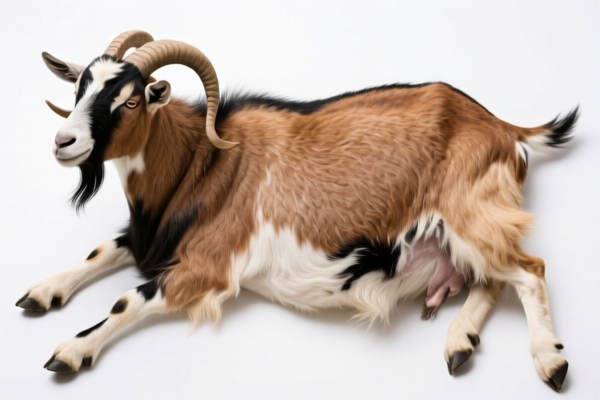
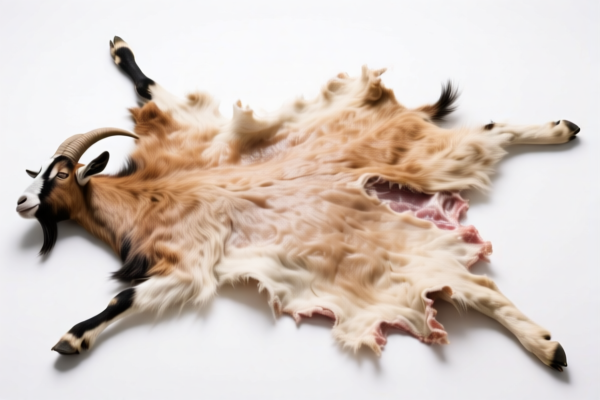
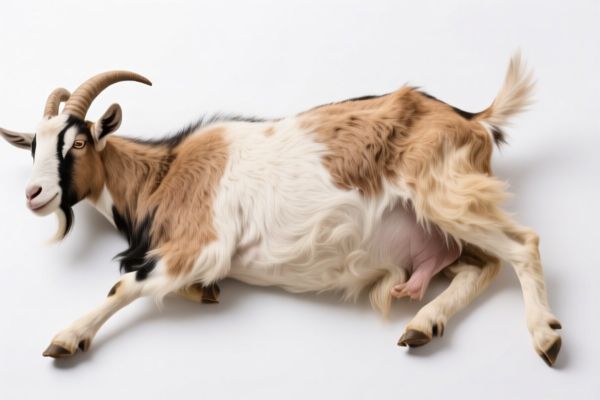
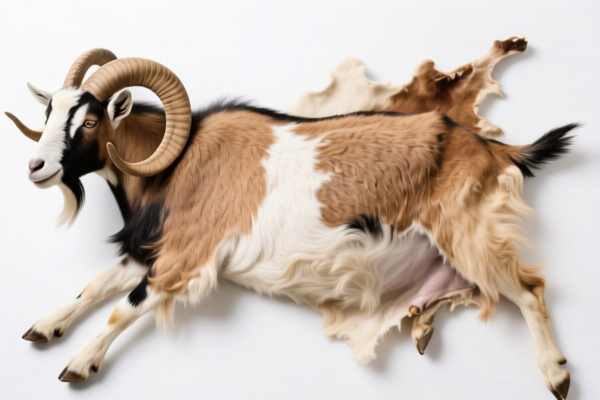
AI Analysis
🐐 Raw Goat Skin (Raw Skins of Goat or Lamb)
🌐 HS Code Reference & Customs Clearance Guide | 2026 Latest Tariff Analysis | Professional-Level Clearance Strategy
📌 I. Product Definition & Classification: Do You Really Understand "Raw Goat Skin"?
Raw goat skin is the unprocessed hide or pelt obtained from goats or lambs after slaughter or shearing. In international trade, the classification depends heavily on material nature, processing state (whether tanned or not), and specific category (fur-bearing vs. non-fur-bearing).
International trade typically divides raw skins into two major categories:
- Fur-bearing Skins (毛皮原皮): Skins with hair/fur intact, intended for fur products (e.g., coats, linings). These generally fall under Chapter 43.
- Leather-base Skins (皮革用原皮): Skins intended for tanning into leather (e.g., shoes, gloves, bags). These generally fall under Chapter 41.
⚠️ Key Distinction Point:
- If the skin is raw, un-tanned, with hair intact, and classified as "fur-bearing" → Goes to 4301.xx.xx
- If the skin is raw, un-tanned, but classified as "other" (non-fur or unspecified) → Goes to 4102.xx.xx
- If the skin is uncombed wool/hair stripped from the skin (not the skin itself) → Goes to 5101.xx.xx
📦 II. HS Code Classification Details (2026 Latest Tariff Authority Comparison)
| HS Code | Product Description | Application Scenario | Processing State | Hair/Fur Intact? |
|---|---|---|---|---|
4301.30.00.00 |
Raw skins of sheep or lambs (fur-bearing) | Fur coats, linings, high-grade fur products | Raw, un-tanned | ✅ Yes (Fur category) |
4102.10.30.00 |
Raw skins of sheep or lambs (other) | Generic raw leather, unspecified category | Raw, un-tanned | ✅ Yes (But classified under Ch. 41 fallback) |
4102.10.10.00 |
Raw skins of sheep or lambs (pre-tanned/unfinished) | Initial stage leather processing, pre-tanned | Semi-processed | ✅ Yes (But considered "other" under Ch. 41) |
4301.90.00.00 |
Other raw fur skins (incl. sheep/lamb) | Fur merchant raw skins, general fur category | Raw, un-tanned | ✅ Yes (General fur category) |
5101.11.10.00 |
Wool / animal hair, not carbonized or combed | Stripped wool/hair, not the skin itself | Raw fiber | ❌ No (Fiber only, not skin) |
🔍 Key Reminder:
- "Raw Goat Skin" is technically classified under Sheep/Lamb codes in HS nomenclature because Chapter 41 and 43 often group "sheep or lamb" together for raw hides.
- Chapter 43 (Fur) vs. Chapter 41 (Leather): The key is intent and material description. If it’s "fur-bearing," it’s Ch. 43. If it’s "other raw skin," it’s Ch. 41.
- Wool vs. Skin: If only wool is collected (skin discarded), it’s Ch. 51. If skin with wool is imported, it’s Ch. 41 or 43.
💰 III. 2026 Latest Tariff Rate Details (Including Additional Taxes & Policy Add-ons)
✅ Applicable Country: United States (US)
✅ Origin: China (CN)
✅ Effective Date: From November 10, 2025 (including subsequent imports)
🎯 1. 4301.30.00.00 —— Raw Skins of Sheep or Lambs (Fur-bearing)
| Item | Content |
|---|---|
| Base Tariff | 0% (ad valorem) |
| Additional Tariff (Section 301 / 25%) | +0% (No Section 301 tax applied to this specific subheading) |
| 122-Clause Tariff (IEEPA) | +10% (Against Chinese/HK products, effective Nov 10, 2025) |
| Total Tariff Rate | 10% |
| Tax Calculation | CIF Value × 10% |
| De Minimis Eligibility | ❌ Not Eligible (deny_de_minimis) |
| Legal Basis Path | IEEPA:9903.01.24 → USITC:4301.30.00.00 |
📌 Explanation:
- Base Tax 0%: Raw fur skins have low base tariffs.
- No 301 Tax: Some fur-related HS codes are exempt from the 25% Section 301 tariff.
- 122-Clause 10%: This is a new/additional tariff targeting Chinese products under specific executive orders.
- Total 10%: This is a moderate tariff, manageable for most fur importers.
🎯 2. 4102.10.30.00 —— Raw Skins of Sheep or Lambs (Other)
| Item | Content |
|---|---|
| Base Tariff | 2% (ad valorem) |
| Additional Tariff (Section 301 / 25%) | +0% |
| 122-Clause Tariff (IEEPA) | +10% |
| Total Tariff Rate | 12% |
| Tax Calculation | CIF Value × 12% |
| De Minimis Eligibility | ❌ Not Eligible (deny_de_minimis) |
| Legal Basis Path | IEEPA:9903.01.24 → USITC:4102.10.30.00 |
📌 Explanation:
- Base Tax 2%: Low base tariff for raw leather skins.
- No 301 Tax: Like above, no 25% Section 301 tax.
- 122-Clause 10%: Applies due to origin.
- Total 12%: Slightly higher than4301.30.00.00due to base tax, but still moderate.
🎯 3. 4102.10.10.00 —— Raw Skins of Sheep or Lambs (Other, Pre-tanned/Unfinished)
| Item | Content |
|---|---|
| Base Tariff | 0% |
| Additional Tariff (Section 301 / 25%) | +7.5% (Partial Section 301 application) |
| 122-Clause Tariff (IEEPA) | +10% |
| Total Tariff Rate | 17.5% |
| Tax Calculation | CIF Value × 17.5% |
| De Minimis Eligibility | ❌ Not Eligible (deny_de_minimis) |
| Legal Basis Path | IEEPA:9903.01.24 → USITC:4102.10.10.00 → FOOTNOTE:301 |
📌 Explanation:
- Base Tax 0%: Low base.
- 301 Tax 7.5%: Partial application of Section 301 tariff.
- 122-Clause 10%: Applies.
- Total 17.5%: Higher tariff, requires careful cost calculation. This code implies a different processing state, which triggers partial 301 taxes.
🎯 4. 4301.90.00.00 —— Other Raw Fur Skins (General Fur Category)
| Item | Content |
|---|---|
| Base Tariff | 0% |
| Additional Tariff (Section 301 / 25%) | +0% |
| 122-Clause Tariff (IEEPA) | +10% |
| Total Tariff Rate | 10% |
| Tax Calculation | CIF Value × 10% |
| De Minimis Eligibility | ❌ Not Eligible (deny_de_minimis) |
| Legal Basis Path | IEEPA:9903.01.24 → USITC:4301.90.00.00 |
📌 Explanation:
- Base Tax 0%: Very low base.
- No 301 Tax: Exempt from 301.
- 122-Clause 10%: Applies.
- Total 10%: Same as4301.30.00.00. This is a "catch-all" for fur skins, beneficial if4301.30.00.00is restricted.
🎯 5. 5101.11.10.00 —— Wool/Animal Hair, Not Combed
| Item | Content |
|---|---|
| Base Tariff | 0% |
| Additional Tariff (Section 301 / 25%) | +25% |
| 122-Clause Tariff (IEEPA) | +10% |
| Total Tariff Rate | 35% |
| Tax Calculation | CIF Value × 35% |
| De Minimis Eligibility | ❌ Not Eligible (deny_de_minimis) |
| Legal Basis Path | IEEPA:9903.01.24 → USITC:5101.11.10.00 → FOOTNOTE:9903.88.01 |
📌 Explanation:
- Base Tax 0%: Low base.
- 301 Tax 25%: Full Section 301 tax applies to raw wool/hair.
- 122-Clause 10%: Applies.
- Total 35%: Very High Tariff. Only use if you are importing raw wool, NOT raw skins with hair. Misclassification here is costly.
🛠️ IV. Customs Clearance Practical Advice (实战避坑指南)
✅ 1. Document Checklist (Must-Haves)
| Document | Required | Explanation |
|---|---|---|
| ✅ Product Specification Sheet | ✔️ | Must specify: Raw/Un-tanned, Sheep/Lamb, With/Without Hair, Weight, Dimensions |
| ✅ Photos of Skins | ✔️ | Clear images showing hair/fur status, side (flesh side vs. grain side) |
| ✅ Commercial Invoice | ✔️ | Must declare "Raw Goat/Sheep Skin" clearly, not just "Leather" |
| ✅ Packing List | ✔️ | Include gross/net weight, number of skins, packaging type |
| ✅ Certificate of Origin (CO) | ✔️ | To verify Chinese origin for 122-Clause tax calculation |
| ✅ Test Report (Optional) | ✔️ | If customs doubts processing state, a lab report helps |
✅ 2. Declaration Tips (Key Mantras)
🔥 "Raw vs. Tanned is Key, Hair vs. No Hair is Crucial, Don't Mix Fur and Leather!"
| Scenario | Correct Declaration | Wrong Practice |
|---|---|---|
| Raw skin with hair (Fur purpose) | 4301.30.00.00 or 4301.90.00.00 |
Declaring as "Leather" → 12-17.5% |
| Raw skin with hair (Leather purpose) | 4102.10.30.00 or 4102.10.10.00 |
Declaring as "Fur" → 10% (but may trigger audit) |
| Only raw wool (no skin) | 5101.11.10.00 |
Declaring as "Skin" → 35% |
| Tanned leather (not raw) | Different HS Code (e.g., 4104/4105) | Declaring as "Raw" → Penalty |
✅ 3. Special Cases Handling
| Situation | Handling Advice |
|---|---|
| Mixed Shipments (Fur + Leather skins) | Declare separately! Do not combine. |
| OEM Custom Skins | Provide design specs to prove intent (fur vs. leather). |
| Small Quantity (De Minimis) | ❌ Not Eligible. Even small shipments are subject to 10-35% tax. |
| Pre-tanned Skins | If slightly processed, may fall under 4102.10.10.00 (17.5%). Confirm state. |
🌍 V. Global Market Comparison (2026 Latest)
| Country/Region | Recommended HS Code | Tariff (China Origin) | Certification | Notes |
|---|---|---|---|---|
| 🇺🇸 USA | 4301.30.00.00 / 4102.10.30.00 |
10% / 12% | No special | 301 tax exempt for many fur codes, but 122-Clause 10% applies. |
| 🇨🇳 China | 4301.30.00.00 / 4102.10.30.00 |
5-15% | No special | Domestic trade rules differ. |
| 🇪🇺 EU | 4301.10.00 / 4102.10.00 |
0-5% | No special | No Section 301 or 122-Clause. Lower tariffs. |
| 🇦🇺 Australia | 4301.30.00.00 |
5% | No special | Moderate tariffs. |
| 🇯🇵 Japan | 4301.30.00.00 |
0-3% | No special | Very low tariffs for fur skins. |
📌 Conclusion:
- USA imposes 10-35% due to 122-Clause and 301 taxes.
- EU/JP/AU have lower tariffs (0-5%), making them more cost-effective for raw skin imports.
- China Origin is the key driver of additional tariffs in the US market.
📌 VI. Common Errors & Pitfalls (Blood Lessons)
❌ Error 1: Declaring "Raw Goat Skin" as "Tanned Leather"
👉 Consequence: Customs inspection reveals raw state → Penalty + Back Tax.
❌ Error 2: Confusing "Raw Skin with Hair" with "Raw Wool"
👉 Consequence: Using 5101.11.10.00 (35%) for actual skins → Overpay 25%.
❌ Error 3: Ignoring the 122-Clause 10% Tariff
👉 Consequence: Budget miscalculation → Profit Margin Squeeze.
❌ Error 4: Splitting Fur and Leather Skins in One Declaration
👉 Consequence: Customs rejects mixed classification → Delay + Storage Fees.
✅ Correct Approach:
"Raw Goat Skin, Un-tanned, With Hair, 100pcs, CIF $5000, HS Code 4301.30.00.00, Origin China"
🎯 VII. Conclusion: Precise Classification, Save Costs, Smooth Clearance!
🎯 Remember the Mantra:
🔹 "Raw Skin with Hair = Fur (Ch. 43) or Leather (Ch. 41), Check Intent!"
🔹 "122-Clause 10% is New, 301 Tax Exempt for Fur, Wool is 35%!"
🔹 "HS Code Determines Tax, Wrong Code Costs Big!"
📌 Pro Tip:
If your raw goat skin is originated from Vietnam, Mexico, or Thailand, you may exempt from IEEPA 122-Clause, reducing tariff to 0-2%.
Suggest applying for Pre-Ruling from US Customs (CBP) to confirm HS Code and tax rate before shipment.
📣 Immediate Action:
📞 Contact a Professional Customs Broker + Provide Product Photos + Apply for HS Code Pre-Ruling
🚀 Ensure your raw goat skins clear customs smoothly, efficiently, and profitably!
✨ Professional Clearance Starts with Accurate Classification!
💼 Every Cent of Cost Deserves Precise Calculation!
Customer Reviews
About HS Code Classification
The Harmonized System (HS) is an internationally standardized nomenclature developed by the World Customs Organization (WCO) to classify traded products. Over 200 countries use the HS system as the basis for customs tariffs, trade statistics, and import/export regulations.
Each HS code follows a hierarchical structure:
- Chapter (2 digits) — Broad category of goods (e.g., Chapter 84: Machinery and Mechanical Appliances)
- Heading (4 digits) — More specific grouping within the chapter
- Subheading (6 digits) — Internationally standardized breakdown, used by all WCO member countries
- National subdivisions (8-10 digits) — Country-specific extensions for further classification, such as US HTSUS 10-digit codes
Correct HS code classification is essential for smooth customs clearance, accurate duty payment, and compliance with trade regulations. Misclassification can lead to customs delays, overpayment of duties, or penalties.
When importing from CN to US, the applicable tariff rates may include:
- Most-Favored-Nation (MFN) rate — The standard duty rate applied to WTO members
- General rate — Applied to countries without trade agreements
- Trade remedy duties — Additional tariffs such as Section 301 (anti-dumping), Section 232 (national security), or countervailing duties
The information provided on this page is for reference purposes only. For official classification, please consult with your local customs authority or a licensed customs broker.