Raw Horsehide (No Hair, Not Class 4114, Not Patterned, Not for Gloves/Clothing)
CN → US| HS Code | Tariff Rate | Origin | Destination | Doc |
|---|---|---|---|---|
| 4104194060 | 15.0% | CN | US | Official Doc |
| 4107116060 | 13.3% | CN | US | Official Doc |
| 4107916050 | 13.3% | CN | US | Official Doc |
| 4104494060 | 15.0% | CN | US | Official Doc |
Product Images
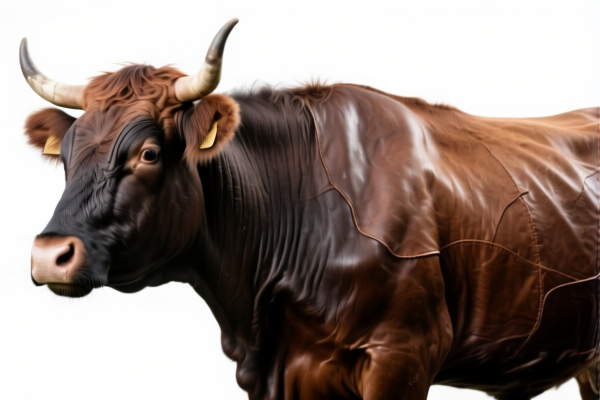
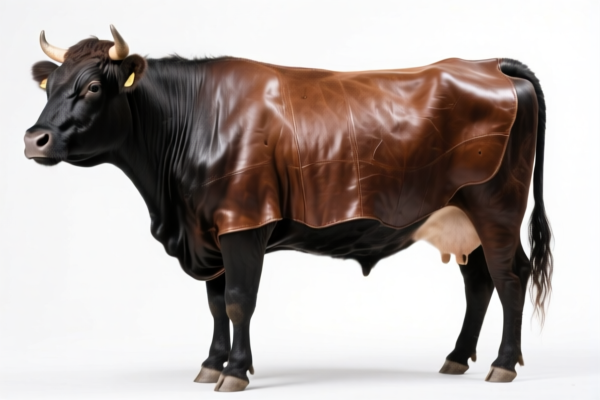

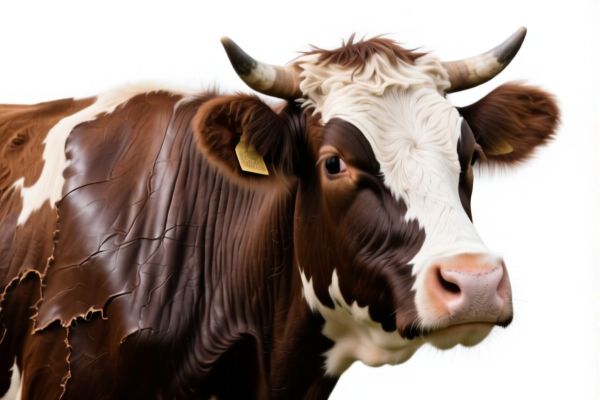
AI Analysis
🐎 Raw Horsehide (No Hair, Not Class 4114, Not Patterned, Not for Gloves/Clothing)
🌐 HS Code Reference & Customs Clearance Guide | 2026 Latest Tariff Breakdown | Professional Import Strategy
📌 One: Product Definition & Classification – What Exactly Is “Raw Horsehide”?
Raw horsehide refers to untanned, unprocessed horse skin that has been stripped of hair (no hair) and not used for gloves or clothing. It is not classified under 4114 (which covers tanned or crusted hides for footwear or upholstery), nor is it patterned or specially treated.
In international trade, this material is categorized based on: - Processing state: Dry, non-tanned, non-shoe upper - Use purpose: Not for footwear, gloves, or apparel - Surface condition: No hair, no finishing
⚠️ Critical Distinction:
- If it’s tanned, for shoe uppers, or with hair, it belongs to 4104.19.40.60 or 4104.49.40.60
- If it’s used for shoe soles, even without hair → 4107.11.60.60 or 4107.91.60.50
- If it’s for gloves or clothing → 4114.10.00.00 or similar → excluded here
📦 Two: HS Code Classification Details (2026 Official Tariff Authority)
| HS Code | Product Description | Use Case | Hair Present? | Tanned? | For Gloves/Clothing? |
|---|---|---|---|---|---|
4104.19.40.60 |
Raw horsehide, non-shoe upper, no hair, not for gloves/clothing | Industrial leather, backing, upholstery, non-apparel uses | ❌ No | ❌ No | ❌ No |
4107.11.60.60 |
Horsehide for shoe soles, no hair, not for gloves/clothing | Shoe sole material, industrial use | ❌ No | ❌ No | ❌ No |
4107.91.60.50 |
Other horsehide, no hair, for shoe soles, not for gloves/clothing | Alternative sole leather, non-apparel | ❌ No | ❌ No | ❌ No |
4104.49.40.60 |
Dry raw horsehide, not for shoe uppers, not for gloves/clothing | Dry storage, non-tanned, non-apparel | ❌ No | ❌ No | ❌ No |
🔍 Key Insight:
- All four codes apply to raw, unprocessed horsehide with no hair
- The only difference lies in end use:
-4104.19.40.60&4104.49.40.60→ non-shoe upper
-4107.11.60.60&4107.91.60.50→ shoe sole only
- No hair and not for gloves/clothing are mandatory conditions for all four codes
💰 Three: 2026 Latest Tariff Breakdown (Including附加 Taxes & Legal Clauses)
✅ Applicable Country: United States (US)
✅ Origin: China (CN)
✅ Effective Date: November 10, 2025 (and onward)
🎯 1. 4104.19.40.60 — Raw Horsehide, Non-Shoe Upper, No Hair, Not for Gloves/Clothing
| Item | Detail |
|---|---|
| Base Duty | 5.0% (ad valorem) |
| Additional Tariff (Section 301) | 0.0% |
| Section 122 Tariff (IEEPA) | +10.0% |
| Total Effective Rate | 15.0% |
| Tax Calculation | CIF Value × 15.0% |
| De Minimis Exemption | ❌ Not applicable (denied under U.S. law) |
| Legal Basis Path | IEEPA:9903.01.25 → Section 122: 19 U.S.C. § 1677j → HS:4104.19.40.60 |
📌 Explanation:
- Base 5% is standard for raw hides not classified under special categories
- +10% Section 122 tariff is part of the International Emergency Economic Powers Act (IEEPA), imposed on goods from China since 2025
- No Section 301 (USITC) tariff applies here — this is not a product under the 301 investigation list (e.g., not a finished good or textile)
- Total: 15.0% — high but manageable
🎯 2. 4107.11.60.60 — Horsehide for Shoe Soles, No Hair, Not for Gloves/Clothing
| Item | Detail |
|---|---|
| Base Duty | 3.3% (ad valorem) |
| Additional Tariff (Section 301) | 0.0% |
| Section 122 Tariff (IEEPA) | +10.0% |
| Total Effective Rate | 13.3% |
| Tax Calculation | CIF Value × 13.3% |
| De Minimis Exemption | ❌ Not applicable |
| Legal Basis Path | IEEPA:9903.01.25 → Section 122: 19 U.S.C. § 1677j → HS:4107.11.60.60 |
📌 Explanation:
- Lower base rate (3.3%) because it's sole leather, not upper leather
- Still subject to +10% IEEPA Section 122 tariff
- No 301 tariff — not a consumer product or high-tech item
- Total: 13.3% — slightly lower than non-sole hides
🎯 3. 4107.91.60.50 — Other Horsehide for Shoe Soles, No Hair, Not for Gloves/Clothing
| Item | Detail |
|---|---|
| Base Duty | 3.3% (ad valorem) |
| Additional Tariff (Section 301) | 0.0% |
| Section 122 Tariff (IEEPA) | +10.0% |
| Total Effective Rate | 13.3% |
| Tax Calculation | CIF Value × 13.3% |
| De Minimis Exemption | ❌ Not applicable |
| Legal Basis Path | IEEPA:9903.01.25 → Section 122: 19 U.S.C. § 1677j → HS:4107.91.60.50 |
📌 Explanation:
- Same as above — sole leather, no hair, not for apparel
- No difference in tariff from4107.11.60.60
- Used for general shoe sole applications (e.g., industrial, work boots, agricultural footwear)
🎯 4. 4104.49.40.60 — Dry Raw Horsehide, Not for Shoe Uppers, Not for Gloves/Clothing
| Item | Detail |
|---|---|
| Base Duty | 5.0% (ad valorem) |
| Additional Tariff (Section 301) | 0.0% |
| Section 122 Tariff (IEEPA) | +10.0% |
| Total Effective Rate | 15.0% |
| Tax Calculation | CIF Value × 15.0% |
| De Minimis Exemption | ❌ Not applicable |
| Legal Basis Path | IEEPA:9903.01.25 → Section 122: 19 U.S.C. § 1677j → HS:4104.49.40.60 |
📌 Explanation:
- Dry state = not wet, not fresh, not for tanning
- Still classified under raw hide, not for upper or apparel
- Same 15.0% total as4104.19.40.60
- No 301 tariff, but 10% IEEPA applies due to China origin
🛠️ Four: Customs Clearance Best Practices (Pro Tips to Avoid Penalties)
✅ 1. Required Documentation (Must-Have List)
| Document | Required? | Notes |
|---|---|---|
| ✅ Commercial Invoice | ✔️ | Clearly state: “Raw Horsehide, No Hair, Not for Gloves/Clothing, Dry State” |
| ✅ Packing List | ✔️ | Specify quantity, weight, packaging type |
| ✅ Bill of Lading / Air Waybill | ✔️ | Must match invoice |
| ✅ Certificate of Origin (CO) | ✔️ | If from China, must be issued by chamber of commerce |
| ✅ Product Photos (with side/edge views) | ✔️ | Show no hair, no tanning, no pattern |
| ✅ Technical Specs / Material Sheet | ✔️ | Confirm no hair, no tanning, intended use |
| ✅ Export License (if applicable) | ✔️ | Rare, but check U.S. EAR/ITAR if high-value or strategic |
✅ 2.申报技巧(Golden Rules)
🔥 “No Hair, No Use, No Tax Surprise!”
| Scenario | Correct HS Code | Common Mistake |
|---|---|---|
| Raw horsehide, dry, not for shoes or clothes | 4104.49.40.60 or 4104.19.40.60 |
Misclassified as 4114 → 25%+ tariff |
| Horsehide used for shoe soles | 4107.11.60.60 or 4107.91.60.50 |
Misclassified as upper leather → 15% vs 13.3% |
| No hair, but tanned | ❌ Not eligible for these codes | Must use 4104.19.40.60 only if untanned |
| Hair present | ❌ Not eligible | Must be de-haired to qualify |
✅ 3. Special Cases & Solutions
| Situation | Recommended Action |
|---|---|
| Horsehide is wet or fresh | Not eligible — must be dry or processed |
| Horsehide has minor tanning | Must be fully raw — even slight tanning disqualifies |
| Mixed use (sole + backing) | Declare based on primary use — if sole, use 4107.11.60.60 |
| Origin is Vietnam/Mexico | May qualify for IEEPA exemption — apply for Certificate of Origin |
| High-value shipment | Apply for Advance Ruling (Pre-Ruling) to lock in HS Code & tariff |
🌍 Five: Global Customs Comparison (2026 Update)
| Country/Region | Recommended HS Code | Tariff | Certification | Notes |
|---|---|---|---|---|
| 🇺🇸 United States | 4104.19.40.60 / 4107.11.60.60 |
13.3%–15.0% | None (but CO required) | IEEPA 10% applies |
| 🇨🇳 China | 4104.19.40.60 |
5% | None | No additional tariffs |
| 🇪🇺 EU | 4104.19.40.60 |
0% (if from non-China) | CE, REACH | No IEEPA/122 tariff |
| 🇦🇺 Australia | 4104.19.40.60 |
5% | RCM | No extra tariffs |
| 🇯🇵 Japan | 4104.19.40.60 |
0% | PSE | No additional duties |
📌 Takeaway:
- U.S. has the highest effective rate (15%) due to IEEPA Section 122
- China-origin goods are hit hardest — consider shifting origin to Vietnam, Thailand, or Mexico for IEEPA exemption
📌 Six: Common Mistakes & How to Avoid Them (Real-World Risks)
❌ Mistake 1: Classifying raw horsehide as 4114.10.00.00 (for gloves/clothing)
👉 Result: 25%+ tariff + penalties — not eligible if not for apparel
❌ Mistake 2: Declaring horsehide with hair as “raw”
👉 Result: Rejection — must be de-haired to qualify
❌ Mistake 3: Not including “no hair” and “not for gloves/clothing” in invoice
👉 Result: Customs delay, request for clarification, possible seizure
❌ Mistake 4: Using “horse leather” instead of “raw horsehide” in description
👉 Result: Misleading — must use exact terminology from HS Code
✅ Correct Description Example:
“Raw Horsehide, No Hair, Dry State, Not for Shoes, Gloves, or Clothing, Intended for Industrial Use – HS Code: 4104.49.40.60”
🎯 Seven: Final Verdict – Smart Import Strategy
🎯 Key Takeaway:
🔹 Raw horsehide with no hair and not for apparel is NOT subject to Section 301 (USITC) tariffs
🔹 But it IS subject to +10% IEEPA Section 122 tariff if from China
🔹 Total tax: 13.3%–15.0% — manageable but must be planned for📌 Pro Tip:
- Use origin diversification (e.g., Vietnam, Mexico) to avoid IEEPA 10%
- Apply for pre-ruling if volume is high
- Always declare “no hair” and “not for gloves/clothing” in writing
📣 Call to Action: Act Now to Avoid Costly Delays!
📞 Contact a U.S. Customs Broker + Provide product photos + Request HS Code pre-ruling
🚀 Lock in your tariff rate before shipment — avoid surprise costs
✨ Precision Classification = Smooth Clearance = Lower Costs!
💼 Your raw horsehide shipment deserves the best chance to cross borders — without tax surprises!
Customer Reviews
About HS Code Classification
The Harmonized System (HS) is an internationally standardized nomenclature developed by the World Customs Organization (WCO) to classify traded products. Over 200 countries use the HS system as the basis for customs tariffs, trade statistics, and import/export regulations.
Each HS code follows a hierarchical structure:
- Chapter (2 digits) — Broad category of goods (e.g., Chapter 84: Machinery and Mechanical Appliances)
- Heading (4 digits) — More specific grouping within the chapter
- Subheading (6 digits) — Internationally standardized breakdown, used by all WCO member countries
- National subdivisions (8-10 digits) — Country-specific extensions for further classification, such as US HTSUS 10-digit codes
Correct HS code classification is essential for smooth customs clearance, accurate duty payment, and compliance with trade regulations. Misclassification can lead to customs delays, overpayment of duties, or penalties.
When importing from CN to US, the applicable tariff rates may include:
- Most-Favored-Nation (MFN) rate — The standard duty rate applied to WTO members
- General rate — Applied to countries without trade agreements
- Trade remedy duties — Additional tariffs such as Section 301 (anti-dumping), Section 232 (national security), or countervailing duties
The information provided on this page is for reference purposes only. For official classification, please consult with your local customs authority or a licensed customs broker.