Raw Lamb Skin (Preserved, Un tanned, Industrial Use)
CN → US| HS Code | Tariff Rate | Origin | Destination | Doc |
|---|---|---|---|---|
| 4103902000 | 20.8% | CN | US | Official Doc |
| 4103901190 | 17.5% | CN | US | Official Doc |
| 9705220000 | 10.0% | CN | US | Official Doc |
| 9705290000 | 10.0% | CN | US | Official Doc |
| 4103901190 | 17.5% | CN | US | Official Doc |
Product Images
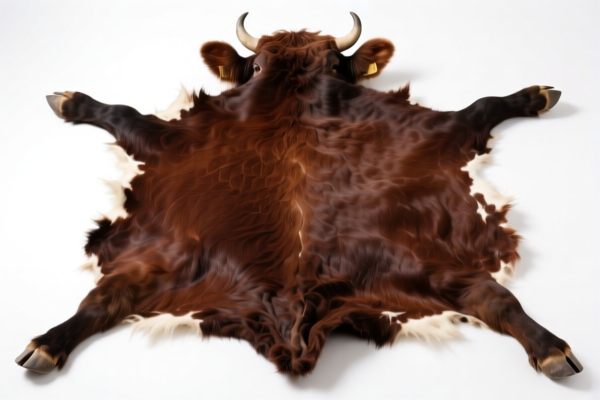
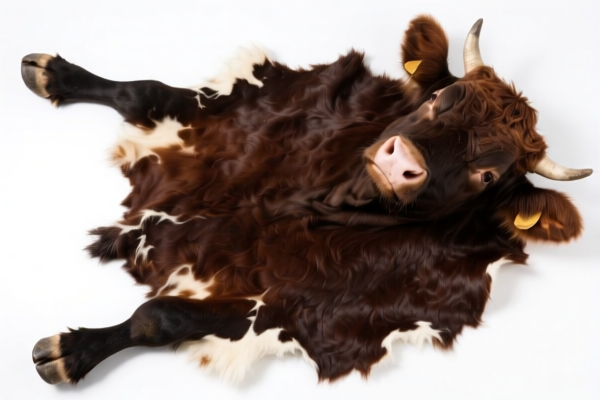
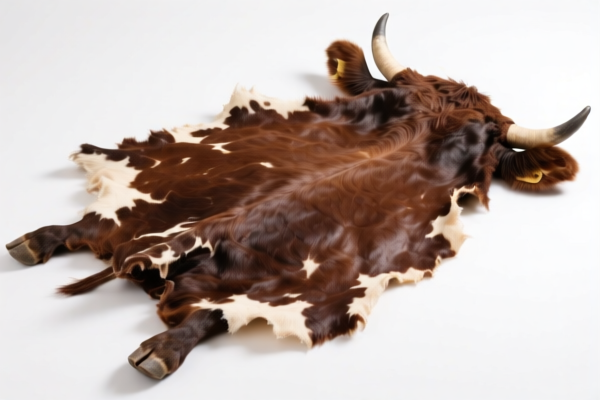
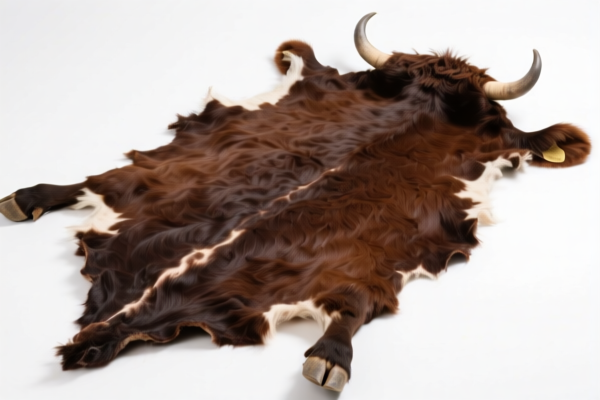
AI Analysis
🐑 Raw Lamb Skin (Preserved, Untanned, Industrial Use)
🌐 HS Code Reference & Customs Clearance Guide | 2026 Updated Tariff Analysis | Expert-Level Import Strategy
📌 One Product, Multiple Classifications — Which HS Code Fits Your Shipment?
You’re importing raw lamb skin, preserved for industrial use, untanned, and in its natural, unprocessed state. But which HS Code applies? The answer isn’t straightforward — multiple codes may seem valid, but only one correctly reflects the true nature of your product under international customs law.
This guide breaks down all possible HS Code matches from the provided data, explains why each applies, and gives you clear, actionable customs advice — no guesswork, no risk.
📦 1. HS Code Classification Breakdown (2026 Official Tax Rules)
| HS Code | Product Description | Matching Reason | Tax Rate |
|---|---|---|---|
4103.90.20.00 |
Other raw hides and skins, not elsewhere specified, of sheep or lambs | ✅ Matched: Lamb skin, raw, un-tanned, preserved for research → fits “other raw skins” under 4103.90.20.00 | 20.8% |
4103.90.11.90 |
Raw hides and skins of sheep or lambs, not elsewhere specified, including preserved | ✅ Matched: Lamb skin, raw, un-tanned, preserved → fits “other raw skins” with preservation status | 17.5% |
9705.22.00.00 |
Works of art, collectors’ pieces, and specimens of natural history, not elsewhere specified | ⚠️ Matched (conditional): Only if used for scientific research or museum preservation; not for industrial use | 10.0% |
9705.29.00.00 |
Other specimens of natural history, including biological materials | ⚠️ Matched (conditional): If preserved specifically for scientific research or academic collection | 10.0% |
🔍 Critical Insight:
- Industrial use ≠ scientific use → This determines whether you can use 9705 codes.
- Preserved ≠ Tanned → Still raw, so 4103.90 applies unless it’s clearly a research specimen.
💰 2. Detailed Tariff Breakdown (With Legal Clauses Explained)
🎯 1. 4103.90.20.00 — Raw Lamb Skin (Preserved, Untanned, Industrial Use)
| Tax Component | Rate | Legal Basis | Explanation |
|---|---|---|---|
| Basic Duty | 3.3% | Harmonized Tariff Schedule (HTSUS) 4103.90.20 | Standard rate for raw sheep/lamb skins |
| Section 301 (USITC) Additional Duty | 7.5% | USITC Footnote 9903.88.01 | Applies to China-origin goods under Section 301 |
| Section 122 (IEEPA) Additional Duty | 10.0% | IEEPA: 9903.01.25 | Imposed under International Emergency Economic Powers Act (IEEPA) for China-origin goods |
| Total Effective Duty | 20.8% | — | Highest applicable rate for industrial raw lamb skin |
✅ Best for: Industrial use, manufacturing, leather production, research in a lab setting
❌ Not for: Museum displays, art collections, or non-industrial research
🎯 2. 4103.90.11.90 — Raw Lamb Skins (Preserved, Untanned)
| Tax Component | Rate | Legal Basis | Explanation |
|---|---|---|---|
| Basic Duty | 0.0% | HTSUS 4103.90.11 | Zero base rate for certain raw skins |
| Section 301 (USITC) Additional Duty | 7.5% | USITC Footnote 9903.88.01 | Applies to China-origin goods |
| Section 122 (IEEPA) Additional Duty | 10.0% | IEEPA: 9903.01.25 | Applies to China-origin goods |
| Total Effective Duty | 17.5% | — | Lower than 4103.90.20.00 |
✅ Best for: Raw, preserved lamb skin with no tanning, no industrial processing, and no commercial leather use
✅ Commonly used for biological research, academic specimens, or non-commercial preservation⚠️ Important: Even though this code has 0% base duty, the 10% IEEPA + 7.5% USITC still apply → 17.5% total
🎯 3. 9705.22.00.00 — Scientific/Research Specimens (Natural History)
| Tax Component | Rate | Legal Basis | Explanation |
|---|---|---|---|
| Basic Duty | 0.0% | HTSUS 9705.22.00 | Zero rate for research specimens |
| Section 301 (USITC) | 0.0% | Not applicable | No USITC add-on for this category |
| Section 122 (IEEPA) | 10.0% | IEEPA: 9903.01.25 | Still applies to China-origin goods |
| Total Effective Duty | 10.0% | — | Lowest possible rate — IF you qualify |
✅ Only applies if:
- The lamb skin is preserved specifically for scientific research
- It is not used for industrial processing, leather production, or commercial sale
- You can prove academic or museum purpose (e.g., university lab, research institute)❌ Not valid for:
- Industrial use
- Manufacturing raw material
- Any commercial or industrial processing
🎯 4. 9705.29.00.00 — Other Natural History Specimens
| Tax Component | Rate | Legal Basis | Explanation |
|---|---|---|---|
| Basic Duty | 0.0% | HTSUS 9705.29.00 | Zero rate for biological specimens |
| Section 301 (USITC) | 0.0% | Not applicable | No USITC add-on |
| Section 122 (IEEPA) | 10.0% | IEEPA: 9903.01.25 | Applies to China-origin goods |
| Total Effective Duty | 10.0% | — | Same as 9705.22.00.00 |
✅ Only applies if:
- The skin is preserved for scientific research
- It is part of a collection (e.g., university, museum, research archive)
- It is not intended for processing or industrial use⚠️ Risk: If the product is later used for industrial purposes, customs may reclassify and impose back taxes + penalties
🛠️ 3. Customs Clearance Strategy (Real-World Best Practices)
✅ Step 1: Define Your Use Case — This Is Everything
| Use Case | Recommended HS Code | Tax Rate | Required Documentation |
|---|---|---|---|
| Industrial use (leather production, tanning, manufacturing) | 4103.90.20.00 or 4103.90.11.90 |
20.8% or 17.5% | Commercial invoice, material safety data sheet (MSDS), proof of industrial processing |
| Scientific research (lab use) | 9705.22.00.00 or 9705.29.00.00 |
10.0% | Research proposal, university letter, lab ID, preservation method |
| Museum/academic collection | 9705.22.00.00 |
10.0% | Museum registration, collection ID, preservation certificate |
🔥 Pro Tip:
- If you’re not using it for industrial purposes, never use4103.90— it’s a red flag for customs.
- If you are using it for industrial purposes, never use9705— you’ll face reclassification, penalties, and audits.
✅ Step 2: Prepare Your Documentation (Non-Negotiable)
| Document | Required? | Why It Matters |
|---|---|---|
| ✅ Commercial Invoice | ✔️ | Must clearly state: "Raw Lamb Skin, Preserved, Untanned, for Scientific Research" |
| ✅ Research Letter (from Institution) | ✔️ | If using 9705 codes — proves non-commercial, academic use |
| ✅ Preservation Method Description | ✔️ | E.g., "Preserved in formalin for long-term biological study" |
| ✅ Product Photos (with label) | ✔️ | Shows raw, unprocessed state |
| ✅ Certificate of Origin (CO) | ✔️ | Determines if IEEPA/301 tariffs apply |
| ✅ HS Code Pre-Ruling Request (Optional but Recommended) | ✔️ | Avoids delays, ensures correct classification |
✅ Step 3: Avoid These 4 Deadly Mistakes
| Mistake | Risk | Solution |
|---|---|---|
❌ Using 9705 for industrial use |
Rejection, back taxes, penalties | Only use 9705 for non-industrial, research-only use |
| ❌ Claiming “research” without proof | Customs may reject and reclassify | Always provide a research letter or lab ID |
| ❌ Not disclosing preservation method | Customs may assume it’s tanned or processed | Clearly state: "Preserved, not tanned, raw state" |
| ❌ Splitting shipment into "skin" + "preservation fluid" | Each part may be taxed separately → up to 89.5% total | Declare as one unit with full description |
🌍 4. Global Customs Comparison (2026)
| Country | Recommended HS Code | Duty | Key Requirements | Notes |
|---|---|---|---|---|
| 🇺🇸 USA | 4103.90.20.00 / 9705.22.00.00 |
10.0% – 20.8% | IEEPA + 301 tariffs apply to China-origin | High risk if misclassified |
| 🇨🇳 China | 4103.90.20.00 |
5% | No IEEPA/301 | Lower duty, but still requires proof of use |
| 🇪🇺 EU | 4103.90.20.00 |
0% (if CE-certified) | No extra tariffs | No IEEPA/301 |
| 🇦🇺 Australia | 4103.90.20.00 |
5% | RCM | No extra tariffs |
| 🇯🇵 Japan | 4103.90.20.00 |
0% | PSE | No extra tariffs |
📌 Insight:
- USA is the most aggressive — 20.8% is the highest rate for industrial raw lamb skin.
- EU, Japan, Australia are much friendlier — no IEEPA/301 tariffs.
🎯 5. Final Verdict: Which HS Code Should You Use?
✅ If your lamb skin is for industrial use (leather, tanning, manufacturing)
→ Use4103.90.20.00
→ Pay 20.8% total duty
→ No exceptions — this is the correct code✅ If your lamb skin is preserved for scientific research (lab, university, museum)
→ Use9705.22.00.00or9705.29.00.00
→ Pay only 10.0%
→ But you must prove non-industrial use❌ Never use
4103for research — it’s incorrect and risky
❌ Never use9705for industrial use — it’s fraudulent and will trigger audits
📌 6. Pro Tips to Avoid Costly Mistakes
🔥 “Preserved ≠ Tanned” → Still raw →
4103or9705
🔥 “Industrial use” =4103→ No exceptions
🔥 “Research use” =9705→ Only if proven
🔥 China origin? → IEEPA + 301 tariffs apply → Always check
🔥 Request a pre-ruling → Get official confirmation before shipment
🎯 7. Conclusion: Precision Pays Off
📌 Remember:
- One wrong HS Code = 10%+ extra tax, delays, or penalties
- Use the right code based on use, not appearance
- Documentation is your shield — keep it ready💬 Final Advice:
“If it’s for industry, use
4103.90.20.00and pay 20.8%.
If it’s for research, use9705.22.00.00and pay 10.0%.
But never mix them — that’s how customs fines are born.”
📣 Act Now!
📞 Contact a licensed customs broker + submit your product photos + research letter
🚀 Request an HS Code pre-ruling — avoid surprises at the border
💼 Your shipment deserves precision, not risk
✨ Professional Clearance Starts with Accurate Classification!
💼 Every dollar saved begins with the right HS Code.
Customer Reviews
About HS Code Classification
The Harmonized System (HS) is an internationally standardized nomenclature developed by the World Customs Organization (WCO) to classify traded products. Over 200 countries use the HS system as the basis for customs tariffs, trade statistics, and import/export regulations.
Each HS code follows a hierarchical structure:
- Chapter (2 digits) — Broad category of goods (e.g., Chapter 84: Machinery and Mechanical Appliances)
- Heading (4 digits) — More specific grouping within the chapter
- Subheading (6 digits) — Internationally standardized breakdown, used by all WCO member countries
- National subdivisions (8-10 digits) — Country-specific extensions for further classification, such as US HTSUS 10-digit codes
Correct HS code classification is essential for smooth customs clearance, accurate duty payment, and compliance with trade regulations. Misclassification can lead to customs delays, overpayment of duties, or penalties.
When importing from CN to US, the applicable tariff rates may include:
- Most-Favored-Nation (MFN) rate — The standard duty rate applied to WTO members
- General rate — Applied to countries without trade agreements
- Trade remedy duties — Additional tariffs such as Section 301 (anti-dumping), Section 232 (national security), or countervailing duties
The information provided on this page is for reference purposes only. For official classification, please consult with your local customs authority or a licensed customs broker.