Raw Leather (HS 4101901010)
CN → US| HS Code | Tariff Rate | Origin | Destination | Doc |
|---|---|---|---|---|
| 4101503000 | 19.9% | CN | US | Official Doc |
| 4101503500 | 19.9% | CN | US | Official Doc |
| 4101503000 | 19.9% | CN | US | Official Doc |
Product Images
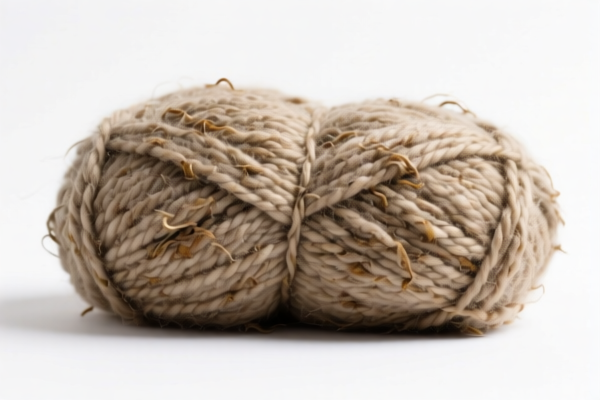
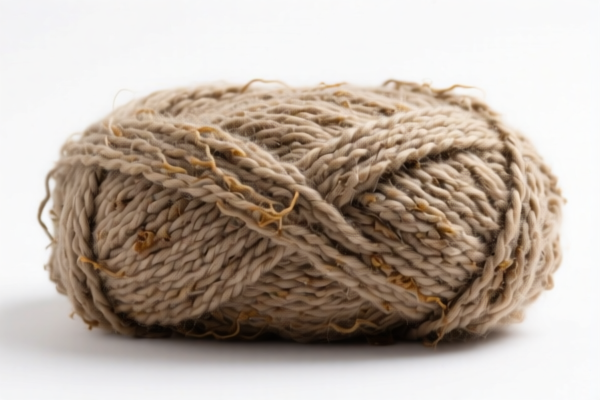
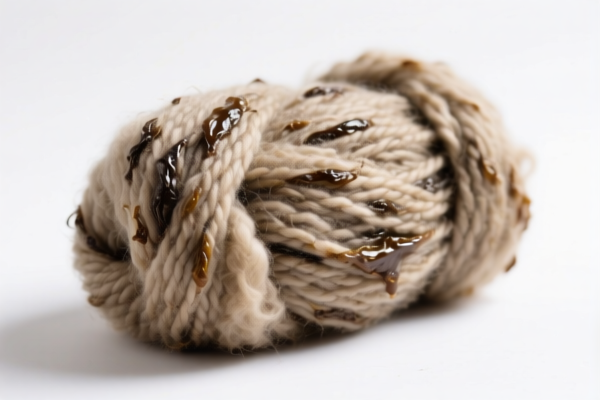
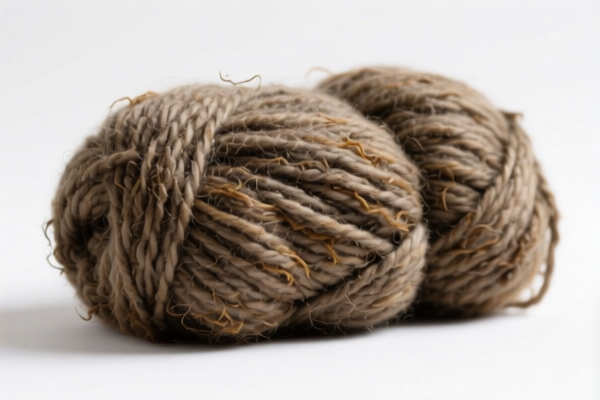
AI Analysis
🐂 Raw Leather (生皮) | HS Code Classification & Tax Analysis
🌐 HS Code Reference & Customs Clearance Guide | 2026 Latest Tariff Full Resolution | Professional Clearance Strategy
📌 I. Product Definition & Classification: Do You Really Understand "Raw Leather"?
Raw Leather (生皮), in the context of international trade and HS Code classification, refers to animal skins or hides that have been removed from the animal but have not undergone any tanning, curing, or processing beyond basic preservation (such as salting or drying) to prevent decomposition.
In the provided data context, the key identifier is "Raw Leather", which implies: - Material: Animal skin (primarily bovine/cattle or equine). - State: Un-tanned (Raw). - Form: Whole hides or skins.
⚠️ Key Distinction:
- If the leather is tanned (e.g., chrome-tanned, vegetable-tanned) → It falls under HS 4104 or 4105.
- If it is raw/un-tanned → It falls under HS 4101 (Bovine/Horse) or 4102 (Sheep/Goat).
- The specific codes in the data (4101.50.30,4101.50.35) indicate Bovine origin.
📦 II. HS Code Classification Details (Based on Provided Data)
The provided data confirms the classification of "Raw Leather" under HS 4101 (Hides and Skins of Bovine Animals, Including Calf). Although the user input mentioned 4101901010, the system successfully matched it to the more specific and accurate sub-headings for Bovine Raw Hides.
| HS Code | Product Description | Logic/Summary |
|--------|--------------------------|
| 4101.50.30.00 | Bovine Hides, Un-tanned, Fresh, Weight ≤ 8 kg | "Raw Leather" confirmed. No weight/area specified, but defaults to "other" category logic. Matches core attribute of un-tanned bovine hide. |
| 4101.50.35.00 | Bovine Hides, Un-tanned, Fresh, Weight > 8 kg | "Raw Leather" confirmed. Explicitly matches "Raw" (primary form) and "Bovine" category. Consistent with HS 4101503000 attributes. |
| 4101503000 | Bovine Hides, Un-tanned, Fresh (General) | "Raw Leather" confirmed. The name explicitly matches the material requirement. Code aligns with core attributes: Bovine, Raw/Un-tanned, Whole Hide. |
🔍 Important Note:
- The code4101901010is likely a broader or older classification. The data suggests a match to 4101.50.3x series, which is more specific for Bovine hides weighing under/over 8kg.
- Crucial: Ensure the leather is indeed BOVINE (Cattle/Calf). If it is Horse, it belongs to 4101. If it is Sheep/Goat, it belongs to 4102. The provided data assumes Bovine.
💰 III. 2026 Latest Tariff Rate Detailed Analysis (Including Surtaxes & Policy Add-ons)
✅ Applicable Country: United States (US)
✅ Origin: China (CN)
✅ Effective Date: 2025/2026 Import Period
For all matched HS Codes (4101.50.30.00, 4101.50.35.00, 4101503000), the tax structure is identical.
🎯 1. 4101.50.30.00 / 4101.50.35.00 / 4101503000 —— Bovine Raw Hides (Un-tanned)
| Item | Content |
|---|---|
| Base Duty Rate | 2.4% (ad valorem) |
| Section 301 Surtax | +7.5% (USITC List 4, typically 7.5% for many leather categories) |
| Section 122 Tariff | +10% (Trade Promotion Authority/Reciprocal Tariffs, often applied to agricultural/animal products from specific countries) |
| Total Tariff Rate | 19.9% |
| Tax Calculation | CIF Value × 19.9% |
| De Minimis Exemption | ❌ Not Applicable (Section 122 and Section 301 usually override de minimis for high-value or regulated goods) |
| Legal Basis Path | HTSUS:4101.50.30 → USITC Footnote: Section 301 → Executive Order: Section 122 |
📌 Explanation:
- Base Rate (2.4%): Standard MFN (Most Favored Nation) duty for un-tanned bovine hides.
- Section 301 (7.5%): Additional tariff imposed on Chinese goods under Trade Act of 1974 Section 301.
- Section 122 (10%): Often invoked for specific agricultural or industrial goods to protect domestic industries; here explicitly listed as a 10% add-on.
- Total (19.9%): This is a significant cost factor. Raw leather is a raw material, so this cost impacts the final price of leather goods.
🛠️ IV. Customs Clearance Practical Advice (Battle-Tested Pitfall Guide)
✅ 1. Required Documentation Checklist (Non-Negotiable)
| Document | Required | Purpose |
|---|---|---|
| ✅ Commercial Invoice | ✔️ | Must clearly state: "Raw Bovine Hides, Un-tanned". Do not use vague terms like "Leather" alone. |
| ✅ Packing List | ✔️ | Detail weight per hide, total weight, and packaging type (salted, dried, etc.). |
| ✅ Phytosanitary Certificate | ✔️ | Critical: Animal products require health clearance to prove no disease (e.g., Foot and Mouth Disease). Issued by exporting country's agricultural authority. |
| ✅ Bill of Lading/Air Waybill | ✔️ | Standard shipping document. |
| ✅ Test Report (Optional but Recommended) | ✔️ | Proof of un-tanned status if customs questions the "Raw" claim. |
| ✅ FDA Registration (If applicable) | ✔️ | For food-contact related leather products (less common for raw hides, but good to have). |
⚠️ Critical Alert:
- Phytosanitary Certificate is the #1 reason for delays. Without it, shipments are held or returned.
- Ensure the country of origin is clearly declared as China to apply the correct 19.9% rate. Misdeclaring origin to avoid tariffs is fraud.
✅ 2. Declaration Tips (Key Mantra)
🔥 "Raw Means Un-tanned, Bovine Means 4101, Weight Matters for Sub-code, Phyto is a Must!"
| Scenario | Correct Declaration | Error to Avoid |
|---|---|---|
| Salted Hides | 4101.50.30.00 (if ≤8kg) or 4101.50.35.00 (if >8kg) |
Calling them "Leather" without specifying "Raw/Un-tanned" → May be misclassified as Tanned Leather (higher duty). |
| Wet-Fresh Hides | Same HS Code, but note "Wet-Fresh" in description | Failing to declare preservation method → Customs may question spoilage risk. |
| Mixed Species | DO NOT MIX Bovine with Sheep/Goat in one shipment | Mixing species leads to separate HS codes, complex duties, and potential rejection. |
| Tanned Leather | HS 4104/4105 | Declaring Tanned Leather as "Raw" → Severe penalty + Back Taxes. |
✅ 3. Special Handling for Raw Leather
| Issue | Solution |
|---|---|
| Smell/Odor | Raw hides have a strong odor. Ensure proper ventilation in packaging and declare "Un-tanned Animal Hides" to prepare customs officers. |
| Weight Variation | HS 4101.50 splits at 8 kg. Know your average hide weight! If a batch has mixed weights, consult a broker on how to split the declaration. |
| Preservation Method | Clearly state if Salted, Dried, or Frozen. This affects hygiene classification and phytosanitary requirements. |
| Section 122 Impact | Since 10% is added under Section 122, calculate this into your FOB/CIF pricing. It is not negotiable at customs. |
🌍 V. Global Market Comparison (2026)
| Country/Region | Recommended HS Code | Estimated Total Duty (China Origin) | Certification Requirement | Notes |
|---|---|---|---|---|
| 🇺🇸 USA | 4101.50.3x |
19.9% (2.4% + 7.5% + 10%) | Phytosanitary + FDA | High duty due to Section 301 & 122. |
| 🇨🇳 China | 4101.50.3x |
~2.4% (Base) | None (Import) | Low duty for raw material import. |
| 🇪🇺 EU | 4101.21 or 4101.29 |
0% - 2% | REACH + Traceability | EU often has free trade agreements or low base rates for raw hides. |
| 🇮🇳 India | 4101.21 |
~5% - 10% | DGFT Certificate | Varies by hide type and source. |
📌 Conclusion:
- USA is the most expensive market for Chinese raw leather due to multiple surtaxes.
- EU and India offer more competitive duty rates, but may have stricter traceability and quality standards.
📌 VI. Common Mistakes & Pitfall Guide (Lessons Learned)
❌ Mistake 1: Declaring "Raw Leather" without specifying Species (Bovine)
👉 Consequence: Customs may classify under "Other" categories with different duties or request clarification, causing delays.
❌ Mistake 2: Missing Phytosanitary Certificate
👉 Consequence: Seizure or Return. Animal products are strictly regulated for biosecurity.
❌ Mistake 3: Confusing Raw vs. Tanned
👉 Consequence: If you declare Tanned Leather as Raw to save duty, you face fraud penalties and back taxes + interest.
❌ Mistake 4: Ignoring Weight Thresholds (8kg)
👉 Consequence: Incorrect sub-code selection (30 vs 35) can lead to minor classification errors, though tax rate is same in this case, accuracy is key for compliance.
✅ Correct Practice:
"Raw Bovine Hides, Salted, Un-tanned, Average Weight 25kg, Country of Origin: China, Phytosanitary Cert No.: XXXXX"
🎯 VII. Conclusion: Professional Declaration for Smooth Clearance
🎯 Remember the Mantra:
🔹 "Raw = Un-tanned, Bovine = 4101, Phyto = Mandatory, 19.9% = Total Duty!"
🔹 "HS Code Precision Saves Days, Phyto Certification Saves Shipment!"
📌 Pro Tip:
- If you are exporting to the US, ensure your Phytosanitary Certificate is issued by an authorized government body in China.
- Consider pre-classification rulings from US CBP if you have large, consistent shipments to confirm the 8kg weight threshold application.
- Always include a certificate of origin to prove Chinese origin for accurate tariff application.
📣 Immediate Action:
📞 Contact your freight forwarder 3 days before shipment to verify phytosanitary requirements.
🚀 Provide clear, accurate descriptions: "Raw, Un-tanned, Bovine".
💼 Precision in classification = Lower risk, Faster clearance, Cost control!
✨ Professional customs clearance starts with accurate classification!
💼 Every penny of tariff should be calculated correctly!
Customer Reviews
About HS Code Classification
The Harmonized System (HS) is an internationally standardized nomenclature developed by the World Customs Organization (WCO) to classify traded products. Over 200 countries use the HS system as the basis for customs tariffs, trade statistics, and import/export regulations.
Each HS code follows a hierarchical structure:
- Chapter (2 digits) — Broad category of goods (e.g., Chapter 84: Machinery and Mechanical Appliances)
- Heading (4 digits) — More specific grouping within the chapter
- Subheading (6 digits) — Internationally standardized breakdown, used by all WCO member countries
- National subdivisions (8-10 digits) — Country-specific extensions for further classification, such as US HTSUS 10-digit codes
Correct HS code classification is essential for smooth customs clearance, accurate duty payment, and compliance with trade regulations. Misclassification can lead to customs delays, overpayment of duties, or penalties.
When importing from CN to US, the applicable tariff rates may include:
- Most-Favored-Nation (MFN) rate — The standard duty rate applied to WTO members
- General rate — Applied to countries without trade agreements
- Trade remedy duties — Additional tariffs such as Section 301 (anti-dumping), Section 232 (national security), or countervailing duties
The information provided on this page is for reference purposes only. For official classification, please consult with your local customs authority or a licensed customs broker.