Raw Leather Offcuts
CN → US| HS Code | Tariff Rate | Origin | Destination | Doc |
|---|---|---|---|---|
| 4107997090 | 15.0% | CN | US | Official Doc |
| 4107998000 | 12.4% | CN | US | Official Doc |
| 4101901020 | 17.5% | CN | US | Official Doc |
| 4101901040 | 17.5% | CN | US | Official Doc |
| 4113903000 | 38.3% | CN | US | Official Doc |
| 4113906000 | 36.6% | CN | US | Official Doc |
Product Images
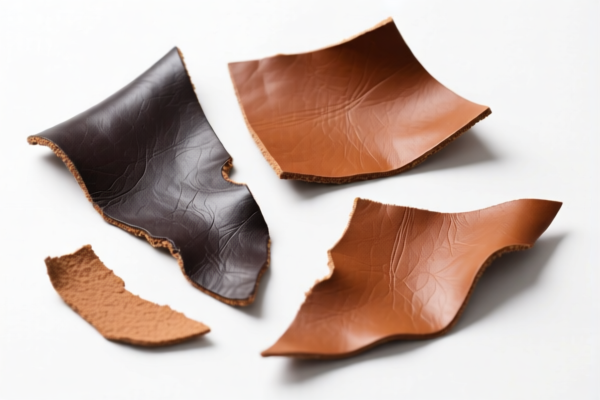
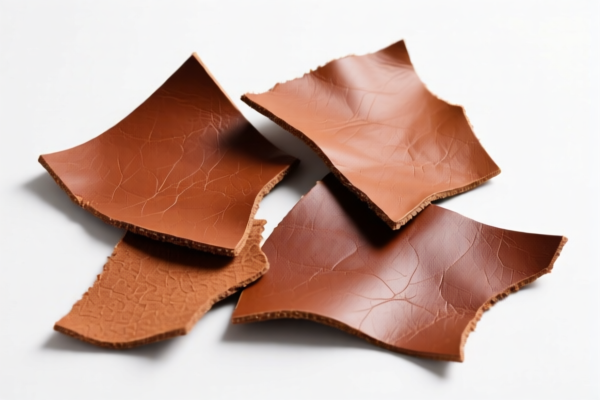
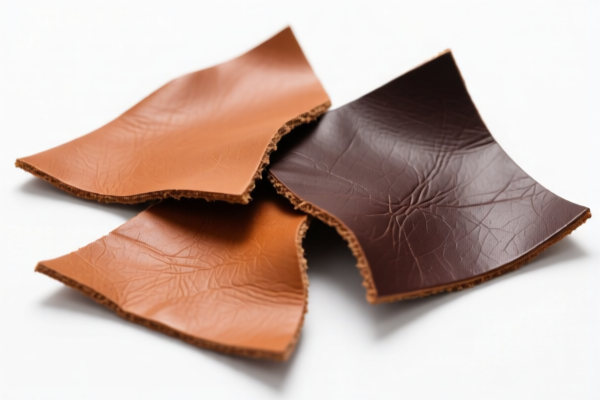
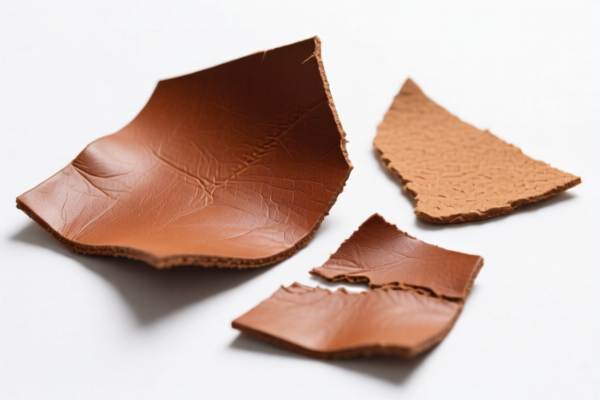
AI Analysis
🐄 Raw Leather Offcuts & Hides | The "Skin" of Global Trade
🌐 HS Code Reference & Customs Clearance Guide | 2024/2025 Latest Tariff Data | Professional Compliance Strategy 📌 Part 1: Product Definition & Classification: What Are "Raw Leather Offcuts"?
In international trade, "Raw Leather Offcuts" refers to scraps, trimmings, or unused portions of raw hides and skins that have not undergone tanning, dressing, or further preparation. These are essentially waste or semi-processed materials derived from bovine (cattle/buffalo) or equine (horse/donkey) animals.
The key distinction lies in the state of preparation: 1. Raw (Un-tanned): Fresh, salted, dried, limed, or pickled. NOT tanned. 2. Finished/Tanned: If the leather has been tanned, crusted, or parchment-dressed, it moves to headings 4104–4113, NOT the raw hide headings.
⚠️ Critical Distinction: - If the material is tanned or further prepared (e.g., suede, nubuck, finished leather), it belongs to Chapter 41 (Headings 4104–4113). - If it is raw (salted/dried/fresh), it belongs to Chapter 41 (Headings 4101–4102). - "Offcuts" generally implies pieces that are not full hides, but HS codes often do not explicitly separate "offcuts" from "full hides" in the raw stage unless specified by country-specific subheadings. However, for tanned leather, the description often shifts to "of other animals" or specific fancy/non-fancy classifications.
📦 Part 2: HS Code Classification Matrix (Based on Provided Data)
| HS Code | Product Description | State of Material | Key Attributes |
|---|---|---|---|
4101.90.10.20 |
Raw Hides/Skins (Bovine): Other, not pretanned, fresh/wet-salted | ✅ Raw | Bovine/Buffalo; Salted/Dried/Fresh; Not tanned |
4101.90.10.40 |
Raw Hides/Skins (Equine): Other, not pretanned | ✅ Raw | Equine (Horse/Donkey); Salted/Dried/Fresh; Not tanned |
4107.99.70.90 |
Tanned Leather (Bovine/Equine): Other, not fancy, no hair | ⛔ Tanned | Further prepared after tanning; No wool/hair; Not fancy |
4107.99.80.00 |
Tanned Leather (Bovine/Equine): Fancy, no hair | ⛔ Tanned | Further prepared after tanning; No wool/hair; Fancy |
4113.90.30.00 |
Leather (Other Animals): Other, not fancy, no wool/hair | ⛔ Tanned | Of other animals (non-bovine/equine); Tanned/Prepared |
4113.90.60.00 |
Leather (Other Animals): Fancy, no wool/hair | ⛔ Tanned | Of other animals (non-bovine/equine); Tanned/Prepared; Fancy |
🔍 Key Insight: - "Offcuts" that are raw fall under 4101. - "Offcuts" that are tanned fall under 4107 (if bovine/equine) or 4113 (if other animals). - "Fancy" vs. "Not Fancy": "Fancy" leather usually implies unique textures, grain patterns, or higher aesthetic value. "Not fancy" is standard commercial leather.
💰 Part 3: 2024/2025 Tariff Rate Breakdown (Detailed Tax Analysis)
✅ Scope: Based on the provided
<DATA>tax details. ✅ Components: Base Tariff + Additional Import Duty (e.g., Section 301).
🎯 1. Raw Hides (Un-tanned)
HS Codes: 4101.90.10.20 (Bovine) & 4101.90.10.40 (Equine)
| Item | Details |
|---|---|
| Base Tariff | 0.0% (Generally low or zero for raw agricultural by-products) |
| Additional Duty | 7.5% |
| Total Tax Rate | 7.5% |
| Tax Formula | CIF Value × 7.5% |
| Applicability | Applies to all raw bovine/equine hides/skins, including offcuts, as long as they are not pretanned. |
📌 Explanation: - Raw hides are often considered primary agricultural products. - The 7.5% additional duty may reflect specific trade policies or retaliatory tariffs depending on the origin country (e.g., China vs. US trade relations). - No distinction is made between "full hides" and "offcuts" in the provided tax data for raw hides; both fall under the same rate.
🎯 2. Tanned Leather – Bovine/Equine (Non-Fancy)
HS Code: 4107.99.70.90
| Item | Details |
|---|---|
| Base Tariff | 0.0% |
| Additional Duty | 0.0% |
| Total Tax Rate | 0.0% |
| Tax Formula | CIF Value × 0% |
| Applicability | Tanned leather of bovine/equine animals, without hair, not fancy. |
📌 Explanation: - Standard tanned leather (e.g., for upholstery, belts, standard bags) often enjoys duty-free entry under this specific subheading. - Crucial Condition: Must be "not fancy" and "without hair" (hair removed during tanning).
🎯 3. Tanned Leather – Bovine/Equine (Fancy)
HS Code: 4107.99.80.00
| Item | Details |
|---|---|
| Base Tariff | 2.4% |
| Additional Duty | 0.0% |
| Total Tax Rate | 2.4% |
| Tax Formula | CIF Value × 2.4% |
| Applicability | Tanned leather of bovine/equine animals, without hair, classified as "Fancy". |
📌 Explanation: - "Fancy" leather includes top-grain, embossed, or uniquely textured leathers used for high-end goods. - Slightly higher base tariff (2.4%) reflects its higher value-added status.
🎯 4. Tanned Leather – Other Animals (Non-Fancy)
HS Code: 4113.90.30.00
| Item | Details |
|---|---|
| Base Tariff | 3.3% |
| Additional Duty | 25.0% |
| Total Tax Rate | 28.3% |
| Tax Formula | CIF Value × 28.3% |
| Applicability | Leather of other animals (e.g., sheep, goat, pig, exotic skins) that is tanned/prepared, not fancy, no wool/hair. |
📌 Explanation: - High total tax (28.3%) due to the 25% additional duty. - This likely reflects Section 301 tariffs or similar protective measures on imported leather goods from specific countries.
🎯 5. Tanned Leather – Other Animals (Fancy)
HS Code: 4113.90.60.00
| Item | Details |
|---|---|
| Base Tariff | 1.6% |
| Additional Duty | 25.0% |
| Total Tax Rate | 26.6% |
| Tax Formula | CIF Value × 26.6% |
| Applicability | Leather of other animals that is tanned/prepared, classified as "Fancy", no wool/hair. |
📌 Explanation: - Even though the base tariff is lower (1.6%), the 25% additional duty drives the total to 26.6%. - "Fancy" exotic leathers (e.g., crocodile, python, ostrich) often fall here.
🛠️ Part 4: Customs Clearance Practical Advice (Risk Mitigation)
✅ 1. Classification Strategy: Raw vs. Tanned
- Raw Offcuts: Declare as 4101.xxxx. Ensure documentation explicitly states "RAW," "SALTED," "DRY," or "FRESH." Do not use words like "Tanned," "Finished," or "Leather" without qualification.
- Tanned Offcuts: Declare as 4107 (if bovine/equine) or 4113 (if other). Clearly specify "TANNED," "PREPARED," and "WITHOUT HAIR."
- Mistake Alert: Misdeclaring tanned leather as raw hides can lead to fraud charges or severe penalties. Conversely, misdeclaring raw hides as tanned may result in overpayment of duties.
✅ 2. "Fancy" vs. "Not Fancy" Determination
- "Not Fancy": Standard grain, uniform texture, commercial grade (e.g., upholstery, shoes, belts).
- "Fancy": Unique grain, embossed, aniline-dyed, exotic skin, or premium top-grain used for luxury goods.
- Evidence Required: Provide product samples, catalogs, or supplier declarations to support the "Fancy" or "Not Fancy" claim. Disputes here are common.
✅ 3. "Other Animals" vs. Bovine/Equine
- Bovine: Cattle, Buffalo, Cow, Bull.
- Equine: Horse, Donkey, Mule.
- Other Animals: Sheep, Goat, Pig, Exotic (Alligator, Snake, Ostrich, etc.).
- Documentation: Supplier invoices must specify the animal species. Vague descriptions like "Leather Offcuts" are rejected. Use "Cowhide Offcuts" or "Goatskin Scraps."
✅ 4. Documentation Checklist
| Document | Requirement |
|---|---|
| Commercial Invoice | Must specify: Animal Species, State (Raw/Tanned), Hair On/Off, Fancy/Not Fancy. |
| Packing List | Weight must be accurate (Gross/Net). |
| Bill of Lading/Air Waybill | Consistent with invoice description. |
| Certificate of Origin | Required for determining eligibility for additional duties (if applicable). |
| Product Photos | Show the texture, grain, and any labels to prove "Fancy" status if claimed. |
| Supplier Declaration | Confirming the tanning process and animal source. |
✅ 5. Common Pitfalls & Solutions
| Pitfall | Consequence | Solution |
|---|---|---|
| Vague Description | "Leather Offcuts" | Specify: "Bovine, Tanned, Non-Fancy, Without Hair." |
| Confusing Raw/Tanned | Misclassification Penalty | Use chemical tests or supplier certificates to confirm state. |
| Ignoring "Fancy" Status | Underpayment of Duty | Provide high-res images of grain/texture to justify "Fancy" claim. |
| Wrong Animal Species | Higher Tariff | Verify species on invoice; e.g., Sheep vs. Cow. |
🌍 Part 5: Global Market Comparison (Contextual Insight)
| Market | Raw Hides (4101) | Tanned Bovine (4107) | Tanned Other (4113) | Notes |
|---|---|---|---|---|
| 🇺🇸 USA | 7.5% (Add. Duty) | 0.0% - 2.4% | 26.6% - 28.3% | High tariffs on "Other Animals" leather due to trade policies. |
| 🇪🇺 EU | Low/Zero (MFN) | Low/Zero | Variable | Generally favorable for raw hides; stricter for exotic skins. |
| 🇨🇳 China | Low/Zero | Low/Zero | Variable | Imports raw hides for domestic tanning; exports finished leather. |
📌 Conclusion: - Raw hides are relatively low-tax (7.5%). - Tanned bovine/equine leather is very low-tax (0-2.4%). - Tanned exotic/other animal leather incurs high additional duties (25%), totaling 26-28%.
📌 Part 6: Summary & Actionable Tips
- Identify the Animal: Is it Cow/Horse (Bovine/Equine) or Other (Sheep/Pig/Exotic)?
- Determine the State: Is it Raw (Salted/Dried) or Tanned (Prepared)?
- Assess the Quality: Is it "Fancy" (Luxury/Unique) or "Not Fancy" (Standard)?
- Select HS Code:
- Raw Bovine/Equine:
4101.90.10.20/4101.90.10.40→ 7.5% Tax - Tanned Bovine/Equine (Non-Fancy):
4107.99.70.90→ 0% Tax - Tanned Bovine/Equine (Fancy):
4107.99.80.00→ 2.4% Tax - Tanned Other (Non-Fancy):
4113.90.30.00→ 28.3% Tax - Tanned Other (Fancy):
4113.90.60.00→ 26.6% Tax
- Raw Bovine/Equine:
🎯 Pro Tip: - If you have tanned bovine/equine offcuts, you are in luck! 0-2.4% tax is highly competitive. - If you have tanned exotic/off-animal offcuts, budget for ~27% tax. Consider sourcing from countries with favorable trade agreements if possible.
✨ Professional Classification, Precise Tariffs, Smooth Clearance! 💼 Your leather goods deserve a strategic path to market.
Customer Reviews
About HS Code Classification
The Harmonized System (HS) is an internationally standardized nomenclature developed by the World Customs Organization (WCO) to classify traded products. Over 200 countries use the HS system as the basis for customs tariffs, trade statistics, and import/export regulations.
Each HS code follows a hierarchical structure:
- Chapter (2 digits) — Broad category of goods (e.g., Chapter 84: Machinery and Mechanical Appliances)
- Heading (4 digits) — More specific grouping within the chapter
- Subheading (6 digits) — Internationally standardized breakdown, used by all WCO member countries
- National subdivisions (8-10 digits) — Country-specific extensions for further classification, such as US HTSUS 10-digit codes
Correct HS code classification is essential for smooth customs clearance, accurate duty payment, and compliance with trade regulations. Misclassification can lead to customs delays, overpayment of duties, or penalties.
When importing from CN to US, the applicable tariff rates may include:
- Most-Favored-Nation (MFN) rate — The standard duty rate applied to WTO members
- General rate — Applied to countries without trade agreements
- Trade remedy duties — Additional tariffs such as Section 301 (anti-dumping), Section 232 (national security), or countervailing duties
The information provided on this page is for reference purposes only. For official classification, please consult with your local customs authority or a licensed customs broker.