Raw Lynx Fur
CN → US| HS Code | Tariff Rate | Origin | Destination | Doc |
|---|---|---|---|---|
| 4301800220 | 17.5% | CN | US | Official Doc |
| 4103901190 | 17.5% | CN | US | Official Doc |
| 4103902000 | 20.8% | CN | US | Official Doc |
Product Images
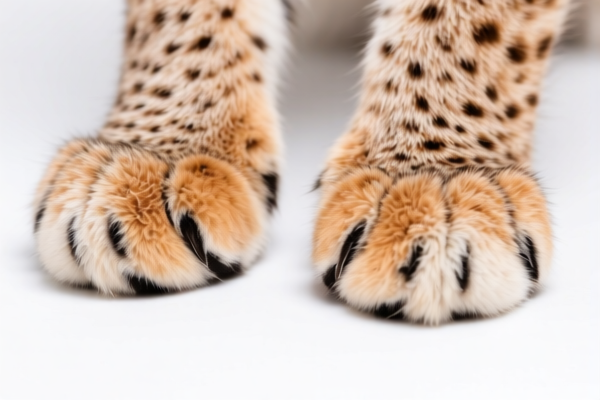
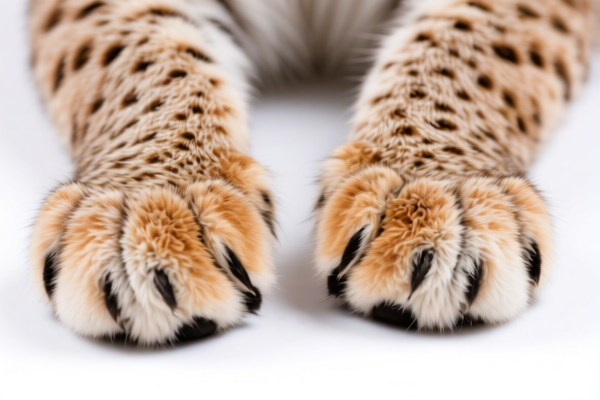
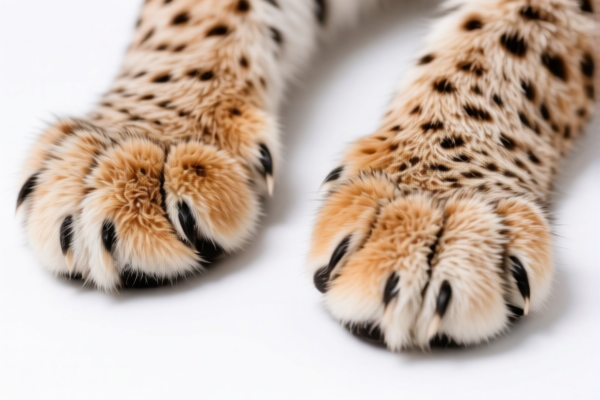
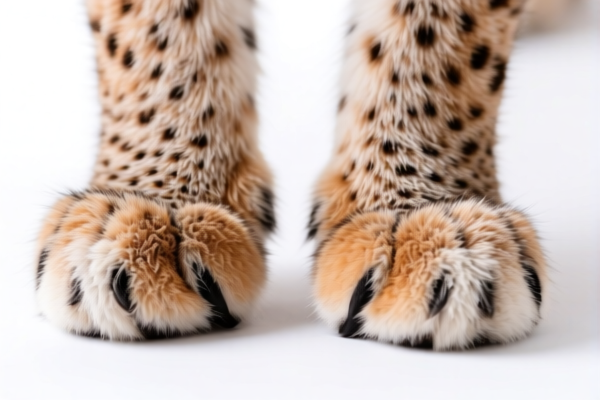
AI Analysis
🐺 Raw Lynx Fur – HS Code & Tariff Guide 2026 | Expert Customs Clearance Strategy
🌐 HS Code Reference & Customs Clearance Handbook | 2026 Updated Tariff Analysis | Professional Import Risk Mitigation
📌 One: Product Definition & Classification – What Exactly Is "Raw Lynx Fur"?
Raw Lynx Fur refers to untreated, unprocessed lynx pelts harvested directly from live or hunted lynx (species: Lynx lynx, Lynx canadensis, etc.), without any tanning, dyeing, or manufacturing. These are considered raw animal hides in their natural state, often used in luxury fashion, high-end fur trimming, or traditional craftsmanship.
⚠️ Critical Distinction: - If the pelt is not tanned, not processed, and retains natural hair and skin structure → Classified as "Raw Pelt" - If it has been tanned, dyed, or cut into pieces → No longer qualifies as "raw" and may fall under different HS codes (e.g., finished fur garments)
📦 Two: HS Code Breakdown (2026 Official Tariff Authority Reference)
| HS Code | Product Description | Classification Basis | Tax Rate |
|---|---|---|---|
4301.80.02.20 |
Raw Lynx Pelt, matched to raw hide material and lynx fur category | Based on species-specific fur type + raw hide form | 17.5% |
4103.90.11.90 |
Raw Lynx Pelt, matched to unprocessed raw hide category and raw hide form | Based on unprocessed hide classification | 17.5% |
4103.90.20.00 |
Raw Lynx Pelt, matched to un-tanned raw hide material requirement | Based on raw, unprocessed hide material | 20.8% |
🔍 Key Insight: - All three codes apply to the same physical product: raw lynx fur pelt - The difference lies in classification logic: -
4301.80.02.20→ Emphasizes fur type & species -4103.90.11.90→ Emphasizes unprocessed raw hide form -4103.90.20.00→ Emphasizes material structure (untanned hide)
💰 Three: 2026 Tariff Breakdown (Detailed Tax Clause Analysis)
✅ Applicable Country: United States (US)
✅ Origin: China (CN) or other non-qualifying nations
✅ Effective Date: November 10, 2025 (and ongoing)
🎯 1. 4301.80.02.20 – Raw Lynx Pelt (Fur Category Focus)
| Item | Detail |
|---|---|
| Base Duty | 0.0% (ad valorem) |
| Additional Tariff (Section 301) | +7.5% (from USITC Section 301 List 3) |
| Section 122 Tariff (IEEPA) | +10.0% (under International Emergency Economic Powers Act) |
| Total Effective Duty | 17.5% |
| Tax Calculation | CIF Value × 17.5% |
| De Minimis Exemption | ❌ Not applicable (denied under 19 CFR §181.12) |
| Legal Basis Path | IEEPA:9903.01.25 → USITC:4301.80.02.20 → FOOTNOTE:9903.88.01 |
📌 Explanation: - 7.5% from Section 301 (USITC): Tariff imposed due to unfair trade practices (China-specific) - 10% from IEEPA: Emergency economic powers law targeting goods from China, Hong Kong, and other designated countries - No base duty → but 17.5% total due to two layered punitive tariffs
🎯 2. 4103.90.11.90 – Raw Lynx Pelt (Unprocessed Hide Form)
| Item | Detail |
|---|---|
| Base Duty | 0.0% |
| Additional Tariff (Section 301) | +7.5% |
| Section 122 Tariff (IEEPA) | +10.0% |
| Total Effective Duty | 17.5% |
| Tax Calculation | CIF × 17.5% |
| De Minimis Exemption | ❌ Not allowed |
| Legal Basis Path | IEEPA:9903.01.25 → USITC:4103.90.11.90 → FOOTNOTE:9903.88.01 |
📌 Note: - Same total tax as
4301.80.02.20- This code is more suitable if the pelt is classified primarily as raw hide, not fur - Used in industrial or leather processing contexts
🎯 3. 4103.90.20.00 – Raw Lynx Pelt (Untanned Hide Material)
| Item | Detail |
|---|---|
| Base Duty | 3.3% (ad valorem) |
| Additional Tariff (Section 301) | +7.5% |
| Section 122 Tariff (IEEPA) | +10.0% |
| Total Effective Duty | 20.8% |
| Tax Calculation | CIF × 20.8% |
| De Minimis Exemption | ❌ Not allowed |
| Legal Basis Path | IEEPA:9903.01.25 → USITC:4103.90.20.00 → FOOTNOTE:9903.88.01 |
📌 Critical Insight: - 3.3% base duty is the only difference from the other two codes - This code is most restrictive and highest in cost - Applies when the pelt is classified under "untanned raw hide" with no fur-specific recognition - Not recommended unless the product is not fur-based in nature
🛠️ Four: Customs Clearance Best Practices (Pro Tips to Avoid Penalties)
✅ 1. Required Documentation (Must-Have List)
| Document | Required? | Purpose |
|---|---|---|
| ✅ Product Specification Sheet | ✔️ | Include species, size, weight, hair length, skin condition |
| ✅ High-Resolution Photos (360°) | ✔️ | Show natural hair, skin texture, pelt edges, and branding |
| ✅ Commercial Invoice | ✔️ | Must state: “Raw Lynx Pelt – Untanned, Unprocessed, for Fur Use” |
| ✅ Certificate of Origin (CO) | ✔️ | If from non-China origin, may qualify for lower tariffs |
| ✅ CITES Permit (if applicable) | ✔️ | Mandatory for all lynx products – even if not traded commercially |
| ✅ Fur Product Declaration Form | ✔️ | Required by U.S. Fish & Wildlife Service (USFWS) |
| ✅ Packing List | ✔️ | Detail number of pelts, weight, packaging type |
📌 Warning:
- CITES (Convention on International Trade in Endangered Species) strictly regulates lynx trade
- All raw lynx pelts are CITES Appendix I → export/import requires permit
- No CITES permit = seizure + fines up to $100,000 + criminal charges
✅ 2.申报技巧(Key Declaration Rules)
🔥 “Species First, Form Second, CITES Always!”
| Scenario | Correct HS Code | Wrong Choice | Risk |
|---|---|---|---|
| Raw pelt, fur intact, no processing | 4301.80.02.20 |
4103.90.20.00 |
Higher tax (20.8% vs 17.5%) |
| Pelt used in leather processing, fur removed | 4103.90.11.90 |
4301.80.02.20 |
Misclassification → audit risk |
| Pelt with partial tanning | ❌ Not eligible for any "raw" code | 4103.90.20.00 |
Violation of "raw" definition |
✅ 3. Special Handling & Exceptions
| Situation | Recommended Action |
|---|---|
| CITES Permit not issued | ❌ Do not import – high risk of seizure |
| Pelt from non-Appendix I species | Verify species ID – some lynx subspecies are not fully protected |
| Pelt from sustainable breeding farm | Still requires CITES permit – no exemption |
| Used in traditional crafts (e.g., Native American regalia) | Apply for CITES Article X exemption – requires documentation |
| Pelt for museum or scientific research | Apply for non-commercial use permit – valid for 1 year |
🌍 Five: Global Market Comparison (2026 Tariff Snapshot)
| Country/Region | Recommended HS Code | Base Duty | Additional Taxes | CITES Required? | Notes |
|---|---|---|---|---|---|
| 🇺🇸 United States | 4301.80.02.20 |
0.0% | +7.5% (301) +10% (IEEPA) = 17.5% | ✅ Yes | Highest risk |
| 🇨🇳 China | 4301.80.02.20 |
5% | None | ✅ Yes | No 301/IEEPA |
| 🇪🇺 European Union | 4301.80.02.20 |
0% (if CITES compliant) | None | ✅ Yes | Strict CITES enforcement |
| 🇨🇦 Canada | 4301.80.02.20 |
0% | None | ✅ Yes | No 301/IEEPA |
| 🇦🇺 Australia | 4301.80.02.20 |
0% | None | ✅ Yes | Requires CITES permit |
📌 Conclusion: - USA is the most restrictive due to 301 + IEEPA tariffs - CITES is universal – no country allows trade without permit - China and EU are more lenient on tariffs, but still require CITES
📌 Six: Common Mistakes & Pitfalls (Avoid These!)
❌ Mistake 1: Declaring raw lynx pelt as “fashion accessory” or “decorative item”
👉 Result: Misclassification → 45%+ penalties + seizure
❌ Mistake 2: Skipping CITES permit for a pelt from China
👉 Result: Immediate seizure, fines, blacklisting
❌ Mistake 3: Using 4103.90.20.00 for fur-based pelts
👉 Result: Higher tax (20.8%) than necessary (17.5%) → unnecessary cost
❌ Mistake 4: Not providing photos showing natural fur and skin
👉 Result: Customs delays, request for sample inspection
✅ Correct Declaration Phrase:
“Raw Lynx Pelt – Lynx lynx, Untanned, Unprocessed, Natural Hair, CITES Permit No. XXXX-2025, For Use in Luxury Fur Craft”
🎯 Seven: Final Verdict – Smart Import Strategy
🔹 Best HS Code:
4301.80.02.20– lowest tax (17.5%), fur-specific, widely accepted
🔹 Avoid:4103.90.20.00unless pelt is not fur-based
🔹 Always: CITES Permit + Full Documentation
📌 Pro Tip:
If your raw lynx fur is from a CITES-approved breeding facility or non-commercial use (museum, research), apply for an exemption via USFWS Article X – can reduce or eliminate tariffs.
📣 Act Now:
📞 Contact a CITES-licensed customs broker
📝 Submit HS Code pre-ruling request
🚀 Secure CITES permit before shipment
✨ Professional Customs Starts with Precision
💼 Your product’s fate depends on one HS code — get it right the first time!
Customer Reviews
About HS Code Classification
The Harmonized System (HS) is an internationally standardized nomenclature developed by the World Customs Organization (WCO) to classify traded products. Over 200 countries use the HS system as the basis for customs tariffs, trade statistics, and import/export regulations.
Each HS code follows a hierarchical structure:
- Chapter (2 digits) — Broad category of goods (e.g., Chapter 84: Machinery and Mechanical Appliances)
- Heading (4 digits) — More specific grouping within the chapter
- Subheading (6 digits) — Internationally standardized breakdown, used by all WCO member countries
- National subdivisions (8-10 digits) — Country-specific extensions for further classification, such as US HTSUS 10-digit codes
Correct HS code classification is essential for smooth customs clearance, accurate duty payment, and compliance with trade regulations. Misclassification can lead to customs delays, overpayment of duties, or penalties.
When importing from CN to US, the applicable tariff rates may include:
- Most-Favored-Nation (MFN) rate — The standard duty rate applied to WTO members
- General rate — Applied to countries without trade agreements
- Trade remedy duties — Additional tariffs such as Section 301 (anti-dumping), Section 232 (national security), or countervailing duties
The information provided on this page is for reference purposes only. For official classification, please consult with your local customs authority or a licensed customs broker.