Raw Material (cm³)
CN → US| HS Code | Tariff Rate | Origin | Destination | Doc |
|---|---|---|---|---|
| 7204410080 | 35.0% | CN | US | Official Doc |
| 3915900010 | 35.0% | CN | US | Official Doc |
| 7204490080 | 35.0% | CN | US | Official Doc |
| 3915900090 | 35.0% | CN | US | Official Doc |
Product Images
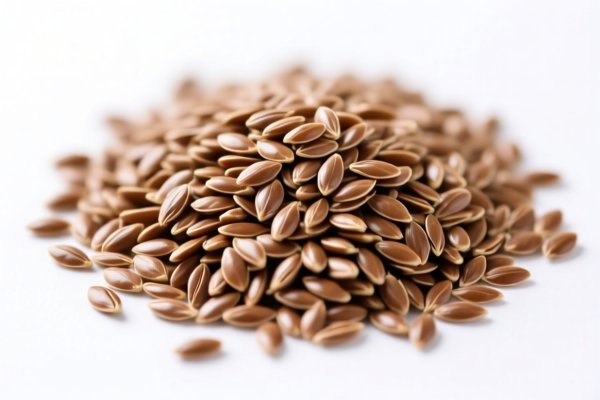
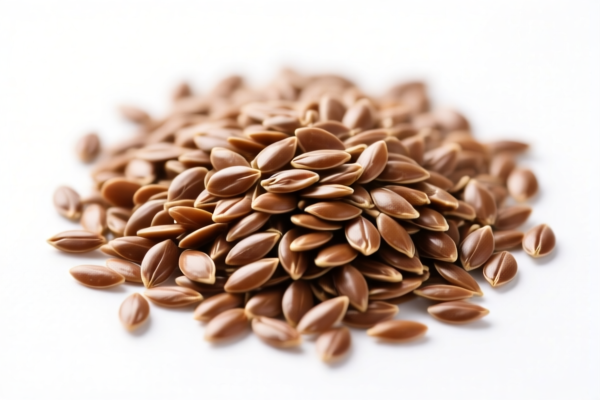
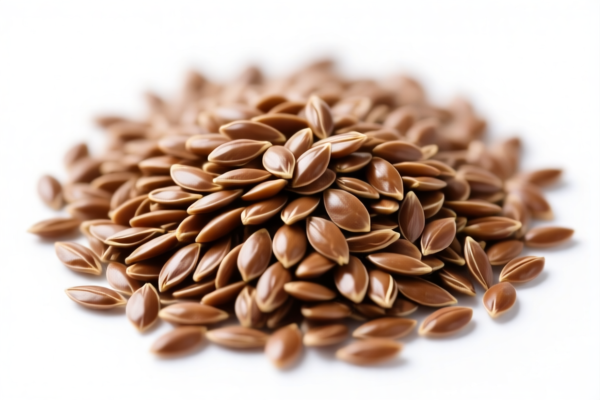
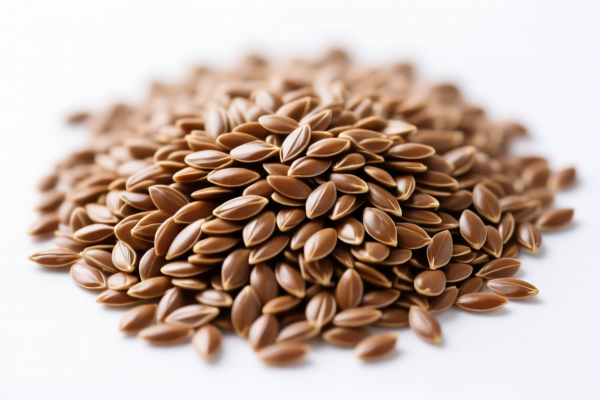
AI Analysis
🧱 Raw Material (cm³) – Comprehensive HS Code & Tariff Guide (2026 Edition)
🌐 HS Code Classification & Customs Clearance Strategy | 2026 Updated Tariff Rules | Expert-Level Compliance Framework
📌 One: Product Definition & Classification – What Exactly Is “Raw Material (cm³)” in Trade?
In international trade, "Raw Material (cm³)" is not a standalone product — it refers to waste, parings, and scrap materials generated during the processing of plastics or ferrous metals. These materials are typically non-reusable in their original form, but can be recycled or remelted for industrial reprocessing.
⚠️ Key Distinction:
- Plastic waste (e.g., PET, other plastics) → Classified under 3915.90.00
- Ferrous metal scrap (e.g., iron, steel turnings, shavings) → Classified under 7204.41.00 / 7204.49.00
- Not raw virgin material — this is post-industrial or post-consumer waste.
📦 Two: HS Code Classification Details (2026 Official Tariff Table)
| HS Code | Product Description | Applicable Use Case | Waste Type |
|---|---|---|---|
3915.90.00.10 |
Waste, parings and scrap of polyethylene terephthalate (PET) plastics | Recycled PET flakes, bottle caps, film scraps | ✅ PET Plastic Waste |
3915.90.00.90 |
Waste, parings and scrap of other plastics (non-PET) | PVC, PP, PS, ABS, HDPE scraps, industrial trimmings | ✅ Other Plastics Waste |
7204.41.00.80 |
Turnings, shavings, chips, milling waste, sawdust, filings, trimmings of ferrous metals (iron/steel) | Machining by-products, metal swarf, factory offcuts | ✅ Ferrous Metal Turnings |
7204.49.00.80 |
Other waste and scrap of ferrous metals (not turnings) | Bulk scrap, shredded steel, cast iron chunks, broken rails | ✅ General Ferrous Scrap |
🔍 Critical Insight:
- PET waste must be clearly identified as PET — otherwise, it falls under 3915.90.00.90.
- Ferrous scrap with no specific shape or form (e.g., mixed chunks) → Use7204.49.00.80.
- Metal turnings/shavings → Must be declared under7204.41.00.80, even if mixed with dust.
💰 Three: 2026 Updated Tariff Breakdown (With附加 Taxes & Legal Basis)
✅ Applicable Country: United States (US)
✅ Origin: China (CN)
✅ Effective Date: November 10, 2025 (and ongoing)
🎯 1. 3915.90.00.10 — PET Plastic Waste
| Item | Detail |
|---|---|
| Base Tariff | 0% (ad valorem) |
| USITC Additional Duty | +25% (under Section 301) |
| IEEPA Additional Duty | +10% (International Emergency Economic Powers Act) |
| Total Effective Duty | 45% |
| Tax Calculation | CIF Value × 45% |
| De Minimis Exemption? | ❌ No (denied under US law) |
| Legal Pathway | IEEPA:9903.01.25 → USITC:3915.90.00.10 → FOOTNOTE:9903.88.01 |
📌 Explanation:
- USITC 25% = Section 301 Tariff on Chinese-origin plastic waste.
- IEEPA 10% = Emergency economic powers tariff on goods from China/Hong Kong.
- Total = 45% — one of the highest tariffs in the recycling sector.
🎯 2. 3915.90.00.90 — Other Plastic Waste (Non-PET)
| Item | Detail |
|---|---|
| Base Tariff | 0% |
| USITC Additional Duty | +25% |
| IEEPA Additional Duty | +10% |
| Total Effective Duty | 45% |
| Tax Calculation | CIF × 45% |
| De Minimis Exemption? | ❌ No |
| Legal Pathway | IEEPA:9903.01.24 → USITC:3915.90.00.90 → FOOTNOTE:9903.88.01 |
📌 Note:
- Applies to all non-PET plastic scrap — including PVC, PP, PS, ABS, HDPE, etc.
- Even if the material is clean and sorted, the 45% rate applies if origin is China.
🎯 3. 7204.41.00.80 — Ferrous Metal Turnings & Shavings
| Item | Detail |
|---|---|
| Base Tariff | 0% |
| USITC Additional Duty | +25% |
| IEEPA Additional Duty | +10% |
| Total Effective Duty | 45% |
| Tax Calculation | CIF × 45% |
| De Minimis Exemption? | ❌ No |
| Legal Pathway | IEEPA:9903.01.24 → USITC:7204.41.00.80 → FOOTNOTE:9903.88.01 |
📌 Critical Point:
- Turnings, shavings, chips — even if small in size — are subject to 45% duty.
- No distinction between clean vs. dirty — all qualify under this code.
🎯 4. 7204.49.00.80 — Other Ferrous Waste & Scrap (General)
| Item | Detail |
|---|---|
| Base Tariff | 0% |
| USITC Additional Duty | +25% |
| IEEPA Additional Duty | +10% |
| Total Effective Duty | 45% |
| Tax Calculation | CIF × 45% |
| De Minimis Exemption? | ❌ No |
| Legal Pathway | IEEPA:9903.01.24 → USITC:7204.49.00.80 → FOOTNOTE:9903.88.01 |
📌 Important:
- Applies to bulk, mixed, or unsorted ferrous scrap (e.g., shredded steel, cast iron chunks).
- Even if recycled, if origin is China, the 45% tariff applies.
🛠️ Four: Customs Clearance Best Practices (Pro Tips to Avoid Penalties)
✅ 1. Required Documentation (Must-Have Checklist)
| Document | Required? | Notes |
|---|---|---|
| ✅ Product Specifications | ✔️ | Include material type, origin, particle size, moisture content |
| ✅ Waste Certificates (e.g., ISO 14001, WEEE) | ✔️ | Prove recyclability & environmental compliance |
| ✅ Commercial Invoice | ✔️ | Clearly state: “Waste, parings, and scrap — [Material Type]” |
| ✅ Packing List | ✔️ | Show weight, volume (cm³), packaging type |
| ✅ Origin Certificate (CO) | ✔️ | If from non-China country, may qualify for lower duty |
| ✅ Lab Test Report | ✔️ | For contamination level (e.g., non-plastic in PET scrap) |
| ✅ Photos of Material (in bulk) | ✔️ | Show appearance, color, form (e.g., chips vs. flakes) |
✅ 2.申报技巧 (Declaration Strategy – Key Rules)
🔥 "Material First, Form Second, Origin Last – or Risk 45%!"
| Scenario | Correct HS Code | Wrong Code | Risk |
|---|---|---|---|
| PET plastic flakes | 3915.90.00.10 |
3915.90.00.90 |
→ Higher duty |
| Mixed plastic scraps | 3915.90.00.90 |
3915.90.00.10 |
→ Under-declaration |
| Metal turnings (shavings) | 7204.41.00.80 |
7204.49.00.80 |
→ Higher risk of audit |
| Bulk steel scrap | 7204.49.00.80 |
7204.41.00.80 |
→ Incorrect classification |
📌 Pro Tip:
- Always specify “waste, parings, and scrap” in the product description.
- Never use terms like “raw material” or “recycled feedstock” — they trigger higher scrutiny.
✅ 3. Special Cases & Solutions
| Situation | Recommended Action |
|---|---|
| Mixed waste (plastic + metal) | Declare separately — split shipment to avoid misclassification |
| Plastic waste from non-China origin (e.g., Vietnam, Mexico) | Apply for IEEPA exemption — duty may drop to 0%–5% |
| Ferrous scrap with high contamination | Provide lab report to prove recyclability — may reduce risk of rejection |
| Small volume shipments (under $1,500) | Still subject to 45% — no de minimis for these codes |
| Re-exporting to third country | Declare as “goods in transit” — may avoid US tariffs |
🌍 Five: Global Customs Comparison (2026)
| Country/Region | Recommended HS Code | Tariff | Certification | Notes |
|---|---|---|---|---|
| 🇺🇸 USA | 3915.90.00.10 / 7204.41.00.80 |
45% | None (but documentation required) | No de minimis |
| 🇨🇳 China | 3915.90.00.10 |
5% | CCC | Domestic recycling policy |
| 🇪🇺 EU | 3915.90.00.10 |
0% (if CE) | CE, WEEE | No additional tariffs |
| 🇦🇺 Australia | 3915.90.00.10 |
5% | RCM | No extra duties |
| 🇯🇵 Japan | 3915.90.00.10 |
0% | PSE | No附加税 |
📌 Conclusion:
- USA is the only market imposing 45% on recycled waste.
- China-origin waste is hit hardest — consider re-routing via Vietnam/Mexico.
📌 Six: Common Mistakes & How to Avoid Them (Real Cases)
❌ Mistake 1: Declaring PET scrap as “other plastics” → 45% duty applies anyway
👉 Fix: Use 3915.90.00.10 only for PET — otherwise, you’re still paying 45%.
❌ Mistake 2: Calling metal shavings “scrap” → incorrect code
👉 Fix: Use 7204.41.00.80 for turnings/shavings, not 7204.49.00.80.
❌ Mistake 3: Assuming “small volume” = “no duty”
👉 Fix: No de minimis for these codes — even $100 shipment pays 45%.
❌ Mistake 4: Not providing photos or lab reports
👉 Fix: Always include visual proof — customs may reject without it.
✅ Correct Declaration Example:
“Waste, parings and scrap of polyethylene terephthalate (PET) plastics, in flakes, 500 kg, 3915.90.00.10, origin: China, CIF $1,200, FCC & WEEE compliant”
🎯 Seven: Final Verdict – Master the Code, Master the Cost
🎯 Remember the Golden Rule:
🔹 “PET → 3915.90.00.10 | Other Plastics → 3915.90.00.90 | Turnings → 7204.41.00.80 | Bulk Scrap → 7204.49.00.80”
🔹 “If China-origin, expect 45% — no exceptions.”
📌 Pro Tip:
✅ Apply for Advance Ruling (Pre-Approval) before shipping — avoid costly delays.
✅ Use non-China origin (e.g., Vietnam, Mexico, India) to avoid 45%.
✅ Split mixed waste into separate shipments — reduce audit risk.
📣 Take Action Now:
📞 Contact a customs broker with recycling expertise
🚀 Submit product specs + photos + origin proof for HS Code pre-approval
💼 Turn waste into profit — not a tax burden!
✨ Your Waste, Your Cost, Your Control — Classify Right, Pay Less, Ship Faster!
💼 Precision in classification = Profit in logistics.
Customer Reviews
About HS Code Classification
The Harmonized System (HS) is an internationally standardized nomenclature developed by the World Customs Organization (WCO) to classify traded products. Over 200 countries use the HS system as the basis for customs tariffs, trade statistics, and import/export regulations.
Each HS code follows a hierarchical structure:
- Chapter (2 digits) — Broad category of goods (e.g., Chapter 84: Machinery and Mechanical Appliances)
- Heading (4 digits) — More specific grouping within the chapter
- Subheading (6 digits) — Internationally standardized breakdown, used by all WCO member countries
- National subdivisions (8-10 digits) — Country-specific extensions for further classification, such as US HTSUS 10-digit codes
Correct HS code classification is essential for smooth customs clearance, accurate duty payment, and compliance with trade regulations. Misclassification can lead to customs delays, overpayment of duties, or penalties.
When importing from CN to US, the applicable tariff rates may include:
- Most-Favored-Nation (MFN) rate — The standard duty rate applied to WTO members
- General rate — Applied to countries without trade agreements
- Trade remedy duties — Additional tariffs such as Section 301 (anti-dumping), Section 232 (national security), or countervailing duties
The information provided on this page is for reference purposes only. For official classification, please consult with your local customs authority or a licensed customs broker.