Raw Material for Leather Bags
CN → US| HS Code | Tariff Rate | Origin | Destination | Doc |
|---|---|---|---|---|
| 4114100000 | 38.2% | CN | US | Official Doc |
| 4114207000 | 36.6% | CN | US | Official Doc |
| 4104112000 | 37.4% | CN | US | Official Doc |
| 4107117050 | 15.0% | CN | US | Official Doc |
| 4104412000 | 37.4% | CN | US | Official Doc |
| 4107127050 | 15.0% | CN | US | Official Doc |
Product Images
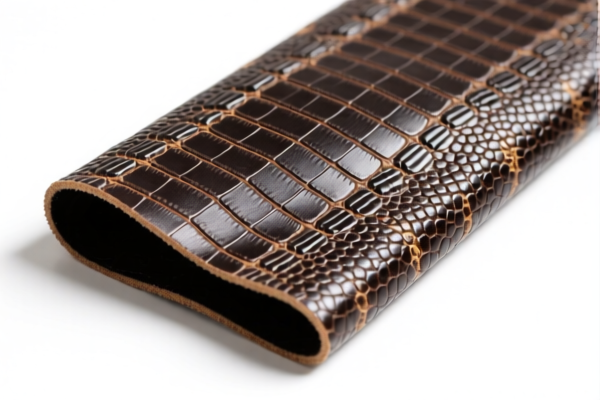
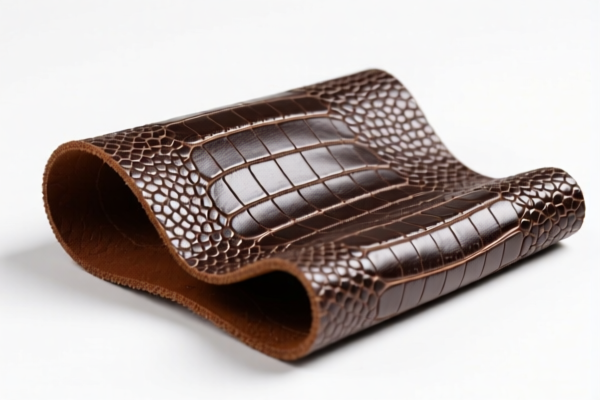
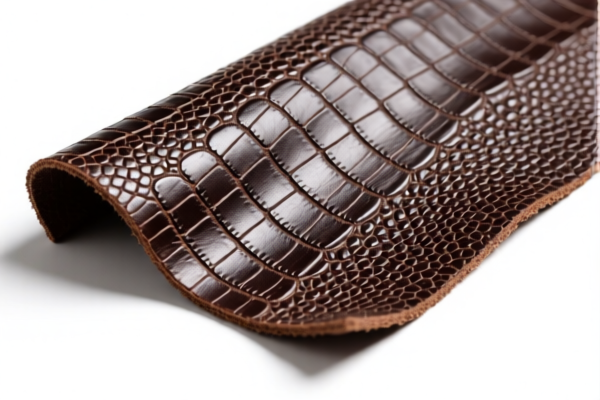
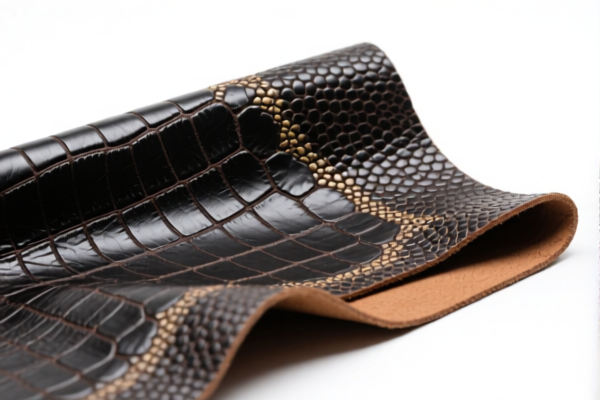
AI Analysis
🎒 Raw Material for Leather Bags (Leather & Fur Raw Materials)
🌐 HS Code Reference & Customs Clearance Guide | 2026 Latest Tariff Analysis | Professional Entry Strategy for US Market
📌 Part 1: Product Definition & Classification: What is "Leather Raw Material" for Bags?
Leather raw materials for bags are primarily categorized under Chapter 41 of the Harmonized System (HS). The classification depends heavily on the animal species (cow, horse, suede/deerskin, etc.), the tanning process (chrome-tanned, vegetable-tanned), and the physical state (raw hide, split leather, suede).
In international trade, these are distinct from finished bags (Chapter 42) or accessories (Chapter 42/63).
⚠️ Key Distinction Point:
- Suede / Nubuck: Falls under 4114.10. This is often the most heavily taxed category due to specific US trade policies.
- Chrome-Tanned Cow/Horse Skin: Falls under 4104. High tariffs apply due to Section 301 measures.
- Raw/Undyed Tanned Leather (Basic): Falls under 4107. Generally has zero Section 301 surcharge, making it the most cost-effective route if applicable.
- Other/Unspecified Leather: Falls under 4114.20 (Other). Also heavily taxed.
📦 Part 2: HS Code Classification Matrix (2026 Official Tariff Data)
The following table maps your potential HS codes from the provided data to their specific descriptions and tax implications.
| HS Code | Product Description & Logic | Material/State | Key Characteristic |
|---|---|---|---|
| 4114.10.00.00 | Suede & Nubuck Leather | Suede/Comb Suede | Matched to "Suede" category; raw material state. |
| 4114.20.70.00 | Other Leather | General Leather | "Other" category; fallback rule; not specifically suede or chrome-tanned cow/horse. |
| 4104.11.20.00 | Chrome-Tanned Cow/Horse Hide | Chrome-Tanned | Tanned, split, dyed; Cow/Horse specific. |
| 4107.11.70.50 | Other Tanned Leather | Basic Tanned | Low Tax Option: Matches raw/primary product features; minimal processing. |
| 4104.41.20.00 | Cow/Horse Leather (Other) | Tanned/Dried | Dry or tanned Cow/Horse; not specifically chrome-tanned split. |
| 4107.12.70.50 | Other Tanned Cow/Horse | Tanned Cow/Horse | Low Tax Option: Specific to Cow/Horse but in "Other Tanned" category (not 4104/4105). |
🔍 Critical Insight:
- Codes ending in 4104 and 4114 attract 25% Section 301 Tariffs.
- Codes ending in 4107 (specifically the "Other Tanned" subheadings like 4107.11/12) generally have 0% Section 301 Tariffs, reducing total cost significantly.
- Always verify the Tanning Process: Chrome tanning usually pushes goods into 4104/4105 (high tax), while vegetable or "other" tanning may fall into 4107 (low tax).
💰 Part 3: 2026 Detailed Tariff Structure (US Market)
✅ Applicable Country: United States (US)
✅ Origin: China (CN)
✅ Effective Date: Current policies (Section 301 & IEEPA)
🎯 1. High-Tax Scenarios: Suede & Chrome-Tanned Leather
Applies to HS Codes:
- 4114.10.00.00 (Suede)
- 4114.20.70.00 (Other)
- 4104.11.20.00 (Chrome-Tanned Cow)
- 4104.41.20.00 (Cow/Horse Other)
| Item | Rate | Detail |
|---|---|---|
| Base MFN Rate | 1.6% - 3.2% | Standard Most Favored Nation duty. |
| Section 301 Surcharge | +25.0% | "301 Footnote" – High penalty on Chinese leather products. |
| IEEPA 122 Clause | +10.0% | Additional levy on Chinese imports. |
| Total Effective Tax | 36.6% - 38.2% | High Cost Category |
| Calculation | CIF Value × Total % |
📌 Explanation:
- These categories are deemed "finished" or "highly processed" or specifically targeted by trade wars.
- Suede (4114.10): Highest burden at 38.2% due to 3.2% base + 25% + 10%.
- Chrome-Tanned (4104): Burden at 37.4% due to 2.4% base + 25% + 10%.
🎯 2. Low-Tax Scenario: "Other Tanned" Leather (Strategic Classification)
Applies to HS Codes:
- 4107.11.70.50
- 4107.12.70.50
| Item | Rate | Detail |
|---|---|---|
| Base MFN Rate | 5.0% | Higher base rate than chrome-tanned, but... |
| Section 301 Surcharge | 0.0% | Exempt from 25% tariff! |
| IEEPA 122 Clause | +10.0% | Still applies 10% IEEPA. |
| Total Effective Tax | 15.0% | Low Cost Category |
| Calculation | CIF Value × 15% |
📌 Explanation:
- Why is it cheaper? The 25% Section 301 tariff specifically targets certain leather subheadings (like 4104, 4105, 4114). Subheadings under 4107 ("Other Tanned") are often exempt from the 301 surcharge.
- Strategy: If your leather can be legitimately classified as "Other Tanned" (e.g., vegetable-tanned, or specific "other" treatments rather than standard chrome), you save ~22-23% in taxes.
- Risk: Misclassifying chrome-tanned leather as "4107" will lead to customs penalties. Must match physical properties.
🛠️ Part 4: Customs Clearance Practical Advice
✅ 1. Documentation Checklist (Essential for Clearance)
| Document | Required? | Purpose |
|---|---|---|
| ✅ Commercial Invoice | ✔️ | Must clearly state: "Leather Raw Material for Bags," material composition, tanning method. |
| ✅ Packing List | ✔️ | Details weight, dimensions, number of hides/sheets. |
| ✅ Tanning Certificate | ✔️ | Crucial: Specifies tanning agent (Chrome, Vegetable, Aldehyde). Determines if it's 4104 or 4107. |
| ✅ Product Specifications | ✔️ | Thickness, grain, split vs. full grain, color, finish (Suede/Nubuck vs. Smooth). |
| ✅ Photo Evidence | ✔️ | High-res photos of the hide, showing texture (suede nap) and cross-section. |
| ✅ Origin Certificate (CO) | ✔️ | Proves Chinese origin; triggers IEEPA 10% but helps with base rate verification. |
✅ 2. Classification Strategy & Avoiding Pitfalls
| Scenario | Correct Classification | Tax Rate | Wrong Classification Risk |
|---|---|---|---|
| Suede/Nubuck | 4114.10.00.00 |
38.2% | Misclassifying as "Other" → 36.6% (Still high, but minor saving). |
| Chrome-Tanned Cow | 4104.11.20.00 |
37.4% | Misclassifying as "Raw" → Smuggling/False Declaration risk. |
| Vegetable/Other Tanned | 4107.11/12 |
15.0% | Misclassifying Chrome as "Other Tanned" → Severe Penalty + Back Taxes. |
| Split Leather | Check 4104 vs 4114 | High Tax | Confusing "Split" with "Suede". Split is 4104; Suede is 4114. |
🔥 Key Tip:
"Suede is King of Taxes" – Suede (4114) often faces the highest base rate. If you are using "Split Leather" that is not sanded to a suede nap, ensure it is classified as 4104, not 4114, to avoid the 3.2% base vs 1.6% base difference (though both are high due to 301).
✅ 3. Special Customs Notes
| Situation | Recommendation |
|---|---|
| OEM Custom Leather | Provide design specs. If the leather is treated for a specific bag manufacturer, ensure the description matches the material, not the final bag. |
| Mixed Shipments | If a shipment contains both Suede (4114) and Tanned Cow (4104), separate the lines on the invoice. Do not average the tax; each line is taxed individually. |
| Sample vs. Bulk | Samples may qualify for de minimis if under $800, but Leather from China usually does NOT qualify for de minimis exemption under current IEEPA rules for high-value or restricted materials. Verify current CBP exemptions. |
| Environmental Compliance | Ensure leather meets REACH (EU) or similar chemical restrictions (chromium VI limits) to avoid rejection even if tax is paid. |
🌍 Part 5: Global Market Comparison (2026)
| Market | Recommended HS Code | Est. Total Tax | Notes |
|---|---|---|---|
| 🇺🇸 USA | 4107.11/12 |
15.0% | Best for "Other Tanned". Suede/Crome = 37-38%. |
| 🇨🇳 China | 4104/4107 |
3.2% - 5.0% | Import duties are low; VAT 13% applies. No Section 301. |
| 🇪🇺 EU | 4104/4107 |
4.5% - 6.4% | Standard duty. No retaliatory tariffs on Chinese leather. |
| 🇬🇧 UK | 4104/4107 |
4.5% - 6.4% | Post-Brexit rules; similar to EU. |
| 🇯🇵 Japan | 4104/4107 |
2.5% - 4.5% | Low duty; CPTPP benefits may apply if origin is qualified. |
📌 Conclusion:
- The US is the most expensive market for Chinese leather raw materials due to Section 301 tariffs.
- Shifting supply chains to Vietnam or Mexico can help avoid US tariffs, but requires substantial processing change.
- Optimization: Work with tanneries to see if specific tanning processes can legally fit into 4107 (15% tax) rather than 4104/4114 (37%+ tax).
📌 Part 6: Common Errors & How to Avoid Them
❌ Error 1: Classifying Suede as "General Leather" (4114.20)
👉 Result: Incorrect classification. Suede has a specific code (4114.10). While the tax difference is small (38.2% vs 36.6%), it reflects poor compliance.
❌ Error 2: Claiming Chrome-Tanned leather is "Raw"
👉 Result: Customs will detect the chemical treatment. Penalty for false declaration, potential seizure.
❌ Error 3: Ignoring the 122 Clause (IEEPA 10%)
👉 Result: Under-paying tax. This 10% applies to almost all Chinese goods regardless of HS code. Always include it in cost calculations.
❌ Error 4: Using "Finished Bag" HS Code (4202) for Raw Material
👉 Result: Major discrepancy. You are importing material, not the bag. Use Chapter 41.
✅ Correct Approach:
"Leather, Chrome-Tanned, Cowhide, Split, Dyed Black, Raw Material for Handbags. HS: 4104.11.20.00. Duty: 37.4%."
🎯 Part 7: Conclusion & Action Plan
🎯 Key Takeaway:
🔹 Suede & Chrome-Tanned Leather = ~37-38% Total Tax
🔹 "Other Tanned" Leather = ~15% Total Tax
🔹 Always account for the 10% IEEPA surcharge.
🚀 Immediate Actions for Importers: 1. Audit Your Tanning Process: Can your leather be classified under 4107 instead of 4104/4114? Consult with a customs broker and your supplier. 2. Verify Suede Status: If it’s suede, budget for 38.2%. No major savings here. 3. Document Everything: Keep tanning certificates and material specs ready for CBP audit. 4. Consider Alternatives: If 38% is too high, explore sourcing from non-China countries (Vietnam, Italy) if volume allows.
📣 Need Help?
📞 Contact a licensed customs broker to review your Tanning Certificate.
📋 Request an Advance Ruling from CBP if you are unsure if your leather fits 4107.
🚀 Save 22% on your landed cost by choosing the right HS Code!
✨ Precise Classification, Lower Taxes, Smoother Clearance!
💼 Don’t let a 25% tariff eat your margin. Know your leather.
Customer Reviews
About HS Code Classification
The Harmonized System (HS) is an internationally standardized nomenclature developed by the World Customs Organization (WCO) to classify traded products. Over 200 countries use the HS system as the basis for customs tariffs, trade statistics, and import/export regulations.
Each HS code follows a hierarchical structure:
- Chapter (2 digits) — Broad category of goods (e.g., Chapter 84: Machinery and Mechanical Appliances)
- Heading (4 digits) — More specific grouping within the chapter
- Subheading (6 digits) — Internationally standardized breakdown, used by all WCO member countries
- National subdivisions (8-10 digits) — Country-specific extensions for further classification, such as US HTSUS 10-digit codes
Correct HS code classification is essential for smooth customs clearance, accurate duty payment, and compliance with trade regulations. Misclassification can lead to customs delays, overpayment of duties, or penalties.
When importing from CN to US, the applicable tariff rates may include:
- Most-Favored-Nation (MFN) rate — The standard duty rate applied to WTO members
- General rate — Applied to countries without trade agreements
- Trade remedy duties — Additional tariffs such as Section 301 (anti-dumping), Section 232 (national security), or countervailing duties
The information provided on this page is for reference purposes only. For official classification, please consult with your local customs authority or a licensed customs broker.