Raw Preserved Untanned Lamb Skin for Handicrafts
CN → US| HS Code | Tariff Rate | Origin | Destination | Doc |
|---|---|---|---|---|
| 4103901190 | 17.5% | CN | US | Official Doc |
| 4102291090 | 17.5% | CN | US | Official Doc |
| 4103901130 | 17.5% | CN | US | Official Doc |
| 4102101000 | 17.5% | CN | US | Official Doc |
| 4102291090 | 17.5% | CN | US | Official Doc |
Product Images
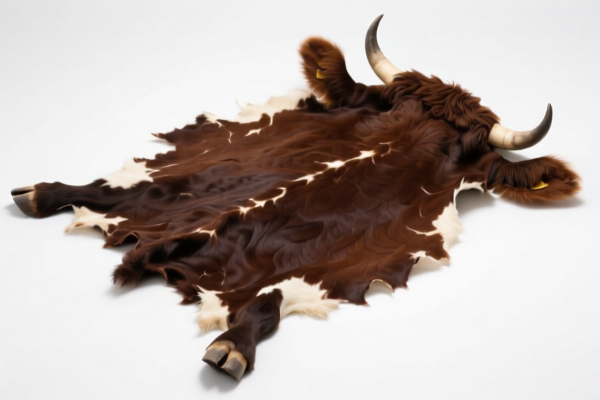
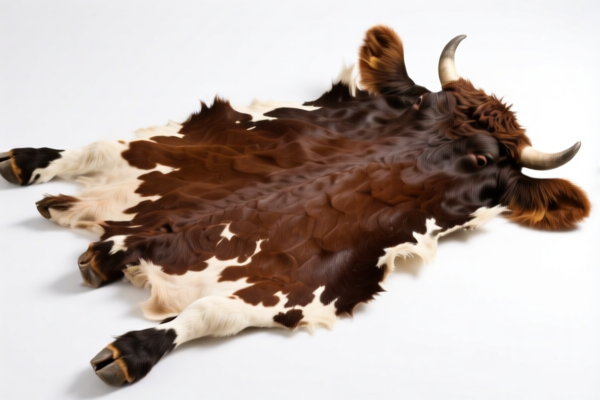
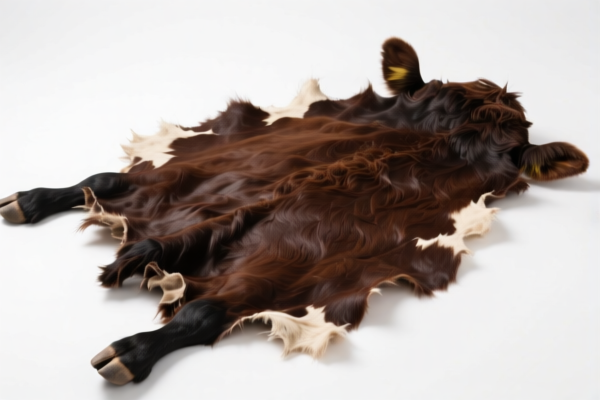
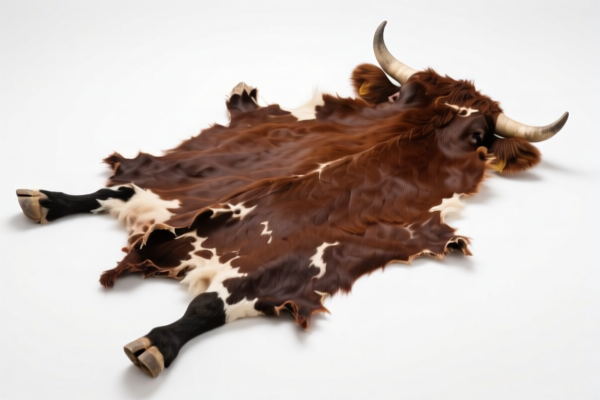
AI Analysis
🐑 Raw Preserved Untanned Lamb Skin for Handicrafts (Unprocessed Sheepskin)
🌐 HS Code Reference & Customs Clearance Guide | 2026 Latest Tariff Analysis | Professional Entry Strategy
📌 I. Product Definition & Classification: Do You Truly Understand "Raw Lamb Skin"?
Raw preserved untanned lamb skin, intended for handicrafts, refers to animal hides that have not undergone any tanning or preservation process (other than basic drying or salting for preservation of the raw state) and retain their natural hair or are hairless but remain in their raw, unprocessed state. In international trade, it is critical to distinguish between:
- Raw Hides/Skins (Chapter 41): Unprocessed, often dried or salted, but not chemically tanned.
- Tanned/Preserved Leathers (Chapter 41, other headings): Processed with chromium, vegetable tannins, etc.
- Other Animal Skins: Distinctions between sheep/lamb vs. goat/kid are crucial for HS Code accuracy.
⚠️ Key Distinction Point:
- If the skin is untanned, even if dried or lightly preserved for transport → It falls under Heading 41.01 or 41.02 (Raw Hides/Skins).
- If it has been chemically tanned → It falls under Heading 41.04, 41.05, etc.
- "Lamb" vs. "Sheep": In many HS systems, sheep and lamb skins are grouped together unless specified otherwise. However, some subheadings differentiate between "sheepskin" and "goatskin/kid."
📦 II. HS Code Classification Details (2026 Latest Tariff Authority Comparison)
Based on the provided data, here are the 5 most relevant HS Codes for "Raw Preserved Untanned Lamb Skin" and the specific reasons for their applicability:
| HS Code | Product Description & Match Reason | Total Tax Rate | Tax Breakdown |
|---|---|---|---|
| 4102.29.10.90 | Reason: Matches "Lamb/Sheep Skin" material, "No Wool" (if hairless), and "Untanned" condition. Perfectly fits the definition of raw sheep/lamb skins. | 17.5% | Base: 0.0%, Additional: 7.5%, Section 122: 10% |
| 4102.10.10.00 | Reason: "Lamb Skin" matches material, "Untanned" matches state. Fully complies with the definition of raw sheep/lamb skins. | 17.5% | Base: 0.0%, Additional: 7.5%, Section 122: 10% |
| 4103.90.11.30 | Reason: Material is "Lamb Skin," state is "Untanned." Fits the classification of "other raw skins" under specific animal categories. | 17.5% | Base: 0.0%, Additional: 7.5%, Section 122: 10% |
| 4103.90.11.90 | Reason: Material is sheepskin, state is "unprocessed (pre-tanning)" and in a "dry state." Fits the definition of "other raw skins" not elsewhere specified. | 17.5% | Base: 0.0%, Additional: 7.5%, Section 122: 10% |
| 4102.29.10.90 | Reason: Material is lamb/sheep skin, state is raw/untanned. Fits the classification for raw sheep/lamb skins under subheading 4102.29. | 17.5% | Base: 0.0%, Additional: 7.5%, Section 122: 10% |
🔍 Important Note:
- All listed codes result in a total tax rate of 17.5% for imports from China to the US.
- The slight variations in HS codes (e.g., 4102 vs. 4103) often depend on specific processing states (e.g., dry vs. wet, hair-on vs. hairless) and national subheading nuances.
- 4102.10.10.00 is the most direct match for "Raw Sheep/Lamb Skins."
- 4103.90.11.x may apply if the skin is classified under "Other Animal Skins" due to minor processing differences or national subcategory definitions.
💰 III. 2026 Latest Tariff Rate Breakdown (Including Additional Taxes & Policy Surcharges)
✅ Applicable Country: United States (US)
✅ Origin: China (CN)
✅ Effective Date: From November 10, 2025 (inclusive of subsequent imports)
🎯 1. General Tariff Structure for Raw Skins (HS 4102/4103)
| Item | Content |
|---|---|
| Base Tariff Rate | 0% (ad valorem) |
| USITC Additional Tariff | +7.5% (Section 301 or related trade remedy) |
| Section 122 Tariff | +10% (Specific to certain animal products or raw materials) |
| Total Tariff Rate | 17.5% |
| Tax Calculation | CIF Value × 17.5% |
| De Minimis Exemption | ❌ Not Eligible (Deny de minimis for Chinese-origin goods under current rules) |
| Legal Basis Path | Section 301: 9903.01.24 → Section 122: 9903.01.25 → USITC: 4102.10.10.00 / 4103.90.11.90 → FOOTNOTE: 9903.88.01 |
📌 Explanation:
- The 7.5% additional tariff is part of the ongoing trade measures against Chinese goods.
- The 10% Section 122 tariff applies specifically to certain animal-derived raw materials.
- Combined 17.5% is significantly lower than electronics or machinery but still requires careful declaration.
- No de minimis exemption: Small shipments cannot bypass this tax.
🛠️ IV. Customs Clearance Practical Advice (Avoiding Pitfalls)
✅ 1. Required Documentation Checklist (All Mandatory)
| Document | Required? | Explanation |
|---|---|---|
| ✅ Commercial Invoice | ✔️ | Must clearly state "Raw Untanned Sheep/Lamb Skin for Handicrafts," not "Leather." |
| ✅ Packing List | ✔️ | Detail weight, quantity, and packaging type (e.g., bales, drums). |
| ✅ Product Photos | ✔️ | Show texture, hair presence/absence, and drying state. |
| ✅ Certificate of Origin | ✔️ | Confirm Chinese origin for accurate tariff application. |
| ✅ Processing Description | ✔️ | Specify if dried, salted, or wet-salted, but NOT tanned. |
| ✅ Third-Party Test Report | Optional but Recommended | Proof of non-tanning status (e.g., chemical analysis). |
| ✅ Import License | ❌ Usually Not Required | Raw skins generally do not require special licenses, but check USDA/FWS if protected species. |
✅ 2. Declaration Tips (Key Mantras)
🔥 "Raw ≠ Tanned, Lamb ≠ Goat, Dry ≠ Processed!"
| Scenario | Correct Declaration | Wrong Practice |
|---|---|---|
| Untanned, Dried Lamb Skin | 4102.10.10.00 or 4103.90.11.90 |
Misdeclare as "Tanned Leather" → Higher duties + penalties |
| Hair-on vs. Hairless | Specify in description | Ambiguous description → Customs inspection delay |
| Wet-Salted vs. Dry | Specify preservation method | Assume all raw skins are the same → Incorrect HS |
| Handicraft Use | Mention end-use | Ignore end-use → Miss potential exemptions (if any) |
✅ 3. Special Case Handling
| Situation | Handling Advice |
|---|---|
| Protected Species | Ensure the lamb/sheep is not an endangered subspecies. Provide CITES documentation if applicable. |
| Zoonotic Disease Risk | Raw animal products may require USDA APHIS permit to prevent disease spread. |
| Mixed Batches | Declare each type separately (e.g., sheep vs. goat) to avoid classification errors. |
| Sample Shipments | Still subject to 17.5% tariff; do not claim de minimis. |
🌍 V. Global Market Customs Comparison (2026 Latest)
| Country/Region | Recommended HS Code | Tariff Rate | Certification | Notes |
|---|---|---|---|---|
| 🇺🇸 USA | 4102.10.10.00 |
17.5% | USDA Permit (if required) | 0% base + 7.5% + 10% |
| 🇨🇳 China | 4102.10.10.00 |
5% | None | Lower import duties for domestic processing |
| 🇪🇺 EU | 4102.29 |
0% | REACH Compliance | No additional tariffs; strict animal welfare checks |
| 🇬🇧 UK | 4102.29 |
0% | UKCA Marking | Post-Brexit rules may vary; check DEFRA guidelines |
| 🇦🇺 Australia | 4102.29 |
5% | Biosecurity Permit | Strict biosecurity on raw animal products |
📌 Conclusion:
- USA imposes a 17.5% total tariff, which is moderate compared to electronics but still significant.
- EU and UK have 0% base tariffs, but strict biosecurity and animal welfare regulations apply.
- Biosecurity is the biggest hurdle for raw animal products globally.
📌 VI. Common Mistakes & Pitfalls (Lessons Learned)
❌ Mistake 1: Declaring "Raw Skin" as "Leather"
👉 Consequence: Wrong HS Code → Penalties + Back Taxes!
❌ Mistake 2: Ignoring US USDA Requirements
👉 Consequence: Shipment Held or Destroyed due to disease risk.
❌ Mistake 3: Using "Handicraft Material" as HS Code Description
👉 Consequence: Customs rejects vague descriptions → Delays.
❌ Mistake 4: Assuming De Minimis Applies
👉 Consequence: Seizure of small shipments due to prohibited exemption.
✅ Correct Approach:
"Raw Untanned Sheepskin, Dry-Preserved, for Handicraft Use, Not Tanned, Hair-On, Batch No. XYZ"
🎯 VII. Conclusion: Professional Declaration, Smooth Clearance, Cost Efficiency!
🎯 Remember the Mantra:
🔹 "Raw ≠ Tanned, Specify State, Avoid Biosecurity Hurdles!"
🔹 "HS Code Determines Duty, 17.5% is Fixed, De Minimis is Gone!"
📌 Pro Tip:
- For handicraft raw materials, ensure your supplier provides a Non-Tanning Certificate.
- Consider applying for an Advance Ruling from US Customs if you import large volumes regularly.
- Biosecurity Compliance is as important as tariff accuracy.
📣 Immediate Action:
📞 Consult a licensed customs broker + Provide product photos + Apply for USDA Permit if needed
🚀 Ensure your raw skins clear customs smoothly, avoiding costly delays!
✨ Professional Clearance Starts with Accurate Classification!
💼 Every Dollar in Tariffs Must Be Justified and Calculated!
Customer Reviews
About HS Code Classification
The Harmonized System (HS) is an internationally standardized nomenclature developed by the World Customs Organization (WCO) to classify traded products. Over 200 countries use the HS system as the basis for customs tariffs, trade statistics, and import/export regulations.
Each HS code follows a hierarchical structure:
- Chapter (2 digits) — Broad category of goods (e.g., Chapter 84: Machinery and Mechanical Appliances)
- Heading (4 digits) — More specific grouping within the chapter
- Subheading (6 digits) — Internationally standardized breakdown, used by all WCO member countries
- National subdivisions (8-10 digits) — Country-specific extensions for further classification, such as US HTSUS 10-digit codes
Correct HS code classification is essential for smooth customs clearance, accurate duty payment, and compliance with trade regulations. Misclassification can lead to customs delays, overpayment of duties, or penalties.
When importing from CN to US, the applicable tariff rates may include:
- Most-Favored-Nation (MFN) rate — The standard duty rate applied to WTO members
- General rate — Applied to countries without trade agreements
- Trade remedy duties — Additional tariffs such as Section 301 (anti-dumping), Section 232 (national security), or countervailing duties
The information provided on this page is for reference purposes only. For official classification, please consult with your local customs authority or a licensed customs broker.