Raw Raccoon Skins
CN → US| HS Code | Tariff Rate | Origin | Destination | Doc |
|---|---|---|---|---|
| 4303900000 | 35.0% | CN | US | Official Doc |
| 4301900000 | 10.0% | CN | US | Official Doc |
| 4302193040 | 36.5% | CN | US | Official Doc |
| 4302194540 | 37.2% | CN | US | Official Doc |
| 4303100060 | 39.0% | CN | US | Official Doc |
| 4301800275 | 17.5% | CN | US | Official Doc |
Product Images
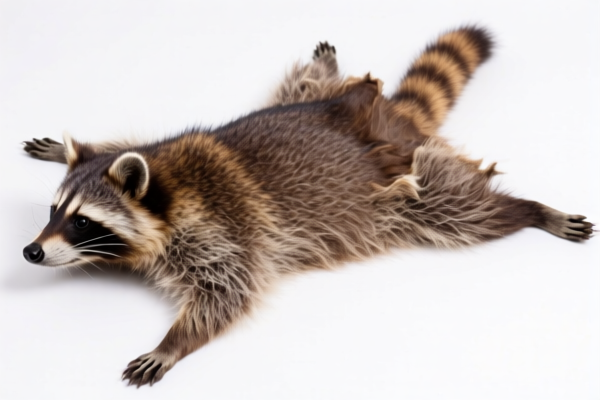
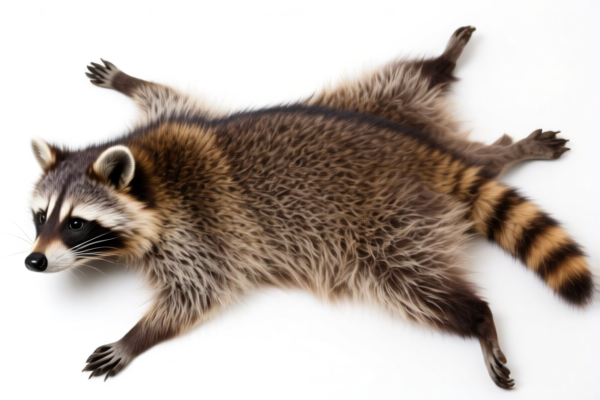
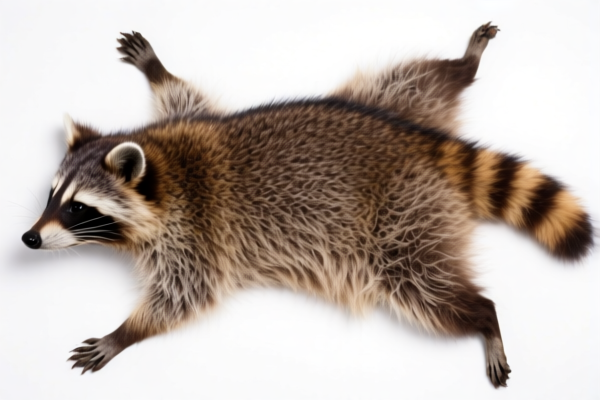
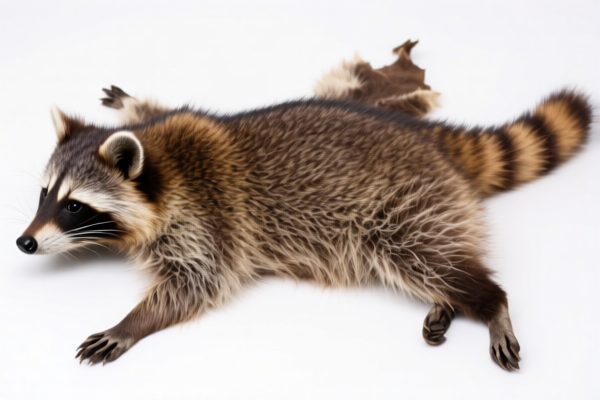
AI Analysis
🦝 Raw Raccoon Skins (Pelts)
🌐 HS Code Reference & Clearance Guide | 2026 Latest Tariff Analysis | Professional Clearance Strategy
📌 1. Product Definition and Classification: Do You Really Understand "Raw Raccoon Skins"?
Raw raccoon skins are the unprocessed or minimally processed hides of raccoons (Procyon lotor). In international trade, they are primarily classified into two categories based on their state:
Raw Furskins (For Tanning/Processing): Raw or salted hides that have not yet been tanned or further prepared for garment manufacturing. These fall under Chapter 43, Section 1 (Raw Hides and Skins). Fur Garments/Accessories: Finished or semi-finished products made from raccoon fur, such as coats, stoles, or hats. These fall under Chapter 43, Section 2 (Prepared Furskins and Articles thereof).
⚠️ Key Distinction:
- If the skin is raw, salted, or merely cured (not tanned for final use) → Classified under 4301 (Raw Furskins).
- If the skin is tanned, dyed, or worked for use in garments/accessories → Classified under 4302 (Prepared Furskins) or 4303 (Articles of Fur).
📦 2. HS Code Classification Details (2026 Latest Tariff Authority Cross-Reference)
| HS Code | Product Description | Applicable Scenario | State of Product | Total Tax Rate* |
|---|---|---|---|---|
4301.90.00.00 |
Raw furskins of other animals (including pieces and pieces thereof, not sewn) | Raw raccoon pelts for tanning; unworked or simply cured | ✅ Raw/Unworked | 10.0% |
4301.80.02.75 |
Other raw furskins (specific raccoon classification) | Raccoon pelts fully meeting raccoon fur classification requirements | ✅ Raw | 17.5% |
4302.19.30.40 |
Prepared furskins, un-dyed, whole (Raccoon specific) | Un-dyed, whole raccoon pelts ready for manufacturing | ✅ Prepared/Untanned for garment | 36.5% |
4302.19.45.40 |
Prepared furskins, specified form/material | Raccoon pelts explicitly meeting animal species and fur morphology classification | ✅ Prepared | 37.2% |
4303.90.00.00 |
Articles of fur (other than goods of heading 4301) | Raccoon fur products classified as fur materials/goods | ✅ Finished/Article | 35.0% |
4303.10.00.60 |
Articles of fur of other animals (excluding mink) | Raccoon fur items falling under "other materials" definition | ✅ Finished/Article | 39.0% |
🔍 Key Reminder:
- Raw vs. Prepared: The distinction between4301(Raw) and4302/4303(Prepared/Finished) is critical. Raw pelts are cheaper to import but require further processing domestically.
- Specific Classification: Customs authorities may scrutinize raccoon pelts under specific subheadings (4301.80.02.75) if the origin and species are explicitly declared.
- Articles vs. Raw: If the skin is cut and sewn into a garment or accessory, it must be declared as an "Article" (4303), not raw material.
💰 3. 2026 Latest Tariff Rate Details (Including Surcharge Policies)
✅ Applicable Country: United States (US)
✅ Origin: China (CN)
✅ Effective Time: Post-2025 tariff regulations (including Section 301 and IEEPA surcharges)
🎯 1. 4301.90.00.00 —— Raw Furskins (Other Animals)
| Item | Content |
|---|---|
| Base Duty Rate | 0% (ad valorem) |
| Section 301 Surcharge | 0% |
| IEEPA Surcharge | +10% (Targeting China/HK products) |
| Total Tax Rate | 10.0% |
| Tax Calculation | CIF Value × 10% |
| De Minimis Eligibility | ❌ Not Eligible (deny_de_minimis) |
| Legal Basis Path | IEEPA:9903.01.24 → USITC:4301.90.00.00 → SECTION 122 |
📌 Explanation:
- IEEPA 10%: Imposed under the International Emergency Economic Powers Act on Chinese-origin furskins.
- No Section 301: Raw furskins may be exempt from the higher 25% Section 301 tariff, depending on current USITC exclusions.
- Total 10%: Significantly lower than prepared furs, making raw import strategic for processors.
🎯 2. 4301.80.02.75 —— Specific Raw Raccoon Classification
| Item | Content |
|---|---|
| Base Duty Rate | 0% |
| Section 301 Surcharge | +7.5% |
| IEEPA Surcharge | +10% |
| Total Tax Rate | 17.5% |
| Tax Calculation | CIF Value × 17.5% |
| De Minimis Eligibility | ❌ Not Eligible |
| Legal Basis Path | IEEPA:9903.01.24 → USITC:4301.80.02.75 → FOOTNOTE:301 |
📌 Note:
- This specific code attracts a 7.5% Section 301 surcharge on top of the 10% IEEPA tariff.
- Raccoon pelts classified here face higher duties than generic raw furskins (4301.90.00.00).
🎯 3. 4302.19.30.40 —— Prepared Un-dyed Whole Raccoon Skins
| Item | Content |
|---|---|
| Base Duty Rate | 1.5% |
| Section 301 Surcharge | +25% |
| IEEPA Surcharge | +10% |
| Total Tax Rate | 36.5% |
| Tax Calculation | CIF Value × 36.5% |
| De Minimis Eligibility | ❌ Not Eligible |
| Legal Basis Path | IEEPA:9903.01.24 → USITC:4302.19.30.40 → FOOTNOTE:301 |
📌 Warning:
- High Duty: Prepared skins are subject to the full 25% Section 301 tariff.
- Base Rate: 1.5% base duty applies.
- Total 36.5%: Significantly higher than raw imports.
🎯 4. 4302.19.45.40 —— Prepared Raccoon Skins (Specified Form)
| Item | Content |
|---|---|
| Base Duty Rate | 2.2% |
| Section 301 Surcharge | +25% |
| IEEPA Surcharge | +10% |
| Total Tax Rate | 37.2% |
| Tax Calculation | CIF Value × 37.2% |
| De Minimis Eligibility | ❌ Not Eligible |
| Legal Basis Path | IEEPA:9903.01.24 → USITC:4302.19.45.40 → FOOTNOTE:301 |
📌 Note:
- Similar to the previous code, but with a slightly higher base duty (2.2%).
- Used when the pelt meets specific morphological and material criteria for prepared fur.
🎯 5. 4303.90.00.00 —— Articles of Fur (Other Materials)
| Item | Content |
|---|---|
| Base Duty Rate | 0% |
| Section 301 Surcharge | +25% |
| IEEPA Surcharge | +10% |
| Total Tax Rate | 35.0% |
| Tax Calculation | CIF Value × 35.0% |
| De Minimis Eligibility | ❌ Not Eligible |
| Legal Basis Path | IEEPA:9903.01.24 → USITC:4303.90.00.00 → FOOTNOTE:301 |
📌 Warning:
- If the raccoon fur is part of a finished article (e.g., a rug, trim, or non-garment item), it falls under "Articles."
- 35.0% Total Duty: High due to 25% Section 301 surcharge.
🎯 6. 4303.10.00.60 —— Articles of Fur (Other Animals, Excluding Mink)
| Item | Content |
|---|---|
| Base Duty Rate | 4.0% |
| Section 301 Surcharge | +25% |
| IEEPA Surcharge | +10% |
| Total Tax Rate | 39.0% |
| Tax Calculation | CIF Value × 39.0% |
| De Minimis Eligibility | ❌ Not Eligible |
| Legal Basis Path | IEEPA:9903.01.24 → USITC:4303.10.00.60 → FOOTNOTE:301 |
📌 Note:
- Highest Duty: 39.0% due to the highest base rate (4.0%) plus standard surcharges.
- Applies to specific raccoon fur articles that do not fit other "other materials" categories.
🛠️ 4. Clearance Practical Advice (Real-World Pitfall Guide)
✅ 1. Documentation Checklist (Mandatory)
| Document | Required | Description |
|---|---|---|
| ✅ Species Declaration | ✔️ | Must explicitly state Procyon lotor (Raccoon). Misidentification leads to fines. |
| ✅ Processing Status Statement | ✔️ | Clearly state: "Raw/Salted/Cured" or "Tanned/Prepared/Article". |
| ✅ Commercial Invoice | ✔️ | Detail unit price, weight, and HS Code. |
| ✅ Bill of Lading/Air Waybill | ✔️ | Must match invoice details. |
| ✅ CITES Permit (If Applicable) | ✔️ | Check if raccoon is CITES-listed in origin country. Even if not, some ports require wildlife permits. |
| ✅ Customs Bond | ✔️ | Required for commercial imports. |
✅ 2. Declaration Tips (Key Mantra)
🔥 "Raw vs. Prepared: Define Clearly! HS Code Decides Tax!"
| Scenario | Correct Declaration | Incorrect Practice |
|---|---|---|
| Raw, salted pelts for tanning | 4301.90.00.00 or 4301.80.02.75 |
Declaring as "Garment" → 35-39% duty |
| Tanned, un-dyed whole pelts | 4302.19.30.40 |
Declaring as "Raw" → Risk of penalty |
| Raccoon fur trim for jackets | 4303.90.00.00 or 4303.10.00.60 |
Declaring as "Raw Pelt" → Misclassification |
| Mixed shipment (Raw + Finished) | Separate Lines | Combining into one line → Complex audit, possible seizure |
✅ 3. Special Case Handling
| Situation | Handling Advice |
|---|---|
| Small Samples (<$800) | ❌ Not Eligible for De Minimis: Furskins are explicitly excluded from Section 321 de minimis relief. Duty applies even for small quantities. |
| Mixed Origin | If parts are from China and parts from elsewhere, separate shipment or detailed country-of-origin marking is required. |
| Wildlife Laws | Ensure compliance with Lacey Act (US) and CITES (if applicable). Raccoons may not be CITES-listed globally, but national laws vary. |
| Odor/Preservation | Salted raw pelts may be subject to health inspections. Ensure proper packaging to avoid rejection for sanitation issues. |
🌍 5. Global Major Market Clearance Comparison (2026 Latest)
| Country/Region | Recommended HS Code | Duty Rate | Certification/Regulation | Notes |
|---|---|---|---|---|
| 🇺🇸 USA | 4301.90.00.00 (Raw) |
10% (China) | Lacey Act + CITES check | High surcharges for prepared/finished goods |
| 🇨🇳 China | 4301.90.00.00 |
0% - 5% | Wildlife Import Permit | Raw fur imports often subsidized for processing |
| 🇪🇺 EU | 4301.10.00 |
0% - 5% | CITES + Ecolabel | Strict wildlife trade regulations; may ban certain fur |
| 🇬🇧 UK | 4301.10.00 |
0% - 5% | CITES + UK Wildlife Act | Post-Brexit rules apply; check UK CITES lists |
| 🇯🇵 Japan | 4301.10.00 |
0% - 5% | CITES | Generally low duty; strict health checks |
📌 Conclusion:
- USA is the most complex due to IEEPA and Section 301 surcharges.
- Raw skins face lower duties (10-17.5%) compared to prepared/finished (35-39%).
- China offers lower duties but requires strict wildlife permits.
- EU/UK may impose bans or restrictions on fur imports depending on animal welfare laws.
📌 6. Common Errors & Pitfall Guide (Lessons Learned)
❌ Error 1: Declaring "Raccoon Fur Stole" as "Raw Skins"
👉 Consequence: Duty drops from 35% to 10%, but if caught, penalties, seizure, and legal action follow.
❌ Error 2: Combining Raw and Prepared Skins in One HS Code
👉 Consequence: Customs may audit the entire shipment, delay clearance, and apply the highest duty to all items.
❌ Error 3: Ignoring De Minimis Exclusion
👉 Consequence: Expecting tax-free entry for samples under $800. Incorrect: Furskins are exempt from de minimis; Duty applies regardless of value.
❌ Error 4: Vague Description: "Fur Product"
👉 Consequence: Customs may assign a wrong HS Code with higher duty or reject the entry for lack of detail.
✅ Correct Practice:
"Raw Salted Raccoon Skins, Procyon lotor, Unworked, For Tanning Only, Not CITES Listed, HS Code 4301.90.00.00"
🎯 7. Conclusion: Professional Declaration, Save Time and Cost!
🎯 Remember the Mantra:
🔹 "Raw is 10%, Prepared is 36%, Article is 39%!"
🔹 "No De Minimis for Fur! Declare Accurately or Pay the Price!"
🔹 "Lacey Act & CITES: Check Before You Ship!"
📌 Tips:
- If you are importing raw skins for processing, use 4301.90.00.00 for the lowest duty (10%).
- If you are importing finished products, budget for 35-39% duty.
- Always provide detailed species and processing status in your commercial invoice.
- Consult a customs broker to verify current Lacey Act and CITES requirements.
📣 Immediate Action:
📞 Contact a licensed customs broker + Provide detailed product specs + Verify wildlife permits
🚀 Ensure smooth clearance, avoid penalties, and maximize profit margins!
✨ Professional clearance starts with accurate classification!
💼 Every dollar of duty saved is pure profit!
Customer Reviews
About HS Code Classification
The Harmonized System (HS) is an internationally standardized nomenclature developed by the World Customs Organization (WCO) to classify traded products. Over 200 countries use the HS system as the basis for customs tariffs, trade statistics, and import/export regulations.
Each HS code follows a hierarchical structure:
- Chapter (2 digits) — Broad category of goods (e.g., Chapter 84: Machinery and Mechanical Appliances)
- Heading (4 digits) — More specific grouping within the chapter
- Subheading (6 digits) — Internationally standardized breakdown, used by all WCO member countries
- National subdivisions (8-10 digits) — Country-specific extensions for further classification, such as US HTSUS 10-digit codes
Correct HS code classification is essential for smooth customs clearance, accurate duty payment, and compliance with trade regulations. Misclassification can lead to customs delays, overpayment of duties, or penalties.
When importing from CN to US, the applicable tariff rates may include:
- Most-Favored-Nation (MFN) rate — The standard duty rate applied to WTO members
- General rate — Applied to countries without trade agreements
- Trade remedy duties — Additional tariffs such as Section 301 (anti-dumping), Section 232 (national security), or countervailing duties
The information provided on this page is for reference purposes only. For official classification, please consult with your local customs authority or a licensed customs broker.