Raw Seal Skins for Furriers
CN → USProduct Images
AI Analysis
🦭 Raw Seal Skins for Furriers
🌐 HS Code Reference & Customs Clearance Guide | 2026 Tariff Analysis | Professional Compliance Strategy
📌 I. Product Definition & Classification: Do You Know What "Raw Seal Skins" Really Are?
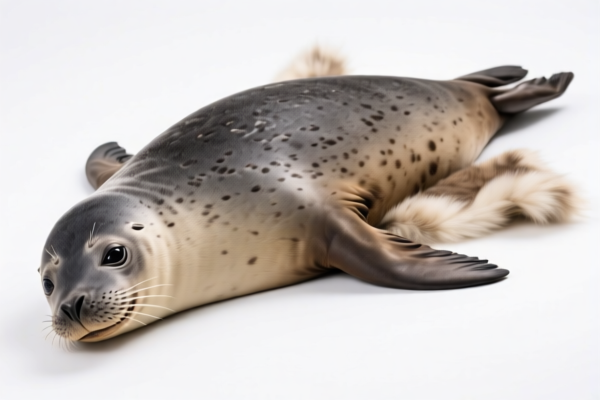
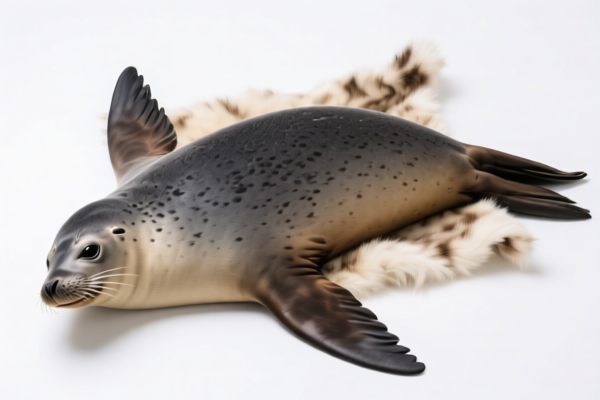
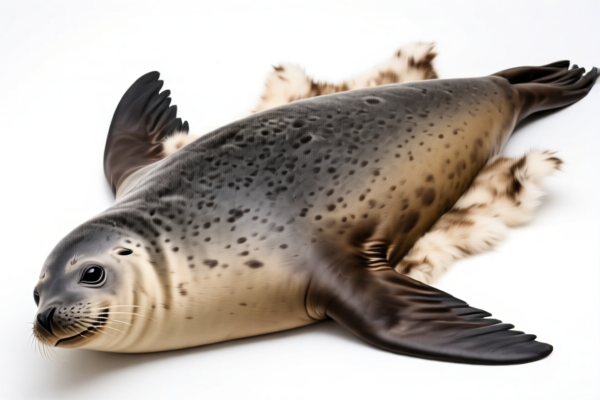
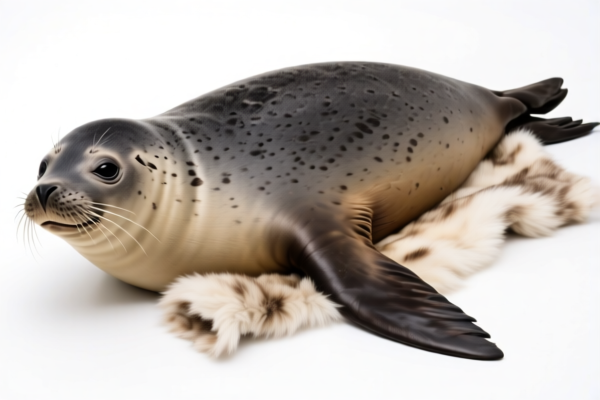
Raw seal skins are the untanned, unpickled, or dried skins of seal animals, primarily used as the base material for furriers to produce high-end fashion accessories, jackets, and trim. In international trade, they are classified based on their state (raw, dressed, or tanned) and specific species.
Key Distinctions: * Raw/Dressed Skins (Chapter 43): Skins that have been merely cleaned, salted, or dried but not chemically tanned for permanent preservation. These are processed by furriers. * Tanned Skins (Chapter 41 or 43 depending on processing): If the skins have undergone a tanning process that makes them suitable for immediate use as leather or fur without further processing, they may fall under different headings. However, for furriers, the key is whether they are "fur skins" (Chapter 43) or "leather" (Chapter 41). Seal skins used for fur are generally Chapter 43.
⚠️ Critical Distinction:
- If the skin is raw, salted, or dried and intended for furrier processing → HS Code 43.01.
- If the skin is tanned and used as leather (not fur) → HS Code 41.12 (if fully tanned) or other leather codes.
- Note: Seal skins are often subject to strict import bans or quotas due to wildlife protection laws (e.g., US Marine Mammal Protection Act, EU Seal Regime).
📦 II. HS Code Classification Details (2026最新税则权威对照)
| HS Code | Product Description | Applicable Scenario | State of Skin |
|---|---|---|---|
4301.10.10.00 |
Raw hides and skins of seals (excluding heads, tails, and paws) | Raw or dressed seal skins for furrier use | ✅ Raw/Dressed |
4301.10.20.00 |
Tanned or crusted seal skins | Tanned seal skins ready for furrier or leather use | ✅ Tanned |
4301.80.00.00 |
Other fur skins (including raw, dressed, or tanned) | If misclassified or non-specific seal species | ✅ Varies |
4101.20.00.00 |
Raw hides and skins of bovine animals (including buffalo) | NOT seal skins | ❌ No |
🔍 重点提醒:
- Chapter 43 is for "Furskins and artificial fur." Raw seal skins for furriers must be declared under 4301.
- Do NOT classify raw seal skins under Chapter 41 (Leather) unless they are specifically tanned for leather use.
- Wildlife Compliance: Most countries require additional permits (CITES, NOAA, etc.) for seal skins. Failure to provide these can result in seizure.
💰 III. 2026最新关税税率详解(含附加税、政策附加)
✅ 适用国家:美国(US)
✅ 原产地:中国(CN)或 加拿大(CA)(Note: Seal skins are not typically produced in China for export; they are mostly from Canada, Greenland, Norway. If declared as CN origin, it may be scrutinized.)
✅ 生效时间:2026 Tariff Schedule
🎯 1. 4301.10.10.00 —— 海豹生皮(未鞣制)
| 项目 | 内容 |
|---|---|
| 基础税率 (MFN) | 0% (ad valorem) |
| Section 301附加税 | +25% (if of Chinese origin - Note: Unlikely for seals, but possible if processed in CN) |
| IEEPA附加税 | +10% (if of Chinese origin) |
| 总税率 | 0% - 35% (Depends heavily on origin and wildlife permits) |
| 是否可享受微量豁免 | ❌ 不可 (deny_de_minimis) |
| 法律依据路径 | USITC:4301.10.10.00 → HTSUS:4301.10 |
📌 解释:
- Base Rate: Generally 0% for fur skins under 4301.
- Origin Risk: If the seals are caught in Canada but exported via China, they may be subject to Section 301 tariffs if deemed of Chinese origin. However, US Import Bans on seal products are the bigger risk.
- US Seal Import Ban: The Marine Mammal Protection Act (MMPA) and EU Seal Regime strictly prohibit importation of seal products unless they are Indigenous Communities products or for scientific purposes.
- If imported from non-Indigenous sources (e.g., commercial hunting): BANNED in the US and EU. No tariff applies because entry is prohibited.
🎯 2. 4301.10.20.00 —— 鞣制海豹皮
| 项目 | 内容 |
|---|---|
| 基础税率 (MFN) | 0% |
| Section 301附加税 | +25% (if of Chinese origin) |
| IEEPA附加税 | +10% (if of Chinese origin) |
| 总税率 | 0% - 35% |
| 是否可享受微量豁免 | ❌ 不可 |
📌 注意:
- Tanned seal skins face the same import restrictions.
- Commercial seal skin imports are prohibited in the US and EU. Only Indigenous-manufactured products are allowed under strict quotas.
🛠️ IV. 清关实操建议(实战避坑指南)
✅ 1. 准备材料清单(缺一不可)
| 材料 | 必须提供 | 说明 |
|---|---|---|
| ✅ CITES Permits | ✔️ | If applicable (some seal species are CITES-listed) |
| ✅ NOAA/US Fish & Wildlife Permit | ✔️ | Mandatory for any seal skin import into the US |
| ✅ Indigenous Community Declaration | ✔️ | To prove exemption from the US/EU seal import ban |
| ✅ Species Identification Certificate | ✔️ | Must specify exact seal species (e.g., Harp, Ringed, Grey) |
| ✅ Commercial Invoice | ✔️ | Must clearly state "Raw Seal Skins for Furrier Use" |
| ✅ Packing List | ✔️ | Detail number of skins, weight, and dimensions |
| ✅ Treatment Certificate | ✔️ | Proof of salting/drying to prevent disease |
✅ 2. 申报技巧(关键口诀)
🔥 “物种要清,许可要齐,商业禁入,原住民例外!”
| 情况 | 正确申报方式 | 错误做法 |
|---|---|---|
| 商业捕捞海豹皮 | 禁止进口 | 试图低报或瞒报 → 没收+罚款 |
| 原住民手工制作海豹皮 | 4301.10.10.00 + Indigenous Permit |
无许可申报 → 退运 |
| 误报为“皮革” | 4101 |
归类错误 → 补税+延误 |
| 未提供物种证明 | ❌ | 海关无法判断是否受保护 → 扣留 |
✅ 3. 特殊情况处理
| 情况 | 处理建议 |
|---|---|
| 美国进口 | 必须证明为Indigenous Communities产品,否则禁止进口。 |
| 欧盟进口 | 同美国,仅允许Indigenous exception。商业进口禁止。 |
| 加拿大出口 | 允许,但需CITES证书(如适用)和出口许可证。 |
| 中国进口 | 中国对海豹皮进口有严格限制,需商务部和林业局审批。 |
🌍 V. 全球主要市场清关对比(2026年最新)
| 国家/地区 | 推荐HS Code | 关税 | 认证要求 | 备注 |
|---|---|---|---|---|
| 🇺🇸 美国 | 4301.10.10.00 |
BANNED (Commercial) | NOAA Permit + Indigenous Declaration | Only Indigenous exceptions allowed |
| 🇪🇺 欧盟 | 4301.10.10.00 |
BANNED (Commercial) | EU Seal Regime Exemption | Same as US |
| 🇨🇦 加拿大 | 4301.10.10.00 |
0% | CITES + CCMEA Permit | Major exporter |
| 🇨🇳 中国 | 4301.10.10.00 |
0-5% | CITES + Forestry Bureau Permit | Strictly controlled |
| 🇳🇴 挪威 | 4301.10.10.00 |
0% | Norwegian Seal Act | Major exporter |
📌 结论:
- 美国/欧盟:商业进口禁止。仅允许原住民社区产品。
- 加拿大/挪威:主要出口国,需CITES和出口许可证。
- 关税并非主要障碍,合规性才是关键。
📌 VI. 常见错误 & 避坑指南(血泪教训)
❌ 错误1:将“海豹皮”申报为“普通皮革”
👉 后果:归类错误,触发野生动物保护调查 → 没收+罚款
❌ 错误2:无Indigenous Permit尝试进口美国
👉 后果:货物被扣留,面临最高$25,000/只的罚款
❌ 错误3:未提供物种鉴定证书
👉 后果:海关无法确认是否受CITES保护 → 退运
❌ 错误4:使用“Fur Skin”泛称,未指明“Seal”
👉 后果:海关要求补充信息,延误清关 → 额外仓储费
✅ 正确做法:
"Raw Harp Seal Skins, Salted, for Furrier Use, Indigenous Community Product, CITES Permit No. XYZ, NOAA Permit No. ABC"
🎯 VII. 结语:合规优先,避免法律风险!
🎯 记住口诀:
🔹 “商业海豹皮,美欧禁入,原住民例外,许可要齐!”
🔹 “HS Code 4301,物种要清,合规第一,避免没收!”
📌 小贴士:
- Pre-Clearance: 务必在发货前与美国海关(CBP)或欧盟海关确认最新许可要求。
- Documentation: 所有文件必须原件或认证的电子版。
- Legal Counsel: 建议聘请野生动物贸易律师协助申报。
📣 立即行动:
📞 联系专业报关行 + 提供物种证明 + 申请Indigenous Exemption
🚀 确保您的海豹皮,合法合规,顺利通关!
✨ 专业清关,从精准合规开始!
💼 您的每一批货物,都值得被严格审视!
Customer Reviews
About HS Code Classification
The Harmonized System (HS) is an internationally standardized nomenclature developed by the World Customs Organization (WCO) to classify traded products. Over 200 countries use the HS system as the basis for customs tariffs, trade statistics, and import/export regulations.
Each HS code follows a hierarchical structure:
- Chapter (2 digits) — Broad category of goods (e.g., Chapter 84: Machinery and Mechanical Appliances)
- Heading (4 digits) — More specific grouping within the chapter
- Subheading (6 digits) — Internationally standardized breakdown, used by all WCO member countries
- National subdivisions (8-10 digits) — Country-specific extensions for further classification, such as US HTSUS 10-digit codes
Correct HS code classification is essential for smooth customs clearance, accurate duty payment, and compliance with trade regulations. Misclassification can lead to customs delays, overpayment of duties, or penalties.
When importing from CN to US, the applicable tariff rates may include:
- Most-Favored-Nation (MFN) rate — The standard duty rate applied to WTO members
- General rate — Applied to countries without trade agreements
- Trade remedy duties — Additional tariffs such as Section 301 (anti-dumping), Section 232 (national security), or countervailing duties
The information provided on this page is for reference purposes only. For official classification, please consult with your local customs authority or a licensed customs broker.