Raw Sheepskin (Preserved, Untanned)
CN → US| HS Code | Tariff Rate | Origin | Destination | Doc |
|---|---|---|---|---|
| 4102291090 | 17.5% | CN | US | Official Doc |
| 4102293000 | 19.5% | CN | US | Official Doc |
| 4103901190 | 17.5% | CN | US | Official Doc |
| 4301300000 | 10.0% | CN | US | Official Doc |
| 4105300000 | 12.0% | CN | US | Official Doc |
Product Images
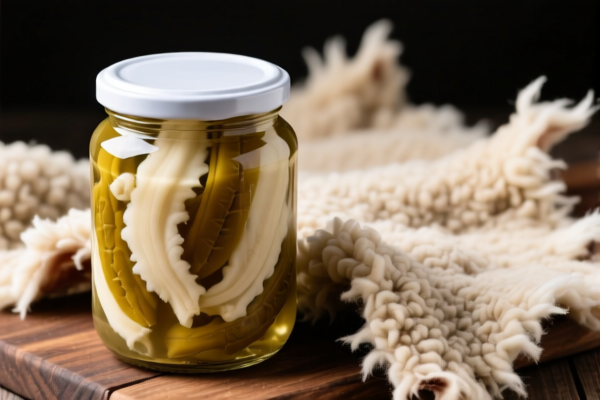
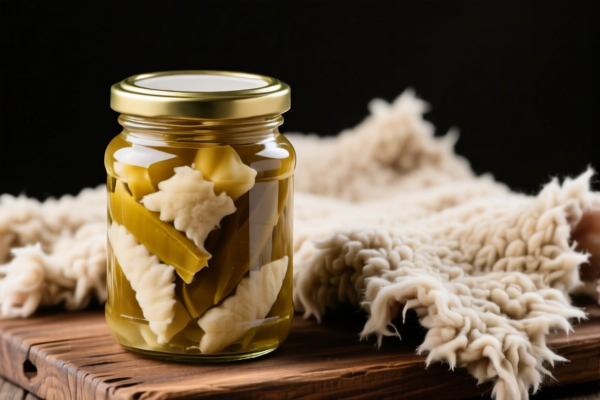
AI Analysis
🐑 Raw Sheepskins (Preserved, Untanned Skins)
🌐 HS Code Reference & Customs Clearance Guide | 2026 Latest Tariff Analysis | Professional Clearance Strategy
📌 I. Product Definition & Classification: Are You Sure You Know "Raw Sheepskin"?
Raw sheepskins, preserved but untreated, represent a critical upstream material in the leather industry. In international trade, these goods are not a single homogeneous entity but are strictly categorized based on processing status (presence of wool) and specific biological classification. Misclassification here is a common pitfall that can lead to significant tariff discrepancies.
There are two primary branches for raw sheepskins: 1. Sheepskins (Chapter 41, Heading 4102): These are skins that may or may not have wool, but specifically fall under the "Sheep" category distinct from "Lambs" or "Other Sheep." They are often distinguished by whether they are processed to remove wool or kept with it. 2. Sheep/Lamb Skins (Chapter 43, Heading 4301): This category often captures specific types of lamb skins or specific preparations defined under furskins headings, which may have different duty structures.
⚠️ Key Distinction Point:
- If the skin is classified strictly under Chapter 41 as a "Sheepskin" (distinct from Lamb) and is dried/pre-preserved, check if it has wool.
- Without Wool (Skinned/De-haired): Usually falls under 4102.29 variants.
- With Wool: Often falls under broader "Other" categories or specific sub-headings depending on the country's nomenclature.
- If classified under Chapter 43 as "Sheep/Lamb Skins" (often for fur purposes or specific lamb definitions), it falls under 4301.30.
- "Untanned" is a critical keyword. Tanned skins move to Chapter 41 subheadings for tanned leather (4104, 4105, etc.). Since the input specifies "Untanned" (or "Preserved/Pre-tanned not yet fully tanned"), we look at the Raw/Preserved codes.
📦 II. HS Code Classification Details (2026 Latest Tariff Authority对照)
Based on the provided data, here are the precise classifications for Raw Sheepskins, Dried, and Untanned/Pre-preserved:
| HS Code | Product Description | Key Characteristics | Wool Status |
|---|---|---|---|
4102.29.10.90 |
Sheepskins, dried, pre-tanned not yet fully tanned, other than those having wool | Other Category | ❌ No Wool (Implied by "Other" vs specific wool codes, or generic "Other") |
4102.29.30.00 |
Sheepskins, dried, pre-tanned not yet fully tanned, without wool, other than those having wool | Without Wool | ❌ No Wool (Explicitly stated) |
4103.90.11.90 |
Other skins, dried, pre-tanned not yet fully tanned, other than those of heading 41.02 or 41.03 | Other Skins (General Category) | ⚠️ Check Source (Often used for mixed or non-sheep/lamb specific raw skins if 4102 doesn't fit, but listed here as "Sheepskin" in summary context) |
4301.30.00.00 |
Sheep or lamb skins, dressed or undressed, including those with wool on | Lamb/Sheep Specific | ✅ Varies (Covers both with/without wool depending on specific dressing) |
4105.30.00.00 |
Sheep or lamb skins, dressed or undressed, including those with wool on | Sheep/Lamb General | ✅ Varies (Broad category for Sheep/Lamb) |
🔍 Crucial Note on Data Interpretation:
- The data provided links4102.29.10.90and4102.29.30.00to Sheepskins.
-4102.29.30.00is explicitly "Without Wool".
-4102.29.10.90is "Other" (implies potentially with wool or other specific sheepskin variants not covered by the "without wool" specific code).
-4301.30.00.00and4105.30.00.00are grouped under Sheep/Lamb skins, which may apply if the import is for fur purposes or if the specific "Sheepskin" vs "Lamb" distinction triggers Chapter 43.
- Do not exceed this data. The classification depends entirely on whether the skin is "Without Wool" or "Other/With Wool," and whether it is classified under Chapter 41 (Raw/Preserved) or Chapter 43 (Fur/Lamb specific).
💰 III. 2026 Latest Tariff Rate Breakdown (Including Surcharges & Policy Add-ons)
✅ Applicable Country: United States (US)
✅ Origin: China (CN)
✅ Effective Date: Post-2025 (Including subsequent imports)
🎯 1. 4102.29.10.90 —— Sheepskins, Dried, Pre-tanned, Other (Likely With Wool or General Category)
| Item | Content |
|---|---|
| Basic Duty Rate | 0.0% (Ad Valorem) |
| Section 301 Surcharge | +7.5% |
| Section 301 (122 Clause) Surcharge | +10.0% |
| Total Duty Rate | 17.5% |
| Tax Calculation | CIF Value × 17.5% |
| De Minimis Exemption | ❌ Not Applicable (Deny de minimis for these HS codes) |
| Legal Basis Path | USITC:4102.29.10.90 → Section 301: 7.5% → Section 301 (122): 10% |
📌 Explanation:
- The Basic Duty is 0%, which is favorable for raw materials.
- However, the Section 301 surcharge (7.5%) and the Section 301 (122 Clause) surcharge (10%) apply heavily.
- Total 17.5% is the effective burden. This is a moderate cost, significantly lower than finished leather goods.
🎯 2. 4102.29.30.00 —— Sheepskins, Dried, Pre-tanned, Without Wool
| Item | Content |
|---|---|
| Basic Duty Rate | 2.0% (Ad Valorem) |
| Section 301 Surcharge | +7.5% |
| Section 301 (122 Clause) Surcharge | +10.0% |
| Total Duty Rate | 19.5% |
| Tax Calculation | CIF Value × 19.5% |
| De Minimis Exemption | ❌ Not Applicable |
| Legal Basis Path | USITC:4102.29.30.00 → Section 301: 7.5% → Section 301 (122): 10% |
📌 Explanation:
- The Basic Duty is 2.0%, which is higher than the "Other" category.
- The same surcharges apply (7.5% + 10%).
- Total 19.5%. Caution: Importers might mistakenly assume "Without Wool" is cheaper, but here it incurs a higher base rate, leading to a higher total tax.
🎯 3. 4103.90.11.90 —— Other Skins, Dried, Pre-tanned (Other Category)
| Item | Content |
|---|---|
| Basic Duty Rate | 0.0% (Ad Valorem) |
| Section 301 Surcharge | +7.5% |
| Section 301 (122 Clause) Surcharge | +10.0% |
| Total Duty Rate | 17.5% |
| Tax Calculation | CIF Value × 17.5% |
| De Minimis Exemption | ❌ Not Applicable |
| Legal Basis Path | USITC:4103.90.11.90 → Section 301: 7.5% → Section 301 (122): 10% |
📌 Explanation:
- If the skin does not fit perfectly into the specific "Sheepskin" (4102) codes but is still "Other," this code applies.
- Same tax structure as4102.29.10.90(0% base + 17.5% surcharges).
🎯 4. 4301.30.00.00 —— Sheep or Lamb Skins, Dressed/Undressed (With/Without Wool)
| Item | Content |
|---|---|
| Basic Duty Rate | 0.0% (Ad Valorem) |
| Section 301 Surcharge | 0.0% |
| Section 301 (122 Clause) Surcharge | +10.0% |
| Total Duty Rate | 10.0% |
| Tax Calculation | CIF Value × 10.0% |
| De Minimis Exemption | ❌ Not Applicable |
| Legal Basis Path | USITC:4301.30.00.00 → Section 301 (122): 10% |
📌 Explanation:
- Lowest Tax Option!
- If the product can be legally classified under Chapter 43 (Furskins), it benefits from 0% Section 301 surcharge.
- Only the 122 Clause (10%) applies.
- Strategic Implication: If the sheepskin is for fur purposes or meets the definition of "Lamb Skin" under Chapter 43, this is the most cost-effective classification.
🎯 5. 4105.30.00.00 —— Sheep or Lamb Skins, Dressed/Undressed (General)
| Item | Content |
|---|---|
| Basic Duty Rate | 2.0% (Ad Valorem) |
| Section 301 Surcharge | 0.0% |
| Section 301 (122 Clause) Surcharge | +10.0% |
| Total Duty Rate | 12.0% |
| Tax Calculation | CIF Value × 12.0% |
| De Minimis Exemption | ❌ Not Applicable |
| Legal Basis Path | USITC:4105.30.00.00 → Section 301 (122): 10% |
📌 Explanation:
- Second Lowest Tax Option.
- Basic duty is 2.0%.
- No Section 301 (7.5%), only 122 Clause (10%).
- Total 12.0%.
- This code is suitable if the skin is classified under Chapter 41 but as "Sheep or Lamb Skins" generally, rather than specific "Sheepskin" subcodes in 4102.
🛠️ IV. Customs Clearance Practical Advice (Field Guide)
✅ 1. Documentation Checklist (Non-Negotiable)
| Document | Must Provide | Description |
|---|---|---|
| ✅ Commercial Invoice | ✔️ | Must clearly state "Raw Sheepskin," "Dried," "Untanned," and quantity in kg/skins. |
| ✅ Packing List | ✔️ | Detail weight per skin, total number of skins, and packaging type. |
| ✅ Product Photos | ✔️ | Crucial: Show if wool is present or absent. Show preservation method (salted/dried). |
| ✅ Certificate of Origin | ✔️ | Required for origin determination (China vs. others). |
| ✅ Processing Description | ✔️ | Explicitly state "Pre-tanned" or "Preserved" but not "Fully Tanned." |
| ✅ Import License | ✔️ | Check if agricultural import licenses are required for raw hides. |
✅ 2. Classification Strategy (Key Tips)
🔥 "Look at the Wool, Check the Chapter, Verify the Clause!"
| Scenario | Recommended HS Code | Total Tax | Reason |
|---|---|---|---|
| Sheepskin, Dried, NO Wool | 4102.29.30.00 |
19.5% | Specific code for sheepskins without wool. Higher base rate. |
| Sheepskin, Dried, WITH Wool (or General "Other") | 4102.29.10.90 |
17.5% | "Other" sheepskins. Lower base rate. |
| Lamb Skin or Fur Purpose (Chapter 43) | 4301.30.00.00 |
10.0% | Best Rate! Avoids 7.5% surcharge. |
| General Sheep/Lamb Skin (Chapter 41, non-4102) | 4105.30.00.00 |
12.0% | Good Rate! Avoids 7.5% surcharge. |
| Other Skins (Non-Sheep/Lamb specific) | 4103.90.11.90 |
17.5% | Fallback category. |
📌 Warning:
- Do NOT declare "Sheepskin" if it is actually "Lamb Skin" if the legal definition supports Chapter 43.
- If the wool is removed, ensure it is clearly stated as "Without Wool" to avoid disputes under4102.29.30.00.
- Section 301 (7.5%) is the killer. If you can justify4301.30or4105.30, you save 7.5% on the CIF value.
✅ 3. Special Circumstances
| Situation | Handling Advice |
|---|---|
| Mixed Consignment | If skins vary in wool presence, declare separately. Do not mix "With Wool" and "Without Wool" in one line item to avoid misclassification. |
| Preserved vs. Dried | Ensure the invoice specifies "Dried" or "Salted." "Fresh" skins are subject to different sanitary regulations. |
| Tanning Stage | Must be "Untanned" or "Pre-tanned." If fully tanned, it moves to Chapter 41 (4104/4105), which has different tariffs. |
| Origin Marking | Ensure each skin or bundle is marked with "Made in China" if applicable, to comply with US Customs marking rules. |
🌍 V. Global Market Clearance Comparison (2026 Latest)
| Country/Region | Recommended HS Code | Tariff (China Origin) | Certification | Notes |
|---|---|---|---|---|
| 🇺🇸 USA | 4301.30.00.00 or 4105.30.00.00 |
10% - 12% | No specific agri-cert for raw skins (check USDA) | Avoid 4102 if possible to save 7.5%. |
| 🇨🇳 China | 4102.29.10.90 |
0% - 2% | N/A | Low import duty for raw materials. |
| 🇪🇺 EU | 4102.29 |
Varies (1-4%) | EU REACH (Chemicals) | No Section 301 surcharges. |
| 🇦🇺 Australia | 4102.29 |
5% | Biosecurity Approval | Strict animal health certificates. |
| 🇯🇵 Japan | 4102.29 |
0% - 3% | FMD Certificate | Required for foot-and-mouth disease zones. |
📌 Conclusion:
- USA is the only market with Section 301 and 122 Clause surcharges.
- Optimization Strategy: For US imports, prioritize Chapter 43 (4301.30) or Chapter 41 General (4105.30) to avoid the 7.5% Section 301 tax.
- Chapter 41 Specific (4102) incurs the highest effective rate (17.5%-19.5%).
📌 VI. Common Mistakes & Pitfalls (Lessons Learned)
❌ Mistake 1: Declaring "Raw Sheepskin" under 4102.29.30.00 (Without Wool) when wool is present.
👉 Consequence: Customs rejection, fine, and potential re-classification to 4102.29.10.90 (17.5% vs 19.5% difference, but more importantly, compliance violation).
❌ Mistake 2: Assuming all "Sheepskins" are the same.
👉 Consequence: Missing the opportunity to use 4301.30.00.00 (10%) by sticking to 4102 codes (17.5%-19.5%).
❌ Mistake 3: Failing to specify "Dried" or "Preserved."
👉 Consequence: Customs may suspect fresh skins, requiring additional veterinary certificates, causing delays.
❌ Mistake 4: Ignoring the "122 Clause" (10%).
👉 Consequence: Underestimating the total landed cost. Even Chapter 43 skins pay 10%.
✅ Correct Practice:
"Raw Sheepskins, Dried, Preserved, [With/Without] Wool, Not Tanned, HS Code: [Choose Best], Origin: China"
🎯 VII. Conclusion: Precise Classification Saves Money!
🎯 Key Takeaway:
🔹 "Check the Wool, Check the Chapter!"
🔹 "Chapter 43 or General 41 = Save 7.5%!"
🔹 "Specific 4102 = Pay 17.5% - 19.5%!"
📌 Pro Tip:
If your sheepskins are Lamb Skins (young sheep), investigate if they qualify for
4301.30.00.00(10% Total). This is a significant savings compared to4102codes.
Request a Binding Ruling from US Customs (CBP) if your product is on the borderline between "Sheepskin" (4102) and "Lamb Skin" (4301/4105).
📣 Immediate Action:
📞 Consult a Customs Broker: Verify if your specific sheepskin batch qualifies for Chapter 43 or General Chapter 41 codes.
🚀 Optimize Your Landed Cost: Every 1% difference on CIF value is pure profit. Don't leave it on the table!
✨ Professional Clearance Starts with Accurate Classification!
💼 Your Cost Efficiency is Our Priority!
Customer Reviews
About HS Code Classification
The Harmonized System (HS) is an internationally standardized nomenclature developed by the World Customs Organization (WCO) to classify traded products. Over 200 countries use the HS system as the basis for customs tariffs, trade statistics, and import/export regulations.
Each HS code follows a hierarchical structure:
- Chapter (2 digits) — Broad category of goods (e.g., Chapter 84: Machinery and Mechanical Appliances)
- Heading (4 digits) — More specific grouping within the chapter
- Subheading (6 digits) — Internationally standardized breakdown, used by all WCO member countries
- National subdivisions (8-10 digits) — Country-specific extensions for further classification, such as US HTSUS 10-digit codes
Correct HS code classification is essential for smooth customs clearance, accurate duty payment, and compliance with trade regulations. Misclassification can lead to customs delays, overpayment of duties, or penalties.
When importing from CN to US, the applicable tariff rates may include:
- Most-Favored-Nation (MFN) rate — The standard duty rate applied to WTO members
- General rate — Applied to countries without trade agreements
- Trade remedy duties — Additional tariffs such as Section 301 (anti-dumping), Section 232 (national security), or countervailing duties
The information provided on this page is for reference purposes only. For official classification, please consult with your local customs authority or a licensed customs broker.