Raw Sheepskin (for Scientific Research)
CN → US| HS Code | Tariff Rate | Origin | Destination | Doc |
|---|---|---|---|---|
| 9705220000 | 10.0% | CN | US | Official Doc |
| 9705290000 | 10.0% | CN | US | Official Doc |
| 4103902000 | 20.8% | CN | US | Official Doc |
| 4103901190 | 17.5% | CN | US | Official Doc |
Product Images
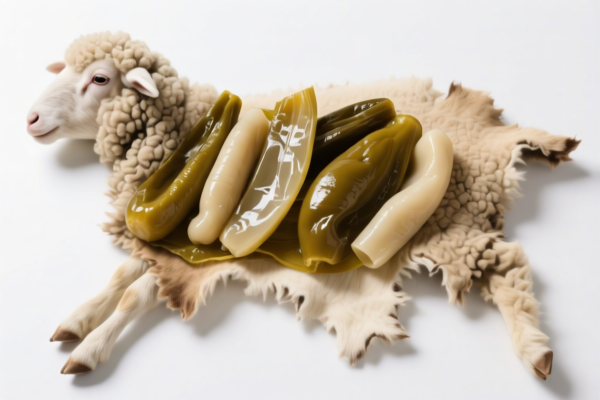
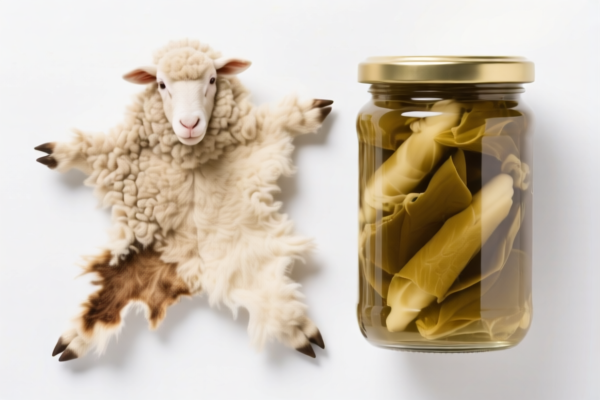
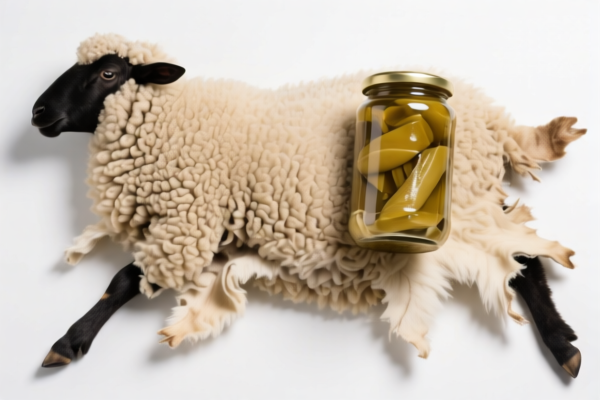
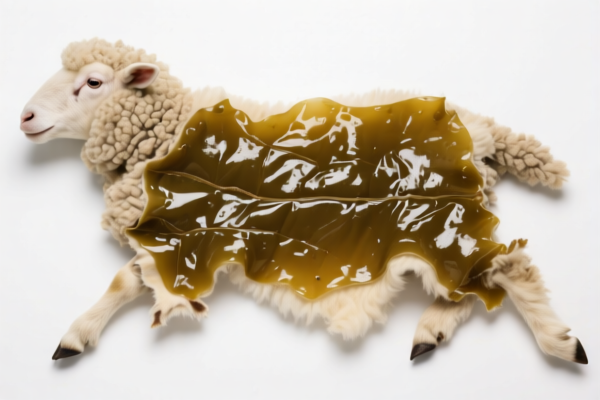
AI Analysis
🐑 Raw Sheepskin (for Scientific Research)
🌐 HS Code Reference & Customs Clearance Guide | 2026 Latest Tariff Analysis | Expert-Level Import Strategy
📌 One, Product Definition & Classification: What Exactly Is "Raw Sheepskin"?
Raw sheepskin refers to unprocessed, untreated sheep hides in their natural, non-tanned state, typically used in scientific research, biological preservation, or academic study. These are not leather goods, nor are they prepared for commercial use (e.g., clothing, furniture).
⚠️ Key Classification Clue:
- If the skin is unprocessed, undyed, uncrushed, and not subjected to any tanning or chemical treatment → Not leather → Not 4102 or 4104
- If used for scientific preservation, biological study, or research collection → May qualify as a scientific specimen → Possible exemption from high tariffs under 9705.22.00.00 or 9705.29.00.00
📦 Two, HS Code Classification Details (2026 Latest Tariff Authority)
| HS Code | Product Description | Research/Scientific Use? | Physical State | Tax Rate |
|---|---|---|---|---|
9705.22.00.00 |
Raw biological material, including animal tissues, for scientific research or collection | ✅ Yes (core purpose) | Unprocessed, preserved, non-tanned | 10.0% |
9705.29.00.00 |
Other biological materials, including animal skins, for scientific study or preservation | ✅ Yes (biological interest) | Contains sheepskin, used in research | 10.0% |
4103.90.20.00 |
Other raw hides and skins (not bovine), including raw sheepskin, not pre-tanned | ❌ No (commercial intent) | Raw, untreated, unprocessed | 20.8% |
4103.90.11.90 |
Other raw sheepskins, not pre-tanned, not prepared for tanning | ❌ No (if not for research) | Raw, unprocessed, biological origin | 17.5% |
🔍 Critical Insight:
- The same raw sheepskin can be classified under two different HS codes depending on intended use: - ✅ If used for scientific research, biological study, or academic collection → Use9705.22.00.00or9705.29.00.00→ 10% total tax - ❌ If used for commercial or industrial purposes (e.g., crafting, leather production) → Must use4103.90.20.00or4103.90.11.90→ 17.5%–20.8% tax
💰 Three, 2026 Latest Tariff Breakdown (Including附加 Taxes & Policy Triggers)
✅ Applicable Country: United States (US)
✅ Origin: China (CN) or other countries
✅ Effective Date: November 10, 2025 (with ongoing enforcement)
🎯 1. 9705.22.00.00 — Raw Biological Material for Scientific Research
| Item | Detail |
|---|---|
| Base Duty | 0.0% (ad valorem) |
| Additional Tariff (Section 301) | 0.0% |
| Section 122 Tariff (IEEPA) | 10.0% |
| Total Tax Rate | 10.0% |
| Tax Calculation | CIF Value × 10.0% |
| De Minimis Threshold | ✅ Yes (if value ≤ $800, may be exempt) |
| Legal Basis Path | IEEPA:9903.01.25 → 122 Clause: 9903.01.24 → HS:9705.22.00.00 |
📌 Explanation:
- No Section 301 (USITC) tariff applies here — because it’s not a commercial good, but a scientific specimen. - Only 122 Clause tariff (10%) applies — this is limited to specific categories of goods deemed “strategic” or “high-risk”. - 10% is the final rate, no叠加 with other tariffs.
🎯 2. 9705.29.00.00 — Other Biological Materials, Including Animal Skins, for Scientific Use
| Item | Detail |
|---|---|
| Base Duty | 0.0% |
| Additional Tariff (Section 301) | 0.0% |
| Section 122 Tariff (IEEPA) | 10.0% |
| Total Tax Rate | 10.0% |
| Tax Calculation | CIF Value × 10.0% |
| De Minimis Threshold | ✅ Yes |
| Legal Basis Path | IEEPA:9903.01.25 → 122 Clause: 9903.01.24 → HS:9705.29.00.00 |
📌 Note:
- This code is specifically for animal tissues and skins used in research. - Even if the skin is from sheep, as long as it’s preserved for scientific study, this code applies. - No extra tax beyond the 10% 122 clause.
🎯 3. 4103.90.20.00 — Raw Sheepskin, Not Pre-Tanned, for Commercial Use
| Item | Detail |
|---|---|
| Base Duty | 3.3% |
| Additional Tariff (Section 301) | 7.5% |
| Section 122 Tariff (IEEPA) | 10.0% |
| Total Tax Rate | 20.8% |
| Tax Calculation | CIF Value × 20.8% |
| De Minimis Threshold | ❌ No (not eligible) |
| Legal Basis Path | USITC:9903.88.01 → IEEPA:9903.01.24 → HS:4103.90.20.00 |
📌 Warning:
- This is the highest tariff rate for raw sheepskin. - Applies only if the item is not for research. - No de minimis exemption — even small shipments face full tax.
🎯 4. 4103.90.11.90 — Other Raw Sheepskins, Not Pre-Tanned
| Item | Detail |
|---|---|
| Base Duty | 0.0% |
| Additional Tariff (Section 301) | 7.5% |
| Section 122 Tariff (IEEPA) | 10.0% |
| Total Tax Rate | 17.5% |
| Tax Calculation | CIF Value × 17.5% |
| De Minimis Threshold | ❌ No |
| Legal Basis Path | USITC:9903.88.01 → IEEPA:9903.01.24 → HS:4103.90.11.90 |
📌 Key Point:
- No base duty, but high Section 301 (7.5%) + 122 Clause (10%) → 17.5% total. - Still not eligible for de minimis. - Applies to raw sheepskins not used in research.
🛠️ Four, Customs Clearance Best Practices (Pro Tips to Avoid Penalties)
✅ 1. Required Documentation (Must-Have Checklist)
| Document | Required? | Why It Matters |
|---|---|---|
| ✅ Scientific Research Purpose Letter | ✔️ | Proves intent — critical for 9705 codes |
| ✅ Institutional Affiliation Letter | ✔️ | From university, lab, or research center |
| ✅ Product Photos (with labeling) | ✔️ | Shows raw, unprocessed state |
| ✅ CIF Commercial Invoice | ✔️ | Must state “Raw Sheepskin for Scientific Research” |
| ✅ Certificate of Origin (CO) | ✔️ | For tariff eligibility (e.g., China, Vietnam) |
| ✅ Preservation Method Description | ✔️ | E.g., “Frozen, dried, or chemically preserved” |
| ✅ No Tanning/Processing Statement | ✔️ | Confirms no chemical treatment |
✅ 2.申报技巧(Key Rules to Remember)
🔥 “Use the Right Code, or Pay the High Price!”
| Scenario | Correct HS Code | Wrong Code | Risk |
|---|---|---|---|
| Raw sheepskin, preserved in lab, used in biology study | 9705.22.00.00 or 9705.29.00.00 |
4103.90.20.00 |
Tax jump from 10% → 20.8% |
| Sheepskin sent to university for anatomy class | 9705.29.00.00 |
4103.90.11.90 |
17.5% vs 10% — $1,000+ extra |
| Sheepskin for craft workshop (not research) | 4103.90.20.00 |
9705.22.00.00 |
Detention, penalties, reclassification |
✅ 3. Special Cases & How to Handle Them
| Situation | Recommended Action |
|---|---|
| Sheepskin shipped to a university lab | Use 9705.29.00.00 + research letter |
| Multiple skins for a research project | Bundle under one scientific purpose invoice |
| Sheepskin from non-China origin (e.g., Australia, Turkey) | May qualify for lower or zero tariffs — check trade agreements |
| Sheepskin with minor processing (e.g., cleaned, dried) | Still eligible for 9705 if no tanning or chemical treatment |
| Sheepskin used in art or museum display | Can use 9705.22.00.00 if classified as scientific or cultural collection |
🌍 Five, Global Market Comparison (2026)
| Country | Recommended HS Code | Tariff | Certification | Notes |
|---|---|---|---|---|
| 🇺🇸 USA | 9705.22.00.00 or 9705.29.00.00 |
10.0% | None (if research) | De minimis applies |
| 🇨🇳 China | 9705.29.00.00 |
0% (if domestic) | None | No 122 clause |
| 🇪🇺 EU | 9705.29.00.00 |
0% | CE (if applicable) | No 122 clause |
| 🇦🇺 Australia | 9705.29.00.00 |
0% | RCM | No additional tariffs |
| 🇯🇵 Japan | 9705.29.00.00 |
0% | PSE | No extra taxes |
📌 Conclusion:
- The U.S. is the only market with a 10% 122 Clause tariff on scientific specimens. - All other major markets treat research-grade biological materials as low-risk. - Always declare for research use — it saves thousands in tax.
📌 Six, Common Mistakes & How to Avoid Them (Learn from Others' Failures)
❌ Mistake 1: Using 4103.90.20.00 for a sheepskin sent to a biology lab
👉 Result: 20.8% tax instead of 10% → $500+ extra for a $5,000 shipment
❌ Mistake 2: Not providing a research letter
👉 Result: Customs may reclassify as commercial → penalties, delays, or seizure
❌ Mistake 3: Labeling as “leather” or “raw hide” in invoice
👉 Result: Triggered under commercial category → higher tariff, audit risk
❌ Mistake 4: Shipping multiple skins without a purpose statement
👉 Result: Customs may suspect commercial intent → detention or return
✅ Correct Approach:
“Raw Sheepskin, Unprocessed, Preserved for Scientific Research, Used in University Biology Lab, No Tanning or Chemical Treatment, Shipped from [Country] to [Institution]”
🎯 Seven, Final Verdict: Precision Saves Money!
🎯 Remember the Golden Rule:
🔹 “If it’s for research, use 9705.22 or 9705.29 — not 4103!”
🔹 “A 10% tax vs 20% tax = $1,000+ difference on a $10k shipment!”
📌 Pro Tip:
✅ Apply for an Advance Ruling (Pre-Approval) from U.S. Customs (CBP) before shipping.
✅ Get a letter from the research institution — it’s your best defense against reclassification.
📣 Act Now!
📞 Contact a specialized customs broker with experience in biological research imports
🚀 Ensure your HS Code is correct — avoid 20.8% tax on a 10% item!
✨ Professional Clearance Starts with Accurate Classification!
💼 Your research budget depends on it — get it right the first time!
Customer Reviews
About HS Code Classification
The Harmonized System (HS) is an internationally standardized nomenclature developed by the World Customs Organization (WCO) to classify traded products. Over 200 countries use the HS system as the basis for customs tariffs, trade statistics, and import/export regulations.
Each HS code follows a hierarchical structure:
- Chapter (2 digits) — Broad category of goods (e.g., Chapter 84: Machinery and Mechanical Appliances)
- Heading (4 digits) — More specific grouping within the chapter
- Subheading (6 digits) — Internationally standardized breakdown, used by all WCO member countries
- National subdivisions (8-10 digits) — Country-specific extensions for further classification, such as US HTSUS 10-digit codes
Correct HS code classification is essential for smooth customs clearance, accurate duty payment, and compliance with trade regulations. Misclassification can lead to customs delays, overpayment of duties, or penalties.
When importing from CN to US, the applicable tariff rates may include:
- Most-Favored-Nation (MFN) rate — The standard duty rate applied to WTO members
- General rate — Applied to countries without trade agreements
- Trade remedy duties — Additional tariffs such as Section 301 (anti-dumping), Section 232 (national security), or countervailing duties
The information provided on this page is for reference purposes only. For official classification, please consult with your local customs authority or a licensed customs broker.