Raw Sheepskin Unprocessed
CN → US| HS Code | Tariff Rate | Origin | Destination | Doc |
|---|---|---|---|---|
| 4102291090 | 17.5% | CN | US | Official Doc |
| 4103901190 | 17.5% | CN | US | Official Doc |
| 4103901130 | 17.5% | CN | US | Official Doc |
| 4102101000 | 17.5% | CN | US | Official Doc |
Product Images
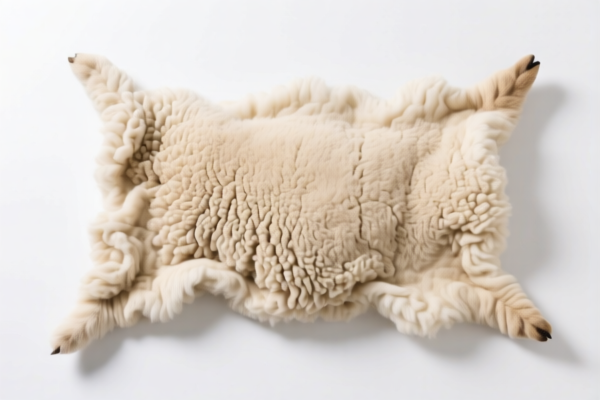
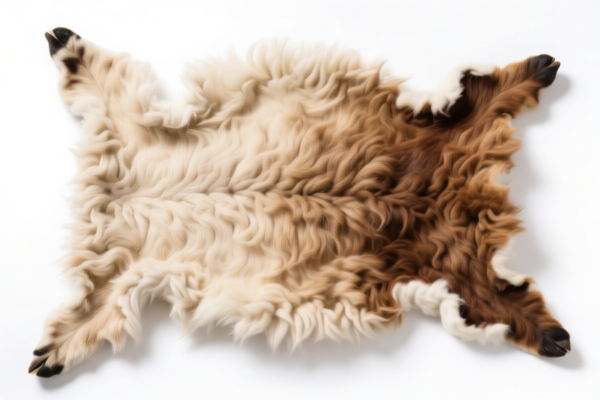
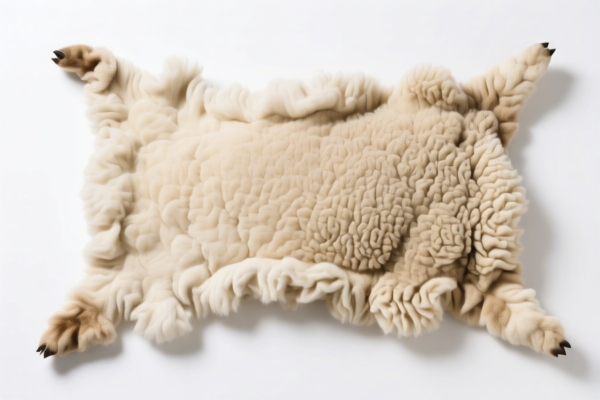
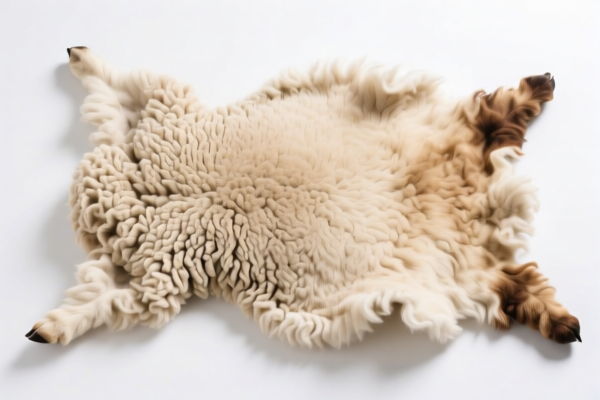
AI Analysis
🐑 Raw Sheepskin (Unprocessed / Un-tanned)
🌐 HS Code Reference & Customs Clearance Guide | 2026 Latest Tariff Analysis | Professional Level Entry Strategy
📌 I. Product Definition & Classification: Do You Really Understand "Raw Sheepskin"?
Raw Sheepskin, in international trade, refers to sheep hides that have been removed from the animal but have not undergone tanning, dressing, or finishing processes. These are essentially the raw material for the leather industry. In customs classification, they are strictly distinguished from processed leather, fur skins with wool attached, and other animal hides.
The key distinction lies in the state of processing: * Un-tanned & Un-dressed: The hide has been salted, dried, or preserved but lacks the chemical stability and texture of finished leather. * With or Without Wool: Some classifications distinguish between skins with wool still attached (fur skins) and those where wool has been removed (sheepskins/hides).
⚠️ Key Distinction Points:
- If the skin is untanned, un-dressed, and dried → It is classified as a raw hide under Chapter 41.
- If the skin is tanned (e.g., vegetable-tanned, chrome-tanned) → It falls under different subheadings (e.g., 4104, 4105) with potentially different duties.
- If the wool is intact and long (fur skin), it may fall under 4103, whereas short-wool or removed-wool sheepskins often fall under 4102.
📦 II. HS Code Classification Details (2026 Latest Tariff Authority Cross-Reference)
Based on the provided data, here are the four specific HS Codes for Raw, Un-tanned Sheepskin:
| HS Code | Product Description (Summary) | Key Characteristics | Applicable Scenario |
|---|---|---|---|
4102.29.10.90 |
Matching Sheepskin Material, No Wool & Un-tanned State | Sheepskin without wool, raw, unprocessed | Bare sheepskins, meat industry by-products |
4103.90.11.90 |
Matching Sheepskin Material, Un-tanned & Dried State | Sheepskin, un-tanned, specifically dried | Dried raw hides ready for transport |
4103.90.11.30 |
Matching Sheepskin Material, Un-tanned & Specific Animal Hide Category | Sheepskin, un-tanned, classified under specific animal hide rules | Specialized raw material for leather manufacturing |
4102.10.10.00 |
Matching Sheepskin Material & Un-tanned State | General raw sheepskin, un-tanned | Standard raw sheepskin imports |
🔍 Key Reminder:
- All these codes fall under Chapter 41: "Animal Skins and Furskins, other than furskins of heading 43.01."
- The common thread is "Un-tanned" (未经鞣制). Once tanned, these codes are invalid.
- Dried vs. Fresh: Customs may require specific preservation methods (salting/drying) for raw hides to prevent decomposition during transit.
💰 III. 2026 Latest Tariff Rate Breakdown (Including Surtaxes & Policy Add-ons)
✅ Applicable Country: United States (US)
✅ Country of Origin: China (CN)
✅ Effective Date: Applies to imports entering the US from China
🎯 1. 4102.29.10.90 —— Sheepskin, no wool, un-tanned
| Item | Content |
|---|---|
| Base Tariff | 0.0% |
| Section 301 Surtax | 7.5% |
| Section 122 Surtax | 10.0% |
| Total Tariff Rate | 17.5% |
| Tax Calculation | CIF Value × 17.5% |
| De Minimis Eligibility | ❌ Not Applicable (Section 122 & 301 typically apply regardless of value for these categories, or de minimis may be suspended for Chinese goods under specific provisions) |
| Legal Basis Path | HTSUS:4102.29.10.90 → Section 301 Footnote → Section 122 Order |
📌 Explanation:
- Base Tariff (0%): Raw animal skins often have low base duties to support domestic leather processing.
- Section 301 Surtax (7.5%): Additional tariff on Chinese goods under the Trade Act of 1974.
- Section 122 Surtax (10%): Additional tariff under the International Emergency Economic Powers Act (IEEPA) or specific trade orders targeting Chinese textiles/animal products.
- Total 17.5%: This is a significant cost for bulk raw materials.
🎯 2. 4103.90.11.90 —— Sheepskin, un-tanned, dried
| Item | Content |
|---|---|
| Base Tariff | 0.0% |
| Section 301 Surtax | 7.5% |
| Section 122 Surtax | 10.0% |
| Total Tariff Rate | 17.5% |
| Tax Calculation | CIF Value × 17.5% |
| De Minimis Eligibility | ❌ Not Applicable |
| Legal Basis Path | HTSUS:4103.90.11.90 → Section 301 Footnote → Section 122 Order |
📌 Note:
- Even though the skin is dried, the surtaxes remain the same.
- Drying is a standard preservation method for raw hides and does not qualify for "processed leather" benefits.
🎯 3. 4103.90.11.30 —— Sheepskin, un-tanned, specific animal hide category
| Item | Content |
|---|---|
| Base Tariff | 0.0% |
| Section 301 Surtax | 7.5% |
| Section 122 Surtax | 10.0% |
| Total Tariff Rate | 17.5% |
| Tax Calculation | CIF Value × 17.5% |
| De Minimis Eligibility | ❌ Not Applicable |
| Legal Basis Path | HTSUS:4103.90.11.30 → Section 301 Footnote → Section 122 Order |
📌 Note:
- This subheading may apply to specific types of sheepskin classified under "other animal hides."
- Ensure the species and preparation method match customs definitions strictly.
🎯 4. 4102.10.10.00 —— Sheepskin, un-tanned
| Item | Content |
|---|---|
| Base Tariff | 0.0% |
| Section 301 Surtax | 7.5% |
| Section 122 Surtax | 10.0% |
| Total Tariff Rate | 17.5% |
| Tax Calculation | CIF Value × 17.5% |
| De Minimis Eligibility | ❌ Not Applicable |
| Legal Basis Path | HTSUS:4102.10.10.00 → Section 301 Footnote → Section 122 Order |
📌 Note:
- This is the most general "raw sheepskin" code.
- If your product fits any of the more specific descriptions (e.g., dried, no wool), prefer the specific code to avoid ambiguity, but the tax impact is identical.
🛠️ IV. Customs Clearance Practical Advice (Battle-Tested Pitfall Guide)
✅ 1. Required Documentation Checklist (Non-negotiable)
| Document | Must Provide | Explanation |
|---|---|---|
| ✅ Product Specification Sheet | ✔️ | Clearly state: "Raw Sheepskin, Un-tanned, Un-dressed," Weight, Size, Preservation Method (Saluted/Dried) |
| ✅ Commercial Invoice | ✔️ | Must explicitly mention "Raw Sheepskin" and HS Code. Avoid vague terms like "Leather" |
| ✅ Packing List | ✔️ | Detail net/gross weight. Raw skins are heavy and dense; accurate weight is crucial for duty calculation |
| ✅ Health/Veterinary Certificate | ✔️ | Required for animal products. Must certify the hides are free from diseases |
| ✅ Preservation Method Proof | ✔️ | Documentation showing salting or drying process to prove they are not "fresh" (which might be banned) |
| ✅ Origin Certificate | ✔️ | To confirm Chinese origin and apply correct Section 301/122 rates |
✅ 2. Declaration Tips (Key Mantra)
🔥 "Raw means Raw, Don't Say 'Leather', Specify 'Un-tanned', Tax is 17.5%!"
| Situation | Correct Declaration | Wrong Practice |
|---|---|---|
| Raw Sheepskin (Un-tanned) | 4102.29.10.90 or 4103.90.11.90 as "Raw Sheepskin, Un-tanned" |
Calling it "Leather" or "Processed Skin" → Misclassification |
| Tanned Sheepskin | 4105.30... (Different Code) |
Using raw codes for tanned goods → High Penalty |
| Fur Skins (With Wool) | 43.01 (If classified as fur) |
Misclassifying fur skins as raw hides → Different duty structure |
| Mixed Batches | Separate by code | Mixing raw and tanned → Customs seizure |
✅ 3. Special Case Handling
| Situation | Handling Advice |
|---|---|
| OEM Custom Cuts | Provide cutting patterns. If pre-cut, ensure they are still "raw" and not "finished goods" |
| Saluted vs. Dried | Clearly state preservation. Saluted hides have higher weight (water/salt); dried hides are lighter. Duty is ad valorem, so weight affects CIF value |
| Small Samples | Even small samples from China are subject to 17.5% duty if shipped via standard commercial freight. De minimis (Section 321) may not apply to animal products from China |
| Quarantine Issues | Raw animal products are high-risk for USDA/APHIS inspection. Ensure no blood residues, parasites, or contamination |
🌍 V. Global Market Clearance Comparison (2026 Latest)
| Country/Region | Recommended HS Code | Tariff | Certification | Notes |
|---|---|---|---|---|
| 🇺🇸 USA | 4102.29.10.90 / 4103.90.11.90 |
17.5% | USDA + CBP | Section 301 (7.5%) + Section 122 (10%) apply |
| 🇨🇳 China | 4102 / 4103 |
0% - 5% | N/A | Raw hides imported into China may have different rules |
| 🇪🇺 EU | 4102 / 4103 |
0% - 2.5% | REACH | No Section 301/122. Standard WTO rates apply |
| 🇬🇧 UK | 4102 / 4103 |
0% - 2.5% | UKCA | Post-Brexit rules align closely with EU |
| 🇦🇺 Australia | 4102 / 4103 |
5% | Biosecurity Permit | Strict biosecurity laws for animal products |
📌 Conclusion:
- USA is the most expensive market for Chinese raw sheepskin due to Section 301 and 122 tariffs.
- EU and UK offer significantly lower tariffs (0-2.5%), making them more attractive if sourcing from China but selling locally.
- Biosecurity is a universal challenge for raw animal products globally.
📌 VI. Common Mistakes & Pitfall Guide (Blood-Tears Lessons)
❌ Mistake 1: Calling "Raw Sheepskin" as "Leather"
👉 Consequence: HS Code misclassification → 17.5% vs. Higher/Complex Duties + Potential fraud allegations
❌ Mistake 2: Ignoring Section 122 Tariffs
👉 Consequence: Underpaying 10% → Penalties + Interest upon audit
❌ Mistake 3: Not providing Vet Certificates
👉 Consequence: USDA/APHIS Hold → Shipment quarantined or destroyed → Total Loss
❌ Mistake 4: Declaring "Fresh" Hides
👉 Consequence: Import Ban → Fresh hides are often prohibited due to disease risk (e.g., BSE)
✅ Correct Practice:
"Raw Sheepskins, Un-tanned, Un-dressed, Saluted, Model: RAW-SHEEP-01, HS: 4102.29.10.90, Origin: China"
🎯 VII. Conclusion: Professional Declaration, Save Time, Reduce Costs!
🎯 Remember the Mantra:
🔹 "Raw means Un-tanned, Say it Clear! 17.5% Total, Don't Fear."
🔹 "Section 301 is 7.5%, Section 122 is 10%, Base is 0%."
🔹 "Biosecurity Docs First, Then Declare, Or the Ship is Stuck!"
📌 Pro Tip:
If your sheepskin is processed further (e.g., pickled, lightly tanned) in a third country (e.g., Vietnam, Bangladesh), you may be able to claim preferential tariffs or avoid Section 301/122 duties by proving substantial transformation.
建议 提前申请预裁定 (Advance Ruling) 与 USDA 预检,避免清关风险。
📣 Immediate Action:
📞 Contact a licensed customs broker + Provide Product Photos + Apply for USDA Pre-inspection
🚀 Let your sheepskin, pass customs smoothly, export efficiently, and maximize profit!
✨ Professional Clearance Starts with Precise Classification!
💼 Every cent of your cost deserves to be calculated precisely!
Customer Reviews
About HS Code Classification
The Harmonized System (HS) is an internationally standardized nomenclature developed by the World Customs Organization (WCO) to classify traded products. Over 200 countries use the HS system as the basis for customs tariffs, trade statistics, and import/export regulations.
Each HS code follows a hierarchical structure:
- Chapter (2 digits) — Broad category of goods (e.g., Chapter 84: Machinery and Mechanical Appliances)
- Heading (4 digits) — More specific grouping within the chapter
- Subheading (6 digits) — Internationally standardized breakdown, used by all WCO member countries
- National subdivisions (8-10 digits) — Country-specific extensions for further classification, such as US HTSUS 10-digit codes
Correct HS code classification is essential for smooth customs clearance, accurate duty payment, and compliance with trade regulations. Misclassification can lead to customs delays, overpayment of duties, or penalties.
When importing from CN to US, the applicable tariff rates may include:
- Most-Favored-Nation (MFN) rate — The standard duty rate applied to WTO members
- General rate — Applied to countries without trade agreements
- Trade remedy duties — Additional tariffs such as Section 301 (anti-dumping), Section 232 (national security), or countervailing duties
The information provided on this page is for reference purposes only. For official classification, please consult with your local customs authority or a licensed customs broker.