Raw Sheepskin or Lambskin for Glove Making
CN → US| HS Code | Tariff Rate | Origin | Destination | Doc |
|---|---|---|---|---|
| 6216008000 | 21.0% | CN | US | Official Doc |
| 6216009000 | 21.3% | CN | US | Official Doc |
| 4203294000 | 47.6% | CN | US | Official Doc |
| 4203295000 | 47.6% | CN | US | Official Doc |
| 4114207000 | 36.6% | CN | US | Official Doc |
Product Images
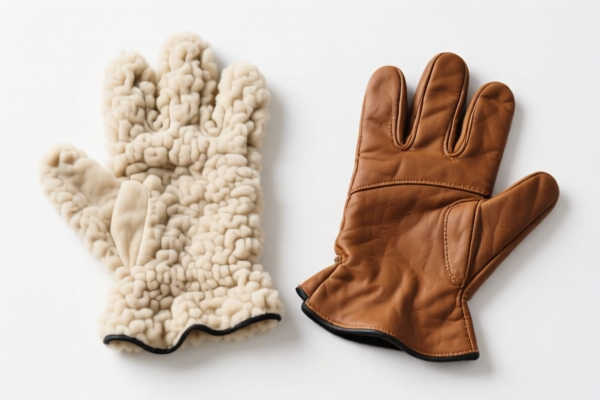
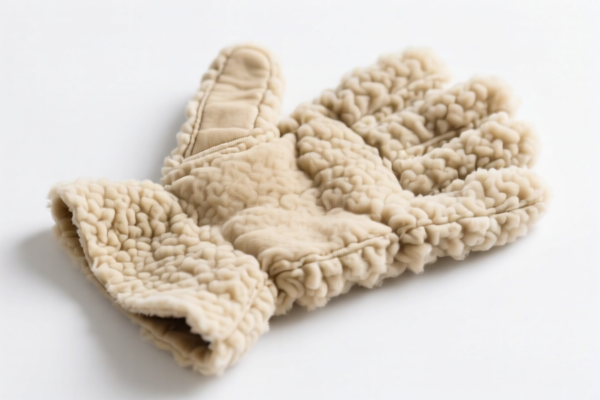
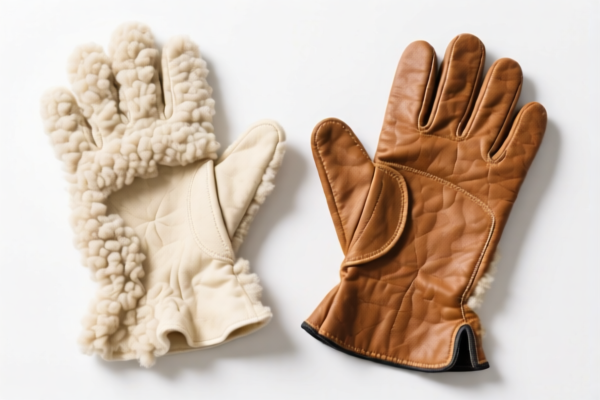
AI Analysis
🧤 Raw Sheepskin / Lambskin for Glove Making
🌐 HS Code Reference & Clearance Guide | 2026 Latest Tariff Analysis | Professional Entry Strategy
📌 I. Product Definition and Classification: What Exactly Is "Raw Sheepskin for Gloves"?
Raw sheepskin or lambskin intended for glove manufacturing is not a finished good, nor is it a simple textile. In international trade, it is classified based on its state of processing: * Unprocessed/Basic Tanned Hides: Sheepskins with hair on (fur) or hair off, primarily prepared for cutting into glove shapes. * Finished Gloves: If the skin has already been cut, sewn, and lined, it falls under finished apparel.
⚠️ Key Distinction:
- If the item is raw material (sides, hides, semi-tanned, no specific glove shape yet) → Classify under Chapter 41 (Leather) or Chapter 42 (Articles of Leather) - Raw Materials.
- If the item is finished gloves (cut, sewn, lined, ready to wear) → Classify under Chapter 61/62 (Articles of Apparel and Clothing Accessaries).
📦 II. HS Code Classification Details (2026 Latest Tariff Authority Comparison)
Based on the provided data, the following HS Codes apply to sheepskin/lambskin products. Note the significant tax differences depending on whether the product is considered raw material or finished gloves.
| HS Code | Product Description | Application Scenario | Tax Rate |
|---|---|---|---|
4114.20.70.00 |
Sheepskin material (no hair/fur), Leather, Raw Material/Semi-finished | Raw sheepskin sides, semi-tanned hides, not yet cut into gloves | 36.6% |
4203.29.40.00 |
Sheepskin Gloves, Leather Material, Apparel Accessory | Finished gloves made of sheepskin, classified as leather accessories | 47.6% |
4203.29.50.00 |
Sheepskin Gloves, Leather Material, No Attribute Conflict | Finished gloves (similar to above), standard leather glove classification | 47.6% |
6216.00.80.00 |
Sheepskin Gloves, Animal Hair/Leather Category | Gloves classified under "Other gloves of felt or non-knitted fabric" or specific animal hair/leather sub-categories | 21.0% |
6216.00.90.00 |
Sheepskin Gloves, Other Forms/Attributes | Gloves with minor attribute conflicts or specific sub-classifications under Chapter 62 | 21.3% |
🔍 Key Reminder:
- Finished vs. Raw: The difference between4114.20.70.00(Raw Material) and4203.29.40.00(Finished Gloves) is massive: 36.6% vs. 47.6%. However, if the gloves are classified under Chapter 62 (Apparel/Accessories) rather than Chapter 42 (Leather Goods), the tax drops significantly to ~21%.
- Chapter 62 vs. Chapter 42: In many jurisdictions, gloves are classified as accessories (Chapter 62 or 61) rather than general leather articles (Chapter 42), which often carry lower base tariffs but are subject to specific附加 taxes.
- 122-Clause Tariff: All entries above include a 10% "122-Clause" tariff, indicating specific US trade restrictions or retaliatory measures on Chinese-origin goods.
💰 III. 2026 Latest Tariff Rate Breakdown (Including Surtaxes and Policy Additions)
✅ Applicable Country: United States (US)
✅ Origin: China (CN)
✅ Effective Date: From November 10, 2025 onwards
🎯 1. 4114.20.70.00 – Raw Sheepskin Material (Semi-finished)
| Item | Details |
|---|---|
| Base Tariff | 1.6% |
| Surtax (Section 301) | +25.0% |
| 122-Clause Tariff | +10.0% |
| Total Rate | 36.6% |
| Calculation | CIF Value × 36.6% |
| De Minimis Exemption | ❌ Not Eligible (High duty rate) |
| Legal Path | Base Tariff → USITC Section 301 → 122-Clause Specific Provision |
📌 Explanation:
- This code applies to sheepskin used as raw material, not yet cut into glove shapes.
- The 25% Surtax is the standard Section 301 duty on Chinese leather goods.
- The 10% 122-Clause Tariff is an additional penalty, likely related to specific trade policy actions against certain leather products.
🎯 2. 4203.29.40.00 & 4203.29.50.00 – Finished Sheepskin Gloves (Leather Category)
| Item | Details |
|---|---|
| Base Tariff | 12.6% |
| Surtax (Section 301) | +25.0% |
| 122-Clause Tariff | +10.0% |
| Total Rate | 47.6% |
| Calculation | CIF Value × 47.6% |
| De Minimis Exemption | ❌ Not Eligible |
| Legal Path | Base Tariff → USITC Section 301 → 122-Clause Specific Provision |
📌 Explanation:
- These codes classify finished gloves as leather articles.
- The higher base tariff (12.6%) compared to raw material (1.6%) reflects the value-added nature of the product.
- Total 47.6% is extremely high. Importers should verify if classification under Chapter 62 is possible to reduce costs.
🎯 3. 6216.00.80.00 & 6216.00.90.00 – Sheepskin Gloves (Apparel/Accessory Category)
| Item | Details |
|---|---|
| Base Tariff | 3.5% (for 80) / 3.8% (for 90) |
| Surtax (Section 301) | +7.5% |
| 122-Clause Tariff | +10.0% |
| Total Rate | 21.0% (80) / 21.3% (90) |
| Calculation | CIF Value × 21.0% / 21.3% |
| De Minimis Exemption | ❌ Not Eligible |
| Legal Path | Base Tariff → USITC Section 301 → 122-Clause Specific Provision |
📌 Explanation:
- This is the most cost-effective classification for sheepskin gloves if legally justifiable.
- By classifying gloves as accessories (Chapter 62) rather than leather articles (Chapter 42), the Section 301 surtax drops from 25% to 7.5%.
- Total 21.0%–21.3% is less than half the cost of Chapter 42 classification.
- Critical Condition: The goods must clearly fit the definition of "gloves" under Chapter 62 (e.g., lined, shaped, finished), not just "leather articles."
🛠️ IV. Clearance Practical Advice (Real-World Pitfall Avoidance)
✅ 1. Documentation Checklist (Mandatory)
| Document | Required | Purpose |
|---|---|---|
| ✅ Product Specification Sheet | ✔️ | Must specify: Material (Sheepskin/Lambskin), Tanning Method, Lining Material, Finish (Hair-on/Hair-off). |
| ✅ Photos (Real Product) | ✔️ | Show the entire item, including seams, linings, cuffs, and labels. Must prove it is a finished glove, not a raw hide. |
| ✅ Commercial Invoice | ✔️ | Clearly state "Sheepskin Gloves" or "Sheepskin Raw Material," not vague terms like "Leather Products." |
| ✅ Packing List | ✔️ | Detail quantities, weights, and dimensions. |
| ✅ Proof of Construction | ✔️ | If claiming Chapter 62, provide diagrams showing stitching, lining, and shaping to prove it is a "glove," not a "leather article." |
✅ 2. Declaration Strategy (Key Mnemonic)
🔥 "Finished Gloves: Chapter 62, Low Tax! Raw Hides: Chapter 41, High Tax! Never Mix!"
| Scenario | Correct Classification | Risk if Incorrect |
|---|---|---|
| Finished Sheepskin Gloves (Lined, Shaped) | 6216.00.80.00 / 90.00 (21.0–21.3%) | Misdeclaring as 4203 (47.6%) → Double Tax! |
| Raw Sheepskin Sides (Unshaped) | 4114.20.70.00 (36.6%) | Misdeclaring as gloves → Customs Rejection |
| Semi-Finished Glove Cuts (Cut but not sewn) | Depends on jurisdiction; often 4203 or 4114 |
Must provide "Cut List" and photos to prove state of completion. |
| Gloves with Mixed Materials (e.g., Leather + Cotton) | Check Primary Material Rule | If leather is primary, may still fall under 6216 or 4203. |
✅ 3. Special Cases Handling
| Case | Recommendation |
|---|---|
| OEM Custom Gloves | Provide client design specs to prove "finished" status. Avoid generic "leather accessories." |
| Hair-On Sheepskin | Clearly state "Hair-On" or "Shearling." If classified as fur, different rules may apply. |
| Lined Gloves | If lined with wool, silk, or synthetic, emphasize "Glove" classification under Chapter 62. |
| Sample vs. Bulk | Samples may still be subject to duties. Do not assume "samples" are duty-free for commercial sheepskin. |
🌍 V. Global Market Clearance Comparison (2026 Latest)
| Country/Region | Recommended HS Code | Tariff Rate | Certification | Note |
|---|---|---|---|---|
| 🇺🇸 USA | 6216.00.80.00 |
21.0% | None Specific | Best option: Classify as glove/accessory, not leather article. |
| 🇨🇳 China | 4203.29.40.00 |
~10–15% | CCC (if applicable) | Lower tariffs than US, but verify local rules. |
| 🇪🇺 EU | 4203.29.35 |
12% + VAT | CE (if safety gear) | EU classifies gloves under Chapter 42. No Section 301 surtax. |
| 🇬🇧 UK | 4203.29.90 |
12% + VAT | UKCA | Post-Brexit, similar to EU rules. |
| 🇯🇵 Japan | 4203.29.000 |
10–12% | No Specific | Moderate tariffs, no major surtaxes on leather gloves. |
📌 Conclusion:
- USA is the most punitive market due to Section 301 and 122-Clause tariffs.
- Strategic Advantage: Classifying as Chapter 62 (Accessories) instead of Chapter 42 (Leather) saves ~26% in tariffs in the US.
- Recommendation: Work with a customs broker to argue for Chapter 62 classification if the product is clearly a finished glove.
📌 VI. Common Errors & Pitfalls (Lessons Learned)
❌ Error 1: Declaring "Sheepskin Gloves" as "Leather Articles" (4203)
👉 Consequence: Tax jumps from 21% to 47.6% → Huge cost increase!
❌ Error 2: Declaring Raw Sheepskin as "Gloves" to avoid surtax
👉 Consequence: Customs inspection fails → Penalties, delays, or return of goods.
❌ Error 3: Using vague descriptions like "Leather Gloves" without specifying material or construction
👉 Consequence: Customs assigns worst-case HS Code → Highest possible tariff.
❌ Error 4: Ignoring the 122-Clause Tariff
👉 Consequence: Unexpected 10% additional charge at border → Budget overrun.
✅ Correct Practice:
"Finished Sheepskin Gloves, Lined, Size 7, Model XYZ, Origin China"
HS Code:6216.00.80.00
Total Duty: 21.0%
🎯 VII. Conclusion: Professional Declaration, Save Money, Speed Clearance!
🎯 Remember the Mnemonic:
🔹 "Finished Gloves: Chapter 62, 21%! Raw Hides: Chapter 41, 36%! Leather Articles: Chapter 42, 47%! Choose Wisely!"
🔹 "HS Code Determines Destiny, Tax Rate Differs by 26 Points, One Step Wrong, Thousands Lost!"
📌 Pro Tip:
If your sheepskin gloves are sourced from Vietnam, Mexico, or Thailand, you may qualify for IEEPA Exemptions or lower Section 301 rates.
Recommendation: Apply for an Advance Ruling (Ruling Letter) from US Customs and Border Protection (CBP) before shipment to confirm Chapter 62 eligibility.
📣 Immediate Action:
📞 Contact a professional customs broker + Provide Product Photos + Apply for HS Code Advance Ruling
🚀 Let your sheepskin gloves pass smoothly, clear quickly, and maximize profits!
✨ Professional Clearance Starts with Accurate Classification!
💼 Every Cent of Your Cost Deserves Precise Calculation!
Customer Reviews
About HS Code Classification
The Harmonized System (HS) is an internationally standardized nomenclature developed by the World Customs Organization (WCO) to classify traded products. Over 200 countries use the HS system as the basis for customs tariffs, trade statistics, and import/export regulations.
Each HS code follows a hierarchical structure:
- Chapter (2 digits) — Broad category of goods (e.g., Chapter 84: Machinery and Mechanical Appliances)
- Heading (4 digits) — More specific grouping within the chapter
- Subheading (6 digits) — Internationally standardized breakdown, used by all WCO member countries
- National subdivisions (8-10 digits) — Country-specific extensions for further classification, such as US HTSUS 10-digit codes
Correct HS code classification is essential for smooth customs clearance, accurate duty payment, and compliance with trade regulations. Misclassification can lead to customs delays, overpayment of duties, or penalties.
When importing from CN to US, the applicable tariff rates may include:
- Most-Favored-Nation (MFN) rate — The standard duty rate applied to WTO members
- General rate — Applied to countries without trade agreements
- Trade remedy duties — Additional tariffs such as Section 301 (anti-dumping), Section 232 (national security), or countervailing duties
The information provided on this page is for reference purposes only. For official classification, please consult with your local customs authority or a licensed customs broker.