Raw Silk Yarn
CN → US| HS Code | Tariff Rate | Origin | Destination | Doc |
|---|---|---|---|---|
| 5004000000 | 35.0% | CN | US | Official Doc |
| 5006009000 | 35.0% | CN | US | Official Doc |
| 5006001000 | 35.0% | CN | US | Official Doc |
| 5002000000 | 35.0% | CN | US | Official Doc |
| 5004000000 | 35.0% | CN | US | Official Doc |
Product Images
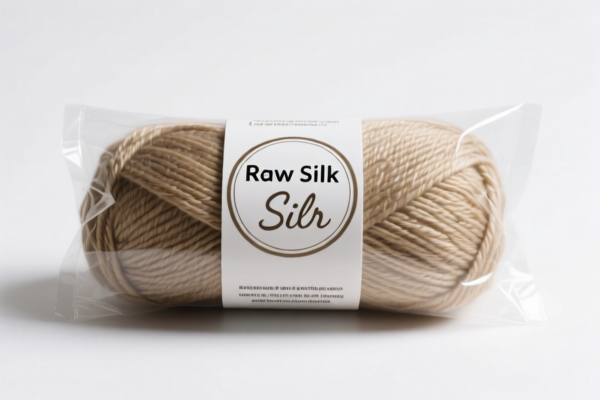
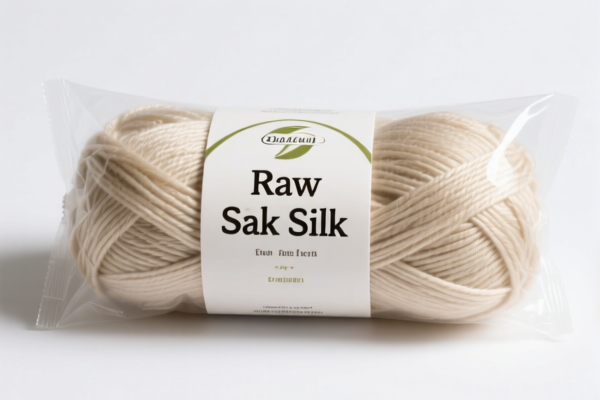
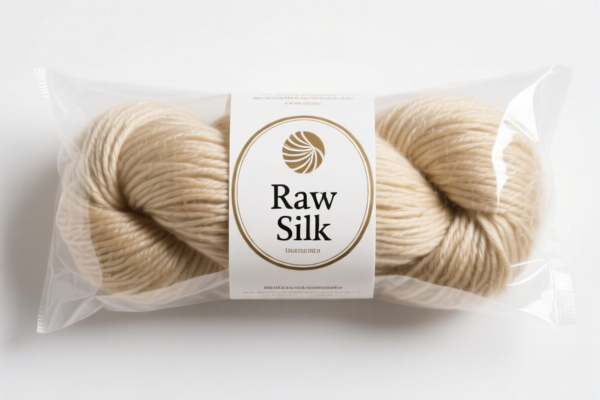
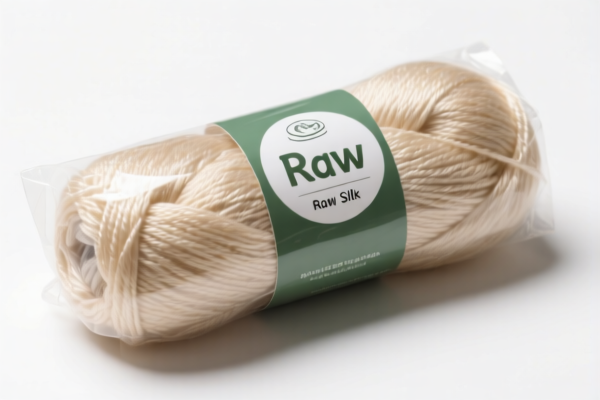
AI Analysis
🧵 Raw Silk Yarn (生丝长丝纱)
🌐 HS Code Reference & Customs Clearance Guide | 2026 Latest Tariff Analysis | Professional Entry Strategy
📌 1. Product Definition & Classification: What Exactly is "Raw Silk Yarn"?
Raw Silk Yarn refers to continuous filament silk obtained from silkworm cocoons, which has been degummed (partially or fully) and twisted or prepared for weaving/knitting. In international trade, the classification depends heavily on the state of processing (unreprocessed vs. processed) and the packaging form (retail vs. bulk).
⚠️ Critical Distinction:
- If the silk is unreprocessed (straight from the cocoon, no twist/retwist for final use), it is Raw Silk (Filament) → HS 5002.
- If the silk is reeled and twisted to form a yarn suitable for weaving, it is Yarn → HS 5004.
- If the yarn is packaged for retail sale (small cones/bobbins) and meets specific content requirements, it falls under specific retail yarn codes → HS 5006.
📦 2. HS Code Classification Details (2026 Latest Tariff Mapping)
Based on the provided data, the following HS Codes apply to Raw Silk Yarn products, categorized by their specific physical and processing state.
| HS Code | Product Description | Key Matching Criteria | Applicable Scenario |
|---|---|---|---|
5002.00.00.00 |
Raw Silk (Reeled Silk) | Unreprocessed raw silk; matches material & form; defined as unreprocessed raw silk. | Bulk silk filaments from cocoons, not yet twisted into yarn. |
5004.00.00.00 |
Silk Yarn (Non-Retail) | Raw silk long-filament yarn; matches material & form; defined as silk yarn. | Standard industrial silk yarn for weaving/knitting. |
5006.00.90.00 |
Silk Yarn (Retail) | Raw silk long-filament yarn or true silk yarn; matches material & form; defined as retail-packaged silk yarn. | Small bobbins/cones sold directly to consumers or small workshops. |
5006.00.10.00 |
Silk Yarn (Specific Content) | Raw silk long-filament yarn or true silk yarn; matches material & form; meets silk content requirements. | Yarn with specific declared silk percentage (e.g., pure silk vs. blend). |
🔍 Important Note:
- All listed codes apply to Chinese-origin goods imported into markets subject to Section 301 and Section 122 tariffs. - The description "Raw Silk Yarn" broadly covers filaments (5002) and processed yarns (5004,5006). Correct classification depends on whether the product is unreprocessed or twisted/retailed.
💰 3. 2026 Latest Tariff Rate Breakdown (Detailed Tax Clauses)
✅ Applicable Country: United States (US)
✅ Country of Origin: China (CN)
✅ Effective Date: Current policies in effect through 2026
All HS Codes listed below (5002.00.00.00, 5004.00.00.00, 5006.00.90.00, 5006.00.10.00) share the same total tax rate structure according to the provided data.
🎯 1. Total Tax Rate: 35.0%
| Tax Component | Rate | Legal Basis & Explanation |
|---|---|---|
| Base Duty (MFN) | 0.0% | Standard Most Favored Nation duty for silk products is often 0%. |
| Section 301 Surcharge | 25.0% | Additional duty imposed under USTR Section 301 investigations on Chinese goods. |
| Section 122 Tariff | 10.0% | Additional duty under Section 122 authority (often invoked for national security or specific trade adjustments). |
| Total Effective Rate | 35.0% | Sum of Base + Section 301 + Section 122. |
📌 Explanation:
- Base Rate (0%): Silk yarns typically enjoy low base duties in the US HTSUS.
- Section 301 (25%): Applies to all Chinese-origin silk products listed in the 301 tariff list (List 3/4).
- Section 122 (10%): An additional layer of tariff applied under specific executive authorities, bringing the total to 35%.
- No De Minimis Exemption: These goods do not qualify for the $800 de minimis exemption due to the high tariff burden and origin restrictions.
🛠️ 4. Customs Clearance Practical Advice (Step-by-Step Guide)
✅ 1. Required Documentation Checklist
| Document | Mandatory? | Purpose |
|---|---|---|
| Commercial Invoice | ✔️ | Must clearly state "Raw Silk Yarn," HS Code, Origin (China), and CIF value. |
| Packing List | ✔️ | Detail number of cones/bobbins, gross/net weight, and packaging type (bulk vs. retail). |
| Certificate of Origin | ✔️ | Critical for verifying Chinese origin and applying (or confirming non-eligibility for) tariff exemptions. |
| Product Specification Sheet | ✔️ | Must specify: - Material: 100% Raw Silk or blend? - Processing State: Unreprocessed ( 5002) or Twisted/Yarn (5004/5006).- Packaging: Retail-ready ( 5006) or Industrial bulk (5004). |
| Test Report | ✔️ | Optional but recommended to verify silk content, especially for 5006.00.10.00. |
✅ 2. Declaration Strategy (Key Tips)
🔥 "Define the State: Unreprocessed? Retail? Industrial?"
| Scenario | Correct HS Code | Declaration Description |
|---|---|---|
| Bulk Silk Filaments (No twist, straight from cocoon) | 5002.00.00.00 |
"Reeled Raw Silk, Unreprocessed, Bulk Packaging" |
| Industrial Silk Yarn (Twisted, large spools) | 5004.00.00.00 |
"Raw Silk Yarn, Twisted, Not for Retail" |
| Retail Silk Yarn (Small cones, sold to end-user) | 5006.00.90.00 |
"Silk Yarn, Packaged for Retail Sale" |
| Silk Yarn with Specific Content Claim | 5006.00.10.00 |
"Silk Yarn, [X]% Silk Content, Retail Packaged" |
⚠️ Avoid Misclassification:
- Do not declare retail-packaged yarn as industrial yarn (5004) to avoid scrutiny; it may be rejected.
- Do not declare unreprocessed silk as yarn (5004); it may be classified as raw material (5002) with different regulatory requirements.
✅ 3. Cost Calculation Example
| Item | Value (USD) |
|---|---|
| CIF Value | $10,000 |
| Base Duty (0%) | $0 |
| Section 301 (25%) | $2,500 |
| Section 122 (10%) | $1,000 |
| Total Duty Payable | $3,500 (35%) |
🌍 5. Global Market Comparison (2026)
| Market | HS Code Range | Base Duty | Additional Tariffs (China) | Total Estimated Rate |
|---|---|---|---|---|
| 🇺🇸 USA | 5002/5004/5006 | 0% | 25% (Sec 301) + 10% (Sec 122) | 35% |
| 🇨🇳 China | 5002/5004/5006 | 5-10% | None | 5-10% |
| 🇪🇺 EU | 5002/5004/5006 | 0-4% | None (if no anti-dumping) | 0-4% |
| 🇬🇧 UK | 5002/5004/5006 | 0-6% | None | 0-6% |
| 🇯🇵 Japan | 5002/5004/5006 | 0-6.5% | None | 0-6.5% |
📌 Conclusion:
- The US market is the most expensive for Chinese silk yarn due to the 35% total tariff burden.
- EU, UK, Japan, and China have significantly lower barriers, making them more attractive for silk yarn exports if supply chain adjustments are possible.
📌 6. Common Pitfalls & Avoidance Guide
❌ Mistake 1: Declaring unreprocessed silk as yarn (5004)
👉 Consequence: Customs may reclassify to 5002, causing delays or penalties if documentation doesn't match.
✅ Fix: Clearly state "Unreprocessed" or "Twisted" in the description.
❌ Mistake 2: Ignoring Section 122 Tariff
👉 Consequence: Underpayment of 10%, leading to back taxes, fines, and cargo hold.
✅ Fix: Always include Section 122 in cost calculations for US imports from China.
❌ Mistake 3: Incorrect Packaging Description for 5006
👉 Consequence: If declared as retail but shipped in bulk, customs may reject the 5006 code.
✅ Fix: Match packaging in invoice/photo with HS code definition (retail-ready vs. industrial).
🎯 7. Final Checklist for Exporters
- Verify Processing State: Is it raw filament (
5002) or yarn (5004/5006)? - Check Packaging: Is it retail-ready (
5006)? - Calculate Total Cost: Include 35% duty for US shipments.
- Prepare Documentation: Origin certificate, spec sheet, clear invoice.
- Consult Broker: Pre-clearance review with a licensed customs broker to confirm HS Code.
📣 Immediate Action:
📞 Contact a Customs Broker to verify the exact classification of your silk product.
📄 Prepare Detailed Specs highlighting processing state and packaging.
💸 Budget for 35% Duty if exporting to the US.
✨ Precision in Classification Saves Thousands!
💼 Silk is delicate, but customs compliance must be robust.
Customer Reviews
About HS Code Classification
The Harmonized System (HS) is an internationally standardized nomenclature developed by the World Customs Organization (WCO) to classify traded products. Over 200 countries use the HS system as the basis for customs tariffs, trade statistics, and import/export regulations.
Each HS code follows a hierarchical structure:
- Chapter (2 digits) — Broad category of goods (e.g., Chapter 84: Machinery and Mechanical Appliances)
- Heading (4 digits) — More specific grouping within the chapter
- Subheading (6 digits) — Internationally standardized breakdown, used by all WCO member countries
- National subdivisions (8-10 digits) — Country-specific extensions for further classification, such as US HTSUS 10-digit codes
Correct HS code classification is essential for smooth customs clearance, accurate duty payment, and compliance with trade regulations. Misclassification can lead to customs delays, overpayment of duties, or penalties.
When importing from CN to US, the applicable tariff rates may include:
- Most-Favored-Nation (MFN) rate — The standard duty rate applied to WTO members
- General rate — Applied to countries without trade agreements
- Trade remedy duties — Additional tariffs such as Section 301 (anti-dumping), Section 232 (national security), or countervailing duties
The information provided on this page is for reference purposes only. For official classification, please consult with your local customs authority or a licensed customs broker.