Raw Sucrose Block
CN → US| HS Code | Tariff Rate | Origin | Destination | Doc |
|---|---|---|---|---|
| 1701120500 | 0.0% | CN | US | Official Doc |
| 1701140500 | 0.0% | CN | US | Official Doc |
Product Images
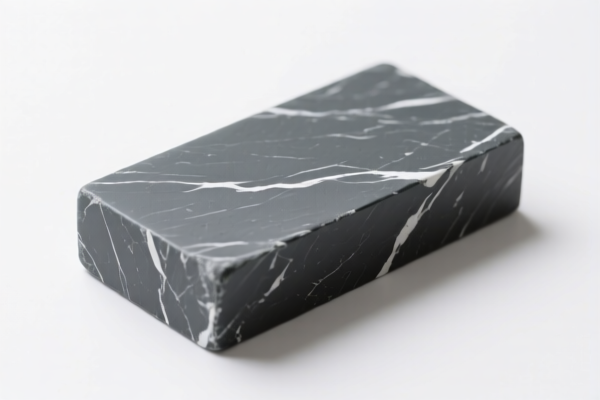
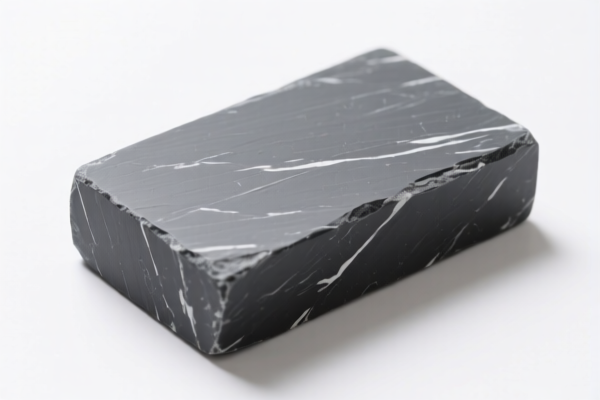
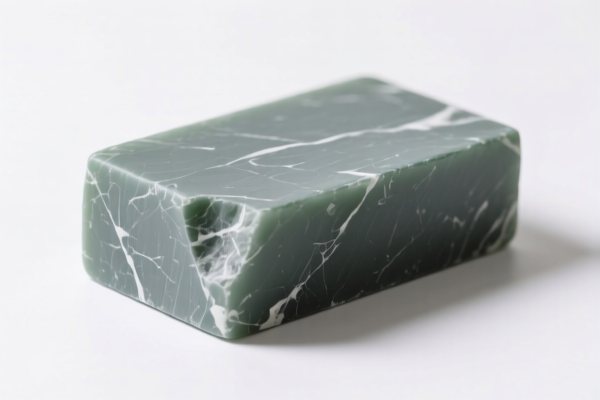
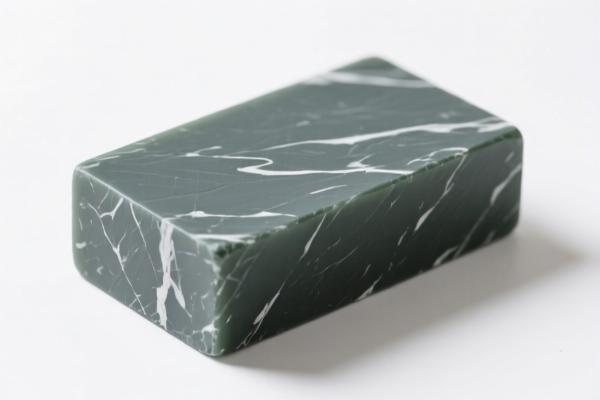
AI Analysis
🍬 Raw Sucrose Blocks (Unrefined Sugar Crystals)
🌐 HS Code Reference & Clearance Guide | 2026 Latest Tariff Analysis | Professional Customs Strategy
📌 1. Product Definition & Classification: What is "Raw Sucrose"?
Raw sucrose blocks refer to unrefined sugar derived from either sugarcane or beets. These products have undergone minimal processing (typically only crushing, extracting, and crystallizing) but do not contain added flavorings, colors, or significant impurities that would push them into other categories. They are the intermediate stage between raw juice and refined white sugar.
In international trade, classification depends strictly on the origin of the sucrose (Cane vs. Beet) and whether it meets the specific definitions in General Note 15 of the tariff schedule.
⚠️ Critical Distinction:
- If the sugar is derived from Sugarcane → HS Code1701.14.05.00
- If the sugar is derived from Beets → HS Code1701.12.05.00
- Both must be "Raw sugar not containing added flavoring or coloring matter."
📦 2. HS Code Classification Details (2026 Latest Tariff Authority)
Based on the provided data, here are the exact classifications for Raw Sucrose Blocks:
| HS Code | Product Description | Key Characteristics | Source |
|---|---|---|---|
1701.12.05.00 |
Beet Sugar | Raw beet sugar, no added flavor/color, meets General Note 15 conditions. | Beet Origin |
1701.14.05.00 |
Cane Sugar | Raw cane sugar, no added flavor/color, meets General Note 15 conditions. | Cane Origin |
🔍 Key Note:
- These codes specifically apply to sugar entered pursuant to General Note 15 of the tariff schedule.
- "Chemically pure sucrose" in solid form is included, but "raw sugar" is the primary descriptor here.
- No added coloring or flavoring is a strict requirement. If coloring is added, it falls under different subheadings (e.g., 1701.91/92).
💰 3. 2026 Latest Tariff Rate Breakdown
✅ Applicable Countries: United States (US)
✅ Origin: Typically China (CN) or other major exporters
✅ Effective Date: Current rates as per provided data
🎯 1. 1701.12.05.00 — Raw Beet Sugar
| Item | Detail |
|---|---|
| Base Tariff Rate | 0.0% |
| Additional Tariff (Section 301/Trade War) | 0.0% |
| Total Effective Tax Rate | 0.0% |
| Tax Detail | "基础关税: 0.0%, 加征关税: 0.0%" |
| Legal Basis | General Note 15 of the Tariff Schedule |
📌 Explanation:
- Raw beet sugar currently enjoys a 0% duty rate under the provided data.
- This suggests no additional punitive tariffs (like the 25% Section 301 tariffs often applied to many Chinese goods) are currently levied on this specific HS code based on the provided dataset.
- Verify: Always check if any temporary exclusions or new executive orders have changed this status, as sugar tariffs can fluctuate based on trade agreements.
🎯 2. 1701.14.05.00 — Raw Cane Sugar
| Item | Detail |
|---|---|
| Base Tariff Rate | 0.0% |
| Additional Tariff (Section 301/Trade War) | 0.0% |
| Total Effective Tax Rate | 0.0% |
| Tax Detail | "基础关税: 0.0%, 加征关税: 0.0%" |
| Legal Basis | General Note 15 of the Tariff Schedule |
📌 Explanation:
- Similar to beet sugar, raw cane sugar also has a 0% total tax rate in this context.
- This makes raw sucrose blocks highly competitive for importers seeking low-cost sweetener intermediates.
- Note: If the sugar was refined or had added colors/flavors, the rate would change significantly. Stick to "Raw" status for these 0% rates.
🛠️ 4. Clearance Practical Advice (Avoid Pitfalls)
✅ 1. Documentation Checklist (Must-Have)
| Document | Required? | Explanation |
|---|---|---|
| Commercial Invoice | ✔️ | Must clearly state "Raw Sugar" and specify Cane or Beet origin. |
| Certificate of Origin (CO) | ✔️ | Critical to prove origin for General Note 15 compliance. |
| Product Specification Sheet | ✔️ | Confirm no added flavoring or coloring. |
| Laboratory Analysis Report | ✔️ | Proves sucrose content and absence of prohibited additives. |
| Bill of Lading (B/L) | ✔️ | Match descriptions with invoice. |
✅ 2. Declaration Tips
🔥 “Be Honest About Origin: Cane vs. Beet Matters!”
| Scenario | Correct Declaration | Error to Avoid |
|---|---|---|
| Sugar from Sugarcane | 1701.14.05.00 (Cane Sugar) |
Misdeclare as Beet Sugar → Classification Error |
| Sugar from Beets | 1701.12.05.00 (Beet Sugar) |
Misdeclare as Cane Sugar → Classification Error |
| Added Color/Flavor | Different HS Code (e.g., 1701.91/92) | Declare as "Raw" → 0% Rate but High Penalty |
| Refined White Sugar | Different HS Code (e.g., 1701.99) | Declare as "Raw" → 0% Rate but High Penalty |
✅ 3. Special Considerations
| Situation | Advice |
|---|---|
| General Note 15 Compliance | Ensure the sugar meets the specific physical and chemical standards defined in General Note 15. If it fails, it may be reclassified, leading to higher duties. |
| Anti-Dumping Duties | While the base rate is 0%, check for country-specific anti-dumping duties (especially for beet sugar from certain EU countries or cane sugar from specific regions). |
| Quota Restrictions | Some countries impose tariff-rate quotas (TRQs) for sugar. Even if the MFN rate is 0%, check if you are within the quota. |
🌍 5. Global Market Comparison (2026 Overview)
| Country/Region | Recommended HS Code | Duty Rate | Notes |
|---|---|---|---|
| 🇺🇸 United States | 1701.12.05.00 / 1701.14.05.00 |
0.0% | Based on provided data. Verify for TRQ limits. |
| 🇨🇳 China | 1701.13 / 1701.14 |
~15-20% | China often imposes higher duties on raw sugar to protect domestic production. |
| 🇪🇺 European Union | 1701.12 / 1701.14 |
Variable | EU has complex tariff-rate quotas for sugar imports. |
| 🇬🇧 United Kingdom | 1701.12 / 1701.14 |
Variable | Post-Brexit tariffs may differ from EU rates. |
📌 Conclusion:
- The US offers a 0% duty rate for raw cane and beet sugar under the provided data, making it an attractive destination for raw sucrose imports.
- Critical: The 0% rate applies only if the sugar is truly "raw" and meets General Note 15. Any processing beyond raw crystallization may change the HS code and trigger higher duties.
📌 6. Common Errors & Pitfalls (Lessons Learned)
❌ Error 1: Declaring Refined Sugar as Raw Sugar
👉 Consequence: Misclassification, potential fraud charges, and repayment of underpaid duties.
✅ Fix: Provide lab reports proving the sugar is unrefined and has no added colors/flavors.
❌ Error 2: Ignoring General Note 15
👉 Consequence: Customs may reject the 0% rate if the sugar doesn't meet the specific "General Note 15" criteria.
✅ Fix: Ensure the product specifications align exactly with General Note 15 definitions.
❌ Error 3: Confusing Cane and Beet Origins
👉 Consequence: Wrong HS code selection (1701.12 vs 1701.14). While the duty is the same in this case, incorrect documentation can delay clearance.
✅ Fix: Clearly state the source (Cane/Beet) on the commercial invoice and CO.
🎯 7. Conclusion: Professional Declaration, Zero Duty Opportunity
🎯 Key Takeaway:
🔹 Raw Sucrose Blocks (Cane or Beet) are classified under
1701.12.05.00or1701.14.05.00.
🔹 Total Tax Rate: 0.0% (Base + Additional).
🔹 Condition: Must be "Raw," with no added flavor/color, and compliant with General Note 15.
📌 Pro Tip:
If your sugar is not raw (e.g., it has been partially refined or has additives), you will lose the 0% rate. Always consult a customs broker to confirm the exact HS code based on the product's final state.
📣 Immediate Action:
📞 Contact a Licensed Customs Broker
📄 Prepare Lab Reports & Certificates of Origin
🚀 Ensure "Raw" Status is Documented Clearly
💼 Zero Duty is Available – Don't Miss It!
✨ Precision in Classification Saves Money!
💼 Your Raw Sugar Imports Deserve the 0% Rate!
Customer Reviews
About HS Code Classification
The Harmonized System (HS) is an internationally standardized nomenclature developed by the World Customs Organization (WCO) to classify traded products. Over 200 countries use the HS system as the basis for customs tariffs, trade statistics, and import/export regulations.
Each HS code follows a hierarchical structure:
- Chapter (2 digits) — Broad category of goods (e.g., Chapter 84: Machinery and Mechanical Appliances)
- Heading (4 digits) — More specific grouping within the chapter
- Subheading (6 digits) — Internationally standardized breakdown, used by all WCO member countries
- National subdivisions (8-10 digits) — Country-specific extensions for further classification, such as US HTSUS 10-digit codes
Correct HS code classification is essential for smooth customs clearance, accurate duty payment, and compliance with trade regulations. Misclassification can lead to customs delays, overpayment of duties, or penalties.
When importing from CN to US, the applicable tariff rates may include:
- Most-Favored-Nation (MFN) rate — The standard duty rate applied to WTO members
- General rate — Applied to countries without trade agreements
- Trade remedy duties — Additional tariffs such as Section 301 (anti-dumping), Section 232 (national security), or countervailing duties
The information provided on this page is for reference purposes only. For official classification, please consult with your local customs authority or a licensed customs broker.