Raw Tanned Sheepskin for Crafts
CN → US| HS Code | Tariff Rate | Origin | Destination | Doc |
|---|---|---|---|---|
| 4114100000 | 38.2% | CN | US | Official Doc |
| 4114207000 | 36.6% | CN | US | Official Doc |
| 4112003060 | 12.0% | CN | US | Official Doc |
| 4112006000 | 12.0% | CN | US | Official Doc |
| 4112003060 | 12.0% | CN | US | Official Doc |
Product Images
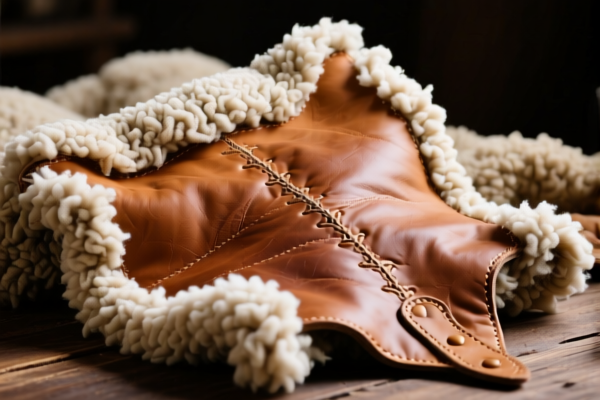
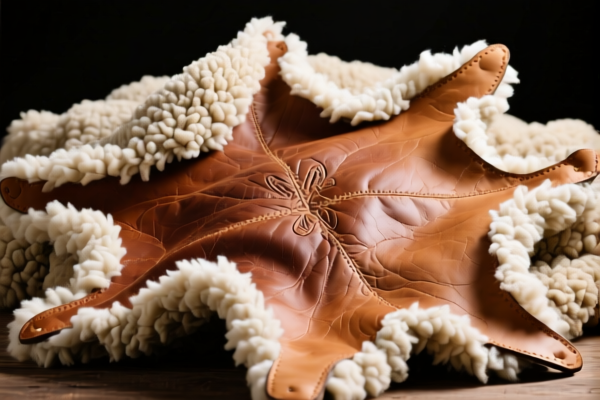
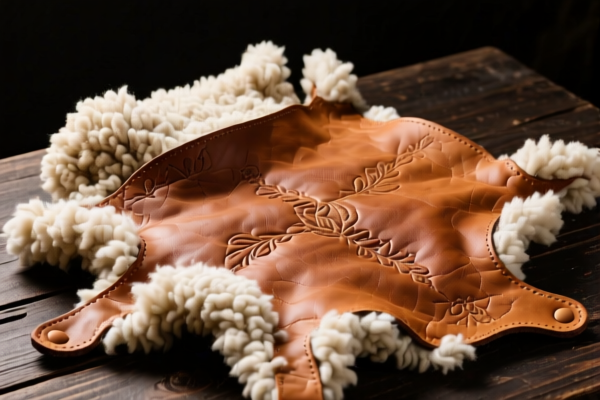
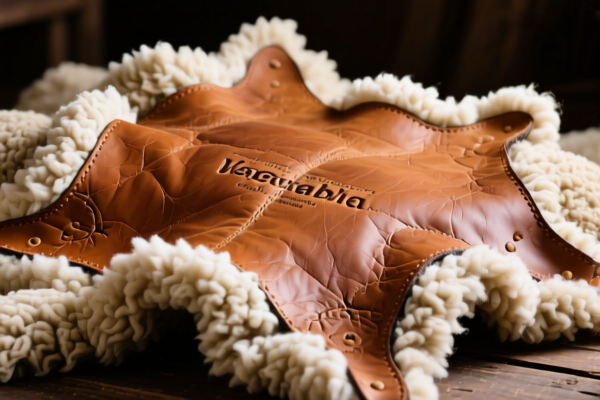
AI Analysis
🐑 Raw Tanned Sheepskin for Crafts (Home Decor Application)
🌐 HS Code Reference & Customs Clearance Guide | 2026 Latest Tariff Analysis | Professional Clearance Strategy
📌 I. Product Definition & Classification: What is "Raw Tanned Sheepskin"?
"Raw Tanned Sheepskin for Crafts" refers to sheepskin that has undergone the tanning process (using vegetable, chrome, or other agents) to prevent decay and improve durability, but is intended not for apparel, but rather for home decoration, crafts, upholstery, or accessories.
In international trade, the classification of tanned sheepskin hinges critically on two factors: 1. Processing Method: Is it merely "dried/raw" or has it been "tanned"? 2. End Use: Is it for clothing or non-clothing purposes (like home decor)?
⚠️ Key Distinction:
- If the skin is merely dried/salted without tanning → It is usually classified under Chapter 41 (Raw Skins).
- If the skin is tanned but still in its natural raw state (uncut/unworked beyond tanning) → It falls under 4102.
- If further processed (curried, finished, dyed specifically for fashion) → It may fall under 4114 (Prepared leather) or 4112 (Other prepared hides).
For "Home Decor Tanned Sheepskin," customs often scrutinize whether it is classified as "Prepared Leather" (4114) or "Other Prepared Sheepskins" (4112) based on specific treatment (e.g., suede/nubuck vs. patent/coated).
📦 II. HS Code Classification Details (2026 Latest Tariff Authority Comparison)
Based on the provided data for Raw Tanned Sheepskin for Crafts, here are the applicable HS Codes and their specific justifications:
| HS Code | Product Description | Application Scenario | Tax Rate (Total) | Key Distinction |
|---|---|---|---|---|
4114.10.00.00 |
Tanned Sheepskin for Home Decor, Matching Suede/Leather Materials & Tanning Attributes | Suede sheepskin, nubuck, or standard tanned sheepskin used for cushions, throws, or wall hangings | 38.2% | Suede/Nubuck: Has a nap surface; classified under "Suede" subheading. |
4114.20.70.00 |
Tanned Sheepskin for Home Decor, Matching Patent Leather & Coated Leather Categories | Sheepskin with a glossy lacquer or plastic coating, often used for modern/decorative upholstery | 36.6% | Patent/Coated: Surface is sealed/coated, distinct from natural suede. |
4112.00.30.60 |
Raw Tanned Sheepskin for Crafts, Material: Sheepskin/Tanned Leather, Use: Non-Clothing | General tanned sheepskin strips, backsides, or less finished forms for DIY crafts | 12.0% | Non-Clothing: Explicitly for non-apparel use, often simpler tanning. |
4112.00.60.00 |
Raw Tanned Sheepskin for Crafts, Material: Sheepskin, Form: Tanned Leather | Standard tanned sheepskins not falling into the specific suede or patent categories | 12.0% | Standard Tanned: Basic tanned state without special suede or patent finishes. |
4112.00.30.60 |
Raw Tanned Sheepskin for Crafts (English Label Match) | Direct match for "Raw Tanned Sheepskin for Crafts" with non-clothing intent | 12.0% | Direct Match: Aligns with the specific English description provided. |
🔍 Critical Note:
- Why the huge tax difference (12% vs 38.2%)?
The difference lies in the finishing process.
- 4112 (12%): Covers sheepskins that are tanned but not further worked into "prepared leathers" like suede or patent leather. They are often rougher or used for industrial/craft purposes.
- 4114 (38.2%/36.6%): Covers sheepskins that have been curried, dressed, or further processed into specific leather types (Suede or Patent). These are higher-value "finished" goods for home decor.
💰 III. 2026 Latest Tariff Rate Breakdown (Including Additional Taxes & Policy Surcharges)
✅ Applicable Country: USA (US)
✅ Origin: China (CN)
✅ Effective Date: Post-November 2025 (Current Trade Policy Context)
🎯 1. 4114.10.00.00 —— Tanned Sheepskin (Suede/Nubuck Type)
| Item | Content |
|---|---|
| Base Tariff | 3.2% (Ad Valorem) |
| Section 301 Tariff | +25.0% (Trade Act of 1974, Section 301) |
| Section 122 Tariff | +10.0% (Specific provision for certain leather/textile imports) |
| Total Tariff | 38.2% |
| Tax Calculation | CIF Value × 38.2% |
| De Minimis Eligibility | ❌ Not Eligible (Deny de minimis for Section 301 items) |
| Legal Basis Path | USITC:4114.10.00.00 → FOOTNOTE:Section301 → IEEPA:Section122 |
📌 Explanation:
- Base 3.2%: Standard Most Favored Nation (MFN) rate for tanned sheepskin.
- +25%: The bulk of the cost comes from the Section 301 list, targeting Chinese manufactured goods.
- +10%: An additional layer often applied to specific leather products under newer trade enforcement measures.
- Result: High duty burden. Importers must budget carefully.
🎯 2. 4114.20.70.00 —— Tanned Sheepskin (Patent/Coated Type)
| Item | Content |
|---|---|
| Base Tariff | 1.6% (Ad Valorem) |
| Section 301 Tariff | +25.0% |
| Section 122 Tariff | +10.0% |
| Total Tariff | 36.6% |
| Tax Calculation | CIF Value × 36.6% |
| De Minimis Eligibility | ❌ Not Eligible |
| Legal Basis Path | USITC:4114.20.70.00 → FOOTNOTE:Section301 → IEEPA:Section122 |
📌 Note:
- Slightly lower base tariff (1.6% vs 3.2%) due to the specific subheading for patent leather, but the additional taxes remain the same.
- Total remains high (36.6%).
🎯 3. 4112.00.30.60 & 4112.00.60.00 —— Raw Tanned Sheepskin (Non-Clothing)
| Item | Content |
|---|---|
| Base Tariff | 2.0% (Ad Valorem) |
| Section 301 Tariff | 0.0% (Exempt or not listed in high-tariff categories for this specific subheading) |
| Section 122 Tariff | +10.0% |
| Total Tariff | 12.0% |
| Tax Calculation | CIF Value × 12.0% |
| De Minimis Eligibility | ❌ Not Eligible (Generally, Section 122 items may be exempt, but check specific enforcement; however, data indicates 12% total) |
| Legal Basis Path | USITC:4112.00.30.60 → IEEPA:Section122 |
📌 Strategic Insight:
- Significant Savings: At 12%, this is drastically lower than the 36-38% for 4114 codes.
- Condition: The sheepskin must not be finished as suede or patent leather. It must be "raw tanned" or simply prepared for crafts without high-end surface finishing.
- Usage: Best for DIY kits, rough upholstery, or industrial crafting where surface finish is not premium.
🛠️ IV. Customs Clearance Practical Advice (Battle-Tested Pitfall Guide)
✅ 1. Documentation Checklist (Non-Negotiable)
| Document | Required? | Explanation |
|---|---|---|
| ✅ Product Specification Sheet | ✔️ | Must explicitly state: "Tanned Sheepskin," "Non-Clothing Use," "For Crafts/Home Decor." |
| ✅ Photos (Raw & Finished) | ✔️ | Show the grain, backside, and any coating. Crucial for distinguishing between 4112 (rough/tanned) and 4114 (suede/patent). |
| ✅ Commercial Invoice | ✔️ | Describe clearly: "Raw Tanned Sheepskin for Home Decor Crafts, Model X." Avoid vague terms like "Leather." |
| ✅ Material Composition Statement | ✔️ | Confirm 100% Sheepskin. Any blending changes the HS code entirely. |
| ✅ Declaration of Non-Apparel Use | ✔️ | Explicitly state: "Not intended for clothing manufacture." |
| ✅ Packing List | ✔️ | Detail weight and dimensions. |
✅ 2. Declaration Tips (Key Mantra)
🔥 "Finish Determines Code, Use Determines Duty! Finish = Suede/Patent (38%), Use = Craft/No-Apparel (12%)!"
| Scenario | Correct Declaration | Wrong Practice |
|---|---|---|
| Sheepskin with fuzzy surface (Suede) | 4114.10.00.00 |
Declare as 4112 to save tax → Audited & Penalized |
| Sheepskin with glossy coating | 4114.20.70.00 |
Declare as 4112 → High Risk of Rejection |
| Plain tanned sheepskin (no special finish) | 4112.00.30.60 or 4112.00.60.00 |
Declare as 4114 → Overpaying Taxes |
| Sheepskin for Jackets | Different HS Code (Apparel) | Declare as "Crafts" → Fraud Alert |
✅ 3. Special Handling
| Situation | Recommendation |
|---|---|
| Mixed Lots | If a shipment contains both suede and raw tanned skins, segregate and declare separately. Do not combine. |
| Dyed Sheepskin | Dyeing alone does not make it "prepared leather" for 4114 unless it results in suede/patent. If dyed but surface is unchanged, argue for 4112. |
| Sample Shipments | Even samples of tanned sheepskin are subject to duty if over the threshold. Declare correctly to avoid delays. |
| Origin Labeling | Ensure "Made in China" is clearly marked on the package or invoice to avoid origin verification issues. |
🌍 V. Global Market Comparison (2026 Context)
| Country/Region | Recommended HS Code | Tariff (China Origin) | Certification | Note |
|---|---|---|---|---|
| 🇺🇸 USA | 4112.00.30.60 (Optimal) |
12.0% | None specific | Best for cost saving if product allows. 4114 is 38%. |
| 🇨🇳 China | 4112.00.00.00 |
~5-10% | N/A | Import into China has different rates; outbound from China focuses on US/EU markets. |
| 🇪🇺 EU | 4114.10.00 |
~10-12% | REACH (Chemical Safety) | EU tariffs are generally lower than US Section 301, but REACH compliance is strict for tanning chemicals. |
| 🇬🇧 UK | 4114.10.00 |
~12% | UKCA | Post-Brexit rules apply; check if US tariffs apply to re-exports. |
| 🇦🇺 Australia | 4112.00.60.00 |
~5% | None | Generally low tariffs for raw tanned leathers. |
📌 Conclusion:
- USA is the most challenging market due to Section 301 and Section 122 tariffs.
- Strategy: If the product allows, aim for 4112 classification to reduce tariffs from ~38% to 12%. This requires ensuring the sheepskin is not finished as suede or patent leather.
- EU/UK: Lower tariffs, but strict environmental/chemical regulations (REACH) for tanning agents.
📌 VI. Common Mistakes & Pitfall Guide (Blood & Tears Lessons)
❌ Mistake 1: Declaring "Suede Sheepskin" as "Raw Tanned Sheepskin" to get 12% tax.
👉 Consequence: Customs inspection will reveal the nap surface. Penalty + Back Taxes + Seizure.
❌ Mistake 2: Ignoring Section 122 Tariff.
👉 Consequence: Assuming only Section 301 applies. Missing the extra 10% leads to underpayment and audits.
❌ Mistake 3: Vague Description "Leather".
👉 Consequence: Customs cannot determine the subheading. Shipment held for examination, causing delays and storage fees.
❌ Mistake 4: Confusing "Tanned" with "Dressed/Prepared".
👉 Consequence: If you add chrome tanning + dyeing + suede brushing, it’s 4114. If you only do basic tanning, it’s 4112. Be precise in process description.
✅ Correct Approach:
"Raw Tanned Sheepskin, Splits/Backsides, For Home Decor Crafts, Non-Apparel Use, Unfinished Surface, Model XYZ"
🎯 VII. Conclusion: Professional Declaration, Cost Optimization!
🎯 Remember the Mantra:
🔹 "Suede/Patent = 38%, Raw Tanned/Crafts = 12%!"
🔹 "Finish defines the Code, Duty defines the Profit!"
📌 Pro Tip:
If you are exporting to the USA, consult with a licensed customs broker to pre-classify your goods. Provide them with swatches for physical verification.
Consider value engineering: If the craft does not require suede finish, can you produce it with a smoother tanned surface to qualify for 4112 (12%)? This could save you 26% in duties.
📣 Immediate Action:
📞 Engage a Customs Broker + Provide Physical Swatches + Apply for Pre-Ruling if shipment volume is high.
🚀 Optimize your supply chain to fit the 12% tariff bracket where possible.
✨ Professional Clearance Starts with Accurate Classification!
💼 Every Percent Saved is Pure Profit!
Customer Reviews
About HS Code Classification
The Harmonized System (HS) is an internationally standardized nomenclature developed by the World Customs Organization (WCO) to classify traded products. Over 200 countries use the HS system as the basis for customs tariffs, trade statistics, and import/export regulations.
Each HS code follows a hierarchical structure:
- Chapter (2 digits) — Broad category of goods (e.g., Chapter 84: Machinery and Mechanical Appliances)
- Heading (4 digits) — More specific grouping within the chapter
- Subheading (6 digits) — Internationally standardized breakdown, used by all WCO member countries
- National subdivisions (8-10 digits) — Country-specific extensions for further classification, such as US HTSUS 10-digit codes
Correct HS code classification is essential for smooth customs clearance, accurate duty payment, and compliance with trade regulations. Misclassification can lead to customs delays, overpayment of duties, or penalties.
When importing from CN to US, the applicable tariff rates may include:
- Most-Favored-Nation (MFN) rate — The standard duty rate applied to WTO members
- General rate — Applied to countries without trade agreements
- Trade remedy duties — Additional tariffs such as Section 301 (anti-dumping), Section 232 (national security), or countervailing duties
The information provided on this page is for reference purposes only. For official classification, please consult with your local customs authority or a licensed customs broker.