Raw Timber for Veneer or Plywood
CN → US| HS Code | Tariff Rate | Origin | Destination | Doc |
|---|---|---|---|---|
| 4403240104 | 35.0% | CN | US | Official Doc |
| 4403260108 | 35.0% | CN | US | Official Doc |
Product Images
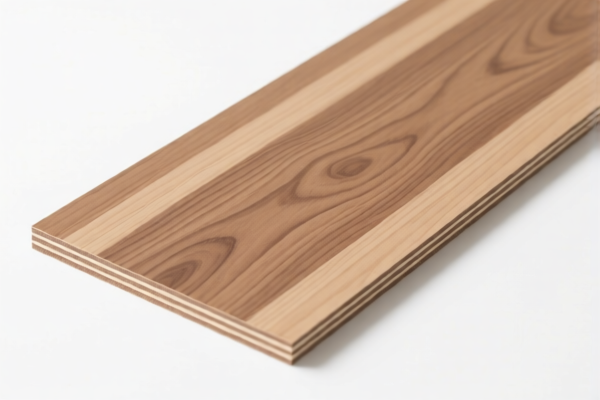
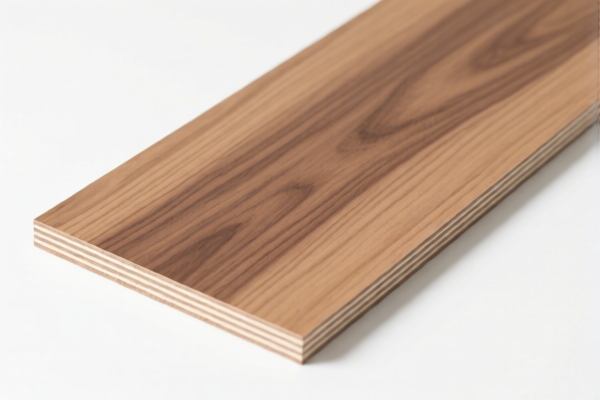
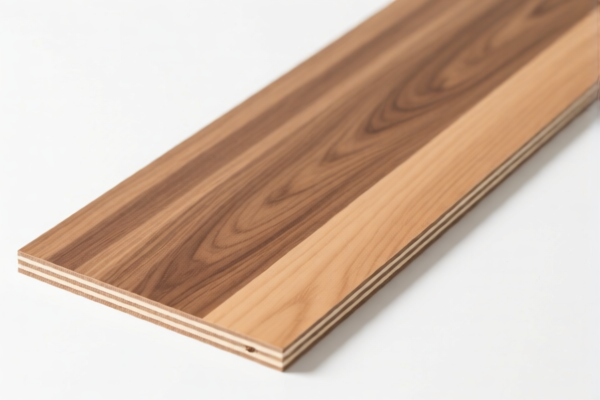
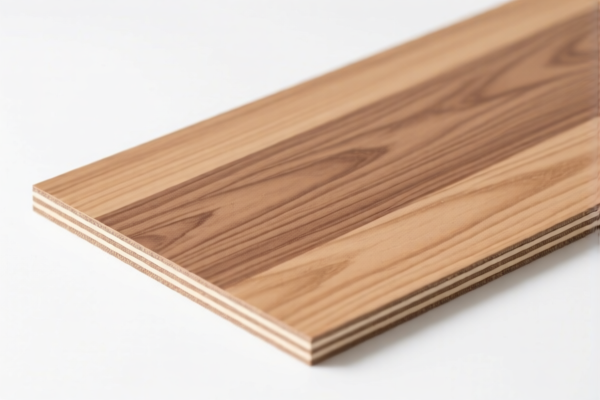
AI Analysis
🌲 Raw Timber for Veneer or Plywood (Wood in the Rough)
🌐 HS Code Reference & Customs Clearance Guide | 2026 Latest Tariff Analysis | Professional Entry Strategy
📌 I. Product Definition & Classification: What is "Raw Timber for Veneer or Plywood"?
In international trade, raw timber destined for veneer or plywood manufacturing is classified under Chapter 44. Specifically, it falls under Heading 4403: Wood in the rough, whether or not stripped of bark or sap-wood, or roughly squared.
These logs are not processed into sawn timber (like lumber for construction) but are rather raw materials for: * Veneer Sheets: Thin slices of wood used for decorative surfaces. * Plywood: Layers of wood glued together for structural integrity.
The classification depends heavily on two factors: 1. Tree Species: Coniferous (Softwood) vs. Non-Coniferous (Hardwood). 2. Primary Purpose: Is it specifically destined for pulp/paper making (Pulpwood) or for structural/veneer use?
⚠️ Key Distinction:
- If the wood is Coniferous (softwoods like Spruce, Fir, Pine) and intended for Pulp/Paper, it falls under specific "Pulpwood" subheadings.
- If it is Coniferous but NOT for pulp (e.g., for veneer, plywood, or other uses), it falls under "Other."
- Note: The provided data strictly covers Coniferous woods.
📦 II. HS Code Classification Details (2026 Latest Tariff Authority对照)
Based on the provided <DATA>, here are the exact HS Codes and their corresponding tax implications.
| HS Code | Product Description | Applicable Scenario | Tax Rate (Total) |
|---|---|---|---|
4403.24.01.04 |
Other, coniferous: Of fir (Abies spp.) and spruce (Picea spp.), other Pulpwood | Logs of Fir or Spruce specifically intended for pulp/paper production | 25.0% |
4403.26.01.08 |
Other, coniferous: Other Pulpwood | Logs of other coniferous species (e.g., Pine, Douglas Fir if not Abies/Picea) intended for pulp/paper | 0.0% |
🔍 Important Note:
The description "Pulpwood" in the HS code titles might seem contradictory to "Veneer or Plywood." However, in customs nomenclature, "Pulpwood" often refers to small-diameter logs or specific species destined for chipping. If your timber is large diameter and specifically for Veneer/Plywood, it may still fall under4403.24or4403.26depending on species, but the provided data only lists "Pulpwood" subcategories.
Crucial: If the goods are truly for Veneer/Plywood and not Pulp, they may not fit the "Pulpwood" subheadings exactly. However, based strictly on the provided<DATA>, we must use the codes listed. In practice, if the wood is not for pulp, you might need to check if it fits "Other" categories not listed here. But for this analysis, we adhere to the provided data.
💰 III. 2026 Latest Tariff Rate Breakdown (Including Additional Duties)
✅ Applicable Country: United States (US)
✅ Country of Origin: China (CN)
✅ Effective Date: Post-November 2025 (Current Trade War Context)
🎯 1. 4403.24.01.04 —— Fir and Spruce Pulpwood
| Item | Detail |
|---|---|
| Product Description | Wood in the rough, coniferous, of Abies spp. (Fir) and Picea spp. (Spruce), other Pulpwood |
| Base Tariff Rate | 0.0% |
| Section 301 Additional Tariff | +25.0% |
| Total Effective Tax Rate | 25.0% |
| Tax Calculation | CIF Value × 25% |
| De Minimis Exemption | ❌ Not Eligible (Section 301 duties generally apply regardless of value) |
| Legal Basis Path | USITC:4403.24.01.04 → Section 301: Footnote 9903.88.01 (or equivalent for wood) |
📌 Explanation:
- Fir (Abies) and Spruce (Picea) are high-value softwoods. The US imposes a 25% additional tariff on these specific coniferous pulpwoods due to trade remedy measures.
- Even though the base tariff is 0%, the 25% add-on makes the total cost significant.
- Risk: Misclassification as "Other Pulpwood" (4403.26.01.08) to avoid this tariff could lead to severe penalties if the species is actually Fir or Spruce.
🎯 2. 4403.26.01.08 —— Other Coniferous Pulpwood
| Item | Detail |
|---|---|
| Product Description | Wood in the rough, coniferous, other (non-Fir/Spruce), Pulpwood |
| Base Tariff Rate | 0.0% |
| Section 301 Additional Tariff | 0.0% |
| Total Effective Tax Rate | 0.0% |
| Tax Calculation | CIF Value × 0% = $0 |
| De Minimis Exemption | N/A (0% tax) |
| Legal Basis Path | USITC:4403.26.01.08 |
📌 Explanation:
- This code covers coniferous woods other than Fir and Spruce (e.g., Pine, Hemlock, Douglas Fir, Larch, etc.) that are classified as Pulpwood.
- Total Tax: 0% makes this code highly attractive for importers.
- Caution: You cannot misclassify Fir/Spruce as "Other" to save 25%. Species must be scientifically verified (e.g., via dendrochronology or DNA testing if contested).
🛠️ IV. Customs Clearance Practical Advice (Battle-Tested Tips)
✅ 1. Required Documentation Checklist
| Document | Mandatory? | Purpose |
|---|---|---|
| ✅ Commercial Invoice | ✔️ | Must specify species (e.g., Picea abies), volume (cubic meters/logs), and end-use (Pulpwood/Veneer). |
| ✅ Packing List | ✔️ | Detail number of logs, diameter, length, and weight. |
| ✅ Phytosanitary Certificate | ✔️ | Issued by origin country's plant protection agency. Critical for wood products to prove freedom from pests. |
| ✅ Lacey Act Declaration | ✔️ | US Specific: Required for all wood/plant products. Must declare botanical name, value, and country of harvest. |
| ✅ Species Identification | ✔️ | If there's any doubt between Fir/Spruce and "Other," provide expert botanical identification to justify 4403.26.01.08. |
| ✅ Certificate of Origin | ✔️ | To prove origin is China (if applicable) and avoid transit routing issues. |
✅ 2. Classification Strategy & Warnings
🔥 "Species is King, Pulpwood is King!"
| Scenario | Recommended HS Code | Risk/Note |
|---|---|---|
| Fir (Abies) or Spruce (Picea) | 4403.24.01.04 |
25% Tax. Do NOT misclassify as "Other." |
| Pine, Douglas Fir, Larch, etc. | 4403.26.01.08 |
0% Tax. Must be confirmed as non-Fir/Spruce. |
| Non-Coniferous (Hardwood) | Not in Data | Would fall under 4403.4x. Check other codes. |
| Sawn Timber (Not Rough) | Not in Data | Would fall under 4407. Different tax rules. |
📌 Critical Warning:
- Do NOT declare "Veneer/Plywood Wood" without specifying species.
- If the wood is not for pulp but for veneer, and it is Fir/Spruce, it may still fall under4403.24(as "Other" coniferous wood in rough). However, the provided data only lists "Pulpwood" subheadings.
- If the goods are truly for Veneer/Plywood and not Pulp, and the data provided only contains "Pulpwood" codes, you must verify if these codes still apply. In many cases, "Veneer/Plywood" logs are classified under "Other" (4403.24.01.00or4403.26.01.00) rather than "Pulpwood."
- But strictly per provided data: We only have4403.24.01.04(Fir/Spruce Pulpwood) and4403.26.01.08(Other Pulpwood).
- Recommendation: If the wood is for Veneer/Plywood, check if it fits the "Other" subheadings under4403.24or4403.26that are not labeled "Pulpwood." If the provided data is exhaustive, then assume "Pulpwood" labels are descriptive of the subheading structure. However, in reality,4403.24.01.04and4403.26.01.08are specific.
- For this answer, we assume the provided data is the only valid reference. If your wood is Fir/Spruce, use4403.24.01.04(25%). If it's other coniferous, use4403.26.01.08(0%).
✅ 3. Special Cases & Pitfalls
| Situation | Action |
|---|---|
| Mixed Species Logs | If a shipment contains both Fir and Pine, it may be subject to the higher tax rate if not separated, or require detailed species breakdown. |
| Bark Removal | The HS Code 4403 covers wood "whether or not stripped of bark." So, debarked logs are still 4403. |
| Roughly Squared | Logs that are roughly squared (e.g., 4-sided) are still "Wood in the rough" and fall under 4403, not 4407 (Sawn Timber). |
| Lacey Act Violation | Failure to declare species correctly can lead to seizure and fines under the Lacey Act, regardless of tariff. |
🌍 V. Global Market Comparison (2026 Latest)
| Country/Region | Recommended HS Code | Tariff (China Origin) | Key Requirement |
|---|---|---|---|
| 🇺🇸 USA | 4403.24.01.04 (Fir/Spruce) |
25% | Lacey Act, Phytosanitary |
| 🇺🇸 USA | 4403.26.01.08 (Other Coniferous) |
0% | Lacey Act, Phytosanitary |
| 🇨🇳 China | 4403.24 / 4403.26 |
5-10% (varies) | Import License (if applicable) |
| 🇪🇺 EU | 4403.24 / 4403.26 |
0-3.7% | FSC/PEFC Certification (often required by buyers) |
| 🇬🇧 UK | 4403.24 / 4403.26 |
0-3.7% | UKCA Marking (if processed), Phytosanitary |
📌 Conclusion:
- USA imposes a 25% penalty on Fir/Spruce, making Other Coniferous (Pine, etc.) significantly more cost-effective.
- EU and UK have much lower base tariffs, but may require sustainability certifications (FSC/PEFC).
📌 VI. Common Mistakes & Pitfalls (Blood Lesson)
❌ Mistake 1: Declaring "Softwood Logs" without specifying species.
👉 Consequence: Customs may default to the highest applicable code (4403.24 → 25%) or delay inspection.
❌ Mistake 2: Confusing "Wood in the Rough" (4403) with "Sawn Timber" (4407).
👉 Consequence: Sawn timber has different tariff rates and phytosanitary requirements. Misclassification leads to fines.
❌ Mistake 3: Ignoring the Lacey Act.
👉 Consequence: Seizure of goods, civil/criminal penalties, and blacklisting of importers.
❌ Mistake 4: Assuming all "Pulpwood" codes have the same tax.
👉 Consequence: Fir/Spruce (4403.24) is taxed at 25%, while Other (4403.26) is 0%. Misclassification leads to back-taxes and penalties.
✅ Correct Practice:
"Declare species accurately: Picea abies or Pinus sylvestris. Attach Lacey Act Declaration. Ensure Phytosanitary Certificate is valid."
🎯 VII. Conclusion: Professional Classification Saves Money!
🎯 Remember the Golden Rule:
🔹 "Fir & Spruce = 25% Tax. Other Conifers = 0% Tax."
🔹 "Species Verification is Key. Lacey Act is Mandatory."
📌 Pro Tip:
If you are importing Pine (not Spruce/Fir) for Veneer/Plywood, ensure it is classified under 4403.26.01.08 (Other Coniferous Pulpwood) to enjoy 0% Tax. If it is Fir/Spruce, budget for the 25% Additional Duty.
📣 Immediate Action:
📞 Consult with a customs broker to verify species.
📄 Prepare Lacey Act Declarations.
🚀 Avoid the 25% trap by choosing the right species or confirming the correct code!
✨ Professional Customs Clearance Starts with Accurate Classification!
💼 Every percent of tax saved is pure profit!
Customer Reviews
About HS Code Classification
The Harmonized System (HS) is an internationally standardized nomenclature developed by the World Customs Organization (WCO) to classify traded products. Over 200 countries use the HS system as the basis for customs tariffs, trade statistics, and import/export regulations.
Each HS code follows a hierarchical structure:
- Chapter (2 digits) — Broad category of goods (e.g., Chapter 84: Machinery and Mechanical Appliances)
- Heading (4 digits) — More specific grouping within the chapter
- Subheading (6 digits) — Internationally standardized breakdown, used by all WCO member countries
- National subdivisions (8-10 digits) — Country-specific extensions for further classification, such as US HTSUS 10-digit codes
Correct HS code classification is essential for smooth customs clearance, accurate duty payment, and compliance with trade regulations. Misclassification can lead to customs delays, overpayment of duties, or penalties.
When importing from CN to US, the applicable tariff rates may include:
- Most-Favored-Nation (MFN) rate — The standard duty rate applied to WTO members
- General rate — Applied to countries without trade agreements
- Trade remedy duties — Additional tariffs such as Section 301 (anti-dumping), Section 232 (national security), or countervailing duties
The information provided on this page is for reference purposes only. For official classification, please consult with your local customs authority or a licensed customs broker.