Raw Untanned Cowhide Split Grain
CN → US| HS Code | Tariff Rate | Origin | Destination | Doc |
|---|---|---|---|---|
| 4101204000 | 22.5% | CN | US | Official Doc |
| 4101901020 | 17.5% | CN | US | Official Doc |
Product Images
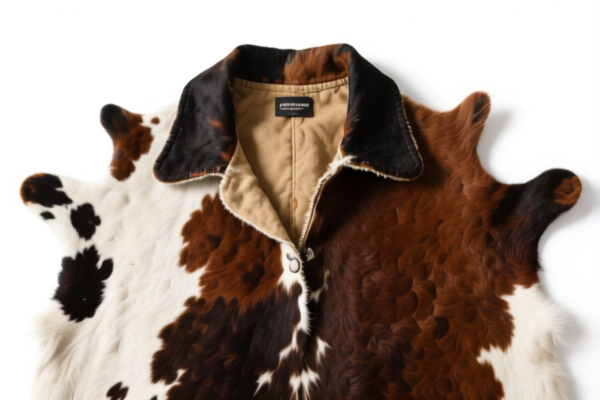
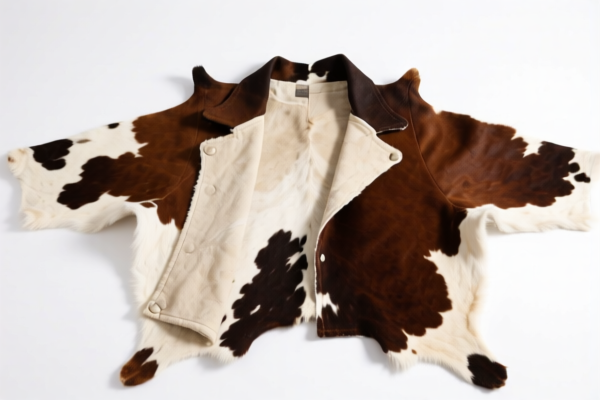
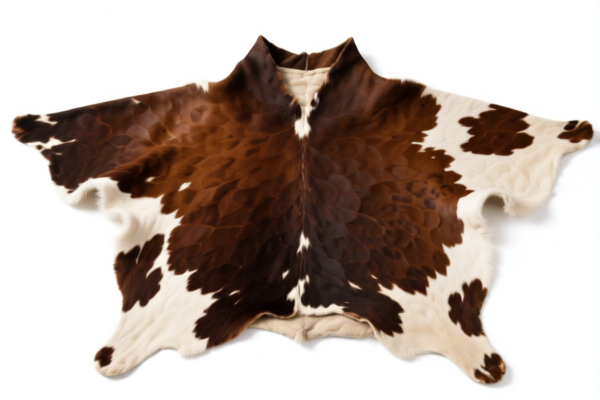
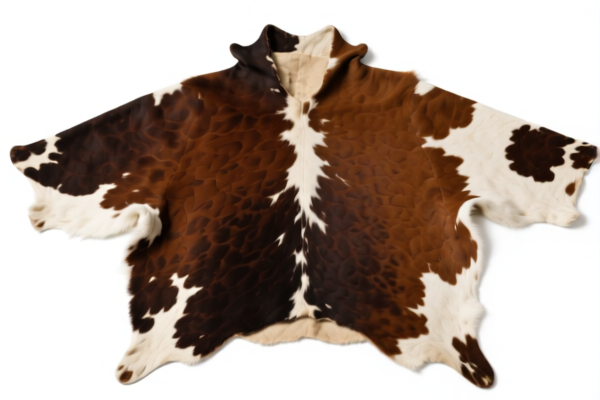
AI Analysis
🐄 Raw Untanned Cowhide Split Grain (Split Grain Leather Hides)
🌐 HS Code Reference & Customs Clearance Guide | 2026 Latest Tariff Analysis | Professional Clearance Strategy
📌 I. Product Definition & Classification: Do You Really Understand "Split Grain"?
Raw hides and skins of bovine animals (including buffalo) are classified based on their preservation method, weight limits, and tanning status. "Split Grain" refers to leather that has been physically split into layers (typically the lower layer, known as "split," which lacks the dense grain structure of the top layer). However, in raw form, the key differentiator for HS classification is NOT the grain structure, but rather the weight limits and preservation state.
Key Distinctions: * "Whole, Unsplit" vs. "Split/Bellies/Butts": If the hide is intact and unsplit, it falls under specific weight brackets. If it is split, cut into pieces (bellies, butts), or exceeds weight limits for unsplit hides, it falls under "Other." * Preservation State: Fresh, wet-salted, dry-salted, or dried. * Tanning Status: The input specifies "Untanned" (not pretanned).
⚠️ Critical Classification Point:
- If the hide is unsplit and meets strict weight limits (≤8kg dried, ≤10kg dry-salted, ≤16kg fresh/wet-salted) → It may be classified under 4101.20.
- If the hide is split, cut up (e.g., bellies/buts only), or exceeds the weight limits for unsplit hides → It is classified under 4101.90 ("Other").
- "Split Grain" in raw form usually implies the hide has been split or is not a whole unsplit hide in the premium category, pushing it toward 4101.90. However, if it is a whole, unsplit, light-weight raw hide, it could be 4101.20. But typically, "split" raw materials are sold as parts or heavier splits, often falling into "Other."
Let's analyze the two HS Codes provided in the context:
📦 II. HS Code Classification Details (2026 Latest Tariff Authority Comparison)
| HS Code | Product Description | Applicable Scenario | Key Condition |
|---|---|---|---|
4101.20.40.00 |
Whole hides/skins, unsplit, of bovine animals: Vegetable pretanned | Rare for "untanned" raw hides. This code specifically mentions "Vegetable pretanned". | ❌ Not Applicable: The input specifies "Untanned." Even if unsplit, "pretanned" hides are processed. Raw untanned hides do not fit here. |
4101.90.10.20 |
Other hides/skins (including butts, bends, bellies), not pretanned, of bovine animals: Fresh or wet-salted: Other | Standard raw untanned bovine hides that do not meet the strict weight/whole criteria of 4101.20, or are simply "Other" unpretanned hides. | ✅ Most Likely: Raw, untanned, bovine hides (including splits, bellies, or heavy unsplit hides) that are fresh or wet-salted. |
🔍 Important Clarification:
- The code4101.20.40.00is for Vegetable Pretanned hides. Since your product is Untanned, this code is incorrect for raw untanned cowhide.
- The code4101.90.10.20is for Other raw hides, not pretanned, of bovine animals, specifically Fresh or wet-salted. This matches your description perfectly if the hides are not the specific light-weight unsplit category (which would fall under 4101.20.1x or similar, but the data only provides 4101.20.40.00 which is pretanned).
- Conclusion: Since4101.20.40.00is explicitly "Vegetable Pretanned," and your product is "Untanned," the only valid HS Code from the provided is 4101.90.10.20.
💰 III. 2026 Latest Tariff Rate Breakdown (Detailed Tax Clauses)
✅ Applicable Country: United States (US)
✅ Origin: China (CN) (Implied by the tax structure in )
✅ Effective Time: Current 2026 Tariff Schedule
🎯 1. 4101.90.10.20 —— Raw Untanned Bovine Hides (Fresh or Wet-Salted, Other)
| Item | Content |
|---|---|
| Base Tariff Rate | 0.0% (ad valorem) |
| USITC Additional Tariff (Section 301) | +7.5% |
| Total Effective Tariff | 7.5% |
| Tax Calculation | CIF Value × 7.5% |
| De Minimis Exemption | ❌ Not Applicable (Raw hides are generally not covered by de minimis for agricultural/leather products) |
| Legal Basis Path | HTSUS:4101.90.10.20 → USITC:Footnote 7.5 (Section 301) |
📌 Explanation:
- Base Rate 0%: Raw agricultural/leather products often have low or zero base tariffs to support domestic tanning industries.
- 7.5% Additional Tariff: This is likely a Section 301 additional duty applicable to Chinese-origin raw hides.
- Why not 4101.20.40.00? That code is for Vegetable Pretanned hides. Your product is Untanned. Therefore, it cannot be classified under 4101.20.40.00. It falls under "Other" raw hides in 4101.90.
🛠️ IV. Customs Clearance Practical Advice (Battle-Tested Pitfall Avoidance)
✅ 1. Document Preparation Checklist (All Required)
| Document | Mandatory | Description |
|---|---|---|
| ✅ Commercial Invoice | ✔️ | Must clearly state: "Raw Untanned Cowhide, Split Grain," "Fresh/Wet-Salted," "Bovine," Weight, Quantity. |
| ✅ Packing List | ✔️ | Detail weight per skin, total weight, and packaging type (e.g., wooden crates, plastic wraps). |
| ✅ Certificate of Origin | ✔️ | Proves origin (e.g., China). Critical for applying the 7.5% additional tariff. |
| ✅ Preservation Method Statement | ✔️ | Must specify: "Fresh," "Wet-Salted," or "Dry-Salted." This determines the exact sub-heading. |
| ✅ Health/Veterinary Certificate | ✔️ | Many countries require veterinary inspection for raw animal products to prevent disease. |
| ✅ Product Photos | ✔️ | Show the texture, split layers, and preservation state (wet/dry). |
✅ 2. Declaration Tips (Key Mnemonic)
🔥 "Raw Untanned, Wet-Salted, 7.5% Add, Split Not Whole, 4101.90 Wins!"
| Situation | Correct Declaration | Incorrect Declaration |
|---|---|---|
| Raw, Untanned, Wet-Salted Cowhide | 4101.90.10.20 |
Misclassifying as "Pretanned" → 0% vs 7.5% |
| Raw, Untanned, Dried Cowhide (≤16kg) | Check for 4101.20.xxxx (if unsplit & light) |
If split/heavy → 4101.90.10.20 |
| Pretanned Cowhide | 4101.20.40.00 |
Misclassifying as "Raw" → 0% vs 7.5% |
📌 Warning:
- Do NOT classify raw untanned hides under4101.20.40.00because that code is for Vegetable Pretanned hides.
- Do NOT assume all raw hides are 0%. The 7.5% additional tariff applies to Chinese-origin raw hides in4101.90.
- Split Grain: If the hides are split, they are often "Other" and fall under4101.90.10.20regardless of weight, unless they are unsplit, whole, and meet weight limits.
✅ 3. Special Cases
| Situation | Handling Advice |
|---|---|
| Wet-Salted vs. Dry-Salted | Ensure the invoice specifies. Wet-salted hides are common. If dry-salted and unsplit, check weight limits for potential 4101.20 classification (if available in full tariff list). |
| Split Hides | Split hides are almost always classified under 4101.90 as "Other" because they are no longer "Whole, Unsplit." |
| Origin Marking | Must be clearly marked as "Made in China" for accurate tariff application. |
🌍 V. Global Market Clearance Comparison (2026 Latest)
| Country/Region | Recommended HS Code | Tariff Rate | Certification | Notes |
|---|---|---|---|---|
| 🇺🇸 USA | 4101.90.10.20 |
7.5% | Veterinary Cert | Base 0% + 7.5% Section 301 |
| 🇨🇳 China | 4101.90.10.20 |
0% | N/A | Import tariff may vary, but base is often 0% for raw hides |
| 🇪🇺 EU | 4101.20 or 4101.90 |
0% | EU Health Cert | No additional duties typically |
| 🇬🇧 UK | 4101.90.10.20 |
0% | Health Cert | Post-Brexit rules apply |
📌 Conclusion:
- USA is the only market with a significant 7.5% additional tariff on these raw hides.
- Split Grain raw hides in the US are subject to 7.5% total duty.
📌 VI. Common Mistakes & Pitfall Guide (Lessons Learned)
❌ Mistake 1: Classifying raw untanned hides as 4101.20.40.00
👉 Consequence: Incorrect classification. 4101.20.40.00 is for Vegetable Pretanned hides. You will face reclassification, penalties, and back taxes.
❌ Mistake 2: Ignoring the "Split" nature of the hide
👉 Consequence: If classified as "Whole, Unsplit" but the hides are split, customs may deny the lower-weight exemption, leading to higher duties or delays.
❌ Mistake 3: Not specifying Preservation Method
👉 Consequence: Customs may hold the shipment for clarification, causing delays.
✅ Correct Practice:
"Raw Untanned Bovine Hides, Split Grain, Wet-Salted, Origin: China, Gross Weight: XX KG, Net Weight: XX KG"
🎯 VII. Conclusion: Professional Declaration for Smooth Clearance
🎯 Remember:
🔹 "Untanned? Not Pretanned. Raw Hides? 4101.90. Wet-Salted? 7.5% Add. Split? Not Whole. Declare Clearly!"
🔹 "HS Code 4101.20.40.00 is for PRETANNED. Don't use it for RAW!"
📌 Pro Tip:
If your raw hides are unsplit and lightweight (≤16kg for wet-salted), check the full HS code list for 4101.20.10 or 4101.20.20 (which may have lower or no additional tariffs). But for Split Grain or Heavy Hides, 4101.90.10.20 with 7.5% is the accurate classification based on the provided .
📣 Immediate Action:
📞 Confirm preservation state (Wet/Dry).
📄 Declare as "Raw Untanned Bovine Hides, Split, Wet-Salted" under4101.90.10.20.
🚀 Clear Customs Efficiently, Pay Only 7.5%, Avoid Penalties!
✨ Professional Clearance Starts with Accurate Classification!
💼 Every Dollar Saved on Tariffs is Pure Profit!
Customer Reviews
About HS Code Classification
The Harmonized System (HS) is an internationally standardized nomenclature developed by the World Customs Organization (WCO) to classify traded products. Over 200 countries use the HS system as the basis for customs tariffs, trade statistics, and import/export regulations.
Each HS code follows a hierarchical structure:
- Chapter (2 digits) — Broad category of goods (e.g., Chapter 84: Machinery and Mechanical Appliances)
- Heading (4 digits) — More specific grouping within the chapter
- Subheading (6 digits) — Internationally standardized breakdown, used by all WCO member countries
- National subdivisions (8-10 digits) — Country-specific extensions for further classification, such as US HTSUS 10-digit codes
Correct HS code classification is essential for smooth customs clearance, accurate duty payment, and compliance with trade regulations. Misclassification can lead to customs delays, overpayment of duties, or penalties.
When importing from CN to US, the applicable tariff rates may include:
- Most-Favored-Nation (MFN) rate — The standard duty rate applied to WTO members
- General rate — Applied to countries without trade agreements
- Trade remedy duties — Additional tariffs such as Section 301 (anti-dumping), Section 232 (national security), or countervailing duties
The information provided on this page is for reference purposes only. For official classification, please consult with your local customs authority or a licensed customs broker.