Raw Wood for Plywood or Woodworking
CN → US| HS Code | Tariff Rate | Origin | Destination | Doc |
|---|---|---|---|---|
| 4407130000 | 35.0% | CN | US | Official Doc |
| 4407190093 | 35.0% | CN | US | Official Doc |
Product Images
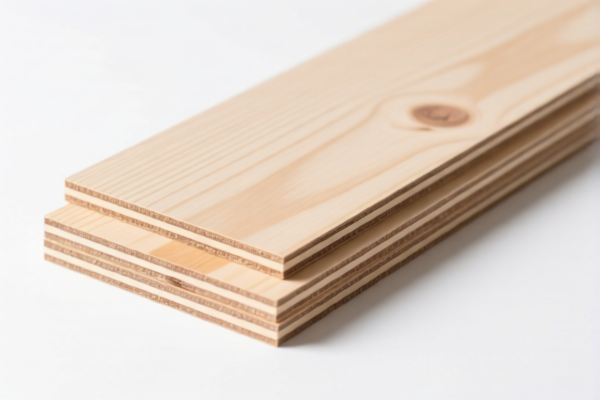
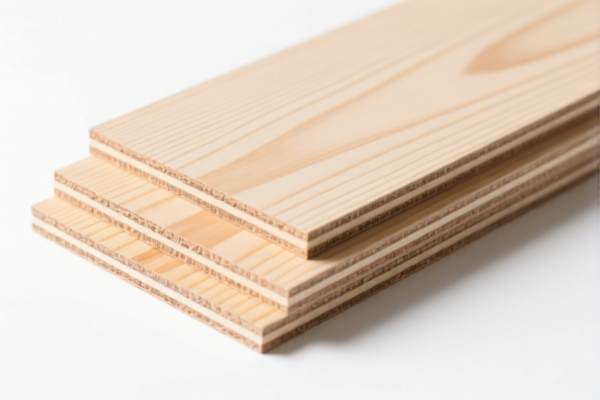
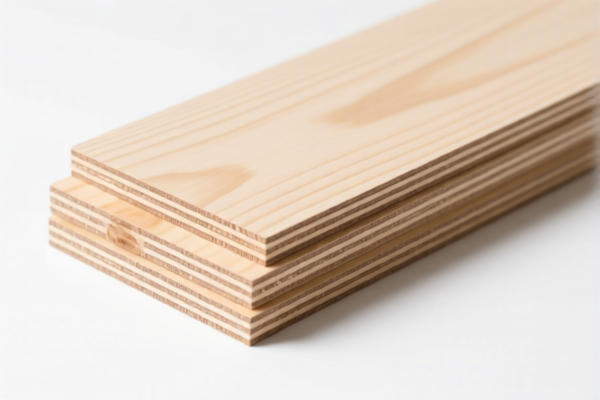
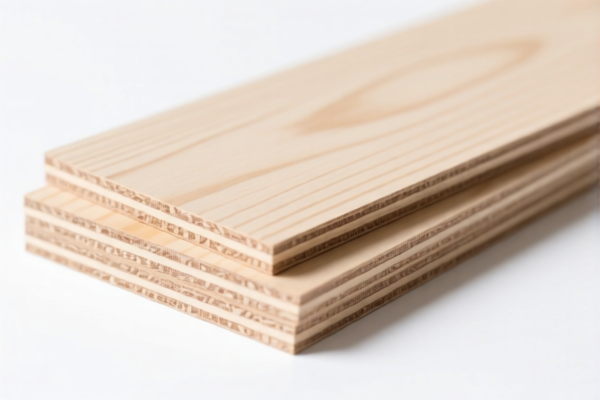
AI Analysis
🌲 Raw Wood for Plywood or Woodworking (Sawn Coniferous Wood)
🌐 HS Code Reference & Customs Clearance Guide | 2026 Latest Tariff Analysis | Professional Clearance Strategy
📌 I. Product Definition & Classification: Do You Really Understand "Sawn Wood"?
"Raw Wood" destined for plywood manufacturing or woodworking is technically classified as sawn wood of a thickness exceeding 6 mm. In international trade, this category is primarily divided by wood type. For the purpose of this guide, we focus on Coniferous (Softwood) wood, which is the most common raw material for construction, furniture, and plywood.
Coniferous Wood (Softwood): Includes Spruce, Pine, Fir, Hemlock, etc.
- Specific Type: S-P-F (Spruce-Pine-Fir) is a major classification in North America and global trade.
- General Type: Other coniferous woods.
⚠️ Key Distinction Point:
- If the wood is of non-coniferous species (e.g., Oak, Walnut, Maple), it falls under different HS codes (4407.20–4407.95). This guide strictly covers Coniferous wood as per the provided data.
- If the thickness is ≤ 6 mm, it is classified as veneer sheets (HS 4408), not sawn wood.
- If the wood is charred, impregnated, or treated with chemicals, it may fall under different chapters (Chapter 44 or 47). The data below assumes untreated wood.
📦 II. HS Code Classification Details (2026 Latest Tariff Authority Comparison)
| HS Code | Product Description | Applicable Scenario | Wood Type | Treatment Status |
|---|---|---|---|---|
4407.13.00.00 |
Sawn wood, coniferous, of S-P-F (Spruce, Pine, Fir), thickness > 6 mm | Standard construction lumber, plywood logs, SPF-grade timber | S-P-F | Not specified (usually untreated) |
4407.19.00.93 |
Sawn wood, coniferous, other, thickness > 6 mm, not treated, other | Other softwoods (e.g., Hemlock, Douglas Fir if not classified under SPF), untreated, miscellaneous | Other Coniferous | Not Treated |
🔍 Key Reminder:
-4407.13.00.00is specific to S-P-F (Spruce, Pine, Fir). If your wood contains these species, this is the primary code.
-4407.19.00.93is a catch-all for other coniferous woods that are not treated. If your wood is Hemlock or another softwood not classified as S-P-F, use this code.
- Both codes apply to wood exceeding 6 mm in thickness.
- Untreated is a critical keyword. If wood is painted, pressure-treated, or fire-retardant, it does not fit these codes.
💰 III. 2026 Latest Tariff Rate Details (Including Surtaxes)
✅ Applicable Country: United States (US)
✅ Country of Origin: China (CN) (Note: Data implies US-China trade context based on surtax structure)
✅ Effective Date: Current (2026 Tariff Schedule)
🎯 1. 4407.13.00.00 —— Coniferous Wood, S-P-F
| Item | Content |
|---|---|
| Base Tariff | 0.0% (Ad Valorem) |
| Additional Tariff (Section 301) | +25.0% |
| Total Tariff | 25.0% |
| Tax Calculation | CIF Value × 25% |
| De Minimis Exemption | ❌ Not Applicable (High-value raw material, not covered by Section 321) |
| Legal Basis | HTSUS 4407.13.00.00 + USITC Footnote 9903.88.01 (Section 301) |
📌 Explanation:
- The 0% base rate reflects the standard Most Favored Nation (MFN) rate for raw wood.
- The 25% additional tariff is imposed under Section 301 of the Trade Act of 1974 against Chinese-origin goods.
- Total Cost Impact: For every $10,000 CIF value, you pay $2,500 in additional tariffs.
- No De Minimis: Unlike small packages, bulk raw wood imports are subject to full duties.
🎯 2. 4407.19.00.93 —— Other Coniferous Wood, Untreated
| Item | Content |
|---|---|
| Base Tariff | 0.0% (Ad Valorem) |
| Additional Tariff (Section 301) | +25.0% |
| Total Tariff | 25.0% |
| Tax Calculation | CIF Value × 25% |
| De Minimis Exemption | ❌ Not Applicable |
| Legal Basis | HTSUS 4407.19.00.93 + USITC Footnote 9903.88.01 (Section 301) |
📌 Explanation:
- Same tariff structure as S-P-F wood.
- Critical Condition: Must be "Not Treated". If treated (e.g., with preservatives), it may fall under4407.10or other codes with different rates.
- "Other": Refers to coniferous species not covered by4407.13(S-P-F) or4407.12(Pine), such as Hemlock or Spruce not classified as S-P-F.
🛠️ IV. Customs Clearance Practical Advice (Real-World Pitfall Avoidance Guide)
✅ 1. Required Documentation Checklist (Non-Negotiable)
| Document | Must Provide | Notes |
|---|---|---|
| ✅ Commercial Invoice | ✔️ | Must clearly state: "Sawn Wood, Coniferous, Thickness > 6mm, Untreated" |
| ✅ Packing List | ✔️ | Detail volume (MBF or CBM), number of bundles, wood species if known |
| ✅ Phytosanitary Certificate | ✔️ | CRITICAL: Issued by the exporting country’s plant protection agency. Proves wood is pest-free. |
| ✅ Fumigation Certificate | ✔️ | Often required alongside Phytosanitary Certificate, especially for ISPM 15 compliance |
| ✅ Bill of Lading | ✔️ | Clean on-board B/L, showing gross/net weight |
| ✅ Country of Origin Certificate | ✔️ | To determine if Section 301 tariffs apply (China vs. Canada/Mexico) |
🚨 Warning:
- Missing Phytosanitary Certificate → Goods will be rejected at the port or destroyed.
- Incorrect Species Description → If you declare "Pine" but it's "Hemlock," and HS code is wrong, you face misdeclaration penalties.
✅ 2. Declaration Tips (Key Mnemonics)
🔥 "Thickness Matters, Treatment Defines, Species Guides!"
| Scenario | Correct HS Code | Wrong Practice |
|---|---|---|
| S-P-F Wood, >6mm, Untreated | 4407.13.00.00 |
Declaring as 4407.19.00.93 → Risk of audit for misclassification |
| Hemlock Wood, >6mm, Untreated | 4407.19.00.93 |
Declaring as "Lumber" without species detail → Delay in clearance |
| Wood Thickness = 5mm | Not Covered | Declaring as 4407.xx → Should be 4408 (Veneer) |
| Wood is Pressure-Treated | Not Covered | Declaring as 4407.xx → Should be 4407.10 or 4407.90 depending on treatment |
✅ 3. Special Cases Handling
| Scenario | Handling Advice |
|---|---|
| Mixed Species Load | If a shipment contains S-P-F and other coniferous woods, separate lines on the invoice. Declare each HS code separately to avoid ambiguity. |
| Origin: Canada/Mexico | If sourced from Canada or Mexico, no Section 301 tariff. USMCA may apply for 0% duty. Provide Certificate of Origin to claim preference. |
| ISPM 15 Compliance | Ensure all wooden packaging (pallets, crates) is heat-treated or fumigated and marked with IPPC logo. Non-compliant packaging can lead to quarantine fees. |
| Moisture Content | Declare actual moisture content if required by buyer. High moisture can cause mold, leading to rejection. |
🌍 V. Global Market Comparison (2026 Latest)
| Country/Region | Recommended HS Code | Tariff (China Origin) | Certification | Notes |
|---|---|---|---|---|
| 🇺🇸 USA | 4407.13.00.00 / 4407.19.00.93 |
25% | Phytosanitary + ISPM 15 | High tariff, strict biosecurity |
| 🇨🇳 China | 4407.13.00.00 / 4407.19.00.93 |
0%~5% | N/A | Importing into China has low tariffs |
| 🇪🇺 EU | 4407.10.10 / 4407.10.90 |
0% | FLEGT, Phytosanitary | No Section 301, but strict EU wood regulations |
| 🇬🇧 UK | 4407.10.10 / 4407.10.90 |
0% | Phytosanitary | Post-Brexit, similar to EU |
| 🇯🇵 Japan | 4407.10.00 |
0% | Phytosanitary | Low tariffs, but high inspection standards |
📌 Conclusion:
- USA is the only market with a 25% surtax on Chinese-origin sawn wood.
- EU, UK, Japan have 0% base tariffs but require strict phytosanitary compliance.
- Canadian/Mexican wood entering the US benefits from USMCA (0% tariff), avoiding the 25% penalty.
📌 VI. Common Errors & Pitfall Guide (Blood Lessons)
❌ Error 1: Declaring treated wood as "untreated"
👉 Consequence: Misclassification → Penalties + Back Taxes. Treated wood often has different HS codes or no surtax exemption, but incorrect declaration is fraud.
❌ Error 2: Ignoring Phytosanitary Certificate
👉 Consequence: Quarantine at port. Wood may be fumigated at your expense or destroyed.
❌ Error 3: Mixing S-P-F and Other Coniferous on one line item
👉 Consequence: Customs may audit the entire shipment, leading to delays. Always separate by species/HS code.
❌ Error 4: Assuming all wood is 6mm+
👉 Consequence: If thickness is ≤6mm, HS code is 4408 (Veneer), which has different tariffs (often lower or higher depending on treatment). Misdeclaration leads to underpayment.
✅ Correct Declaration Example:
"Sawn Wood, Coniferous, S-P-F Species, Thickness 50mm, Untreated, Fumigated, ISPM 15 Compliant"
🎯 VII. Conclusion: Precise Classification Saves Money!
🎯 Remember the Mantra:
🔹 "Thickness > 6mm, Coniferous Check, S-P-F vs Other, Treated or Not!"
🔹 "China Origin = 25% Surcharge, Origin Certificate = 0% Savings!"
📌 Pro Tip:
If your wood is sourced from Canada or Mexico, ensure you have a valid USMCA Certificate of Origin to claim 0% duty. This can save you 25% on CIF value.
For Chinese wood, budget for the 25% additional tariff and ensure phytosanitary compliance to avoid port delays.
📣 Immediate Action:
📞 Contact a Customs Broker to verify species classification.
📄 Request Phytosanitary Certificate from supplier before shipment.
🚀 Ensure your invoice clearly states: "Untreated, >6mm, Coniferous, Species: [S-P-F/Other]"
✨ Professional Clearance Starts with Accurate Classification!
💼 Your Profit Margin Depends on Correct HS Codes!
Customer Reviews
About HS Code Classification
The Harmonized System (HS) is an internationally standardized nomenclature developed by the World Customs Organization (WCO) to classify traded products. Over 200 countries use the HS system as the basis for customs tariffs, trade statistics, and import/export regulations.
Each HS code follows a hierarchical structure:
- Chapter (2 digits) — Broad category of goods (e.g., Chapter 84: Machinery and Mechanical Appliances)
- Heading (4 digits) — More specific grouping within the chapter
- Subheading (6 digits) — Internationally standardized breakdown, used by all WCO member countries
- National subdivisions (8-10 digits) — Country-specific extensions for further classification, such as US HTSUS 10-digit codes
Correct HS code classification is essential for smooth customs clearance, accurate duty payment, and compliance with trade regulations. Misclassification can lead to customs delays, overpayment of duties, or penalties.
When importing from CN to US, the applicable tariff rates may include:
- Most-Favored-Nation (MFN) rate — The standard duty rate applied to WTO members
- General rate — Applied to countries without trade agreements
- Trade remedy duties — Additional tariffs such as Section 301 (anti-dumping), Section 232 (national security), or countervailing duties
The information provided on this page is for reference purposes only. For official classification, please consult with your local customs authority or a licensed customs broker.