Raw Wool Wool Grease
CN → US| HS Code | Tariff Rate | Origin | Destination | Doc |
|---|---|---|---|---|
| 5101191000 | 35.0% | CN | US | Official Doc |
| 5101114000 | 35.0% | CN | US | Official Doc |
| 5101112000 | 35.0% | CN | US | Official Doc |
Product Images
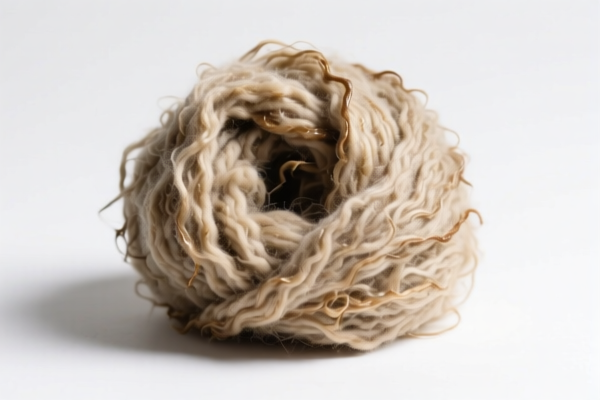
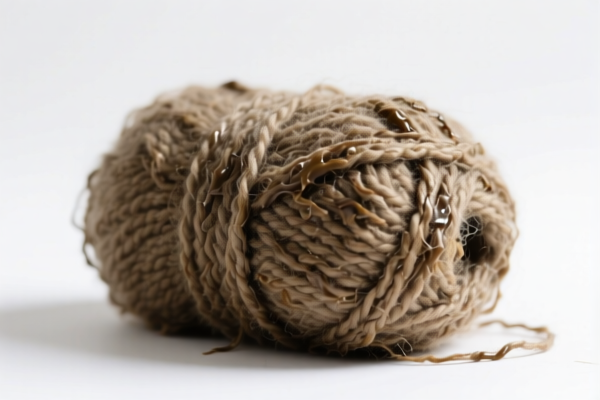
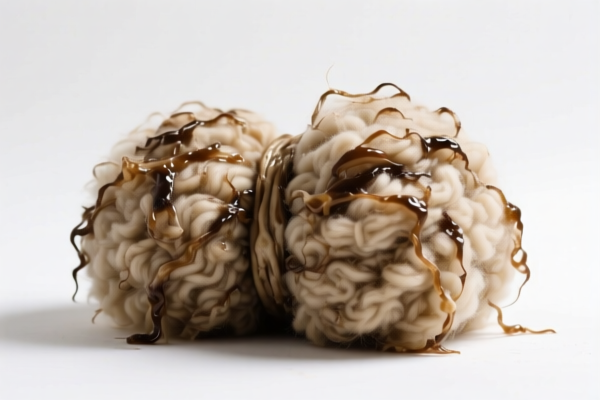
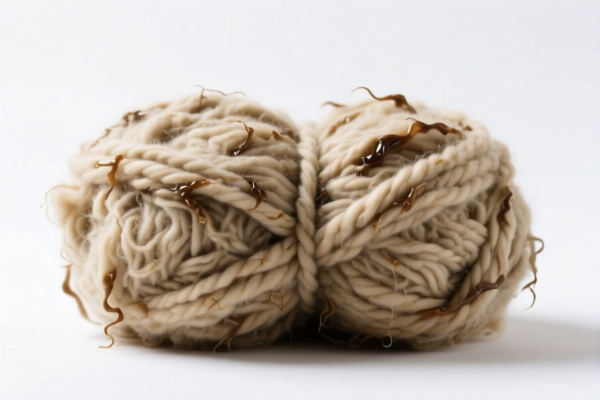
AI Analysis
🐑 Raw Wool with Wool Grease (Scoured vs. Unscoured)
🌐 HS Code Reference & Customs Clearance Guide | 2026 Latest Tariff Analysis | Professional Clearance Strategy
📌 I. Product Definition & Classification: Do You Really Understand "Raw Wool with Grease"?
Raw wool containing wool grease (often referred to as "greasy wool" or "wool top raw stock" before scouring) is the primary raw material for the textile industry. It consists of sheep's fleece that has not been washed to remove lanolin (wool grease), dirt, or vegetable matter. In international trade, strict distinctions are made based on fiber quality and processing state.
Key Distinctions: * Wool Grease (Lanolin): The oily substance extracted from raw wool, not the wool itself. * Raw Wool (Unscoured): Wool retaining its natural lanolin, dirt, and sweat salts. * Carded/Combed Wool: Processed raw wool, ready for spinning. This data set focuses on Unsorted/Uncombed Raw Wool.
⚠️ Critical Distinction Point:
- If the wool is unsorted, uncombed, and contains natural grease/lanolin → Classified under 5101.1x
- If the wool has been washed (scoured) and grease removed → Classified under 5101.21 or 5101.30
- If the wool is sorted by quality (e.g., finest vs. coarsest) → Classified under 5101.11 (Finest) vs 5101.19 (Other)
📦 II. HS Code Classification Details (2026 Latest Tariff Authority对照)
| HS Code | Product Description | Application Scenario | Grease/Lanolin Status |
|---|---|---|---|
5101.11.40.00 |
Finest Raw Wool (e.g., Merino), unsorted, uncombed, with grease | High-end textiles, luxury apparel, fine yarns | ✅ With Grease (Wool Grease/Lanolin retained) |
5101.11.20.00 |
Finest Raw Wool, unsorted, uncombed, with grease (Alternative subheading) | Similar to above; often used for specific finer grades or regional tariff codes | ✅ With Grease (Wool Grease retained) |
5101.19.10.00 |
Other Raw Wool (Non-finest), unsorted, uncombed, with grease | Coarser wools, carpet wool, industrial blends, medium-grade apparel | ✅ With Grease (Wool Grease retained) |
🔍 Key Reminder:
- All three codes above apply to RAW WOOL that has NOT been washed. The presence of wool grease (lanolin) is a defining characteristic.
- The difference between5101.11and5101.19is based on wool quality (fineness).5101.11is for the "finest" wool (typically < 24 microns), while5101.19is for all other grades.
-5101.11.40.00and5101.11.20.00are highly specific sub-codes for the finest grade, often differing by minor quality parameters or regional tariff nuances.
💰 III. 2026 Latest Tariff Rate Details (Including Additional Taxes & Policies)
✅ Applicable Country: United States (US)
✅ Origin: China (CN)
✅ Effective Time: November 10, 2025 (and subsequent imports)
🎯 1. 5101.11.40.00 – Finest Raw Wool, Unsorted, with Grease
| Item | Details |
|---|---|
| Base Tariff Rate | 0% (ad valorem) |
| Section 301 Additional Duty | +25% |
| Section 122 Duty | +10% |
| Total Tariff Rate | 35.0% |
| Tax Calculation | CIF Value × 35% |
| De Minimis Exemption | ❌ Not Available (deny_de_minimis) |
| Legal Authority Path | Section 301: 8519.98.01 → Section 122 → USITC: 5101.11.40.00 |
📌 Explanation:
- "Section 301 Additional Duty (25%)": Imposed under the Trade Act of 1974, Section 301, targeting Chinese goods.
- "Section 122 Duty (10%)": Imposed under Section 122 of the Trade Act of 1974, allowing the President to adjust duties to prevent adverse trade impacts.
- Total 35%: This is a high tariff rate for raw materials. Importers must calculate landed costs accurately, as this significantly impacts margin.
🎯 2. 5101.11.20.00 – Finest Raw Wool, Unsorted, with Grease (Alternative)
| Item | Details |
|---|---|
| Base Tariff Rate | 0% |
| Section 301 Additional Duty | +25% |
| Section 122 Duty | +10% |
| Total Tariff Rate | 35.0% |
| Tax Calculation | CIF × 35% |
| De Minimis Exemption | ❌ Not Available |
| Legal Authority Path | Section 301: 8519.98.01 → Section 122 → USITC: 5101.11.20.00 |
📌 Note:
- Identical tax treatment to5101.11.40.00.
- Despite different sub-codes, the tariff structure for "Finest Raw Wool" remains consistent at 35%.
🎯 3. 5101.19.10.00 – Other Raw Wool, Unsorted, with Grease
| Item | Details |
|---|---|
| Base Tariff Rate | 0% |
| Section 301 Additional Duty | +25% |
| Section 122 Duty | +10% |
| Total Tariff Rate | 35.0% |
| Tax Calculation | CIF × 35% |
| De Minimis Exemption | ❌ Not Available |
| Legal Authority Path | Section 301: 8519.98.01 → Section 122 → USITC: 5101.19.10.00 |
📌 Note:
- Even for "Other" (non-finest) raw wool, the tariff burden is identical.
- This reflects the US trade policy stance on Chinese textile raw materials.
🛠️ IV. Customs Clearance Practical Advice (Real-World Pitfall Avoidance)
✅ 1. Required Documentation Checklist (Non-negotiable)
| Document | Mandatory? | Details |
|---|---|---|
| ✅ Commercial Invoice | ✔️ | Must explicitly state: "Raw Wool, Unscoured, Contains Wool Grease" |
| ✅ Packing List | ✔️ | Detail bale weights, gross/net weights, and bale numbers |
| ✅ Certificate of Origin (CO) | ✔️ | Essential for verifying China origin (triggers 301/122 duties) |
| ✅ Phytosanitary Certificate | ✔️ | Critical for Wool: Proves no plant pests, diseases, or contaminants |
| ✅ Wool Grease/Lanolin Content Declaration | ✔️ | May be required to confirm "Raw" status vs. Scoured |
| ✅ Bill of Lading/Air Waybill | ✔️ | Standard transport document |
✅ 2. Declaration Tips (Key Mantras)
🔥 “Raw means Grease, Scoured means Washed, Name it Right, Duty Doesn’t Hide!”
| Scenario | Correct Declaration | Incorrect Practice |
|---|---|---|
| Unwashed, Greasy Wool | 5101.11.40.00 or 5101.19.10.00 |
Calling it "Scoured Wool" → 5101.21/30 (Different duty, but risk of penalty) |
| Washed/Scoured Wool | 5101.21.10.00 or 5101.30.00.00 |
Calling it "Raw Wool" → Misclassification |
| Wool Tops (Combed) | 5101.21.10.00 or 5101.30.00.00 |
Calling it "Raw Wool" → Penalty for misclassification |
| Lanolin/Oil Only | 1505.00.00.00 |
Declaring as "Raw Wool" → Major error |
📌 Warning:
- Do NOT declare "Raw Wool" if it has been washed. Washed wool falls under 5101.21 or 5101.30, which may have different tariff treatments (though often still subject to 301/122, the HS code change is critical for compliance).
- Ensure the Phytosanitary Certificate matches the bale labels. Mismatches cause delays.
✅ 3. Special Cases Handling
| Scenario | Handling Advice |
|---|---|
| OEM/Contract Manufacturing | Provide proof that wool is raw material, not finished goods, to avoid misclassification as textiles. |
| Mixed Bales (Raw + Scoured) | Must separate. Mixed bales risk rejection. Declare strictly per batch. |
| Contaminated Wool | If wool contains excessive dirt, it may still be "Raw," but ensure phytosanitary docs are valid. |
| Re-export from Third Country | If transshipped, ensure CO is not altered. US customs scrutinizes origin fraud. |
🌍 V. Global Market Clearance Comparison (2026 Latest)
| Country/Region | Recommended HS Code | Tariff (China Origin) | Certification Requirements | Notes |
|---|---|---|---|---|
| 🇺🇸 USA | 5101.11.40.00 / 5101.19.10.00 |
35% (0% Base + 25% 301 + 10% 122) | Phytosanitary + CO | High duty burden; strict origin rules |
| 🇨🇳 China | 5101.11.40.00 |
~10-15% (Import Duty) | Phytosanitary | Domestic processing hub |
| 🇪🇺 EU | 5101.11.40.00 |
~0-6.5% | Phytosanitary + EORI | No major additional duties like US |
| 🇬🇧 UK | 5101.11.40.00 |
~6.5% | Phytosanitary | Post-Brexit tariff structure |
| 🇻🇳 Vietnam | 5101.11.40.00 |
~0-5% (if processed locally) | Phytosanitary | Common destination for re-export |
📌 Conclusion:
- The US imposes the highest barrier due to the combination of Section 301 and Section 122 duties.
- EU and UK have more favorable rates but require strict phytosanitary compliance.
- Cost Calculation: For US imports, factor in 35% of CIF value in duties alone.
📌 VI. Common Errors & Pitfall Avoidance (Blood & Tears Lessons)
❌ Error 1: Declaring "Scoured Wool" as "Raw Wool" to avoid higher tariffs on processed goods
👉 Consequence: Customs inspection reveals lanolin content → Penalty + Back Taxes + Audit Risk
❌ Error 2: Failing to provide a Phytosanitary Certificate
👉 Consequence: Cargo held at port, possible destruction or re-export at importer’s cost
❌ Error 3: Misidentifying "Finest" vs. "Other" Wool
👉 Consequence: While tariff rate is the same (35%) in this dataset, misclassification can lead to legal issues under other trade remedies (e.g., anti-dumping on specific wool types)
❌ Error 4: Ignoring Section 122 Duties
👉 Consequence: Underpayment of 10% → IRS/Treasury audit, penalties, and interest
✅ Correct Approach:
"Raw Wool, Unscoured, Contains Wool Grease (Lanolin), Grade: [Insert Grade], Country of Origin: China, Phytosanitary Cert No: [Insert]"
🎯 VII. Conclusion: Precision Classification, Cost Control, Risk Mitigation!
🎯 Remember the Mantra:
🔹 "Raw with Grease = 5101.1x, Washed = 5101.2x/3x"
🔹 "US Imports = 35% Total Duty, No De Minimis"
🔹 "Phytosanitary is Mandatory, Origin is Key"
📌 Pro Tip:
If your raw wool is sourced from New Zealand, Australia, or Argentina, you may qualify for zero or reduced Section 301 duties (depending on specific origin rules and exemptions). However, Section 122 may still apply if deemed a threat to US domestic production. Always verify origin eligibility.
📞 Immediate Action:
📄 Contact a licensed customs broker + Provide Phytosanitary Cert + Apply for Advance Ruling if volume is high
🚀 Clear your wool, protect your margin, and avoid customs nightmares!
✨ Professional Clearance Starts with Precise Classification!
💼 Every percentage point of duty counts in low-margin raw materials!
Customer Reviews
About HS Code Classification
The Harmonized System (HS) is an internationally standardized nomenclature developed by the World Customs Organization (WCO) to classify traded products. Over 200 countries use the HS system as the basis for customs tariffs, trade statistics, and import/export regulations.
Each HS code follows a hierarchical structure:
- Chapter (2 digits) — Broad category of goods (e.g., Chapter 84: Machinery and Mechanical Appliances)
- Heading (4 digits) — More specific grouping within the chapter
- Subheading (6 digits) — Internationally standardized breakdown, used by all WCO member countries
- National subdivisions (8-10 digits) — Country-specific extensions for further classification, such as US HTSUS 10-digit codes
Correct HS code classification is essential for smooth customs clearance, accurate duty payment, and compliance with trade regulations. Misclassification can lead to customs delays, overpayment of duties, or penalties.
When importing from CN to US, the applicable tariff rates may include:
- Most-Favored-Nation (MFN) rate — The standard duty rate applied to WTO members
- General rate — Applied to countries without trade agreements
- Trade remedy duties — Additional tariffs such as Section 301 (anti-dumping), Section 232 (national security), or countervailing duties
The information provided on this page is for reference purposes only. For official classification, please consult with your local customs authority or a licensed customs broker.