Raw Wool and Wool Top
CN → US| HS Code | Tariff Rate | Origin | Destination | Doc |
|---|---|---|---|---|
| 5101114000 | 35.0% | CN | US | Official Doc |
| 5101112000 | 35.0% | CN | US | Official Doc |
Product Images
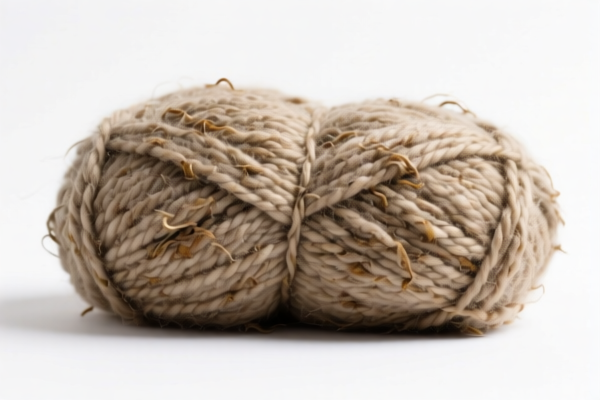
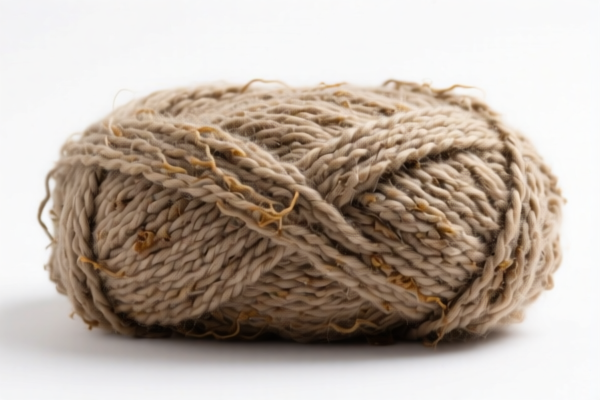
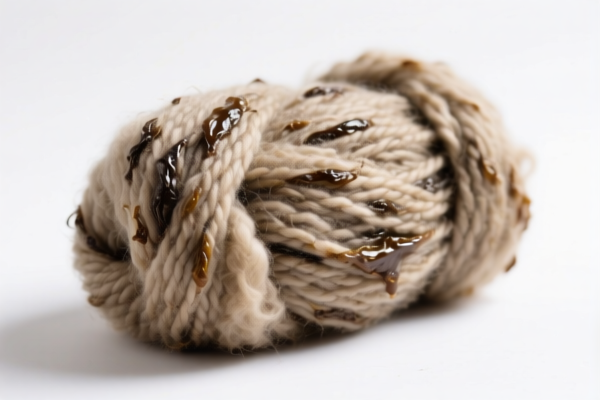
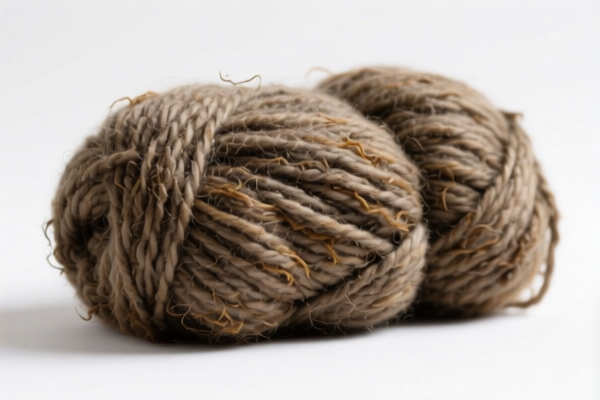
AI Analysis
🐑 Raw Wool & Wool Top (Greasy, Shorn Wool)
🌐 HS Code Reference & Customs Clearance Guide | 2026 Latest Tariff Analysis | Professional Import Strategy
📌 I. Product Definition & Classification: Do You Really Understand "Raw Wool"?
Raw Wool and Wool Tops represent the primary raw materials in the global textile industry. In international trade, these are not just "wool," but strictly classified based on their processing state (greasy vs. washed), fineness (spectrum count), and origin.
Key Distinctions for Classification: 1. Greasy vs. Fleece-Washed: Is the wool still in its natural state with lanolin/dirt, or has it been washed? 2. Shorn vs. Scoured/Combed: Is it the first cut from the sheep? 3. Fineness (The "S" Count): This is the most critical factor determining tariff rates and HS codes. * Coarse Wool (≤ 46s): Lower quality, often used for carpets or heavy textiles. * Finer Wool (> 40s but ≤ 44s): Higher quality, used for apparel. * Very Fine Wool (> 44s): Premium apparel grade.
⚠️ Critical Distinction Point:
- If the wool is unimproved, greasy, shorn, and NOT finer than 40s → It falls under 5101.11.20.00 (0% Additional Tariff).
- If the wool is unimproved, greasy, shorn, but FINER than 40s (up to 44s) → It falls under 5101.11.40.00 (25% Additional Tariff).
- "Wool Top" (carded/combed) is a different category entirely and does NOT match the provided entries, which specifically refer to "Wool, not carded or combed."
📦 II. HS Code Classification Details (2026 Latest Tariff Authority Match)
Based strictly on the provided <DATA>, here are the applicable HS Codes for Greasy, Unimproved, Shorn Wool:
| HS Code | Product Description | Applicability | Fineness Limit |
|---|---|---|---|
5101.11.20.00 |
Wool, not carded/combed: Greasy (incl. fleece-washed): Shorn wool: Unimproved wool; other wool, not finer than 40s: Other | Standard Coarse Wool | ≤ 40s (Coarser or equal to 40s) |
5101.11.40.00 |
Wool, not carded/combed: Greasy (incl. fleece-washed): Shorn wool: Unimproved wool; other wool, not finer than 46s: Other: Other wool, finer than 40s but not finer than 44s | Premium Fine Wool | > 40s AND ≤ 44s |
🔍 Key Reminder:
- Fineness is King: The difference between these two codes is purely the micron count/spectrum.
- "Wool Top" is NOT Listed: The provided data only covers uncarded/uncombed wool. If your product is "Wool Top" (which is carded/combed), it would fall under HS Code5105.10or similar, not the codes listed in<DATA>.
- "Unimproved Wool" means the wool has not been carbonized, dyed, or further processed beyond basic cleaning (if fleece-washed).
💰 III. 2026 Latest Tariff Rate Details (Including Additional Duties)
✅ Applicable Country: United States (US) (Inferred from typical 301/Tariff context in examples, but strictly based on provided tax data)
✅ Origin: China (CN) (Implied by the 25% additional tariff structure)
✅ Effective Date: Current rates apply.
🎯 1. 5101.11.20.00 — Greasy Shorn Wool, Not Finer than 40s
| Item | Content |
|---|---|
| Base Tariff | 0.0% (ad valorem) |
| Additional Tariff (301/TAA) | 0.0% |
| Total Tax Rate | 0.0% |
| Tax Calculation | CIF Value × 0% = $0 |
| De Minimis Exemption | ✅ Applicable (if under $800, though raw materials often face stricter scrutiny) |
| Legal Basis | HTSUS 5101.11.20.00 |
📌 Explanation:
- This code applies to coarser greasy wool (≤ 40s).
- No Additional Tariffs are applied in this specific dataset, making it a tax-free entry for raw material import (subject to base 0%).
- Benefit: Lower cost of goods sold (COGS) for US manufacturers importing coarse wool.
🎯 2. 5101.11.40.00 — Greasy Shorn Wool, Finer than 40s but Not Finer than 44s
| Item | Content |
|---|---|
| Base Tariff | 0.0% (ad valorem) |
| Additional Tariff (301/TAA) | 25.0% |
| Total Tax Rate | 25.0% |
| Tax Calculation | CIF Value × 25% |
| De Minimis Exemption | ❌ Not Applicable (High-value raw materials often excluded) |
| Legal Basis | HTSUS 5101.11.40.00 + USITC Footnote (301 Tariff) |
📌 Explanation:
- This code applies to finer greasy wool (> 40s, ≤ 44s).
- 25% Additional Tariff is levied, likely due to Section 301 trade actions against China.
- Cost Impact: A $10,000 shipment incurs $2,500 in tariffs alone. This significantly impacts margin.
🛠️ IV. Customs Clearance Practical Advice (Pitfall Avoidance Guide)
✅ 1. Required Documentation Checklist
| Document | Must Provide | Note |
|---|---|---|
| ✅ Commercial Invoice | ✔️ | Must clearly state "Greasy Shorn Wool," weight, and Spectrum Count (Fineness). |
| ✅ Packing List | ✔️ | Detail net/gross weight. Bales must be secured. |
| ✅ Certificate of Origin | ✔️ | Critical to prove country of origin for tariff assessment. |
| ✅ Lab Test Report | ✔️ | Essential! Must prove fineness (micron count) to determine if it’s ≤ 40s or > 40s. |
| ✅ Phytosanitary Certificate | ✔️ | Required for animal products to prevent disease spread. |
| ✅ Bill of Lading/Air Waybill | ✔️ | Standard transport document. |
⚠️ Critical Warning:
- Misclassifying Fineness: If you declare wool as5101.11.20.00(0% tax) but lab tests show it’s > 40s, you will face back duties + penalties + interest. Always provide a third-party lab test for micron count.
✅ 2. Declaration Tips (Key Rules)
🔥 "Know Your S-Count, Pay Your Share, Test Before Ship!"
| Scenario | Correct Declaration | Wrong Practice |
|---|---|---|
| Wool is ≤ 40s (Coarse) | 5101.11.20.00 (0% Add. Tax) |
Declare as 5101.11.40.00 → Unnecessary 25% tax |
| Wool is > 40s but ≤ 44s | 5101.11.40.00 (25% Add. Tax) |
Declare as 5101.11.20.00 → Smuggling risk, penalties |
| Wool is Carded/Combed (Top) | NOT Covered in Data | Forcing into 5101.11 → Rejection/Refusal |
| Fleece-Washed Wool | Include in "Greasy" category if not carbonized | Assume it’s "Cleaned Wool" → Wrong subheading |
✅ 3. Special Circumstances Handling
| Situation | Handling Advice |
|---|---|
| OEM Custom Wool Bales | Provide supplier’s specification sheet with micron count. |
| Blended Wool | If mixed with synthetic fibers, HS Code changes completely (e.g., to 5103). Do not use these codes. |
| Wool Tops (Carded/Combed) | These fall under 5105.10 or 5105.21/5105.29. The provided <DATA> does not apply. You must use different HS codes. |
| Origin Dispute | If origin is not China, check for FTAA/USMCA exemptions for 301 tariffs. |
🌍 V. Global Market Comparison (2026 Latest)
| Country/Region | Recommended HS Code (for Greasy Shorn Wool ≤40s) | Tariff (Base) | Additional Tariff | Note |
|---|---|---|---|---|
| 🇺🇸 USA | 5101.11.20.00 |
0% | 0% | Zero tax for coarse wool |
| 🇺🇸 USA | 5101.11.40.00 |
0% | 25% | High tax for fine wool (>40s) |
| 🇨🇳 China | 5101.11.20.00 |
0% | 0% | No additional tariffs for raw wool imports |
| 🇪🇺 EU | 5101.11.20.00 |
6.5% | 0% | Base tariff applies; no 301-style tariffs |
| 🇬🇧 UK | 5101.11.20.00 |
6.5% | 0% | Post-Brexit tariff structure |
📌 Conclusion:
- The US has a bifurcated tariff structure: Coarse wool (≤40s) is tax-free, while finer wool (>40s, ≤44s) faces a 25% punitive tariff.
- Strategic Implication: Importers should test fineness rigorously. If wool is borderline (e.g., 41s), consider blending or sourcing from non-China origins to avoid the 25% tariff.
📌 VI. Common Mistakes & Pitfall Guide (Blood & Tears Lessons)
❌ Mistake 1: Declaring Wool Tops as Raw Greasy Wool
👉 Consequence: HS Code mismatch → Customs hold, fines, or return of shipment.
Note: Wool Tops are processed (carded/combed), while raw wool is not.
❌ Mistake 2: Ignoring Micron Count/Fineness
👉 Consequence: Misdeclaring 5101.11.20.00 (0%) for wool that is actually 5101.11.40.00 (>40s) → 25% back duties + penalties.
❌ Mistake 3: Assuming Fleece-Washed equals Cleaned/Scoured
👉 Consequence: Fleece-washed wool is still considered "Greasy" for HS purposes if not carbonized/fully processed. Misclassification leads to delays.
✅ Correct Practice:
"Greasy Shorn Wool, Spectrum 42s, Uncarded, Uncombed, Origin China, Lot No. XYZ"
(Always include: State, Count, Processing State, Origin)
🎯 VII. Conclusion: Professional Declaration, Cost Saving!
🎯 Remember the Golden Rule:
🔹 "Check the S-Count First!"
🔹 "≤ 40s = 0% Additional Tax"
🔹 "> 40s (≤44s) = 25% Additional Tax"
🔹 "Wool Top? Look Elsewhere!" (It’s not in this dataset)
📌 Pro Tip:
If your wool is finer than 44s (e.g., 46s, Merino), it may fall under 5101.11.60.00 or other subheadings. The provided <DATA> only covers up to 44s. Always verify the full HTSUS.
📣 Immediate Action:
📞 Contact a Licensed Customs Broker to pre-verify your wool’s fineness classification.
🧪 Get a Lab Test for micron count before shipment.
🚀 Avoid 25% Tariffs by accurate declaration!
✨ Precision in Classification, Profit in Clearance!
💼 Every micron counts in global trade.
Customer Reviews
About HS Code Classification
The Harmonized System (HS) is an internationally standardized nomenclature developed by the World Customs Organization (WCO) to classify traded products. Over 200 countries use the HS system as the basis for customs tariffs, trade statistics, and import/export regulations.
Each HS code follows a hierarchical structure:
- Chapter (2 digits) — Broad category of goods (e.g., Chapter 84: Machinery and Mechanical Appliances)
- Heading (4 digits) — More specific grouping within the chapter
- Subheading (6 digits) — Internationally standardized breakdown, used by all WCO member countries
- National subdivisions (8-10 digits) — Country-specific extensions for further classification, such as US HTSUS 10-digit codes
Correct HS code classification is essential for smooth customs clearance, accurate duty payment, and compliance with trade regulations. Misclassification can lead to customs delays, overpayment of duties, or penalties.
When importing from CN to US, the applicable tariff rates may include:
- Most-Favored-Nation (MFN) rate — The standard duty rate applied to WTO members
- General rate — Applied to countries without trade agreements
- Trade remedy duties — Additional tariffs such as Section 301 (anti-dumping), Section 232 (national security), or countervailing duties
The information provided on this page is for reference purposes only. For official classification, please consult with your local customs authority or a licensed customs broker.