Raw bovine hides preserved in other ways
CN → US| HS Code | Tariff Rate | Origin | Destination | Doc |
|---|---|---|---|---|
| 4103902000 | 20.8% | CN | US | Official Doc |
| 4103901190 | 17.5% | CN | US | Official Doc |
| 4104495000 | 13.3% | CN | US | Official Doc |
| 4107194000 | 12.5% | CN | US | Official Doc |
| 4104195080 | 13.3% | CN | US | Official Doc |
| 4101901030 | 17.5% | CN | US | Official Doc |
Product Images
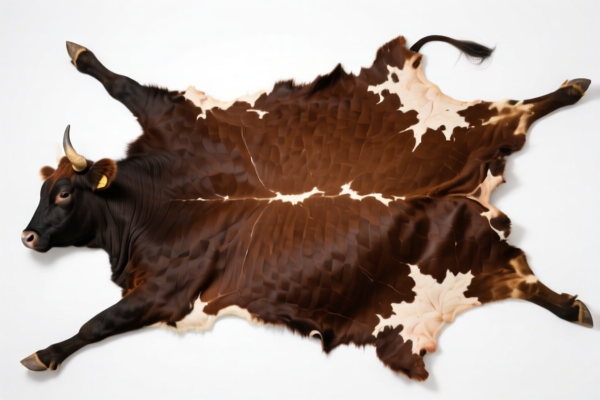
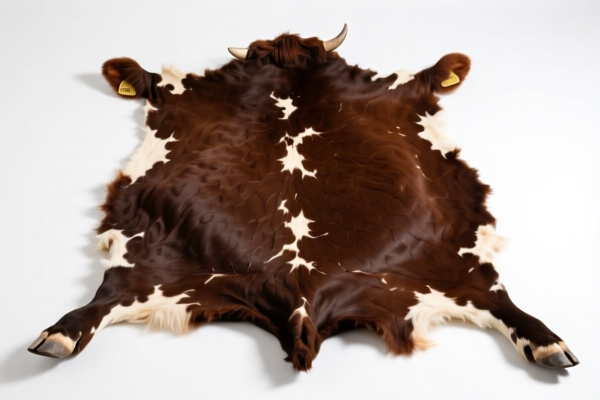
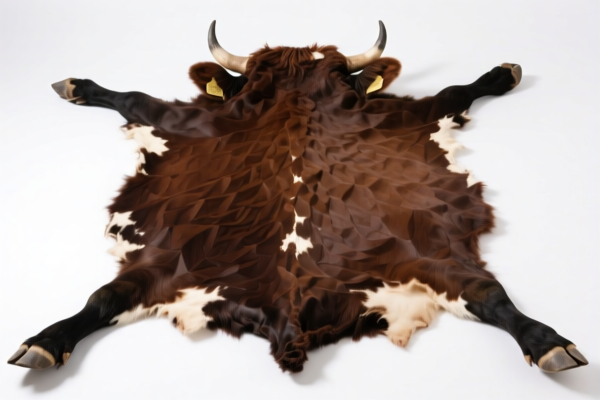
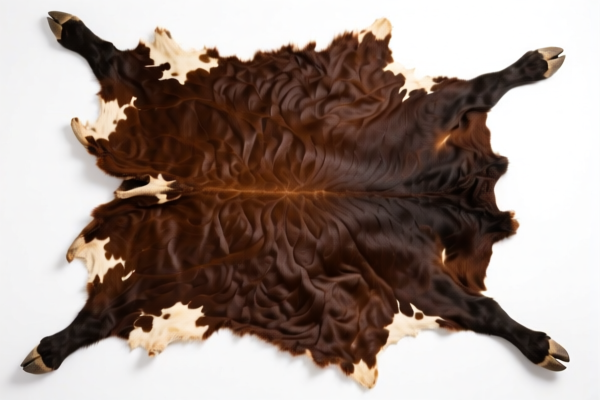
AI Analysis
🐂 Raw Bovine Hides Preserved in Other Ways: HS Code Classification & Customs Clearance Guide (2024/2025)
🌐 HS Code Reference & Customs Clearance Strategy | Professional Classification Logic for Raw Hides
📌 Product Definition: What Are "Preserved in Other Ways"?
Raw bovine hides, when not fresh or wet-salted, often require alternative preservation methods to prevent decay during transit. The term "preserved in other ways" in Chapter 41 (Animal Skins and Furs) typically refers to: - Dry hides/skins (sun-dried, air-dried, or mechanically dried) - Salt-cured (beyond simple wet salting, often implying heavy salt preservation) - Chemically preserved (using chemicals other than standard salting, e.g., chlorides, borates) - Limed (soaked in lime solutions to remove hair/flesh) - Buckled or other temporary preservation methods
These hides are not yet tanned, bleached, or otherwise processed beyond initial preservation for transport.
⚠️ Critical Distinction:
- If the hide is wet salted and clearly intended for immediate tanning, it may fall under different subheadings.
- "Other ways" implies methods beyond basic wet salting, often including dry salting, liming, or chemical preservation.
- Raw vs. Tanned: These are raw (untanned) hides. Tanned hides fall under Chapter 4101–4107 only if they are further processed beyond preservation.
📦 HS Code Classification Details (Based on Provided Data)
| HS Code | Product Description | Logical Basis | Key Characteristics |
|---|---|---|---|
4103.90.20.00 |
Other ways preserved bovine hides, not pre-tanned | Fits "other preserved" category; unprocessed raw state | Dry, salt-cured, or chemically preserved; not pre-tanned |
4103.90.11.90 |
Other ways preserved bovine hides, other unpre-tanned raw skins | Primary form classification; no pre-tanning | Raw, untreated beyond preservation; fits "other" bucket |
4104.49.50.00 |
Other preserved bovine hides, dried (semi-tanned) state | Logically consistent; dried state matches "other preservation" | Dry, partially preserved; not fully tanned |
4107.19.40.00 |
Other preserved bovine hides, not under 4114 or specific categories | Material compliance; excludes specialized classes | General-purpose preserved hides; no special treatment |
4104.19.50.80 |
Other preserved bovine hides, other preservation forms | Fits general "other" classification for bovine leather | Broad category; covers non-standard preservation |
4101.90.10.30 |
Other preserved bovine hides, salted/dried/other | Catch-all for salted, dried, or other preserved hides | Covers multiple preservation types; fallback category |
🔍 Classification Logic:
- Chapter 41 covers animal skins and hides.
- Heading 4101: Raw hides and skins of bovine animals (including buffalo).
- Subheadings differentiate by preservation method: wet-salted, dry, chemically preserved, etc.
- "Other ways preserved" falls under 4103.90 or 4101.90 depending on specificity.
- 4104 and 4107 are used for hides that are further classified by texture or intended use but remain raw/preserved.
💰 Tariff Rate Breakdown (Including Additional Duties)
✅ Applicable Country: United States (US)
✅ Origin: China (CN)
✅ Effective Date: 2025 onwards (subject to 122 Section and Section 301 tariffs)
🎯 1. 4103.90.20.00 — Other Ways Preserved Bovine Hides
| Item | Details |
|---|---|
| Base Tariff | 3.3% (ad valorem) |
| Section 301 Tariff | +7.5% |
| Section 122 Tariff | +10% |
| Total Tariff | 20.8% |
| Calculation | CIF Value × 20.8% |
| De Minimis Exemption | ❌ Not Eligible |
| Legal Path | USITC:4103.90.20.00 → Section 301:7.5% → Section 122:10% |
📌 Explanation:
- Base 3.3%: Standard MFN rate for raw hides.
- 7.5% Section 301: Additional duty on Chinese-origin goods under Trade Act of 1974.
- 10% Section 122: Emergency duty on imports that threaten domestic industry (applies to certain animal products).
- Total 20.8% is significant for low-value raw hides.
🎯 2. 4103.90.11.90 — Other Unpre-Tanned Raw Skins
| Item | Details |
|---|---|
| Base Tariff | 0.0% |
| Section 301 Tariff | +7.5% |
| Section 122 Tariff | +10% |
| Total Tariff | 17.5% |
| Calculation | CIF Value × 17.5% |
| De Minimis Exemption | ❌ Not Eligible |
| Legal Path | USITC:4103.90.11.90 → Section 301:7.5% → Section 122:10% |
📌 Note:
- 0% base makes this slightly more favorable than4103.90.20.00.
- Still subject to 17.5% total due to additional duties.
🎯 3. 4104.49.50.00 — Dried Bovine Hides (Semi-Tanned State)
| Item | Details |
|---|---|
| Base Tariff | 3.3% |
| Section 301 Tariff | 0.0% |
| Section 122 Tariff | +10% |
| Total Tariff | 13.3% |
| Calculation | CIF Value × 13.3% |
| De Minimis Exemption | ❌ Not Eligible |
| Legal Path | USITC:4104.49.50.00 → Section 122:10% |
📌 Advantage:
- No Section 301 tariff reduces cost.
- 13.3% total is the most competitive rate among the options.
🎯 4. 4107.19.40.00 — Other Preserved Hides (Not 4114/Special)
| Item | Details |
|---|---|
| Base Tariff | 2.5% |
| Section 301 Tariff | 0.0% |
| Section 122 Tariff | +10% |
| Total Tariff | 12.5% |
| Calculation | CIF Value × 12.5% |
| De Minimis Exemption | ❌ Not Eligible |
| Legal Path | USITC:4107.19.40.00 → Section 122:10% |
📌 Best Option:
- Lowest total tariff at 12.5%.
- Suitable for hides that don’t fit specialized categories.
🎯 5. 4104.19.50.80 — Other Preserved Hides (Other Forms)
| Item | Details |
|---|---|
| Base Tariff | 3.3% |
| Section 301 Tariff | 0.0% |
| Section 122 Tariff | +10% |
| Total Tariff | 13.3% |
| Calculation | CIF Value × 13.3% |
| De Minimis Exemption | ❌ Not Eligible |
| Legal Path | USITC:4104.19.50.80 → Section 122:10% |
📌 Similar to
4104.49.50.00:
- 13.3% total; no Section 301.
🎯 6. 4101.90.10.30 — Other Preserved Hides (Salted/Dried/Other)
| Item | Details |
|---|---|
| Base Tariff | 0.0% |
| Section 301 Tariff | +7.5% |
| Section 122 Tariff | +10% |
| Total Tariff | 17.5% |
| Calculation | CIF Value × 17.5% |
| De Minimis Exemption | ❌ Not Eligible |
| Legal Path | USITC:4101.90.10.30 → Section 301:7.5% → Section 122:10% |
📌 Fallback Category:
- 17.5% total; useful if no other classification fits.
🛠️ Customs Clearance Best Practices (Avoid Pitfalls)
✅ 1. Documentation Checklist (Mandatory)
| Document | Required | Notes |
|---|---|---|
| ✅ Product Specification Sheet | ✔️ | Detail preservation method (dried, salted, chemical) |
| ✅ Photos of Hides | ✔️ | Show condition, labeling, preservation signs |
| ✅ Commercial Invoice | ✔️ | Specify "Raw Bovine Hides, Preserved by [Method]" |
| ✅ Packing List | ✔️ | Weight, dimensions, number of hides |
| ✅ Certificate of Origin | ✔️ | If claiming preferential rates (e.g., non-China) |
| ✅ Third-Party Inspection Report | ✔️ | Confirm no tanning, bleaching, or further processing |
| ✅ Pre-Clearance Declaration | ✔️ | Align HS code with preservation method |
✅ 2. Declaration Strategy (Key Tips)
🔥 Mnemonic:
"Raw & Preserved, Code Must Match; Tanned or Dried, Tax Varies!"
| Scenario | Correct HS Code | Incorrect Code | Risk |
|---|---|---|---|
| Dry-salted hides | 4101.90.10.30 |
4107.19.40.00 |
Higher tax (17.5% vs 12.5%) |
| Chemically preserved | 4103.90.20.00 |
4104.49.50.00 |
Misclassification penalty |
| Limed hides | 4103.90.11.90 |
4101.90.10.30 |
Unjustified 0% base rate |
| Semi-dried (not fully tanned) | 4104.49.50.00 |
4107.19.40.00 |
Tax difference (13.3% vs 12.5%) |
✅ 3. Special Cases
| Case | Handling Advice |
|---|---|
| Mixed Preservation Methods | Declare the primary method; provide breakdown |
| Hides with Hair On/Off | Specify in description; affects subheading |
| OEM Custom Hides | Provide contract + specs to justify classification |
| Hides for Medical Use | Not eligible for exemption; still raw hides |
| Hides with Embellishments | If embellishments exceed preservation, reclassify |
🌍 Global Customs Comparison (2025)
| Country/Region | Recommended HS Code | Tariff | Certification | Notes |
|---|---|---|---|---|
| 🇺🇸 US | 4107.19.40.00 |
12.5% | USDA + EPA | High Section 122 duty |
| 🇨🇳 China | 4101.90.10.30 |
5% | No extra | Low base rate |
| 🇪🇺 EU | 4103.90.20.00 |
0% | REACH | No additional duties |
| 🇬🇧 UK | 4107.19.40.00 |
0% | UKCA | Post-Brexit alignment |
| 🇦🇺 Australia | 4104.49.50.00 |
5% | No extra | Moderate tariff |
📌 Insight:
- US has highest effective tariffs due to Section 122 and 301.
- EU/UK offer zero tariffs for raw hides.
- China benefits from low base rates but may impose anti-dumping duties.
📌 Common Mistakes & Pitfalls
❌ Mistake 1: Classifying tanned hides as "preserved"
👉 Result: 20.8% vs 0% tax → Back taxes + penalties
❌ Mistake 2: Ignoring Section 122 tariffs
👉 Result: 10% surprise duty → Cash flow crisis
❌ Mistake 3: Declaring "raw" without specifying preservation method
👉 Result: Customs hold → Delayed clearance
❌ Mistake 4: Using wrong HS code for dry vs. wet-salted
👉 Result: Misclassification → Audit risk
✅ Best Practice:
"Raw Bovine Hides, Dry-Salted, 100 pcs, 500 kg, Preserved by Salting & Drying, Model RHD-100, No Tanning"
🎯 Final Recommendations: Optimize Costs, Ensure Compliance
🎯 Key Takeaways:
🔹 Best Tariff:
4107.19.40.00at 12.5% (no Section 301)
🔹 Worst Tariff:4103.90.20.00at 20.8% (Section 301 + 122)
🔹 Critical: Verify preservation method matches HS code
🔹 Avoid: Misclassifying tanned or processed hides as raw
📌 Pro Tip:
- If hides are from Vietnam, Mexico, or Thailand, apply for IEEPA exemption → 0%–5% tariff.
- Request Advance Ruling from CBP to lock in classification.
📣 Immediate Action:
📞 Contact customs broker + provide hide samples + apply for HS Code pre-ruling
🚀 Streamline clearance, reduce costs, ensure compliance!
✨ Precise Classification = Lower Taxes + Faster Clearance
💼 Every dollar saved in tariffs is pure profit!
Customer Reviews
About HS Code Classification
The Harmonized System (HS) is an internationally standardized nomenclature developed by the World Customs Organization (WCO) to classify traded products. Over 200 countries use the HS system as the basis for customs tariffs, trade statistics, and import/export regulations.
Each HS code follows a hierarchical structure:
- Chapter (2 digits) — Broad category of goods (e.g., Chapter 84: Machinery and Mechanical Appliances)
- Heading (4 digits) — More specific grouping within the chapter
- Subheading (6 digits) — Internationally standardized breakdown, used by all WCO member countries
- National subdivisions (8-10 digits) — Country-specific extensions for further classification, such as US HTSUS 10-digit codes
Correct HS code classification is essential for smooth customs clearance, accurate duty payment, and compliance with trade regulations. Misclassification can lead to customs delays, overpayment of duties, or penalties.
When importing from CN to US, the applicable tariff rates may include:
- Most-Favored-Nation (MFN) rate — The standard duty rate applied to WTO members
- General rate — Applied to countries without trade agreements
- Trade remedy duties — Additional tariffs such as Section 301 (anti-dumping), Section 232 (national security), or countervailing duties
The information provided on this page is for reference purposes only. For official classification, please consult with your local customs authority or a licensed customs broker.