Raw equine butt leather
CN → US| HS Code | Tariff Rate | Origin | Destination | Doc |
|---|---|---|---|---|
| 4107117050 | 15.0% | CN | US | Official Doc |
| 4113903000 | 38.3% | CN | US | Official Doc |
| 4107117040 | 15.0% | CN | US | Official Doc |
| 4113906000 | 36.6% | CN | US | Official Doc |
| 4205006000 | 39.9% | CN | US | Official Doc |
| 4205008000 | 35.0% | CN | US | Official Doc |
Product Images
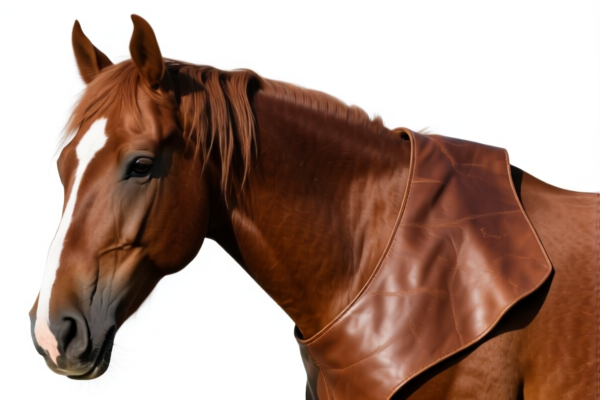
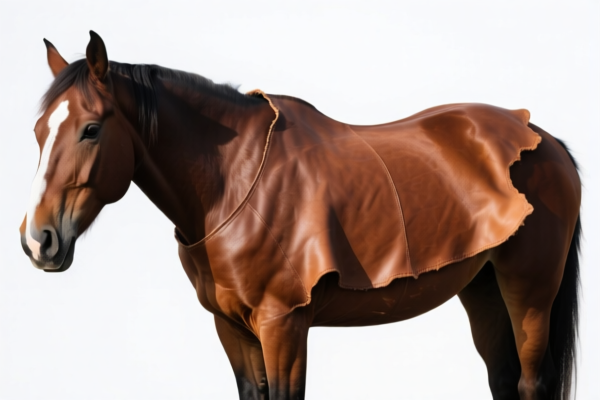
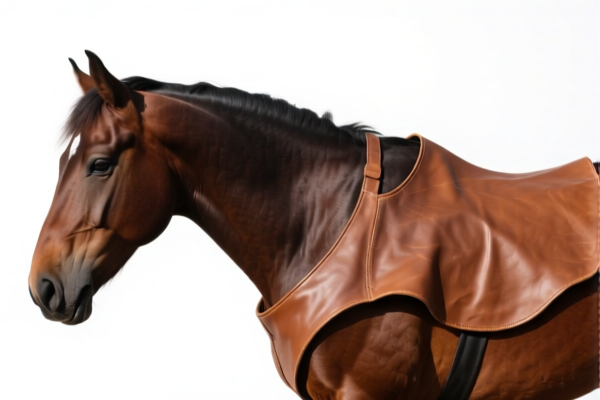
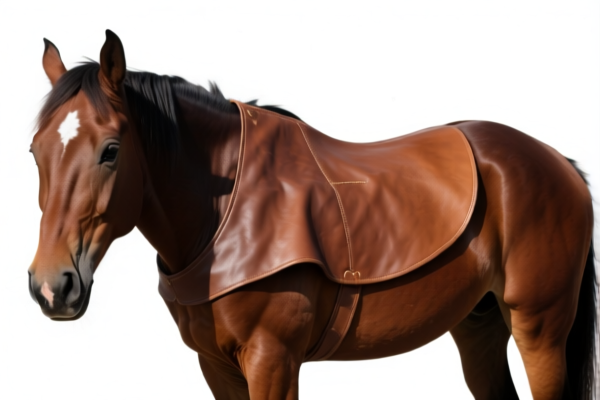
AI Analysis
🐎 Raw Equine Butt Leather (马腹部皮革)
🌐 HS Code Reference & Customs Clearance Guide | 2026 Latest Tariff Analysis | Professional-Level通关策略
📌 一、Product Definition & Classification: What is "Raw Equine Butt Leather"?
Raw Equine Butt Leather refers to leather derived from the belly of an equine (horse) animal. In international trade, this raw material is typically processed into tanned or crust leather before final use in gloves, clothing, or accessories. The classification depends heavily on the state of processing (tanned, finished, or semi-processed) and the intended final use.
⚠️ Key Distinction:
- If the leather is tanned but not further processed (e.g., for gloves/clothing) → Classified under Chapter 41 (Raw/Hide/Leather).
- If the leather is finished or used for specific non-glove/clothing purposes → May fall under Chapter 41 (Other) or Chapter 42 (Leather Articles).
- Important: "Raw" here usually implies tanned leather in customs contexts, as truly "untanned" hides are classified differently. The data provided suggests tanned horse belly leather.
📦 二、HS Code Classification Details (2026 Latest Tariff Authority Comparison)
| HS Code | Product Description | Application Scenario | Tax Rate (Total) | Tax Detail |
|---|---|---|---|---|
4107.11.70.50 |
Horse belly leather, tanned, for gloves & clothing | Glove/clothing leather, standard tanned hide | 15.0% | Base: 5.0%, Section 301: 0%, 122 Clause: 10% |
4113.90.30.00 |
Horse belly leather, tanned, other animal leather | Non-glove/clothing leather, general tanned hide | 38.3% | Base: 3.3%, Section 301: 25.0%, 122 Clause: 10% |
4107.11.70.40 |
Horse belly leather, tanned, for gloves & clothing | Glove/clothing leather, standard tanned hide | 15.0% | Base: 5.0%, Section 301: 0%, 122 Clause: 10% |
4113.90.60.00 |
Horse belly leather, tanned, other animal leather | Non-glove/clothing leather, general tanned hide | 36.6% | Base: 1.6%, Section 301: 25.0%, 122 Clause: 10% |
4205.00.60.00 |
Horse belly leather, other leather articles | Leather goods (non-glove/clothing), finished articles | 39.9% | Base: 4.9%, Section 301: 25.0%, 122 Clause: 10% |
4205.00.80.00 |
Horse belly leather, other leather or synthetic leather articles | Miscellaneous leather goods, finished articles | 35.0% | Base: 0.0%, Section 301: 25.0%, 122 Clause: 10% |
🔍 Key Reminder:
- Glove/Clothing Leather (4107.11.70.50/4107.11.70.40): Lower tax rate (15%) if specifically destined for gloves/clothing manufacturing.
- Other Tanned Leather (4113.90.30.00/4113.90.60.00): Higher tax rate (36.6%–38.3%) due to 25% Section 301 tariff.
- Leather Articles (4205.00.60.00/4205.00.80.00): Highest tax rate (35%–39.9%) as finished goods.
💰 三、2026 Latest Tariff Rate Details (Including Additional Taxes)
✅ Applicable Country: United States (US)
✅ Origin: China (CN)
✅ Effective Date: From November 10, 2025 (and subsequent imports)
🎯 1. 4107.11.70.50 & 4107.11.70.40 —— Horse Belly Leather for Gloves/Clothing
| Item | Content |
|---|---|
| Base Rate | 5.0% (ad valorem) |
| USITC Section 301 Tariff | 0% (Exempt for glove/clothing leather in specific subcategories) |
| 122 Clause Tariff | +10% (Specific regulatory clause) |
| Total Rate | 15.0% |
| Tax Calculation | CIF Value × 15% |
| De Minimis Exemption | ❌ Not Eligible (High tax rate disqualifies from de minimis) |
| Legal Basis Path | USITC:4107.11.70.50/40 → 122 Clause:10% |
📌 Explanation:
- "Base Tariff 5%": Standard import duty for tanned leather.
- "Section 301 Tariff 0%": Certain glove/clothing leathers are exempt from the 25% Section 301 tariff.
- "122 Clause Tariff 10%": A specific regulatory surcharge applies.
- Total 15%: This is the most favorable rate for equine butt leather, but only if correctly classified as glove/clothing leather.
🎯 2. 4113.90.30.00 & 4113.90.60.00 —— Other Tanned Horse Belly Leather
| Item | Content |
|---|---|
| Base Rate | 3.3% (4113.90.30.00) / 1.6% (4113.90.60.00) |
| USITC Section 301 Tariff | +25% (Standard surcharge for non-exempt leather) |
| 122 Clause Tariff | +10% |
| Total Rate | 38.3% (4113.90.30.00) / 36.6% (4113.90.60.00) |
| Tax Calculation | CIF Value × Total Rate |
| De Minimis Exemption | ❌ Not Eligible |
| Legal Basis Path | USITC:4113.90.30.00/60.00 → Section 301:25% → 122 Clause:10% |
📌 Note:
- "Section 301 Tariff 25%": Applies to most other tanned leathers not exempt.
- "122 Clause Tariff 10%": Additional regulatory surcharge.
- Total ~37%: Significantly higher than glove/clothing leather.
🎯 3. 4205.00.60.00 & 4205.00.80.00 —— Other Leather Articles
| Item | Content |
|---|---|
| Base Rate | 4.9% (4205.00.60.00) / 0.0% (4205.00.80.00) |
| USITC Section 301 Tariff | +25% |
| 122 Clause Tariff | +10% |
| Total Rate | 39.9% (4205.00.60.00) / 35.0% (4205.00.80.00) |
| Tax Calculation | CIF Value × Total Rate |
| De Minimis Exemption | ❌ Not Eligible |
| Legal Basis Path | USITC:4205.00.60.00/80.00 → Section 301:25% → 122 Clause:10% |
📌 Warning:
- "Finished Goods" Classification: If the leather is already made into articles (e.g., belts, bags), it falls under Chapter 42, attracting the highest taxes.
- "0% Base Rate" Misconception: Even if base rate is 0%, the 25% + 10% surcharges make it expensive.
🛠️ 四、Customs Clearance Practical Advice (Avoid Pitfalls)
✅ 1. Required Documentation Checklist
| Document | Mandatory | Notes |
|---|---|---|
| ✅ Product Specification | ✔️ | Material: Horse belly leather; Tanning method; Thickness |
| ✅ Tanning Certificate | ✔️ | Proof of tanning process (vegetable/chrome tanning) |
| ✅ Product Photos | ✔️ | Clear images of hide surface, edges, and labels |
| ✅ Commercial Invoice | ✔️ | Specify "Tanned Horse Belly Leather for Glove/Clothing" |
| ✅ Packing List | ✔️ | Weight, dimensions, quantity |
| ✅ Certificate of Origin | ✔️ | If eligible for preferential treatment (rare for China) |
✅ 2. Declaration Tips (Key Mnemonics)
🔥 "Classify by Use! Gloves/Clothing = 15%, Others = 36%+!"
| Scenario | Correct Declaration | Wrong Practice |
|---|---|---|
| Leather for glove/clothing production | 4107.11.70.50 or 4107.11.70.40 |
Misclassify as "other leather" → 38.3% |
| Leather for bags/belts (finished) | 4205.00.60.00 or 4205.00.80.00 |
Misclassify as raw hide → Incorrect tax |
| General tanned leather | 4113.90.30.00 or 4113.90.60.00 |
Avoid if possible due to high tax |
📌 Critical Tip:
- If the leather is explicitly for glove/clothing, declare it as such to qualify for 15% tax.
- If the end-use is ambiguous, customs may default to 36%+ tax.
✅ 3. Special Cases Handling
| Case | Handling Advice |
|---|---|
| OEM Leather for Glove Brands | Provide buyer’s declaration confirming "for glove/clothing use" |
| Mixed Shipment (Glove + Other Leather) | Declare separately to avoid higher tax on all items |
| Leather with Minor Defects | Still qualifies as "tanned leather"; defect level affects value, not HS code |
| Sample Shipments | High tax applies even for samples; consider air freight with de minimis if under $800 (but note: leather often excluded) |
🌍 五、Global Market Clearance Comparison (2026 Latest)
| Country/Region | Recommended HS Code | Tariff | Certification Requirements | Notes |
|---|---|---|---|---|
| 🇺🇸 USA | 4107.11.70.50 |
15% (if for gloves/clothing) | None specific | High tax (36%+) if misclassified |
| 🇨🇳 China | 4107.11.70.50 |
5% | None | No Section 301 or 122 Clause |
| 🇪🇺 EU | 4107.11.70 |
5.5% | REACH | No Section 301 |
| 🇦🇺 Australia | 4107.11.70 |
5% | None | No additional surcharges |
| 🇯🇵 Japan | 4107.11.70 |
8.5% | JIS | No surcharges |
📌 Conclusion:
- USA is the most tax-intensive market for equine butt leather due to Section 301 and 122 Clause tariffs.
- China, EU, Australia, Japan have significantly lower tariffs (5%–8.5%).
- Strategy: If targeting the US market, ensure accurate classification as glove/clothing leather to save 20%+ in taxes.
📌 Six: Common Mistakes & Pitfall Avoidance (Blood Lessons)
❌ Mistake 1: Declaring "Glove Leather" but sending "Bag Leather"
👉 Consequence: Customs inspection reveals mismatch → Back tax + Fine + Delay!
❌ Mistake 2: Using vague description "Raw Leather"
👉 Consequence: Customs assigns worst-case HS code (4205.00.60.00) → 39.9% Tax!
❌ Mistake 3: Ignoring 122 Clause Tariff
👉 Consequence: Underestimating total tax → Cash Flow Crisis!
❌ Mistake 4: Mixing Glove and Non-Glove Leather in One Shipment
👉 Consequence: Customs may tax entire shipment at higher rate → Unnecessary Cost!
✅ Correct Approach:
"Tanned Horse Belly Leather, for Glove Manufacturing, Chrome Tanned, 0.8mm Thickness, HS 4107.11.70.50"
🎯 Seven: Conclusion – Professional Declaration Saves Money!
🎯 Remember Mnemonics:
🔹 "Glove/Clothing = 15%, Other = 36%+, Finished = 39%!"
🔹 "Classify by End-Use! One Misstep Costs 20% in Tax!"
📌 Pro Tip:
If your horse belly leather is processed in Vietnam, Mexico, or Thailand, you may apply for Section 301 Exemption (if eligible), reducing tax to 10%–15%.
Recommendation: Apply for Advance Ruling from US Customs (CBP) before shipment to confirm HS code and tax rate.
📣 Immediate Action:
📞 Contact a professional customs broker + Provide product specs + Apply for HS Code Advance Ruling
🚀 Ensure smooth clearance, reduce tax burden, and maximize profit!
✨ Professional Customs Clearance Starts with Accurate Classification!
💼 Every Dollar Saved in Tax is Pure Profit!
Customer Reviews
About HS Code Classification
The Harmonized System (HS) is an internationally standardized nomenclature developed by the World Customs Organization (WCO) to classify traded products. Over 200 countries use the HS system as the basis for customs tariffs, trade statistics, and import/export regulations.
Each HS code follows a hierarchical structure:
- Chapter (2 digits) — Broad category of goods (e.g., Chapter 84: Machinery and Mechanical Appliances)
- Heading (4 digits) — More specific grouping within the chapter
- Subheading (6 digits) — Internationally standardized breakdown, used by all WCO member countries
- National subdivisions (8-10 digits) — Country-specific extensions for further classification, such as US HTSUS 10-digit codes
Correct HS code classification is essential for smooth customs clearance, accurate duty payment, and compliance with trade regulations. Misclassification can lead to customs delays, overpayment of duties, or penalties.
When importing from CN to US, the applicable tariff rates may include:
- Most-Favored-Nation (MFN) rate — The standard duty rate applied to WTO members
- General rate — Applied to countries without trade agreements
- Trade remedy duties — Additional tariffs such as Section 301 (anti-dumping), Section 232 (national security), or countervailing duties
The information provided on this page is for reference purposes only. For official classification, please consult with your local customs authority or a licensed customs broker.