Raw hide for leather art
CN → US| HS Code | Tariff Rate | Origin | Destination | Doc |
|---|---|---|---|---|
| 4101201010 | 17.5% | CN | US | Official Doc |
| 4101901020 | 17.5% | CN | US | Official Doc |
| 4101201010 | 17.5% | CN | US | Official Doc |
| 4101901020 | 17.5% | CN | US | Official Doc |
| 4101201010 | 17.5% | CN | US | Official Doc |
Product Images
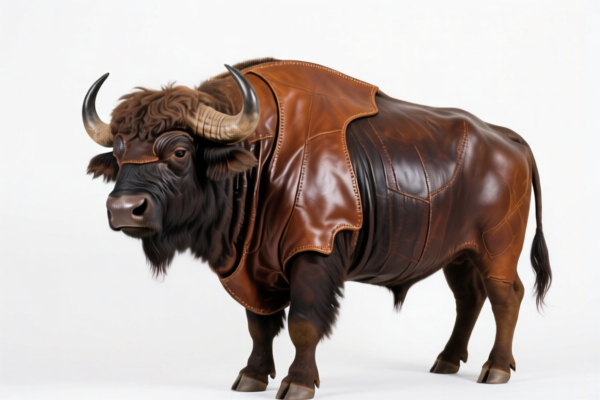
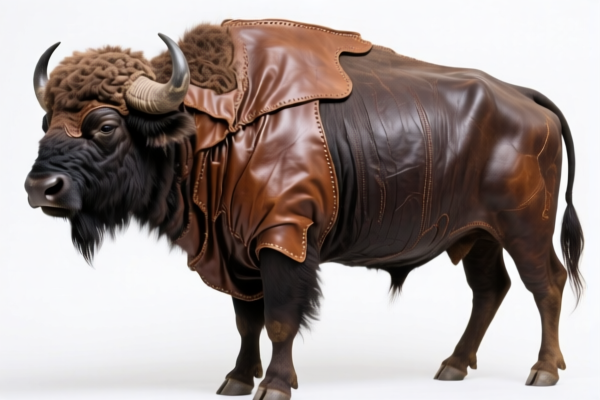
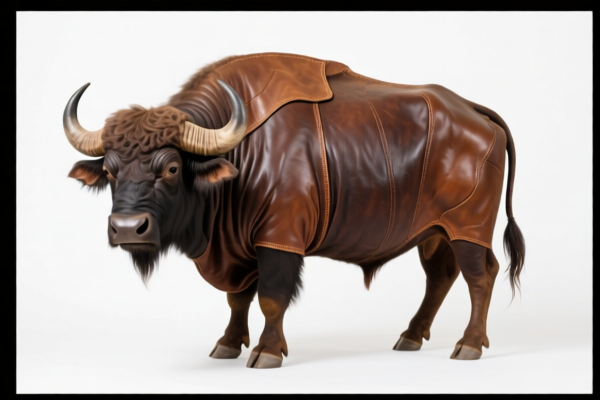
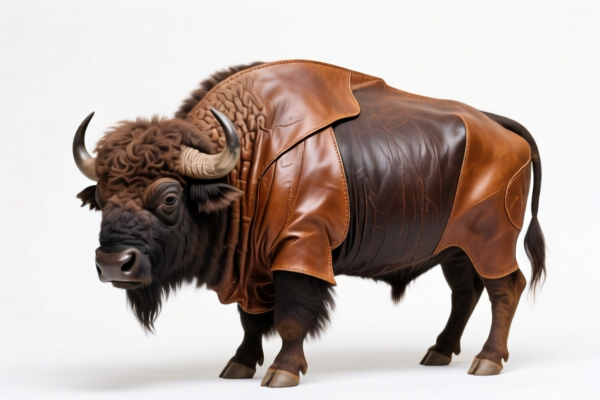
AI Analysis
🐮 Raw Hide for Leather Art
🌐 HS Code Reference & Customs Clearance Guide | 2026 Latest Tariff Analysis | Professional Entry Strategy
📌 I. Product Definition & Classification: Do You Really Understand "Raw Hide for Leather Art"?
Raw hide for leather art refers to animal skins that have not been tanned, preserving their natural state. These are the primary materials used by artisans, sculptors, and manufacturers to create leather crafts, drums, bindings, or decorative items. In international trade, they are classified based on the type of animal and the preservation method (fresh, salted, or dried).
⚠️ Key Distinction:
- If the skin is untanned (raw), it falls under Chapter 41 (Raw Hides and Skins).
- If the skin is tanned (even if just vegetable-tanned for art), it likely falls under Chapter 41 or 42 depending on finish.
- Critical Point: This guide strictly covers untanned/raw states as per your input. Once tanned, the classification changes completely.
📦 II. HS Code Classification Details (2026 Latest Tariff Authority Comparison)
Based on the provided data, there are two primary HS Codes for untanned raw hides used in leather art. The distinction lies in the animal species and specific preservation state.
| HS Code | Product Description | Application Scenario | Animal Type/State |
|---|---|---|---|
4101.20.10.10 |
Raw hides of bovine animals, untanned, fresh, salted, or dried; suitable for leather art. | Bovine hides (cattle/bison) in primary form. No tanning applied. | Bovine (Cattle) |
4101.90.10.20 |
Other raw hides, untanned, fresh, salted, or dried; suitable for leather art. | Non-bovine animals (e.g., sheep, goat, exotic species) or other specified untreated skins. | Non-Bovine (Others) |
🔍 Important Reminder:
- Both codes require the material to be in its primary, unprocessed state (no tanning, no parchment treatment).
- If the hide is treated with any chemical tanning agents, it does not qualify for these codes.
- "Leather Art" usage is a descriptive purpose, but the physical state (raw/untanned) dictates the tariff.
💰 III. 2026 Latest Tariff Rate Breakdown (Including Additional Taxes & Policy Surcharges)
✅ Applicable Country: United States (US)
✅ Country of Origin: China (CN)
✅ Effective Date: Current rates apply (Subject to 122 Clauses & Section 301)
🎯 1. 4101.20.10.10 – Raw Bovine Hides (Untanned)
| Item | Details |
|---|---|
| Basic Tariff Rate | 0.0% (ad valorem) |
| Section 301 Additional Tariff | 7.5% |
| Section 122 Tariff | 10.0% |
| Total Tax Rate | 17.5% |
| Tax Calculation | CIF Value × 17.5% |
| De Minimis Exemption | ❌ Not Applicable (High-value raw materials often scrutinized) |
| Legal Basis Path | HTSUS:4101.20.10.10 → Section 301 Footnote → Section 122 Provision |
📌 Explanation:
- Base Rate (0%): Raw agricultural/by-product imports often have low base duties.
- Section 301 (7.5%): Additional duty on Chinese goods under Trade Act of 1974.
- Section 122 (10%): Specific trade remedy or national security-related surcharge applicable to certain raw materials.
- Total 17.5%: This is the effective duty rate for importing raw bovine hides from China for leather art.
🎯 2. 4101.90.10.20 – Other Raw Hides (Untanned)
| Item | Details |
|---|---|
| Basic Tariff Rate | 0.0% (ad valorem) |
| Section 301 Additional Tariff | 7.5% |
| Section 122 Tariff | 10.0% |
| Total Tax Rate | 17.5% |
| Tax Calculation | CIF Value × 17.5% |
| De Minimis Exemption | ❌ Not Applicable |
| Legal Basis Path | HTSUS:4101.90.10.20 → Section 301 Footnote → Section 122 Provision |
📌 Note:
- Identical tax structure to bovine hides in this specific dataset.
- Applies to raw hides from sheep, goats, or other non-bovine sources intended for art.
- Ensure documentation clearly states "Untanned" to avoid misclassification as tanned leather (which may have different duties).
🛠️ IV. Customs Clearance Practical Advice (Real-World Pitfall Guide)
✅ 1. Required Documentation Checklist (None Can Be Omitted)
| Document | Required | Explanation |
|---|---|---|
| ✅ Product Specification Sheet | ✔️ | Must explicitly state "UNTANNED" and "RAW". Include animal species (e.g., Bovine, Sheep). |
| ✅ Commercial Invoice | ✔️ | Describe item as "Raw Hide for Leather Art" or "Untanned Bovine Skin". Do NOT use "Leather" without "Raw". |
| ✅ Packing List | ✔️ | Detail weight, dimensions, and preservation method (Fresh, Salted, or Dried). |
| ✅ Phytosanitary Certificate | ✔️ | Often required for animal products to prove freedom from disease. |
| ✅ Certificate of Origin | ✔️ | To verify origin for Section 301/122 calculations. |
| ✅ Photos of Goods | ✔️ | Show texture, lack of tanning chemicals, and natural state. |
✅ 2. Declaration Techniques (Key Mnemonic)
🔥 "State is Raw, Species is Clear, Tanning is Absent, Tariff is Clear!"
| Scenario | Correct Declaration | Wrong Practice |
|---|---|---|
| Fresh/Cold Hides | 4101.20.10.10 or 4101.90.10.20 + "Fresh, Untanned" |
Calling it "Leather" → Risk of higher scrutiny/duties |
| Salted/Dried Hides | Same HS Code + "Salted/Dried, Untanned" | Omitting preservation method → Customs may delay inspection |
| Mixed Species | Separate line items per species | Mixing bovine and non-bovine on one line → Declaration error |
| Processed/Tanned Skins | NOT these HS Codes | Attempting to use raw hide codes for tanned leather → Fraud/penalties |
✅ 3. Special Circumstances Handling
| Situation | Handling Advice |
|---|---|
| Small Samples for Artists | Even if low value, raw animal products may require phytosanitary checks. Declare accurately. |
| Salted vs. Fresh | Salted hides have longer shelf life. Ensure invoice reflects exact state to match HS Code sub-headings. |
| Exotic Skins (e.g., Alligator) | Verify if CITES permits are needed in addition to HS Code classification. |
| Rejection Risk | If tanning smell or chemical residue is detected, customs will reclassify or reject. Ensure 100% raw state. |
🌍 V. Global Market Comparison (2026 Latest)
| Country/Region | Recommended HS Code | Tariff (China Origin) | Certification | Notes |
|---|---|---|---|---|
| 🇺🇸 USA | 4101.20.10.10 / .20 |
17.5% | Phytosanitary | Includes Sec 301 (7.5%) + Sec 122 (10%) |
| 🇨🇳 China | 4101.20.10.10 / .20 |
~5-10% (Varies) | N/A | Basic import duty for raw materials |
| 🇪🇺 EU | 4101.20.10 / 4101.90.10 |
~12.5% | REACH (if chemical-free) | No Sec 301/122 equivalents |
| 🇯🇵 Japan | 4101.20.10 / 4101.90.10 |
~12.5% | Animal Quarantine | Strict biosecurity |
📌 Conclusion:
- The USA imposes a unique 17.5% burden due to specific trade clauses (301 & 122).
- Documentation clarity is paramount to prove "Untanned" status.
- Misdeclaring as "Tanned Leather" (HS 4104/4105) could lead to different duties and penalties.
📌 VI. Common Mistakes & Pitfall Guide (Lessons Learned)
❌ Mistake 1: Calling "Raw Hide" simply "Leather"
👉 Consequence: Customs may assume tanned leather, leading to misclassification queries, delays, or incorrect duty assessment.
❌ Mistake 2: Ignoring "Section 122" in tariff calculation
👉 Consequence: Underpayment by 10%. Result: Back taxes + Interest + Potential Penalties.
❌ Mistake 3: Not specifying Animal Species
👉 Consequence: Cannot distinguish between 4101.20 (Bovine) and 4101.90 (Other). Risk of audit.
❌ Mistake 4: Failing to provide Phytosanitary Certificate
👉 Consequence: Goods held or destroyed at border due to biosecurity risks.
✅ Correct Practice:
"Raw Bovine Hides, Salted, Untanned, for Leather Art Craft, No Tanning Process, HS Code 4101.20.10.10"
🎯 VII. Conclusion: Professional Declaration, Cost Efficiency, Smooth Clearance!
🎯 Remember the Mantra:
🔹 "Raw Means Raw, Untanned is Key, 17.5% Total, Declare Precisely!"
🔹 "HS Code dictates Duty, Tax Clauses Add 17.5%, Mistake Costs More!"
📌 Pro Tip:
If you are importing large volumes, consider applying for an Advance Ruling from CBP to confirm the HS Code and tariff rate before shipment. This prevents unexpected costs at the port.
📣 Immediate Action:
📞 Consult with a licensed customs broker + Provide Spec Sheet + Verify Section 122/301 applicability
🚀 Ensure your raw hides pass biosecurity checks, stay untanned, and declare accurately.
✨ Professional Clearance Starts with Accurate Classification!
💼 Every Percent Saved is Pure Profit!
Customer Reviews
About HS Code Classification
The Harmonized System (HS) is an internationally standardized nomenclature developed by the World Customs Organization (WCO) to classify traded products. Over 200 countries use the HS system as the basis for customs tariffs, trade statistics, and import/export regulations.
Each HS code follows a hierarchical structure:
- Chapter (2 digits) — Broad category of goods (e.g., Chapter 84: Machinery and Mechanical Appliances)
- Heading (4 digits) — More specific grouping within the chapter
- Subheading (6 digits) — Internationally standardized breakdown, used by all WCO member countries
- National subdivisions (8-10 digits) — Country-specific extensions for further classification, such as US HTSUS 10-digit codes
Correct HS code classification is essential for smooth customs clearance, accurate duty payment, and compliance with trade regulations. Misclassification can lead to customs delays, overpayment of duties, or penalties.
When importing from CN to US, the applicable tariff rates may include:
- Most-Favored-Nation (MFN) rate — The standard duty rate applied to WTO members
- General rate — Applied to countries without trade agreements
- Trade remedy duties — Additional tariffs such as Section 301 (anti-dumping), Section 232 (national security), or countervailing duties
The information provided on this page is for reference purposes only. For official classification, please consult with your local customs authority or a licensed customs broker.