Raw or Roughly Processed Wood
CN → US| HS Code | Tariff Rate | Origin | Destination | Doc |
|---|---|---|---|---|
| 4403110020 | 35.0% | CN | US | Official Doc |
| 4403240104 | 35.0% | CN | US | Official Doc |
| 4407120017 | 35.0% | CN | US | Official Doc |
| 4407120017 | 35.0% | CN | US | Official Doc |
| 4407110042 | 35.0% | CN | US | Official Doc |
Product Images
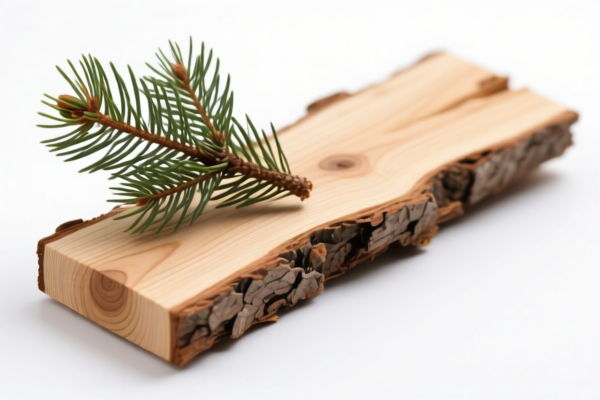
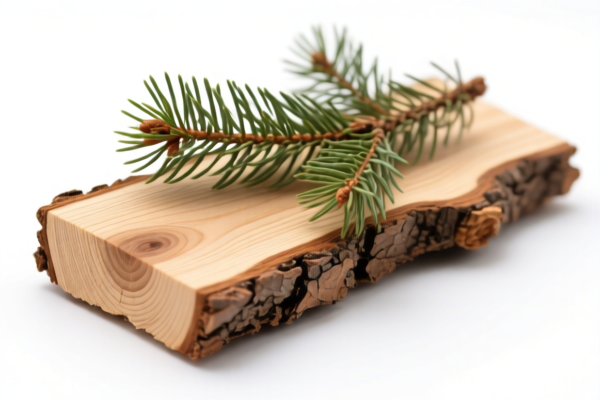
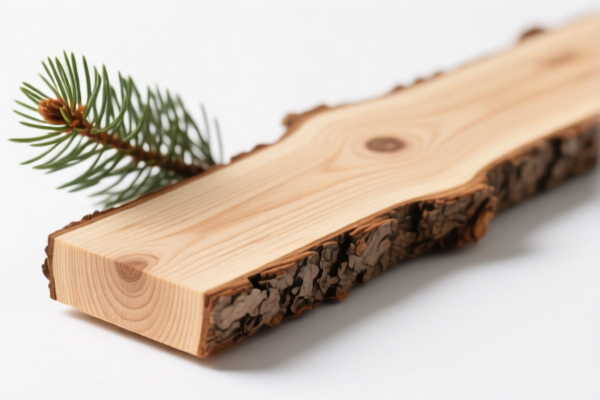
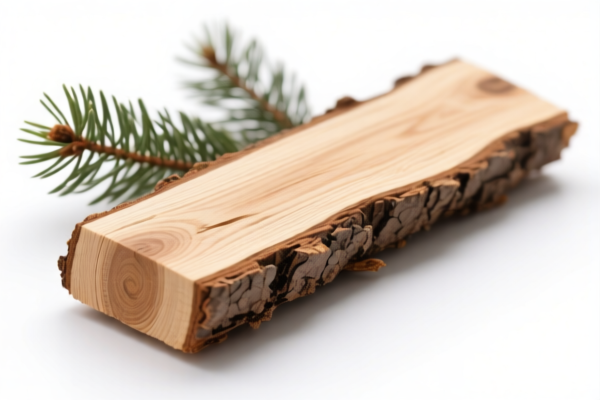
AI Analysis
🌲 Raw or Roughly Processed Wood (Timber & Lumber)
🌐 HS Code Reference & Customs Clearance Guide | 2026 Latest Tariff Analysis | Strategic Import Strategy for US Market
📌 1. Product Definition: What Exactly is "Raw or Roughly Processed Wood"?
In international trade, wood products are strictly categorized based on their state of processing and species. The term "Raw or Roughly Processed Wood" generally refers to timber that has been felled, debarked, and perhaps roughly squared (logs or rough-sawn timber) but has not undergone planing, sanding, or detailed carpentry.
Key Distinction: * Raw Logs (Logs): Entire trees or large sections, usually round, possibly debarked. * Roughly Processed Wood (Rough-Sawn Timber): Cut to length, but with rough surfaces, not planed or smoothed. Often used for construction, pallets, or further industrial processing.
⚠️ Critical Classification Point:
- If the wood is round/unworked → Likely Chapter 4403 (Wood in the rough).
- If the wood is sawn but rough → Likely Chapter 4407 (Wood sawn or chipped lengthwise).
- Species Matters: Coniferous (Softwood) vs. Non-Coniferous (Hardwood) have different HS codes under the same chapter.
📦 2. HS Code Classification Details (2026 Official Tariff Match)
Based on the provided data, here are the exact HS Codes and their specific descriptions:
| HS Code | Product Description (Summary) | Material/Shape Characteristics | Tax Rate |
|---|---|---|---|
4403.11.00.20 |
Raw or roughly processed wood, matching characteristics of rough-sawn timber in form and material. | Round or rough logs, coniferous/non-coniferous specifics. | 35.0% |
4403.24.01.04 |
Raw or roughly processed wood, matching rough/square-cut shapes and material attributes. | Logs or rough-squared timber. | 35.0% |
4407.12.00.17 |
Sawn wood or roughly shaped wood, fitting sawn/rough features, belongs to Coniferous/Non-Coniferous categories. | Sawn timber, rough finish, softwood or hardwood. | 35.0% |
4407.12.00.17 |
Logs (sawn or roughly cut Coniferous), matching coniferous wood and sawn/rough shape descriptions. | Specifically Coniferous (Softwood) logs/timber. | 35.0% |
4407.11.00.42 |
Logs (sawn or roughly cut Coniferous Pine), meeting form and material requirements for Pine, classified under "Other". | Specifically Pine (a type of Coniferous wood). | 35.0% |
🔍 Key Observation:
All listed HS Codes carry a Total Tax Rate of 35.0%. This high rate is driven by additional tariffs on Chinese-origin goods. The distinction between these codes lies in wood species (Pine vs. other Conifers vs. Hardwoods) and processing level (Logs vs. Rough-Sawn).
💰 3. 2026 Latest Tariff Rate Breakdown (Detailed Policy Explanation)
✅ Applicable Country: United States (US)
✅ Origin: China (CN) (Implied by the specific tariff structure of 25% + 10%)
✅ Effective Date: Ongoing (Under current US Trade Policy)
🎯 Total Tariff Structure: 35.0%
| Component | Rate | Legal Basis / Explanation |
|---|---|---|
| 1. Base Tariff | 0.0% | Standard Most Favored Nation (MFN) duty for many wood products is often 0% or very low. |
| 2. Section 301 Additional Tariff | +25.0% | Imposed under Section 301 of the Trade Act of 1974. Applies to a wide range of Chinese goods, including wood products. |
| 3. Section 122 Tariff (IEEPA) | +10.0% | Imposed under the International Emergency Economic Powers Act (IEEPA). Often referred to as the "122 Clause Tariff" in customs data, targeting specific Chinese imports. |
| TOTAL EFFECTIVE RATE | 35.0% | 0% + 25% + 10% = 35% |
📌 Explanation:
- Base Duty (0%): The US generally encourages import of raw materials, hence the low base rate.
- Trade War Tariffs (25%): This is the core penalty for US-China trade friction. It applies broadly to Chapter 44 (Wood).
- Emergency Powers (10%): This additional layer reflects ongoing geopolitical tensions and specific executive orders targeting Chinese timber imports.
- Result: Importers from China face a 35% total duty on raw/rough wood. This significantly impacts profit margins.
🛠️ 4. Customs Clearance Practical Advice (Avoid Pitfalls)
✅ 1. Documentation Checklist (Essential for Smooth Clearance)
| Document | Required? | Purpose |
|---|---|---|
| ✅ Commercial Invoice | ✔️ | Must clearly state: "Raw Logs" or "Rough-Sawn Timber", species (e.g., Pine, Oak), volume (board feet/cubic meters). |
| ✅ Packing List | ✔️ | Detail the number of bundles, wood type per bundle, and total weight. |
| ✅ Phytosanitary Certificate | ✔️ | CRITICAL: USDA APHIS requires this to ensure no pests/diseases. Without it, shipment will be rejected. |
| ✅ Fumigation Certificate | ✔️ | Proof of treatment (e.g., methyl bromide or heat treatment) for ISPM 15 compliance if wood is in solid wood packaging. |
| ✅ Bill of Lading (B/L) | ✔️ | Must match invoice details exactly. |
| ✅ Import License (if applicable) | ✔️ | Some hardwoods require special permits (e.g., Lacey Act compliance). |
✅ 2. Classification Strategy (Avoid Misclassification)
🔥 "Be Specific: Species + State of Processing!"
| Scenario | Correct Declaration | Risk of Error |
|---|---|---|
| Round Logs | Use 4403.xxxx codes. Specify "Debarked/Undebarked". | Misclassifying as lumber can lead to penalties. |
| Rough-Sawn Planks | Use 4407.xxxx codes. Specify "Rough-Sawn, Not Planed". | If you claim "Planed Lumber", you may be flagged for under-declaring processing value. |
| Mixed Species | Declare each species separately. | Mixing Pine and Hardwood in one HS code can cause customs delays. |
| Treated Wood | Declare as "Treated Timber". | May require additional chemical disclosure. |
✅ 3. Special Considerations
| Situation | Advice |
|---|---|
| Lacey Act Compliance | Ensure you can prove the wood was legally harvested. Provide chain-of-custody documents. |
| Volume Measurement | Customs may verify volume vs. invoice. Use standard conversion factors (e.g., Board Feet to Cubic Meters). |
| Wood Packaging | If wood pallets are used, they must be IPPC stamped. Raw wood cargo itself is separate. |
| Cost Calculation | Factor in 35% duty + Merchandise Processing Fee (MPF) + Harbor Maintenance Fee (HMF) for accurate landed cost. |
🌍 5. Global Market Comparison (2026 Context)
| Country/Region | Typical HS Code for Raw Wood | Base Tariff | Additional Tariffs (China) | Total Impact |
|---|---|---|---|---|
| 🇺🇸 USA | 4403 / 4407 |
0% | +25% (301) + 10% (IEEPA) | 35%+ (High) |
| 🇨🇳 China | 4403 / 4407 |
0-5% | N/A (Export side) | Low (Export incentive) |
| 🇪🇺 EU | 4403 / 4407 |
0% | No specific China tariffs on raw wood | 0% (Low) |
| 🇯🇵 Japan | 4403 / 4407 |
0-1.7% | No specific China tariffs on raw wood | Low |
📌 Conclusion:
The US market is the most expensive for importing raw wood from China due to the layered tariff structure. Importers should consider:
1. Diversifying Supply: Source from Southeast Asia (Vietnam, Thailand) where tariffs may be lower or exemptions apply.
2. Pre-Clearance: Apply for Customs Rulings in advance to confirm the exact HS Code for your specific wood product.
3. Cost Absorption: Build the 35% duty into your pricing strategy.
📌 6. Common Mistakes & Pitfalls (Lessons Learned)
❌ Mistake 1: Failing to specify Wood Species (e.g., just saying "Wood")
👉 Result: Customs flags the shipment for review → Delay + Potential fines.
❌ Mistake 2: Ignoring Phytosanitary Requirements
👉 Result: Shipment returned or destroyed. Never skip this step!
❌ Mistake 3: Misclassifying Rough-Sawn as Planed Lumber
👉 Result: Different HS codes have different regulatory scrutiny. Wrong classification leads to audits.
❌ Mistake 4: Underestimating Total Landed Cost
👉 Result: Profits erased by unexpected 35% duty + fees.
✅ Best Practice:
"Declare Species, Document Treatment, Calculate Duty Early!"
🎯 7. Final Takeaway: Strategic Sourcing for Wood Products
🎯 Key Advice for Importers:
🔹 For US Imports from China: Budget for 35% total duty. Explore EEU/USMCA countries for alternative sourcing if possible.
🔹 Documentation is Key: Phytosanitary certificates and Lacey Act declarations are non-negotiable.
🔹 Precision Matters: Use specific HS codes (4403.11.00.20vs4407.11.00.42) to ensure accurate duty calculation and compliance.
📌 Pro Tip:
If your wood is not from China (e.g., from Canada, Russia, or New Zealand), the 301 and IEEPA tariffs do not apply. Your total duty may drop to 0-5%. Always verify the Country of Origin on your invoice!
📣 Immediate Action:
📞 Consult a licensed customs broker before shipping.
📄 Secure Phytosanitary Certificates from the exporter's national plant protection organization.
🧮 Recalculate your Landed Cost including the 35% tariff.
✨ Smart Sourcing, Smooth Clearance!
💼 Don't let tariffs catch you off guard—plan ahead!
Customer Reviews
About HS Code Classification
The Harmonized System (HS) is an internationally standardized nomenclature developed by the World Customs Organization (WCO) to classify traded products. Over 200 countries use the HS system as the basis for customs tariffs, trade statistics, and import/export regulations.
Each HS code follows a hierarchical structure:
- Chapter (2 digits) — Broad category of goods (e.g., Chapter 84: Machinery and Mechanical Appliances)
- Heading (4 digits) — More specific grouping within the chapter
- Subheading (6 digits) — Internationally standardized breakdown, used by all WCO member countries
- National subdivisions (8-10 digits) — Country-specific extensions for further classification, such as US HTSUS 10-digit codes
Correct HS code classification is essential for smooth customs clearance, accurate duty payment, and compliance with trade regulations. Misclassification can lead to customs delays, overpayment of duties, or penalties.
When importing from CN to US, the applicable tariff rates may include:
- Most-Favored-Nation (MFN) rate — The standard duty rate applied to WTO members
- General rate — Applied to countries without trade agreements
- Trade remedy duties — Additional tariffs such as Section 301 (anti-dumping), Section 232 (national security), or countervailing duties
The information provided on this page is for reference purposes only. For official classification, please consult with your local customs authority or a licensed customs broker.