Raw silver fox pelts
CN → US| HS Code | Tariff Rate | Origin | Destination | Doc |
|---|---|---|---|---|
| 4103901190 | 17.5% | CN | US | Official Doc |
| 4103901140 | 17.5% | CN | US | Official Doc |
Product Images
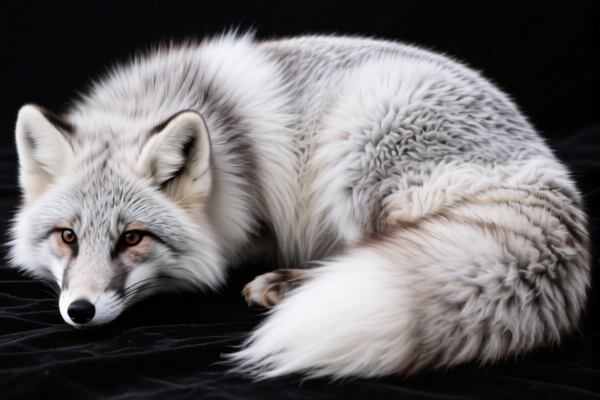
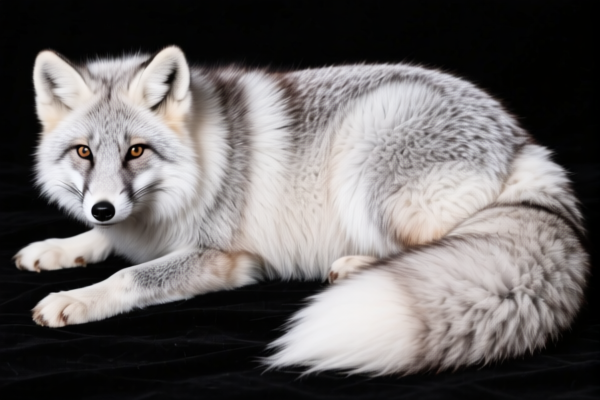
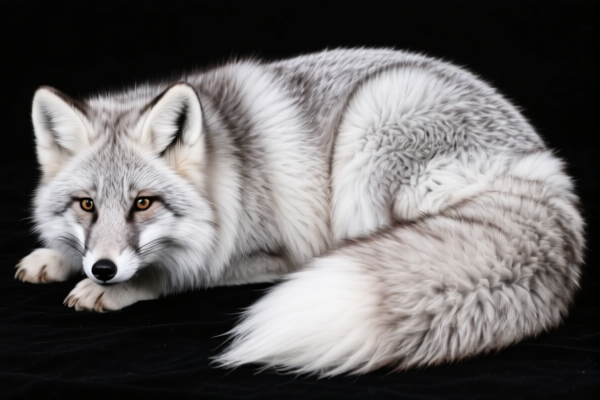
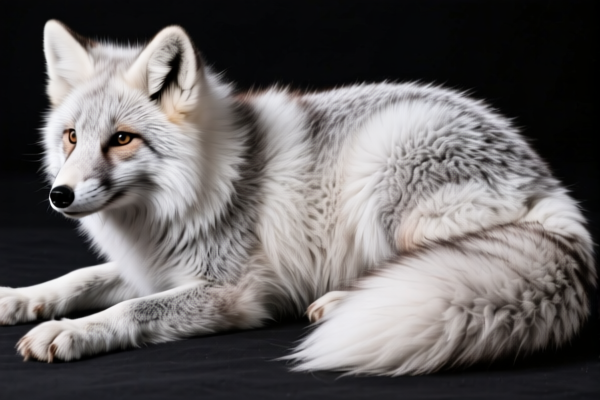
AI Analysis
🦊 Raw Silver Fox Pelts (Unprocessed Furs)
🌐 HS Code Reference & Customs Clearance Guide | 2026 Latest Tariff Analysis | Professional Entry Strategy
📌 I. Product Definition & Classification: What Exactly Are "Raw Silver Fox Pelts"?
"Raw Silver Fox Pelts" refer to the skins of silver foxes that have been removed from the animal but have not undergone tanning, parchment-dressing, or further preparation. They are in their raw state, preserved only by salting, drying, liming, pickling, or other preservation methods to prevent rotting.
Key Distinctions: * Raw/Preserved: Salted, dried, or pickled skins ready for tanning. → HS Code 4103 * Tanned/Pretanned: Skins that have undergone the tanning process (stable, no longer rotting). → HS Code 4104 or 4106 * Ready-to-Wear: Finished garments or accessories. → HS Code 4203
⚠️ Critical Classification Point:
- If the pelt is raw, salted, dried, or pickled but NOT tanned, it falls under Chapter 41.
- Specifically, it is classified based on the animal type. While "Silver Fox" is a specific variety, customs often group non-livestock small mammals under "Other" if not explicitly listed elsewhere.
- Do not confuse with "Sheepskins" (4103.90.11.40) or generic "Other raw hides/skins" (4103.90.11.90). The data provided explicitly lists these two subheadings for "Other raw hides and skins... not pretanned".
📦 II. HS Code Classification Details (Based on Provided Data)
According to the provided dataset, the following HS Codes apply to "Other raw hides and skins... not pretanned." Since silver fox pelts are not explicitly listed as a separate line item in the provided excerpt, they fall under the "Other" category.
| HS Code | Product Description | Applicability for Silver Fox Pelts | Notes |
|---|---|---|---|
4103.90.11.90 |
Other raw hides and skins (fresh, salted, dried, limed, pickled, or preserved), not tanned or parchment-dressed; Other; Not pretanned | ✅ Applicable | This is the general "Other" category for raw hides/skins not elsewhere specified. Most small mammal pelts (like fox) fall here if not explicitly listed under goats/kids. |
4103.90.11.40 |
Other raw hides and skins (fresh, salted, dried, limed, pickled, or preserved), not tanned or parchment-dressed; Other; Not pretanned; Of goats or kids | ❌ Not Applicable | This code is strictly for goat or kid pelts. Silver fox pelts do not qualify. |
🔍 Key Insight:
- Silver Fox Pelts are classified under4103.90.11.90as "Other" raw hides/skins.
- They are NOT classified under4103.90.11.40because they are not goat/kid skins.
- Prerequisite: The pelts must be raw and preserved (salted/dried/etc.). If they are tanned, a different HS Code (e.g., 4104/4106) would apply, but that is outside the scope of the provided data.
💰 III. 2026 Latest Tariff Rate Breakdown (Including Additional Duties)
✅ Applicable Country: United States (US)
✅ Country of Origin: China (CN) (Note: Data shows tax details for China-origin goods)
✅ Effective Date: Current rates apply as per the provided dataset.
🎯 1. 4103.90.11.90 —— Raw Silver Fox Pelts (Not Pretanned, "Other")
| Item | Content |
|---|---|
| Basic Tariff | 0.0% (Ad Valorem) |
| Additional Tariff (Section 301/Retaliatory) | +7.5% |
| Total Tax Rate | 7.5% |
| Tax Calculation | CIF Value × 7.5% |
| De Minimis Eligibility | ❌ Not Eligible (Raw animal products are typically subject to strict regulations and duties) |
| Legal Basis Path | HTSUS:4103.90.11.90 → Additional Duty: 7.5% |
📌 Explanation:
- The basic tariff for raw hides and skins is 0%, reflecting the low value-added nature of raw materials.
- The 7.5% additional tariff is a specific surcharge applied to these goods (likely under Section 301 or other trade measures against China).
- Total Cost Impact: For every $10,000 of pelts, you pay $750 in additional duties on top of any basic duties (which are $0 here).
- Critical: This rate applies only to pelts classified under4103.90.11.90. Misclassification as goat pelts (4103.90.11.40) still results in 7.5%, but is legally incorrect and risks penalties.
🛠️ IV. Customs Clearance Practical Advice (Battle-Proven Tips)
✅ 1. Documentation Checklist (Non-Negotiable)
| Document | Required | Description |
|---|---|---|
| ✅ Commercial Invoice | ✔️ | Must clearly state: "Raw Silver Fox Pelts, Salted/Dried, Un-tanned, for further processing." |
| ✅ Packing List | ✔️ | Detail weight, number of pelts, and preservation method (e.g., "Salted, 10kg net weight"). |
| ✅ Veterinary Health Certificate | ✔️ | CRITICAL: Proof that pelts are free from zoonotic diseases (e.g., rabies, anthrax). Issued by origin country's veterinary authority. |
| ✅ Fur Products Labeling | ✔️ | If importing into US, comply with Fur Products Labeling Act. Must identify species (Silver Fox) and country of origin. |
| ✅ CITES Permit | ⚠️ Check | If Silver Fox (Vulpes vulpes argentatus) is listed under CITES Appendix II/III, an export permit from the origin country and an import permit from the US may be required. Verify before shipping! |
| ✅ Preservation Method Declaration | ✔️ | Explicitly state if pelts are salted, dried, or pickled. This confirms they are "raw" and not "tanned." |
✅ 2. Classification Strategy (Key to Avoiding Penalties)
| Scenario | Correct Classification | Incorrect Classification | Risk |
|---|---|---|---|
| Salted Silver Fox Pelts | 4103.90.11.90 |
4104.11.00.00 (Tanned) |
Misclassification Penalty + Back Taxes |
| Salted Goat Skins | 4103.90.11.40 |
4103.90.11.90 |
No tax difference (7.5% both), but legal compliance risk |
| Tanned Silver Fox Fur | Outside Provided Data | 4103.90.11.90 |
Heavy Penalty (Tanned fur has different rates) |
🔥 "Golden Rule" for Raw Pelts:
"Raw & Salted = 4103.90.11.90. Tanned = 4104/4106. CITES Check = Mandatory."
✅ 3. Special Considerations
| Issue | Advice |
|---|---|
| CITES Compliance | Silver Fox is often regulated. Do not ship without verifying CITES status. Missing permits can lead to seizure and fines. |
| Preservation Method | Ensure pelts are fully salted/dried to prevent mold. Wet pelts may be rejected by customs for sanitary reasons. |
| Labeling | US Customs requires accurate species identification. "Fox" is not enough; "Silver Fox" is preferred. |
| Origin Marking | Clearly mark "Made in [Country]" on packages to avoid country-of-origin fraud allegations. |
🌍 V. Global Market Comparison (2026 Latest)
| Country/Region | Recommended HS Code | Tariff (China Origin) | Key Requirements | Notes |
|---|---|---|---|---|
| 🇺🇸 USA | 4103.90.11.90 |
7.5% (Total) | Veterinary Cert, CITES (if applicable) | 7.5% additional duty applies. |
| 🇨🇳 China | 4103.90.11.90 |
Varies | Inspection & Quarantine Certificate | Import duty may apply depending on trade agreements. |
| 🇪🇺 EU | 4103.90.11 |
Varies (Often 0-3%) | CITES Permit (Strict) | EU has strict CITES enforcement for furs. |
| 🇯🇵 Japan | 4103.90.11 |
Varies (Often 0-5%) | Health Certificate | Check for specific veterinary requirements. |
| 🇬🇧 UK | 4103.90.11 |
Varies | CITES Permit | Post-Brexit rules may differ from EU. |
📌 Conclusion:
- The 7.5% total duty for the US is relatively low for finished fur goods, but CITES compliance is the biggest hurdle.
- Always verify CITES status before shipping any wild-caught or captive-bred fur.
📌 VI. Common Mistakes & Pitfalls (Learn from Others' Failures)
❌ Mistake 1: Shipping untanned pelts without a Veterinary Health Certificate.
👉 Consequence: Customs seizure, destruction of goods, and fines.
❌ Mistake 2: Misclassifying Silver Fox as Goat Skin (4103.90.11.40).
👉 Consequence: Although the tax rate is the same (7.5%), this is fraudulent misdeclaration. Penalties can exceed the duty amount.
❌ Mistake 3: Ignoring CITES Regulations.
👉 Consequence: Goods confiscated, potential criminal charges for illegal wildlife trade.
❌ Mistake 4: Claiming pelts are "Tanned" when they are only "Salted."
👉 Consequence: If declared as tanned (HS 4104/4106) but inspected as raw, you face under-declaration penalties and possible anti-smuggling charges.
✅ Correct Approach:
"Raw Silver Fox Pelts, Salted, Un-tanned, CITES Compliant, Veterinary Certified, for Tanning Industry Use."
🎯 VII. Conclusion: Precise Classification Saves Money & Time
🎯 Remember the Key Takeaways:
🔹 HS Code
4103.90.11.90is for Raw, Un-tanned Silver Fox Pelts.
🔹 Total Duty is 7.5% (0% basic + 7.5% additional).
🔹 CITES and Veterinary Certificates are Mandatory.
🔹 Never misclassify as goat skins (4103.90.11.40) to avoid legal risks.
📌 Pro Tip:
If you are importing large volumes, consider applying for an Advance Ruling from US Customs and Border Protection (CBP) to confirm the HS Code and duty rate before shipment. This provides legal certainty and avoids costly delays.
📣 Immediate Action:
📞 Contact your customs broker with the following:
1. Product photos (salted/dried pelts)
2. Veterinary Health Certificate
3. CITES Permit (if applicable)
4. Commercial Invoice specifying "Raw, Un-tanned Silver Fox Pelts"
🚀 Ensure smooth clearance, avoid seizures, and maximize profit margins!
✨ Professional customs clearance starts with accurate classification!
💼 Your profit depends on getting the HS Code right!
Customer Reviews
About HS Code Classification
The Harmonized System (HS) is an internationally standardized nomenclature developed by the World Customs Organization (WCO) to classify traded products. Over 200 countries use the HS system as the basis for customs tariffs, trade statistics, and import/export regulations.
Each HS code follows a hierarchical structure:
- Chapter (2 digits) — Broad category of goods (e.g., Chapter 84: Machinery and Mechanical Appliances)
- Heading (4 digits) — More specific grouping within the chapter
- Subheading (6 digits) — Internationally standardized breakdown, used by all WCO member countries
- National subdivisions (8-10 digits) — Country-specific extensions for further classification, such as US HTSUS 10-digit codes
Correct HS code classification is essential for smooth customs clearance, accurate duty payment, and compliance with trade regulations. Misclassification can lead to customs delays, overpayment of duties, or penalties.
When importing from CN to US, the applicable tariff rates may include:
- Most-Favored-Nation (MFN) rate — The standard duty rate applied to WTO members
- General rate — Applied to countries without trade agreements
- Trade remedy duties — Additional tariffs such as Section 301 (anti-dumping), Section 232 (national security), or countervailing duties
The information provided on this page is for reference purposes only. For official classification, please consult with your local customs authority or a licensed customs broker.