Raw silver fox skins
CN → US| HS Code | Tariff Rate | Origin | Destination | Doc |
|---|---|---|---|---|
| 4301603000 | 22.6% | CN | US | Official Doc |
| 4301606000 | 17.5% | CN | US | Official Doc |
Product Images


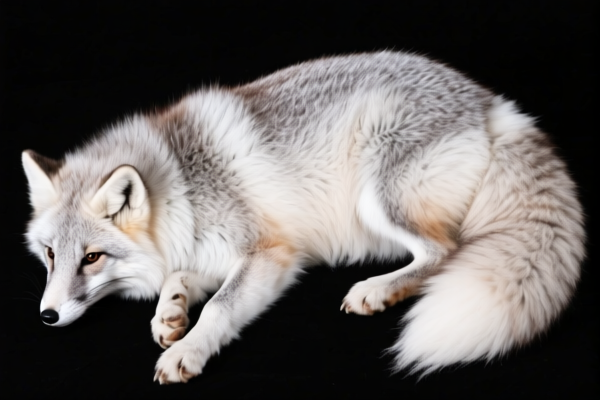
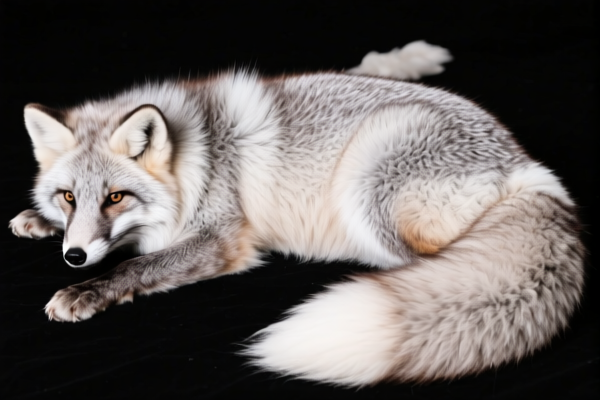
AI Analysis
🦊 Raw Silver Fox Skins (Raw Furskins of Fox)
🌐 HS Code Reference & Customs Clearance Guide | 2026 Latest Tariff Analysis | Professional Clearance Strategy
📌 I. Product Definition & Classification: Do You Know the Difference Between "Special" and "Other" Fox?
Raw silver fox skins are premium materials in the global fur trade, highly valued for their luster and color. However, in international trade, they are strictly categorized based on specific color mutations. The critical distinction lies between "Premium Silver/Black/Platinum Variants" and "Other Foxes."
Silver/Black/Platinum Fox (Premium Mutations):
These are specific genetic mutations or types developed from silver, black, or platinum foxes. They are considered high-value specific goods under HS Code 4301.60.30.00.
Other Foxes (Standard/Gray/Dark Silver variants not meeting strict mutation criteria):
If the fox skin does not meet the strict definition of "Silver, Black, or Platinum" (including their mutations), it falls under the generic "Other" category under HS Code 4301.60.60.00.
⚠️ Key Distinction Point:
- If the skin is explicitly Silver, Black, or Platinum (or a direct mutation/type thereof) → Classify as 4301.60.30.00
- If it is any other type of fox skin (e.g., standard gray, red fox, or non-specific dark fox) → Classify as 4301.60.60.00
📦 II. HS Code Classification Details (2026 Latest Tariff Authority Comparison)
| HS Code | Product Description | Applicable Scenario | Tax Rate (China to US) |
|---|---|---|---|
4301.60.30.00 |
Of Silver, Black or Platinum Fox (including mutations/types developed from these). Whole, with or without head, tail, or paws. | High-end luxury fur raw materials; specific genetic variants. | 0.0% |
4301.60.60.00 |
Other Fox Skins (Raw furskins suitable for furriers' use). Whole, with or without head, tail, or paws. | Standard fox skins; non-silver/non-black/non-platinum variants. | 7.5% |
🔍 Key Reminder:
- 4301.60.30.00 is a "Zero-Tariff" category for these specific high-value mutations, reflecting their strategic importance or historical trade agreements.
- 4301.60.60.00 attracts the 7.5% Additional Tax (Section 301 Tariff).
- Misclassification Risk: Declaring a standard fox skin as "Silver Fox" to avoid the 7.5% tax is considered customs fraud. Accurate biological classification is mandatory.
💰 III. 2026 Latest Tariff Rate Details (Detailed Tax Breakdown)
✅ Applicable Country: United States (US)
✅ Origin: China (CN)
✅ Effective Time: Current applicable rates under 2026 tariffs
🎯 1. 4301.60.30.00 —— Silver, Black, or Platinum Fox Skins
| Item | Details |
|---|---|
| Basic Tariff Rate | 0.0% (Ad Valorem) |
| Additional Tariff (Section 301) | 0.0% |
| Total Tax Rate | 0.0% |
| Tax Calculation | CIF Value × 0% = $0 |
| De Minimis Eligibility | ❌ No (Fur skins are generally excluded from de minimis benefits due to value and nature) |
| Legal Basis Path | HTSUS: 4301.60.30.00 |
📌 Explanation:
- This category enjoys a zero-duty status.
- This applies only if the fox is confirmed to be of the Silver, Black, or Platinum type, including any mutations or types developed from these specific base colors.
- Crucial: The documentation must prove the genetic lineage or specific color mutation to qualify for this rate.
🎯 2. 4301.60.60.00 —— Other Fox Skins
| Item | Details |
|---|---|
| Basic Tariff Rate | 0.0% |
| Additional Tariff (Section 301) | +7.5% |
| Total Tax Rate | 7.5% |
| Tax Calculation | CIF Value × 7.5% |
| De Minimis Eligibility | ❌ No |
| Legal Basis Path | HTSUS: 4301.60.60.00 |
📌 Note:
- The basic tariff for raw furskins is generally 0%, but the 7.5% Section 301 tariff is applied to most Chinese-origin furskins.
- This rate applies to all fox skins that do not qualify as Silver, Black, or Platinum mutations.
- Cost Impact: For a $10,000 shipment, this results in $750 in duties.
🛠️ IV. Customs Clearance Practical Advice (Avoiding Pitfalls)
✅ 1. Document Checklist (Mandatory)
| Document | Required? | Notes |
|---|---|---|
| ✅ Commercial Invoice | ✔️ | Must clearly state "Raw Fox Skin" and specify species and color variant. |
| ✅ Packing List | ✔️ | Detail number of skins, weights, and dimensions. |
| ✅ Certificate of Origin | ✔️ | To verify origin and apply correct tariff treatment. |
| ✅ Biological/Genetic Verification | ✔️ | For 4301.60.30.00, provide breeder certificates or lab reports proving "Silver/Black/Platinum" mutation status. |
| ✅ Import Permit (CITES) | ⚠️ | Check CITES Status: While many farmed foxes are not CITES-listed, always verify if the specific species/origin requires CITES permits. |
✅ 2. Declaration Strategy (Key Tips)
🔥 "Be Specific: 'Silver' is Not Just a Color, It’s a Genetic Class!"
| Scenario | Correct Declaration | Incorrect Declaration |
|---|---|---|
| True Silver Fox (Mutation) | HS 4301.60.30.00 - "Raw Silver Fox Skins, Genetic Mutation Type" |
"Fox Skins" → Leads to 4301.60.60.00 (7.5% tax) |
| Standard Gray/Dark Fox | HS 4301.60.60.00 - "Other Raw Fox Skins" |
"Silver Fox" → Risk of Customs Audit, Penalties, and Back Taxes |
| Mixed Lot | Separate lines for each HS Code | Mixed declaration → Highest tax rate applied to entire lot |
✅ 3. Special Circumstances
| Situation | Handling Advice |
|---|---|
| "Black Fox" Classification | Ensure it is not just a dark-colored standard fox. If it's a mutation of the silver/black line, it qualifies for 0%. If it's a naturally dark gray fox, it falls under "Other" (7.5%). |
| CITES Regulations | Red foxes and many other fox species are not CITES-listed. However, always check the specific species code. If it's a protected species, CITES permits are mandatory regardless of tax rate. |
| Pre-Clearance | For high-value shipments, apply for an Advance Ruling from CBP to confirm if your specific fox variant qualifies for 4301.60.30.00. |
🌍 V. Global Market Comparison (2026 Latest)
| Country/Region | Recommended HS Code | Tariff (China Origin) | Certification Required | Notes |
|---|---|---|---|---|
| 🇺🇸 USA | 4301.60.30.00 / 4301.60.60.00 |
0% / 7.5% | CITES (if applicable) | US has specific sub-headings for silver/black fox. |
| 🇪🇺 EU | 4301.10 / 4301.80 |
Varies (often 0-6.5%) | CITES + TRLB | EU often groups fox skins differently; check specific subheadings. |
| 🇨🇳 China | 4301.60 |
Low/Zero | N/A | Import duties for raw furskins are generally low or zero. |
📌 Conclusion:
- The US tariff advantage for Silver/Black/Platinum fox skins (0%) is significant compared to "Other" fox skins (7.5%).
- Documentation is key: Prove the genetic mutation to access the 0% rate.
📌 VI. Common Mistakes & Pitfalls (Blood & Tears Lessons)
❌ Mistake 1: Calling all dark foxes "Silver Fox" to avoid the 7.5% tax.
👉 Consequence: Customs audit, penalty of 7.5% + back taxes + potential fraud charges.
❌ Mistake 2: Ignoring CITES.
👉 Consequence: Shipment seizure and destruction if the species is protected.
❌ Mistake 3: Vague description "Fox Skins".
👉 Consequence: Customs will default to the highest applicable tax rate (4301.60.60.00) or hold the shipment for classification review.
✅ Correct Practice:
"Raw Silver Fox Skins, Vulpes vulpes (Mutation), Grade A, No Head/Tail/Paws, Certificate of Genetic Lineage Attached"
🎯 VII. Conclusion: Precision in Classification Saves Money!
🎯 Remember the Golden Rule:
🔹 "Silver/Black/Platinum = 0% Tax; Other Fox = 7.5% Tax."
🔹 "Prove the Mutation, Not Just the Color."
📌 Pro Tip:
- If you are importing a mix of Silver and Standard fox skins, separate them during declaration.
- For high-volume imports, consider customs broker pre-clearance to confirm the HS code for your specific batch.
📣 Immediate Action:
📞 Verify your fox skin's genetic line.
📄 Prepare breeder certificates.
🚀 Classify correctly to save 7.5% on every dollar!
✨ Professional clearance starts with accurate classification!
💼 Every percent of duty saved is pure profit!
Customer Reviews
About HS Code Classification
The Harmonized System (HS) is an internationally standardized nomenclature developed by the World Customs Organization (WCO) to classify traded products. Over 200 countries use the HS system as the basis for customs tariffs, trade statistics, and import/export regulations.
Each HS code follows a hierarchical structure:
- Chapter (2 digits) — Broad category of goods (e.g., Chapter 84: Machinery and Mechanical Appliances)
- Heading (4 digits) — More specific grouping within the chapter
- Subheading (6 digits) — Internationally standardized breakdown, used by all WCO member countries
- National subdivisions (8-10 digits) — Country-specific extensions for further classification, such as US HTSUS 10-digit codes
Correct HS code classification is essential for smooth customs clearance, accurate duty payment, and compliance with trade regulations. Misclassification can lead to customs delays, overpayment of duties, or penalties.
When importing from CN to US, the applicable tariff rates may include:
- Most-Favored-Nation (MFN) rate — The standard duty rate applied to WTO members
- General rate — Applied to countries without trade agreements
- Trade remedy duties — Additional tariffs such as Section 301 (anti-dumping), Section 232 (national security), or countervailing duties
The information provided on this page is for reference purposes only. For official classification, please consult with your local customs authority or a licensed customs broker.