Reaction Accelerator Carrier
CN → US| HS Code | Tariff Rate | Origin | Destination | Doc |
|---|---|---|---|---|
| 2835100000 | 38.1% | CN | US | Official Doc |
| 3815110000 | 35.0% | CN | US | Official Doc |
| 3815190000 | 35.0% | CN | US | Official Doc |
| 2835295100 | 39.1% | CN | US | Official Doc |
Product Images
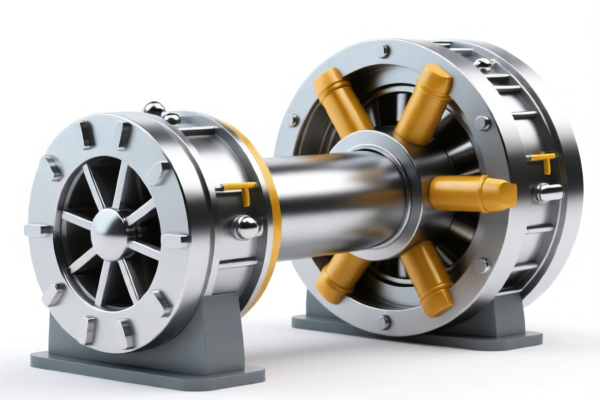
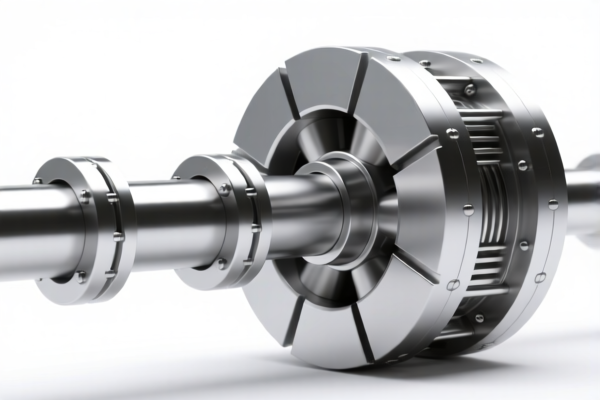
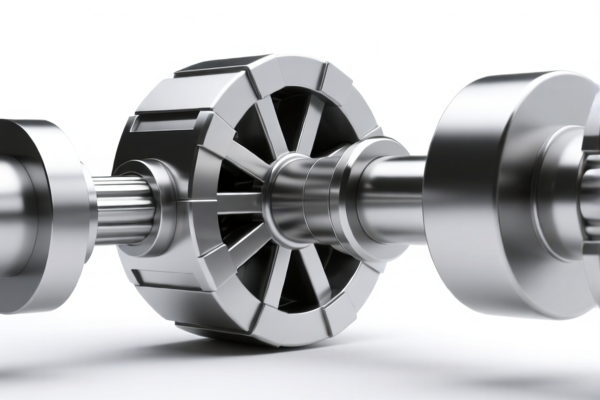
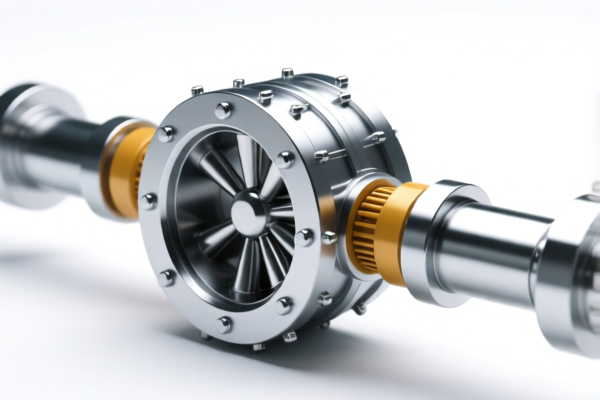
AI Analysis
🚀 Catalyst Reaction Accelerator Carrier: HS Code Classification & US Customs Clearance Guide
🌐 HS Code Reference & Clearance Guide | 2026 Latest Tariff Analysis | Professional Level Compliance Strategy
📌 1. Product Definition & Classification: What Exactly is a "Reaction Accelerator Carrier"?
A Catalyst Reaction Accelerator Carrier is a critical support material used in chemical, petrochemical, and pharmaceutical industries. It serves as the physical foundation for active catalytic agents, enhancing reaction efficiency and stability.
In international trade, it is categorized based on its chemical nature (inorganic salts vs. formulated mixtures) and state of processing:
1. Inorganic Phosphate Compounds (Raw Material Form):
These are inorganic compounds (e.g., aluminum phosphate, silica-based phosphates) used as precursor materials or raw bases for catalyst synthesis. They are typically in primary or semi-finished forms.
⚠️ Key Distinction Point:
- If the product is a pure or mixed inorganic phosphate without specific catalytic formulation → Classified under Chapter 28 (Inorganic Chemicals).
- If the product is a pre-formed support matrix specifically prepared for catalytic use → Classified under Chapter 38 (Prepared Catalysts).
📦 2. HS Code Classification Details (2026 Latest Tariff Authority Cross-Reference)
| HS Code | Product Description | Applicable Scenario | Material Conflict? |
|---|---|---|---|
2835.10.00.00 |
Phosphates (Aluminum Phosphate, etc.) Used as raw material for catalyst synthesis. Inorganic phosphate compounds. |
Raw phosphate powders, basic chemical feedstock for catalyst preparation. | ❌ No |
3815.11.00.00 |
Catalyst Carriers with Active Component Support catalysts conforming to synthetic material attributes. |
Pre-coated carriers, prepared support matrices ready for reaction. | ❌ No |
3815.19.00.00 |
Other Prepared Catalysts & Supports Components of catalyst preparations. |
General support materials for catalytic reactions, non-specific formulations. | ❌ No |
2835.29.51.00 |
Other Phosphates Composed of inorganic compounds like alumina, silica gel. Primary or semi-finished forms. |
Mixed inorganic phosphate semis; intermediate chemical products. | ❌ No |
🔍 Critical Reminder:
- If the product is not yet formulated as a functional catalyst but is a chemical intermediate (e.g., pure aluminum phosphate powder), it falls under Chapter 28.
- If the product is a structured support specifically designed for catalytic acceleration (even without the active metal loaded), it may fall under Chapter 38 as a "prepared catalyst support."
- No material conflict exists for any of these classifications as they are standard chemical forms.
💰 3. 2026 Latest Tariff Rate Breakdown (Including Surtaxes & Policy Add-ons)
✅ Applicable Country: United States (US)
✅ Origin: China (CN)
✅ Effective Date: November 10, 2025 onwards
🎯 1. 2835.10.00.00 — Phosphates (Aluminum Phosphate, etc.)
| Item | Content |
|---|---|
| Base Rate | 3.1% (ad valorem) |
| USITC Surtax (Section 301) | +25.0% |
| IEEPA Surtax (Section 122) | +10.0% |
| Total Tax Rate | 38.1% |
| Tax Calculation | CIF Value × 38.1% |
| De Minimis Exemption? | ❌ Not Allowed |
| Legal Basis Path | IEEPA:9903.01.24 → USITC:2835.10.00.00 → FOOTNOTE:9903.88.01 |
📌 Explanation:
- The 25% Section 301 tariff applies to most chemical intermediates from China.
- The 10% IEEPA tariff is an additional surcharge on Chinese-origin goods.
- Base rate is 3.1%, making the total burden significantly high.
🎯 2. 3815.11.00.00 — Prepared Catalyst Carriers
| Item | Content |
|---|---|
| Base Rate | 0.0% |
| USITC Surtax (Section 301) | +25.0% |
| IEEPA Surtax (Section 122) | +10.0% |
| Total Tax Rate | 35.0% |
| Tax Calculation | CIF Value × 35.0% |
| De Minimis Exemption? | ❌ Not Allowed |
| Legal Basis Path | IEEPA:9903.01.24 → USITC:3815.11.00.00 → FOOTNOTE:9903.88.01 |
📌 Note:
- Even though the base rate is 0%, the surtaxes push the total to 35.0%.
- This classification is slightly more favorable than2835.10.00.00due to the lower base rate.
🎯 3. 3815.19.00.00 — Other Prepared Catalysts
| Item | Content |
|---|---|
| Base Rate | 0.0% |
| USITC Surtax (Section 301) | +25.0% |
| IEEPA Surtax (Section 122) | +10.0% |
| Total Tax Rate | 35.0% |
| Tax Calculation | CIF Value × 35.0% |
| De Minimis Exemption? | ❌ Not Allowed |
| Legal Basis Path | IEEPA:9903.01.24 → USITC:3815.19.00.00 → FOOTNOTE:9903.88.01 |
📌 Note:
- Identical tax treatment to3815.11.00.00.
- Suitable for general catalyst supports that don’t fit specific subcategories.
🎯 4. 2835.29.51.00 — Other Phosphates (Inorganic Mixtures)
| Item | Content |
|---|---|
| Base Rate | 4.1% |
| USITC Surtax (Section 301) | +25.0% |
| IEEPA Surtax (Section 122) | +10.0% |
| Total Tax Rate | 39.1% |
| Tax Calculation | CIF Value × 39.1% |
| De Minimis Exemption? | ❌ Not Allowed |
| Legal Basis Path | IEEPA:9903.01.24 → USITC:2835.29.51.00 → FOOTNOTE:9903.88.01 |
📌 Note:
- Highest total rate (39.1%) among the four options.
- Applies to phosphate mixtures with alumina/silica gel in semi-finished form.
🛠️ 4. Customs Clearance Practical Advice (Expert Pitfall Avoidance)
✅ 1. Document Checklist (Mandatory)
| Document | Required | Explanation |
|---|---|---|
| ✅ Product Specification Sheet | ✔️ | Must detail chemical composition (e.g., % Al₂O₃, SiO₂), form (powder, pellet), and intended use. |
| ✅ Structure Diagram/Formula | ✔️ | Proves whether it’s a raw chemical (Ch. 28) or prepared support (Ch. 38). |
| ✅ Product Photos (with Labels) | ✔️ | Clear view of packaging, hazard labels, and batch numbers. |
| ✅ Third-Party Test Report | ✔️ | Purity analysis, heavy metal content, ISO certifications. |
| ✅ Commercial Invoice | ✔️ | Must accurately describe product as "Catalyst Carrier" or "Phosphate Compound," not generic "Chemical." |
| ✅ Certificate of Origin (CO) | ✔️ | Essential for proving Chinese origin and applying correct surtaxes. |
| ✅ Packing List | ✔️ | Details net/gross weight, ensuring no hidden components. |
✅ 2. Declaration Tips (Key Mantras)
🔥 “Correct Classification Saves 4%: Raw Phosphate vs. Prepared Support!”
| Scenario | Correct Declaration | Incorrect Practice |
|---|---|---|
| Pure Aluminum Phosphate Powder | 2835.10.00.00 |
Misdeclare as Catalyst → Unjustified claim of prepared status |
| Pre-formed Catalyst Support (Unloaded) | 3815.11.00.00 or 3815.19.00.00 |
Misdeclare as Raw Material → Higher base rate (3.1% vs 0%) |
| Mixed Phosphate Semis | 2835.29.51.00 |
Misdeclare as Other Chemicals → Higher rate (39.1%) |
| Catalyst with Active Metal Loaded | Different HS Code (e.g., 3815.12) | Misdeclare as Carrier → Wrong classification entirely |
✅ 3. Special Cases Handling
| Scenario | Handling Advice |
|---|---|
| OEM Custom Carriers | Provide customer order + design specs to prove "prepared" status for Ch. 38 classification. |
| Bare Supports (No Active Metal) | Clearly state "Unloaded Catalyst Support" to justify Chapter 38. |
| Mixed Inorganic Salts | If it’s a simple mixture, use 2835.29.51.00; if it’s a structured support, use 3815.19.00.00. |
| Regulatory Compliance | Ensure SDS (Safety Data Sheet) aligns with HS code description for hazardous material handling. |
🌍 5. Global Market Comparison (2026 Latest)
| Country/Region | Recommended HS Code | Base Tariff | Surtaxes (China) | Total Rate | Notes |
|---|---|---|---|---|---|
| 🇺🇸 USA | 3815.11.00.00 |
0.0% | +25% +10% | 35.0% | Most favorable for prepared carriers |
| 🇺🇸 USA | 2835.10.00.00 |
3.1% | +25% +10% | 38.1% | Higher base rate for raw phosphates |
| 🇨🇳 China | 3815.11.00.00 |
0.0% | None | 0.0% | No additional tariffs for domestic production |
| 🇪🇺 EU | 3815.11.00.00 |
~2.7% | None | ~2.7% | No Section 301/IEEPA equivalents |
| 🇦🇺 Australia | 3815.11.00.00 |
5.0% | None | 5.0% | Standard MFN rate |
📌 Conclusion:
- USA imposes the highest effective tariff due to surtaxes.
- Chapter 38 (Prepared Catalysts) is more tax-efficient than Chapter 28 (Raw Chemicals) for carriers, saving ~3.1% on the base rate.
- No country offers de minimis exemptions for these chemical goods.
📌 6. Common Errors & Pitfall Avoidance (Lessons Learned)
❌ Error 1: Declaring a prepared catalyst support as a raw chemical (2835.10.00.00)
👉 Consequence: You pay 38.1% instead of 35.0%. Small difference, but avoidable!
❌ Error 2: Declaring raw phosphate powder as a prepared catalyst (3815.11.00.00)
👉 Consequence: Customs may reclassify, leading to delay, penalties, and back taxes.
❌ Error 3: Using vague terms like "Chemical Base" on the invoice
👉 Consequence: Customs requests additional documentation → Clearance delays.
❌ Error 4: Ignoring IEEPA Section 122 surtaxes
👉 Consequence: Underpayment of 10% → Fines and interest.
✅ Correct Practice:
“Catalyst Support Material, Aluminum Phosphate Based, Unloaded, for Industrial Chemical Reaction Acceleration, Model XYZ, SDS Provided”
🎯 7. Conclusion: Precise Classification for Cost Optimization!
🎯 Remember These Mantras:
🔹 “Prepared Catalyst = Ch. 38 = Lower Base Rate”
🔹 “Raw Phosphate = Ch. 28 = Higher Base Rate”
🔹 “Total Rate = Base + 25% (301) + 10% (IEEPA)”
🔹 “No De Minimis Exemption for Chemicals!”
📌 Pro Tip:
If your carrier is originating from Vietnam, Mexico, Thailand, or Malaysia, you may qualify for IEEPA exemptions, reducing the surtax burden significantly.
Recommendation: Apply for an Advance Ruling from US Customs to confirm HS Code classification before shipment.
📣 Take Action Now:
📞 Contact a licensed customs broker + Provide Product Specs + Apply for HS Code Advance Ruling
🚀 Ensure smooth clearance, minimize duties, and maximize profit!
✨ Professional Clearance Starts with Accurate Classification!
💼 Every Cent Saved is a Cent Earned!
Customer Reviews
About HS Code Classification
The Harmonized System (HS) is an internationally standardized nomenclature developed by the World Customs Organization (WCO) to classify traded products. Over 200 countries use the HS system as the basis for customs tariffs, trade statistics, and import/export regulations.
Each HS code follows a hierarchical structure:
- Chapter (2 digits) — Broad category of goods (e.g., Chapter 84: Machinery and Mechanical Appliances)
- Heading (4 digits) — More specific grouping within the chapter
- Subheading (6 digits) — Internationally standardized breakdown, used by all WCO member countries
- National subdivisions (8-10 digits) — Country-specific extensions for further classification, such as US HTSUS 10-digit codes
Correct HS code classification is essential for smooth customs clearance, accurate duty payment, and compliance with trade regulations. Misclassification can lead to customs delays, overpayment of duties, or penalties.
When importing from CN to US, the applicable tariff rates may include:
- Most-Favored-Nation (MFN) rate — The standard duty rate applied to WTO members
- General rate — Applied to countries without trade agreements
- Trade remedy duties — Additional tariffs such as Section 301 (anti-dumping), Section 232 (national security), or countervailing duties
The information provided on this page is for reference purposes only. For official classification, please consult with your local customs authority or a licensed customs broker.