Reading Pillow
CN → US| HS Code | Tariff Rate | Origin | Destination | Doc |
|---|---|---|---|---|
| 6304910170 | 23.3% | CN | US | Official Doc |
| 6304996040 | 20.7% | CN | US | Official Doc |
| 3924905650 | 20.9% | CN | US | Official Doc |
| 3924901050 | 13.3% | CN | US | Official Doc |
| 9404901030 | 22.8% | CN | US | Official Doc |
| 9404902030 | 23.5% | CN | US | Official Doc |
Product Images
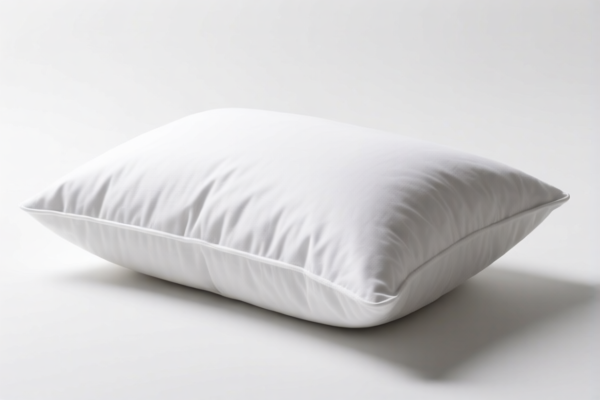
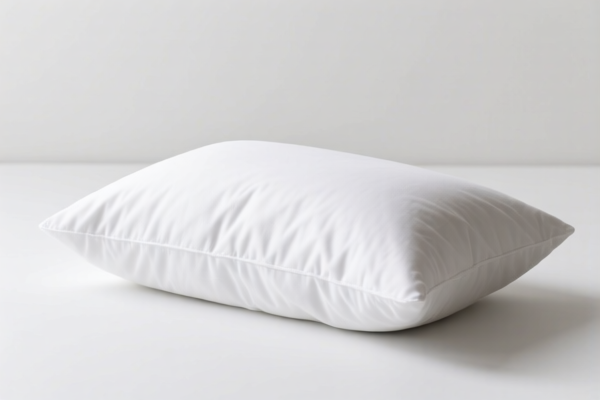
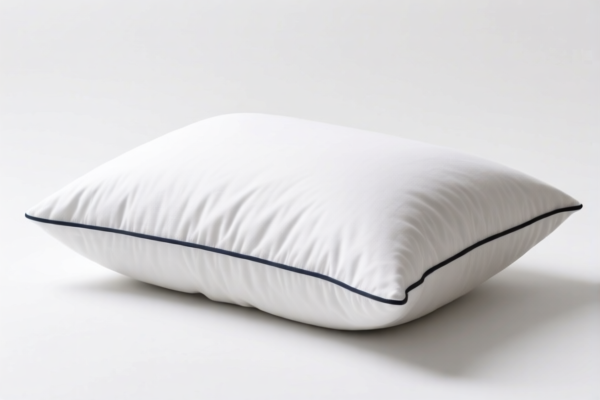
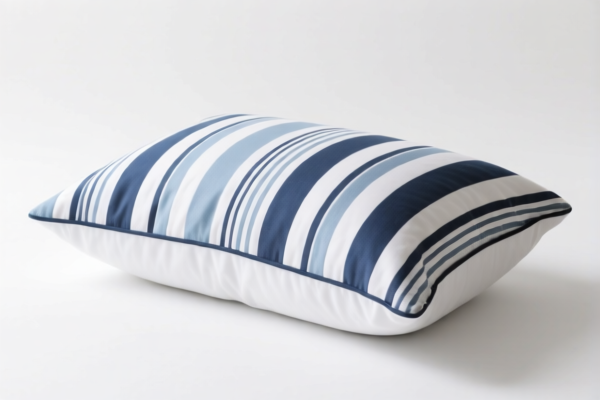
AI Analysis
📖 Reading Pillow (Reading Cushion / Backrest Pillow)
🌐 HS Code Reference & Customs Clearance Guide | 2026 Latest Tariff Analysis | Professional Clearance Strategy
📌 I. Product Definition & Classification: Do You Really Understand a "Reading Pillow"?
A Reading Pillow is a versatile household item designed to provide ergonomic support for users while sitting up in bed, on a sofa, or in a chair. It typically combines back support, armrests, and sometimes a tray. In international trade, its classification is highly contested because it sits at the intersection of Furniture (Headrests/Seats) and Textile/Bedding Articles.
There are two primary competitive classification paths: 1. As Furniture (Seat/Support): If the structure is rigid or primarily functions as a specialized seat/seat accessory. 2. As Bedding/Textile Article: If it is soft, filled, and primarily functions as a cushion or bed accessory.
⚠️ Key Distinction Point:
- If the product has a rigid frame, hard plastic shell, or is clearly structured as a chair back/rest, it leans toward Chapter 94 (Furniture).
- If the product is soft-filled (foam, fiber), fabric-covered, and lacks structural furniture components (like legs or rigid armrests), it leans toward Chapter 63 (Textile Articles) or Chapter 94 (Bedding).
📦 II. HS Code Classification Details (2026 Latest Tariff Authority Comparison)
Based on the available data, here are the four potential HS Codes with their specific tax implications and classification logic.
| HS Code | Product Description | Classification Logic (Why it fits) | Total Tax Rate |
|---|---|---|---|
| 9401.80.60.28 | Other Household Seats | Logic: Matches the "Seat" category. Infers it is a fabric-based household backrest. Fits "Other Household Seats" by use/form. No material/function conflict. | 35.0% |
| 9401.80.40.46 | Other Seats of Rubber/Plastic | Logic: Infers material may contain rubber/plastic filling or shell. Form extends to seat/backrest. Not excluded as children's/outdoor. Fallback logic for "Other Rubber/Plastic Seats". | 35.0% |
| 6307.90.89.95 | Other Made-Up Textile Articles | Logic: Name "Reading Pillow" implies a pillow/cushion type. Matches "Cotton pillowcases" or "Similar articles" in form. Material is textile (cotton/fabric), no conflict. | 17.0% |
| 9404.90.20.90 | Other Bedding Furnishings | Logic: "Cushions and similar furnishings" under Bedding. Assumed filled material (foam/fiber) based on common sense. Matches "Filled Bedding" description. No material conflict. | 23.5% |
| 9404.90.20.60 | Other Bedding Furnishings (Specific Sub) | Logic: Matches Use (Bed/Backrest) and Form. Since filling material is unspecified, inferred as "Other Filled Items". No material conflict. | 23.5% |
🔍 Critical Analysis:
- Highest Cost:9401.80.60.28and9401.80.40.46carry a 35% total tax rate. These are risky if the item is deemed "Textile" rather than "Furniture."
- Lowest Cost:6307.90.89.95at 17% is the most favorable, but requires proving it is a textile article, not furniture.
- Middle Ground:9404.90.20.xxat 23.5% positions it as Bedding. This is a common compromise if it’s soft and bed-related.
💰 III. 2026 Latest Tariff Rate Breakdown (Including Surtaxes & Policy Surcharges)
✅ Applicable Country: United States (US)
✅ Country of Origin: China (CN)
✅ Effective Date: November 10, 2025 (and subsequent imports)
🎯 1. Best Case Scenario: 6307.90.89.95 – Other Made-Up Textile Articles
| Item | Detail |
|---|---|
| Base Tariff | 7.0% (Ad Valorem) |
| USITC Surtax (301) | 0.0% (Exempt or not applicable under this specific footnote) |
| IEEPA Surtax | +10.0% (Section 301/IEEPA surcharge for China origin) |
| Total Tax Rate | 17.0% |
| Calculation | CIF Value × 17% |
| De Minimis Exemption | ❌ Not Eligible (Deny De Minimis) |
| Legal Path | IEEPA:9903.01.25 → USITC:6307.90.89.95 |
📌 Explanation:
- This is the lowest burden path.
- It relies on classifying the item as a "Made-up Textile Article" rather than furniture.
- Strategy: Emphasize textile material, soft construction, and non-structural nature.
🎯 2. Middle Cost Scenario: 9404.90.20.90 / 9404.90.20.60 – Other Bedding Furnishings
| Item | Detail |
|---|---|
| Base Tariff | 6.0% (Ad Valorem) |
| USITC Surtax (301) | +7.5% (Note: Data shows 7.5% surtax here, lower than standard 301 furniture rates) |
| IEEPA Surtax | +10.0% (Section 301/IEEPA surcharge for China origin) |
| Total Tax Rate | 23.5% |
| Calculation | CIF Value × 23.5% |
| De Minimis Exemption | ❌ Not Eligible (Deny De Minimis) |
| Legal Path | IEEPA:9901.25 → IEEPA:9903.01.24 → USITC:9404.90.20.90 → FOOTNOTE |
📌 Explanation:
- Classifying as Bedding (Chapter 94.04) is a strong middle ground.
- It avoids the higher 301 Furniture surtax (which might be 25%) by applying a specific 7.5% surtax for this subheading.
- Strategy: Highlight use in bed, cushion/filling, and home comfort.
🎯 3. Highest Cost Scenario: 9401.80.60.28 / 9401.80.40.46 – Other Household Seats
| Item | Detail |
|---|---|
| Base Tariff | 0.0% (Ad Valorem) |
| USITC Surtax (301) | +25.0% (Standard Section 301 Furniture Surtax) |
| IEEPA Surtax | +10.0% (Section 301/IEEPA surcharge for China origin) |
| Total Tax Rate | 35.0% |
| Calculation | CIF Value × 35% |
| De Minimis Exemption | ❌ Not Eligible (Deny De Minimis) |
| Legal Path | IEEPA:9903.01.25 → IEEPA:9903.01.24 → USITC:9401.80.60.28 → FOOTNOTE:9903.88.01 |
📌 Explanation:
- Classifying as Furniture/Seat incurs the highest penalty.
- The 25% surtax is the standard rate for many furniture items under Section 301.
- Risk: If Customs deems the reading pillow a "seat" (e.g., has armrests, rigid structure), this rate applies.
🛠️ IV. Customs Clearance Practical Advice (Real-World Pitfall Guide)
✅ 1. Document Preparation Checklist (Mandatory)
| Document | Must Provide? | Description |
|---|---|---|
| ✅ Product Specification Sheet | ✔️ | Dimensions, weight, filling material (e.g., 100% polyester fiber, memory foam), fabric composition. |
| ✅ Product Photos | ✔️ | Clear images showing softness, lack of rigid frame, and usage context (e.g., person reading in bed with it). |
| ✅ Commercial Invoice | ✔️ | Crucial: Use precise language. Avoid "Chair" or "Seat". Use "Reading Cushion", "Back Support Pillow", "Bedrest Pillow". |
| ✅ Packing List | ✔️ | Detail contents. If it includes a tray, describe it as an "Optional Fabric Tray" or "Removable Cotton Cover", not a rigid plastic table. |
| ✅ Origin Certificate | ✔️ | If not CN origin, claim preferential rates. If CN origin, prepare for surtaxes. |
✅ 2. Declaration Strategy (Key Mantra)
🔥 "Soft & Filled = Textile/Bedding. Rigid & Seated = Furniture!"
| Scenario | Recommended HS Code | Why? | Risk if Misclassified |
|---|---|---|---|
| Soft, Foam-Filled, No Hard Frame | 6307.90.89.95 (17%) or 9404.90.20.90 (23.5%) |
It is a pillow/cushion, not a seat. | High. If deemed "Seat", rate jumps to 35%. |
| Contains Rigid Armrests/Plastic Shell | 9401.80.60.28 (35%) |
It functions as a seat accessory. | Low. But tax cost is highest. |
| Bed Rest Pillow with Tray | 9404.90.20.90 (23.5%) |
Bedding classification absorbs the tray if integrated. | Medium. If tray is separate/hard, may split classification. |
📌 Pro Tip:
- Never use the word "Chair" or "Seat" in the product name or description.
- Use "Reading Cushion", "Bed Rest Pillow", "Support Pillow".
- If the product has a tray, describe it as "Removable Cover" or "Fabric Lap Desk" to avoid it being classified as a rigid table (which might have different taxes).
✅ 3. Special Circumstances Handling
| Situation | Handling Advice |
|---|---|
| Product has Memory Foam Core | Emphasize "Soft Filling" to support 9404 or 6307. Avoid "Hard Support" language. |
| Product has Removable Cotton Cover | Highlight "Textile Composition" to support 6307.90.89.95 (17% rate). |
| OEM Custom Branding | Ensure branding doesn’t imply "Furniture" (e.g., "Ergonomic Office Chair"). Use "Home Comfort" branding. |
| Imported in Bulk (Palletized) | Provide photos showing stackable, soft units. Hard-to-stack items may look more like furniture. |
🌍 V. Global Main Market Clearance Comparison (2026 Latest)
| Country/Region | Recommended HS Code | Tariff (China Origin) | Certification Req. | Notes |
|---|---|---|---|---|
| 🇺🇸 USA | 6307.90.89.95 |
17.0% | None | Best rate. Avoid 9401 (35%). |
| 🇺🇸 USA | 9404.90.20.90 |
23.5% | None | Safe middle ground. |
| 🇨🇳 China | 6307.90.89.95 |
7.0% | None | Low entry tax. |
| 🇪🇺 EU | 6307.90.89.95 |
6.0% (Typical) | CE/REACH | Varies by member state. |
| 🇬🇧 UK | 6307.90.89.95 |
0-12% (Post-Brexit) | UKCA | Check latest UK Tariff. |
📌 Conclusion:
- The USA is the most critical market due to high surtaxes.
- Classifying as Textile (6307) or Bedding (9404.90) is essential to avoid the 35% Furniture Rate.
- Do not under-declare as De Minimis (<$800) if the value is high or if it’s deemed furniture, as penalties are severe.
📌 VI. Common Errors & Pitfall Guide (Blood & Tears Lessons)
❌ Mistake 1: Using the term "Reading Chair" or "Seat" in the description.
👉 Consequence: Customs classifies as 9401.80 → 35% Tax.
✅ Fix: Use "Reading Pillow", "Backrest Cushion".
❌ Mistake 2: Declaring as "Plastic Product" without specifying it's a soft pillow.
👉 Consequence: Might be classified as plastic furniture → 35% Tax.
✅ Fix: Specify "Soft Filled", "Textile Cover".
❌ Mistake 3: Ignoring the Tray Component.
👉 Consequence: If the tray is rigid and separate, it might be classified separately as a Table (higher tax) or split the value.
✅ Fix: Describe the tray as "Removable Fabric Cover" or integrate it into the pillow description as a "Built-in Lap Rest".
❌ Mistake 4: Assuming De Minimis applies.
👉 Consequence: Section 301/IEEPA surcharges do not apply to De Minimis exemptions for China-origin goods in many categories.
✅ Fix: Prepare for full tariff payment.
🎯 VII. Conclusion: Precision in Classification Saves Money!
🎯 Remember the Mantra:
🔹 "Soft Pillow = Bedding/Textile (17-23.5%)".
🔹 "Rigid Seat = Furniture (35%)".
🔹 **"Word Choice is King! Avoid 'Chair', Use 'Pillow'".
📌 Pro Tip:
If your Reading Pillow is originating from Vietnam, Malaysia, or Thailand, you may qualify for IEEPA Exemptions or lower tariffs.
Recommendation: Apply for an Advance Ruling from US Customs (CBP) if the product design is unique. This provides legal certainty and avoids post-import audits.
📣 Immediate Action:
📞 Contact a Professional Customs Broker + Provide Product Photos + Submit Advance Ruling Request
🚀 Ensure your Commercial Invoice says "Reading Pillow" not "Chair".
💸 Save up to 18% in taxes by choosing the right HS Code!
✨ Professional Clearance Starts with Precise Classification!
💼 Every Percent Counts in International Trade!
Customer Reviews
About HS Code Classification
The Harmonized System (HS) is an internationally standardized nomenclature developed by the World Customs Organization (WCO) to classify traded products. Over 200 countries use the HS system as the basis for customs tariffs, trade statistics, and import/export regulations.
Each HS code follows a hierarchical structure:
- Chapter (2 digits) — Broad category of goods (e.g., Chapter 84: Machinery and Mechanical Appliances)
- Heading (4 digits) — More specific grouping within the chapter
- Subheading (6 digits) — Internationally standardized breakdown, used by all WCO member countries
- National subdivisions (8-10 digits) — Country-specific extensions for further classification, such as US HTSUS 10-digit codes
Correct HS code classification is essential for smooth customs clearance, accurate duty payment, and compliance with trade regulations. Misclassification can lead to customs delays, overpayment of duties, or penalties.
When importing from CN to US, the applicable tariff rates may include:
- Most-Favored-Nation (MFN) rate — The standard duty rate applied to WTO members
- General rate — Applied to countries without trade agreements
- Trade remedy duties — Additional tariffs such as Section 301 (anti-dumping), Section 232 (national security), or countervailing duties
The information provided on this page is for reference purposes only. For official classification, please consult with your local customs authority or a licensed customs broker.