Rear Spoiler
CN → US| HS Code | Tariff Rate | Origin | Destination | Doc |
|---|---|---|---|---|
| 7326190080 | 87.9% | CN | US | Official Doc |
| 7326908688 | 87.9% | CN | US | Official Doc |
| 8708295160 | 0.0% | CN | US | Official Doc |
| 8708292500 | 0.0% | CN | US | Official Doc |
Product Images
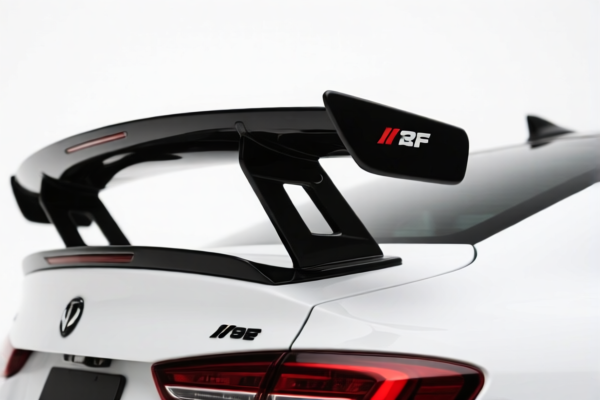
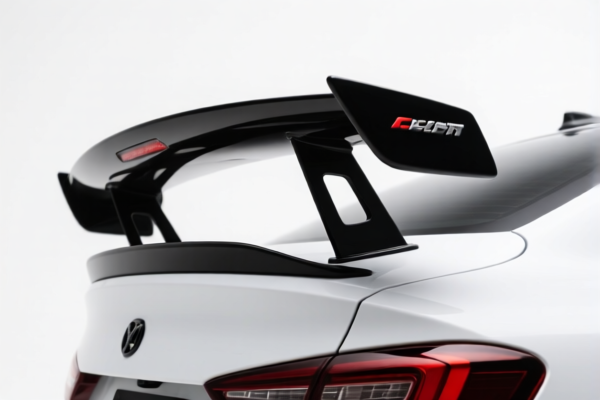
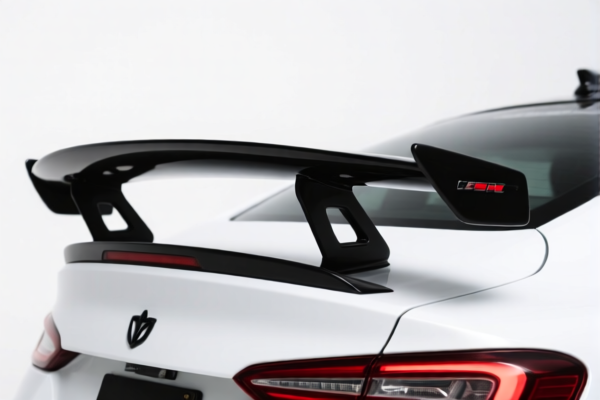
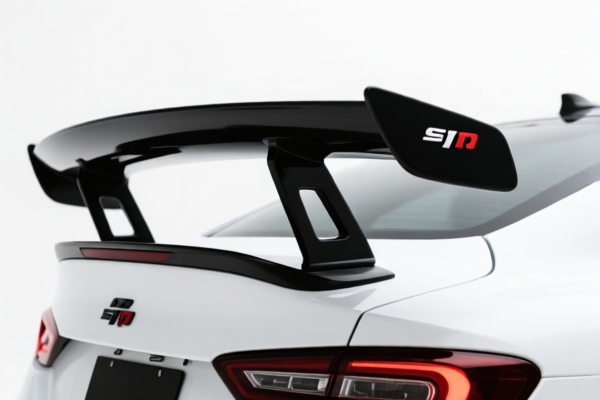
AI Analysis
🚗 Rear Spoiler (Automotive Aerodynamic Component)
🌐 HS Code Reference & Customs Clearance Guide | 2026 Latest Tariff Analysis | Strategic Clearance Strategy
📌 I. Product Definition & Classification: Do You Really Understand the "Rear Spoiler"?
A Rear Spoiler is an aerodynamic device attached to the rear decklid or trunk of a vehicle. Its primary function is to alter the air flow over the vehicle to reduce lift and increase downforce, improving stability at high speeds or enhancing the vehicle's visual aesthetics.
In international trade, the classification of a rear spoiler depends heavily on its integration status and material composition:
- Integrated Body Parts: If the spoiler is an integral part of the vehicle body (e.g., a built-in lip on a factory trunk lid) or explicitly designed as a specific body part/component (e.g., a distinct plastic/metal molding designed to attach to a specific car model), it is typically classified under Chapter 87 (Vehicles).
- Generic Metal Articles: If the spoiler is a generic stamped metal structure that does not have a specific shape for a single vehicle model and serves a general structural or decorative purpose, it might be classified under Chapter 73 (Articles of Iron or Steel).
⚠️ Key Distinction Point:
- If the product is explicitly a "Car Body Part" (designed for specific vehicle attachment, often plastic or composite): → Classify under 8708.29.
- If the product is a generic stamped steel component with no specific automotive design features: → Classify under 7326.19.00.80 or 7326.90.86.88.
📦 II. HS Code Classification Details (2026 Latest Tariff Authority Comparison)
Based on the provided <DATA>, here are the specific HS codes and their applicability:
| HS Code | Product Description | Applicable Scenario | Material/Nature |
|---|---|---|---|
8708.29.51.60 |
Car Body Parts - External structural components, typically metal or plastic. | OEM or aftermarket spoilers that are distinct "body parts" attached to the vehicle exterior. | Metal/Plastic |
8708.29.25.00 |
Vehicle Body Components - Parts meeting body part criteria, material is metal or plastic stampings. | Structural body parts, often integrated or semi-integrated, focusing on the "part" attribute rather than general manufacturing. | Metal/Plastic |
7326.19.00.80 |
Iron/Steel Products - Structural parts via stamping or processing, classified as "other iron/steel products." | Generic stamped steel spoilers that do not fit the specific "car body part" definition (e.g., universal brackets, generic steel lips). | Steel (Stamped) |
7326.90.86.88 |
Other Iron/Steel Articles - Based on component attributes with no obvious material conflict. | Generic steel articles used for decoration or general support, lacking specific automotive integration design. | Steel (General) |
🔍 Key Reminder:
- Most aftermarket or OEM spoilers designed for specific car models should ideally fall under Chapter 87 (8708).
- If customs officers determine the item is just a "piece of metal" without specific automotive identification, it may be reclassified to Chapter 73, which carries different (often higher) penalty risks due to trade war tariffs.
- Material Conflict: Ensure the description matches. If it's carbon fiber or plastic, Chapter 73 is incorrect. If it's steel, Chapter 73 is possible but less optimal if it's a clear auto part.
💰 III. 2026 Latest Tariff Rate Breakdown (Including Surtaxes, Policy Surcharges)
✅ Applicable Country: United States (US)
✅ Origin: China (CN)
✅ Effective Date: From November 10, 2025 (including subsequent imports)
🎯 1. 8708.29.51.60 —— Car Body Parts (External Structural)
| Item | Content |
|---|---|
| Base Tariff | 2.5% |
| USITC Surcharge | +25.0% (Section 301 Tariff) |
| IEEPA Surcharge | +10% (Section 122 Tariff: Steel, Aluminum, Copper Products) |
| Total Tariff | 2.5% + 85.0% = 87.5% |
| Tax Calculation | CIF Value × 87.5% |
| De Minimis Eligibility | ❌ No (Deny De Minimis) |
| Legal Basis Path | Base: 2.5% → Section 301: 25% → Section 122: 10% → Steel/Alloy Surtax: 50% (Note: The data shows "Total Tax 2.5% +85.0%", implying a sum of 87.5%. The 85% likely includes the 25% Sec 301, 10% Sec 122, and 50% Steel/Aluminum Surtax.) |
📌 Explanation:
- Base 2.5%: Standard MFN rate for vehicle parts.
- 301 Tariff 25%: Applied to most Chinese-origin auto parts.
- Section 122/Steel Surtax: The data specifies a 50% surtax for Steel, Aluminum, and Copper products. Since many spoilers are steel or aluminum, this 50% is added on top.
- Math Check: 2.5% (Base) + 25% (301) + 10% (122) + 50% (Steel/Al) = 87.5%.
- Result: This is an extremely high tariff. The "85.0%" surcharge mentioned in the data essentially groups all punitive tariffs together.
🎯 2. 8708.29.25.00 —— Vehicle Body Components (Metal/Plastic Stampings)
| Item | Content |
|---|---|
| Base Tariff | 2.5% |
| USITC Surcharge | +25.0% |
| IEEPA Surcharge | +10% |
| Total Tariff | 2.5% + 35.0% = 37.5% |
| Tax Calculation | CIF Value × 37.5% |
| De Minimis Eligibility | ❌ No |
| Legal Basis Path | Base: 2.5% → Section 301: 25% → Section 122: 10% |
📌 Note:
- This code seems to exclude the 50% Steel/Aluminum surtax mentioned in the other codes. This might apply to plastic spoilers or specific steel components where the "Steel/Aluminum Surtax" condition isn't triggered differently.
- However, if the material is Steel, the 50% surtax should logically apply. The data shows a lower total (37.5%) for this code, suggesting it might be for plastic/composite parts or a specific sub-category exempt from the heavy metal surtax.
- Caution: If your spoiler is Steel, using this code might be challenged by customs if the 50% surtax is deemed applicable.
🎯 3. 7326.19.00.80 —— Stamped Steel Structural Parts (Other Iron/Steel Products)
| Item | Content |
|---|---|
| Base Tariff | 2.9% |
| USITC Surcharge | +25.0% |
| IEEPA Surcharge | +10% |
| Steel/Al Surtax | +50% |
| Total Tariff | 2.9% + 87.9% = 90.8% |
| Tax Calculation | CIF Value × 90.8% |
| De Minimis Eligibility | ❌ No |
| Legal Basis Path | Base: 2.9% → Section 301: 25% → Section 122: 10% → Steel/Alloy Surtax: 50% |
📌 Explanation:
- If classified as a generic steel article, it attracts the highest possible tariff.
- 90.8% is prohibitive. This classification should only be used if the item is not recognized as an auto part (e.g., a generic steel bracket sold as a hardware item).
🎯 4. 7326.90.86.88 —— Other Iron/Steel Articles (Component Attribute)
| Item | Content |
|---|---|
| Base Tariff | 2.9% |
| USITC Surcharge | +25.0% |
| IEEPA Surcharge | +10% |
| Steel/Al Surtax | +50% |
| Total Tariff | 2.9% + 87.9% = 90.8% |
| Tax Calculation | CIF Value × 90.8% |
| De Minimis Eligibility | ❌ No |
| Legal Basis Path | Same as above. |
📌 Note:
- Identical tariff burden to7326.19.00.80.
- High risk of reclassification if it is clearly an auto part.
🛠️ IV. Customs Clearance Practical Advice (Combat Pitfall Guide)
✅ 1. Required Documentation Checklist (None Can Be Omitted)
| Document | Required | Description |
|---|---|---|
| ✅ Product Specification Sheet | ✔️ | Must include dimensions, material (Steel/Plastic/Carbon Fiber), weight, and intended vehicle model. |
| ✅ Installation Manual/Photos | ✔️ | Proof that it is an auto part (shows mounting points, attachment to vehicle). |
| ✅ Commercial Invoice | ✔️ | Clear description: "Rear Spoiler for [Car Model], Plastic/Steel, NOT for Industrial Use." |
| ✅ Material Declaration | ✔️ | Explicitly state if it contains Steel/Aluminum to determine if the 50% surtax applies. |
| ✅ HS Code Pre-ruling Request | ✔️ | Highly recommended for high-value shipments to avoid 90%+ tariff surprises. |
✅ 2. Declaration Strategy (Key Mantras)
🔥 “Be a Part, Not a Piece; Define Material, Avoid Surprise Fees!”
| Scenario | Correct Declaration | Wrong Practice |
|---|---|---|
| OEM Spoiler (Plastic) | 8708.29.25.00 (Vehicle Body Part) |
Declaring as "Plastic Ornament" → Chapter 39 (High risk of reclassification) |
| Aftermarket Spoiler (Steel) | 8708.29.51.60 (Car Body Part) |
Declaring as "Steel Bracket" → 7326 (90.8% Tariff) |
| Generic Steel Lip (No Car Model) | 7326.19.00.80 (Other Steel Product) |
N/A (Must use Chapter 73 if not specific to auto) |
| Carbon Fiber Spoiler | 8708.29 (if recognized as part) |
Declaring as "Steel" → 50% Surtax applies incorrectly! |
✅ 3. Special Situation Handling
| Situation | Handling Advice |
|---|---|
| Plastic vs. Steel | CRITICAL: If the spoiler is Plastic, the 50% Steel/Aluminum surtax DOES NOT APPLY. Use 8708.29.25.00 (37.5% total) if possible. If declared as Steel by mistake, you pay 87.5%+. |
| Kit Includes Mounts | If mounts are steel, ensure the main item is declared as a "Body Part." Do not separate hardware. |
| Carbon Fiber | Ensure material is declared as "Composite" or "Carbon Fiber," not "Steel." Avoid the 50% metal surtax. |
| Universal Fit | If it fits many cars, customs may push for Chapter 73. Provide photos showing it fits specific vehicles to maintain Chapter 87 status. |
🌍 V. Global Market Clearance Comparison (2026 Latest)
| Country/Region | Recommended HS Code | Tariff (China Origin) | Certification | Notes |
|---|---|---|---|---|
| 🇺🇸 USA | 8708.29.51.60 / 8708.29.25.00 |
37.5% - 87.5% | FMVSS (if safety critical) | Highest Tariffs. Plastic parts are cheaper to clear than Steel. |
| 🇨🇳 China | 8708.29.99.90 |
10% | CCC (if safety part) | No additional surtaxes. |
| 🇪🇺 EU | 8708.29.50 |
4.5% | ECE Approval | No Section 301/122 tariffs. |
| 🇬🇧 UK | 8708.29.50 |
4.5% | ECE Approval | Post-Brexit rules apply. |
| 🇦🇺 Australia | 8708.29.00 |
5% | ADR | No surtaxes. |
📌 Conclusion:
- USA is the only market with punitive tariffs (301/122/Steel Surtax).
- Material matters immensely in the US:
- Plastic/Composite Spoilers: ~37.5% Tariff (8708.29.25.00).
- Steel/Aluminum Spoilers: ~87.5% Tariff (8708.29.51.60).
- Strategy: If possible, shift supply chain to non-China origins or use Plastic/Composite materials to avoid the 50% metal surtax.
📌 VI. Common Mistakes & Pitfall Guide (Blood & Tears Lessons)
❌ Mistake 1: Declaring a Steel Spoiler as "Plastic" to avoid the 50% Surtax.
👉 Consequence: Customs inspection reveals steel → Back taxes + Penalties + Audit.
❌ Mistake 2: Declaring a Car-Specific Spoiler as "Other Iron Articles" (7326).
👉 Consequence: You pay 90.8% instead of potentially lower rates if classified correctly, or worse, detention for misclassification.
❌ Mistake 3: Ignoring the Section 122 Steel/Aluminum Surtax.
👉 Consequence: Assuming 301 tariff (25%) is all. The 50% surtax on metals can double your cost.
❌ Mistake 4: Using "Generic" descriptions like "Metal Plate."
👉 Consequence: Customs assumes worst-case scenario (Steel Article) and applies highest duties.
✅ Correct Practice:
"Rear Deck Spoiler for [Specific Car Model], Material: [Plastic/Steel], Function: Aerodynamic Component, Part Number: XYZ, Not for Industrial Use."
🎯 VII. Conclusion: Professional Declaration, Save Costs!
🎯 Remember the Mantra:
🔹 “Plastic Spoiler: 37.5% | Steel Spoiler: 87.5% | Generic Steel: 90.8%!”
🔹 “Specify Material! Avoid the 50% Metal Surtax!”
🔹 “Chapter 87 is King, but Steel is Expensive in the US!”
📌 Tips:
- If your supplier is in China and the product is Steel, the tariff is ~87.5%.
- Consider Plastic or Carbon Fiber alternatives to reduce tariffs to ~37.5% (if classified as auto parts).
- Pre-ruling (Advance Ruling) is highly recommended for large shipments to lock in the HS Code and tariff rate.
📣 Immediate Action:
📞 Contact your customs broker TODAY.
📄 Provide Material Spec and Installation Photos.
🚀 Optimize Material Choice (Plastic vs. Steel) to save ~50% in duties!
✨ Professional Clearance Starts with Accurate Classification!
💼 Every Percent of Duty Saved is Profit Added!
Customer Reviews
About HS Code Classification
The Harmonized System (HS) is an internationally standardized nomenclature developed by the World Customs Organization (WCO) to classify traded products. Over 200 countries use the HS system as the basis for customs tariffs, trade statistics, and import/export regulations.
Each HS code follows a hierarchical structure:
- Chapter (2 digits) — Broad category of goods (e.g., Chapter 84: Machinery and Mechanical Appliances)
- Heading (4 digits) — More specific grouping within the chapter
- Subheading (6 digits) — Internationally standardized breakdown, used by all WCO member countries
- National subdivisions (8-10 digits) — Country-specific extensions for further classification, such as US HTSUS 10-digit codes
Correct HS code classification is essential for smooth customs clearance, accurate duty payment, and compliance with trade regulations. Misclassification can lead to customs delays, overpayment of duties, or penalties.
When importing from CN to US, the applicable tariff rates may include:
- Most-Favored-Nation (MFN) rate — The standard duty rate applied to WTO members
- General rate — Applied to countries without trade agreements
- Trade remedy duties — Additional tariffs such as Section 301 (anti-dumping), Section 232 (national security), or countervailing duties
The information provided on this page is for reference purposes only. For official classification, please consult with your local customs authority or a licensed customs broker.