Rebar Cutting Machine
CN → US| HS Code | Tariff Rate | Origin | Destination | Doc |
|---|---|---|---|---|
| 8466933000 | 40.8% | CN | US | Official Doc |
| 8466931530 | 35.0% | CN | US | Official Doc |
| 8467891000 | 17.5% | CN | US | Official Doc |
| 8467990190 | 35.0% | CN | US | Official Doc |
| 8462390050 | 39.4% | CN | US | Official Doc |
| 8462490010 | 39.4% | CN | US | Official Doc |
Product Images
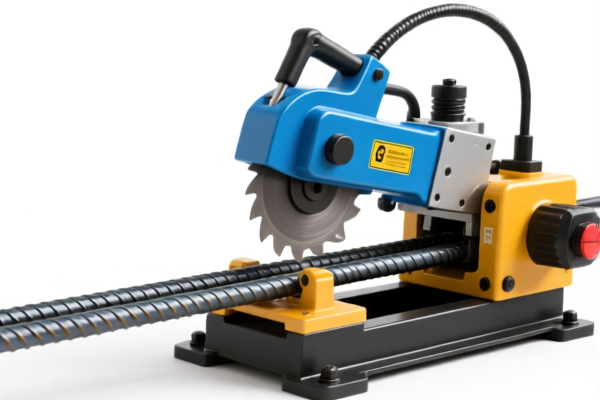
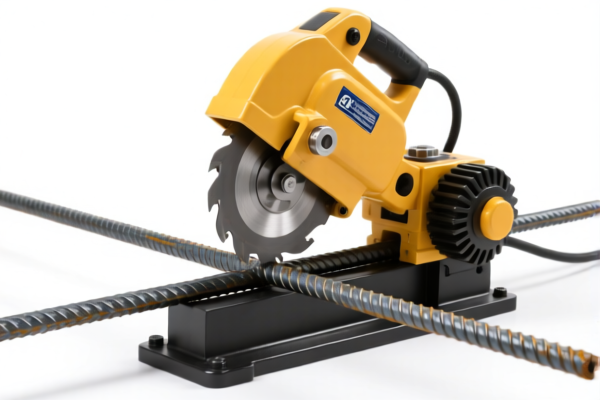
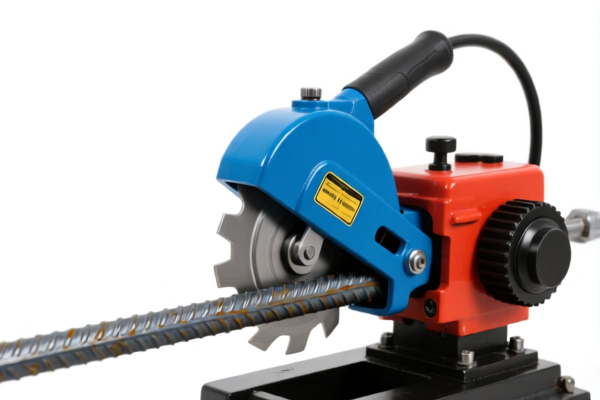
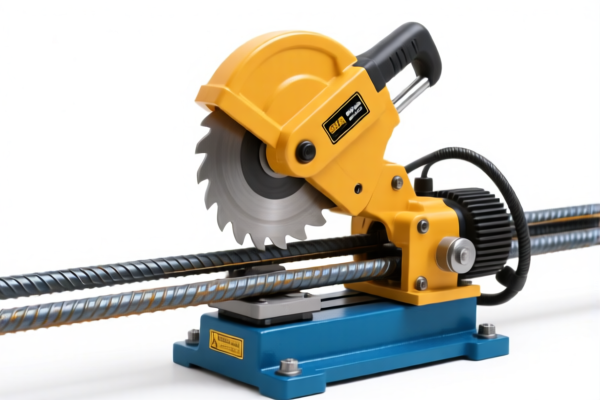
AI Analysis
🔩 Rebar Cutting Machine (Steel Reinforcement Bar Cutter)
🌐 HS Code Reference & Customs Clearance Guide | 2026 Latest Tariff Analysis | Professional-Level Strategy for Metalworking Tools
📌 I. Product Definition & Classification: What Exactly is a "Rebar Cutting Machine"?
A Rebar Cutting Machine is a specialized piece of equipment designed to cut steel reinforcement bars (rebar) used in construction and infrastructure projects. In international trade, classification depends heavily on whether the tool is handheld/portable or fixed industrial machinery.
Handheld Portable Cutters: Pneumatic, hydraulic, or self-contained electric tools used for quick cuts on-site. Industrial/Fixed Cutting Presses: Large stationary machines for high-volume cutting of flat products or specific bar geometries.
⚠️ Key Distinction Point:
- If the device is a hand-held tool (pneumatic/electric) used for general metal working → Classified under 8467.89.10.00.
- If the device is a stationary press/shearing machine specifically designed for cutting flat metal products → Classified under 8462.39.00.50.
- Note: Rebar is technically a "bar," not a "flat product." However, certain industrial shearing lines may classify specific rebar-cutting presses under machine tool headings if they function as slitting or cut-to-length lines for metal. The provided data suggests a specific pathway for "Slitting lines/cut-to-length lines" under 8462.
📦 II. HS Code Classification Details (Based on Provided Data 2026)
| HS Code | Product Description | Application Scenario | Tax Status |
|---|---|---|---|
8467.89.10.00 |
Hand tools for working in the hand (pneumatic, hydraulic, self-contained electric): Suitable for metal working | Portable rebar cutters, handheld hydraulic shears, electric rebar croppers | 7.5% (Total) |
8462.39.00.50 |
Machine tools for working metal by shearing (excluding presses): Slitting lines, cut-to-length lines | Industrial stationary rebar cutting lines, automated slitting/cutting machines for metal bars | 0.0% (Total) |
8466.93.30.00 |
Parts for machines of headings 8456-8465: Bed/base/table for metalworking machine tools for cutting gears | Specific Castings/Fabrications only (e.g., base frames for large gear-cutting machines). Note: This is highly specific and likely NOT applicable to general rebar cutters unless part of a gear-cutting machine. | 30.8% (Total) |
8466.93.15.30 |
Parts for machines of headings 8456-8465: Cast-iron parts for metalworking machine tools for cutting/grinding/finishing gears | Raw or partially processed castings for gear machines. Not applicable to standard rebar tools. | 25.0% (Total) |
8462.49.00.10 |
Punching, notching, or nibbling machines (excluding presses): Used or rebuilt | Only applies if the machine is explicitly used/rebuilt and functions as a punching/notching machine. Rare for standard rebar cutting. | 0.0% (Total) |
🔍 Important Note on Data Constraints:
The provided dataset does not include the common HS Code for general industrial rebar cutting machines (typically 8463.90 or 8462.59). It strictly provides codes for Hand Tools (8467) and Specific Machine Tools/Parts (8462/8466). Therefore, the classification must rely on these available options: 1. Portable Tool:8467.89.10.002. Industrial Machine (if classified as slitting/cut-to-length):8462.39.00.50
💰 III. 2026 Tariff Rate Detailed Explanation
✅ Applicable Country: USA (US)
✅ Origin: China (CN)
✅ Effective Date: 2025/2026 Period
🎯 1. 8467.89.10.00 – Hand Tools for Metal Working (Portable Rebar Cutters)
| Item | Content |
|---|---|
| Base Tariff | 0.0% (Ad Valorem) |
| Additional Tariff (Section 301) | +7.5% |
| Total Tax Rate | 7.5% |
| Tax Calculation | CIF Value × 7.5% |
| De Minimis Exemption | ❌ Not Applicable (High value tools) |
| Legal Basis | Section 301 Tariff applied to heading 8467 subheadings |
📌 Explanation:
- Handheld rebar cutters (electric/pneumatic/hydraulic) fall under 8467.89.10.00 ("Suitable for metal working"). - Although the base duty is 0%, a 7.5% additional tariff is applied due to US trade actions against Chinese metalworking tools. - Cost Impact: Moderate. This is the most common classification for portable construction tools.
🎯 2. 8462.39.00.50 – Slitting/Cut-to-Length Lines (Industrial Rebar Cutting)
| Item | Content |
|---|---|
| Base Tariff | 0.0% |
| Additional Tariff | 0.0% |
| Total Tax Rate | 0.0% |
| Tax Calculation | CIF Value × 0.0% |
| De Minimis Exemption | N/A (Industrial equipment) |
| Legal Basis | Specific subheading for non-specified slitting/cut-to-length lines |
📌 Explanation:
- If the rebar cutting machine is a large, stationary unit classified as a "Slitting line" or "Cut-to-length line" for metal products, it may qualify for 0% total duty. - Crucial: This requires the machine to fit the definition of a slitting/cut-to-length line for flat or specific metal products. General rebar benders/cutters might not qualify unless they are part of an automated line. - Strategy: If the machine is a complex, automated system, argue for this classification to achieve 0% duty.
🎯 3. Parts (8466 Series) – Not Recommended for Main Units
| HS Code | Total Tax | Note |
|---|---|---|
8466.93.30.00 |
30.8% (5.8% Base + 25% Add.) | Only for specific castings/fabrications for gear-cutting machines. High tax. Avoid unless importing specific structural parts. |
8466.93.15.30 |
25.0% (0.0% Base + 25% Add.) | Only for cast-iron parts for gear machines. High tax. |
⚠️ Warning: Do not classify a whole rebar cutting machine as a "part" (8466) to save money if it is a functional tool. It will likely be reclassified by Customs, leading to penalties. The 30.8% rate is punitive for parts.
🛠️ IV. Customs Clearance Practical Advice (Field Guide)
✅ 1. Documentation Checklist (Essential)
| Document | Required? | Description |
|---|---|---|
| ✅ Product Specification Sheet | ✔️ | Must clearly state: "Rebar Cutting Machine," Type (Handheld/Industrial), Power Source (Electric/Hydraulic/Pneumatic), Max Cutting Diameter. |
| ✅ Technical Drawings | ✔️ | For industrial machines: Show it is a "Slitting/Cut-to-Length Line" if claiming 8462.39.00.50. For handheld: Show it is a self-contained tool. |
| ✅ Commercial Invoice | ✔️ | Must use precise description: "Portable Hydraulic Rebar Cutter" or "Industrial Metal Slitting Line for Rebar." Avoid vague terms like "Machine." |
| ✅ Bill of Lading / Air Waybill | ✔️ | Standard shipping documents. |
| ✅ Proof of Origin | ✔️ | Certificate of Origin (China). |
| ✅ Photos of Equipment | ✔️ | Clear photos of label, model, and key components. |
✅ 2. Declaration Tips (Critical for Success)
🔥 Golden Rule: "Portable = Hand Tool (8467); Industrial Line = Machine Tool (8462). Be precise."
| Scenario | Correct HS Code | Incorrect Code | Risk |
|---|---|---|---|
| Portable Electric/Pneumatic Rebar Cutter | 8467.89.10.00 |
8462.39.00.50 |
Under-declaration → 7.5% duty + penalties |
| Large Stationary Rebar Cutting Line | 8462.39.00.50 |
8467.89.10.00 |
Over-declaration → Pay 7.5% unnecessarily |
| Spare Parts (Blades, Hydraulics) | Varies (Check 8462/8467 parts chapters) | 8466.93.30.00 |
High tax (30.8%) if miscategorized as gear-machine parts |
💡 Strategy for 0% Duty:
If you are importing a large, automated rebar cutting machine, provide detailed engineering specs proving it functions as a "Cut-to-Length Line" or "Slitting Line" for metal products. This allows classification under8462.39.00.50with 0% duty.
✅ 3. Common Mistakes & Pitfalls
❌ Mistake 1: Classifying a handheld electric rebar cutter as "Part of a Machine"
👉 Consequence: May trigger 30.8% tax if wrongly placed in 8466.93.30.00.
✅ Fix: Classify as 8467.89.10.00 (7.5%).
❌ Mistake 2: Using vague description "Metal Cutting Machine"
👉 Consequence: CBP (Customs and Border Protection) will reclassify based on function, leading to delays and audits.
✅ Fix: Use specific description: "Hand-held Pneumatic Rebar Cutter" or "Industrial Rebar Slitting Line."
❌ Mistake 3: Ignoring the "Self-Contained Motor" aspect
👉 Consequence: Hand tools with electric motors are explicitly covered under 8467.
✅ Fix: Ensure invoice states "Self-contained electric motor" if applicable.
🌍 V. Global Market Comparison (2026 Estimates)
| Country/Region | Recommended HS Code | Est. Duty (China Origin) | Key Certification |
|---|---|---|---|
| 🇺🇸 USA | 8467.89.10.00 (Handheld) |
7.5% | UL, OSHA compliance |
| 🇺🇸 USA | 8462.39.00.50 (Industrial) |
0.0% | CE, ISO (for safety) |
| 🇨🇳 China | 8467.89.10.00 |
5% - 8% | CCC |
| 🇪🇺 EU | 8467.89 (Hand Tools) |
4.5% - 5.5% | CE, RoHS |
| 🇪🇺 EU | 8462.39 (Machines) |
0% - 1.7% | CE, Machinery Directive |
📌 Conclusion:
- The USA is the most critical market for tariff planning. - Handheld tools incur a 7.5% additional tariff. - Industrial machines (if properly classified as slitting/cut-to-length) can enter at 0% duty. - Parts should be avoided in main shipment; declare as accessories with clear descriptions to avoid 30.8% rates.
📌 VI. Final Recommendations
- For Portable Tools: Budget for 7.5% total duty. Ensure your invoice clearly states "Hand-held tool for metal working."
- For Industrial Machines: Attempt to classify under
8462.39.00.50for 0% duty. Provide robust technical documentation proving it is a "Slitting/Cut-to-Length Line." - Never use 8466.93 codes unless you are importing specific cast-iron parts for gear-cutting machines. This is a high-risk, high-tax trap.
- Pre-Audit: Consider filing a Binding Ruling with US CBP if the machine type is ambiguous between 8467 and 8462. This provides legal certainty for duty rates.
✨ Professional Clearance Starts with Accurate Classification!
💼 Save Money: 0% vs 7.5% vs 30.8% – The Difference is in the Details!
Customer Reviews
About HS Code Classification
The Harmonized System (HS) is an internationally standardized nomenclature developed by the World Customs Organization (WCO) to classify traded products. Over 200 countries use the HS system as the basis for customs tariffs, trade statistics, and import/export regulations.
Each HS code follows a hierarchical structure:
- Chapter (2 digits) — Broad category of goods (e.g., Chapter 84: Machinery and Mechanical Appliances)
- Heading (4 digits) — More specific grouping within the chapter
- Subheading (6 digits) — Internationally standardized breakdown, used by all WCO member countries
- National subdivisions (8-10 digits) — Country-specific extensions for further classification, such as US HTSUS 10-digit codes
Correct HS code classification is essential for smooth customs clearance, accurate duty payment, and compliance with trade regulations. Misclassification can lead to customs delays, overpayment of duties, or penalties.
When importing from CN to US, the applicable tariff rates may include:
- Most-Favored-Nation (MFN) rate — The standard duty rate applied to WTO members
- General rate — Applied to countries without trade agreements
- Trade remedy duties — Additional tariffs such as Section 301 (anti-dumping), Section 232 (national security), or countervailing duties
The information provided on this page is for reference purposes only. For official classification, please consult with your local customs authority or a licensed customs broker.