Recapified Radial Tire
CN → US| HS Code | Tariff Rate | Origin | Destination | Doc |
|---|---|---|---|---|
| 4011201005 | 39.0% | CN | US | Official Doc |
| 4011201015 | 39.0% | CN | US | Official Doc |
| 4012909000 | 37.7% | CN | US | Official Doc |
| 4013100020 | 38.7% | CN | US | Official Doc |
| 4012194000 | 39.0% | CN | US | Official Doc |
Product Images
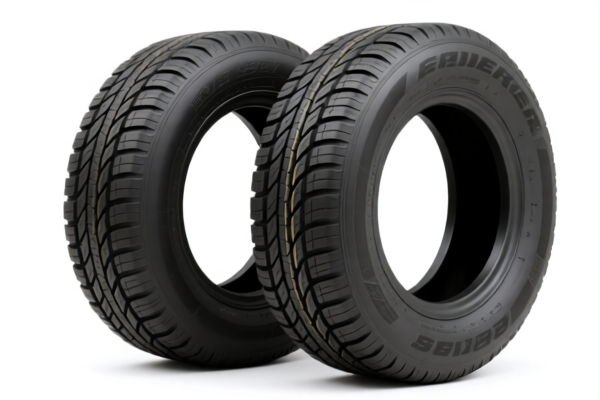
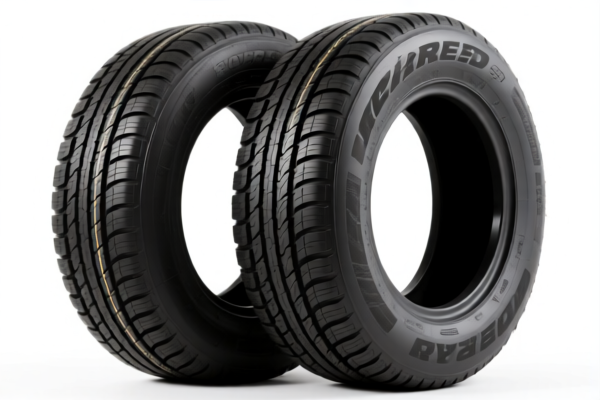
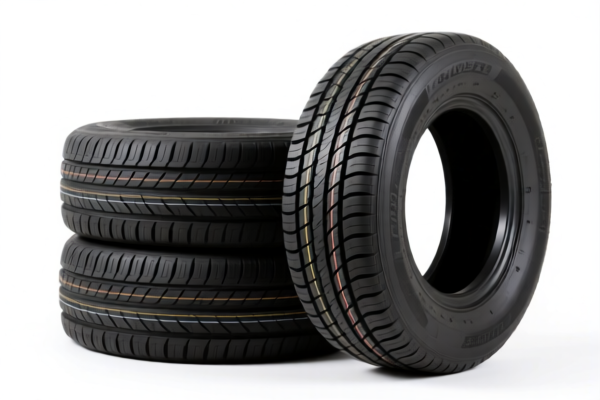
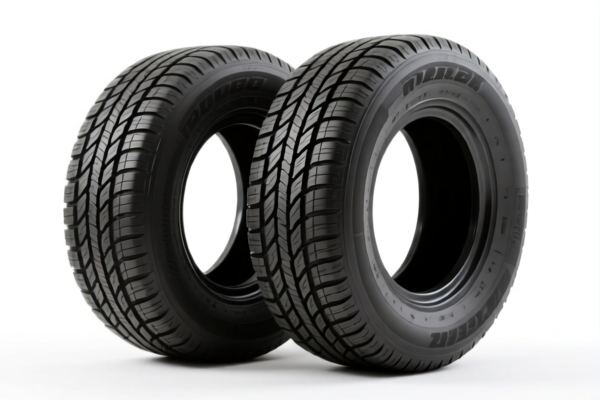
AI Analysis
🚛 Recapified Radial Tire (Retreaded Truck Tires)
🌐 HS Code Reference & Customs Clearance Guide | 2026 Latest Tariff Analysis | Professional-Level Strategy for U.S. Imports
📌 I. Product Definition & Classification: What is a "Recapified Radial Tire"?
A Recapified Radial Tire (often referred to as a Retreaded Tire) is not a brand-new rubber product. It is a used tire casing that has been buffed, repaired, and recapped with new tread rubber to restore its functionality. In international trade, these are classified distinctly from new radial tires due to their material status ("regenerated" or "repaired") and environmental implications.
⚠️ Key Distinction:
- New Radial Tires: Manufactured from raw rubber compounds; classified under4011.20.
- Recapified/Retreaded Tires: Made from existing casings + new tread; classified under4012.19(Regenerated rubber/retreaded).
- Material Note: Although they contain rubber, the "recapified" nature triggers specific regulatory scrutiny regarding Section 301 and Section 122 tariffs for Chinese origins.
📦 II. HS Code Classification Details (2026 Authoritative Mapping)
Based on the provided data, the correct HS Code for Recapified Radial Tires is:
| HS Code | Product Description | Application Scenario | Key Features |
|---|---|---|---|
4012.19.40.00 |
Industrial-grade Regenerated Rubber Radial Tires (Recapified/Retreaded) | Truck/Bus replacement tires, fleet maintenance | ✅ Regenerated Rubber; ✅ Radial Structure; ❌ Not New |
🔍 Critical Clarification:
- Do NOT confuse with4011.20.10: This code is for NEW radial tires for trucks/buses.
-4012.19.40.00explicitly covers "Regenerated rubber" (recapified). The summary states: "Industrial-grade regenerated rubber radial tire, radial corresponds to radial structure, regenerated rubber corresponds to rubber-manufactured refurbishment."
- Why this code? Because the tire has undergone a significant manufacturing process (buffing and recapping), it loses its status as a "new tire" and enters the "regenerated/retreaded" category.
💰 III. 2026 Tariff Rate Breakdown (Including Surtaxes & Policy Surcharges)
✅ Applicable Country: United States (US)
✅ Origin: China (CN) (Based on the tariff details provided in DATA)
✅ Effective Date: 2025/2026 (Current Trade Policy)
🎯 Target HS Code: 4012.19.40.00
| Item | Content |
|---|---|
| Base Tariff Rate | 4.0% (Ad Valorem) |
| Section 301 Surtax | +25.0% (Additional Duty) |
| Section 122 Tariff | +10.0% (Specific surcharge for certain rubber products) |
| Total Tax Rate | 39.0% |
| Tax Calculation | CIF Value × 39.0% |
| De Minimis Eligibility | ❌ Not Eligible (deny_de_minimis) |
| Legal Basis Path | USITC:4012.19.40.00 → FOOTNOTE:301 (25%) → FOOTNOTE:122 (10%) |
📌 Explanation:
- Base 4.0%: Standard MFN rate for retreaded tires.
- +25% (Section 301): The largest component. Retreaded tires from China are subject to the full 301 surcharge.
- +10% (Section 122): A specific surcharge applied to certain tire categories, adding to the burden.
- Total 39.0%: This is a high-duty classification. Importers must account for nearly 40% of the CIF value in duties alone.
🛠️ IV. Customs Clearance Practical Advice (Real-World Pitfall Guide)
✅ 1. Required Documentation Checklist (Non-Negotiable)
| Document | Mandatory? | Explanation |
|---|---|---|
| ✅ Product Specification Sheet | ✔️ | Must clearly state "Recapified" or "Retreaded" and Radial Construction. |
| ✅ Casemaking Process Description | ✔️ | Prove the tire is a retread (used casing + new tread), not a new tire mislabeled. |
| ✅ Commercial Invoice | ✔️ | Must explicitly mention "Regenerated Rubber" or "Retreaded". |
| ✅ Bill of Lading | ✔️ | Ensure HS Code 4012.19.40.00 is correctly listed. |
| ✅ Country of Origin Certificate | ✔️ | Crucial for determining 301/122 applicability. If from China, 39% applies. |
| ✅ Manufacturer’s Declaration | ✔️ | Confirm the tire is safe for road use and meets US safety standards. |
✅ 2. Declaration Strategy (Key Mnemonic)
🔥 "Retread Not New, Regenerated Rubber, 39% Duty, Clear the Hurdle!"
| Scenario | Correct Declaration | Wrong Action | Consequence |
|---|---|---|---|
| Recapified Radial Tire | 4012.19.40.00 |
Misdeclare as 4011.20.10.10 (New Tire) |
Severe Penalty + Back Duties (New tires have 39% too, but risk of anti-dumping or different surtaxes). |
| New Radial Tire | 4011.20.10.15 |
Misdeclare as Retreaded | Overpayment (if tax rates differ) or Customs Audit. |
| Solid/Non-Pneumatic Tire | 4012.90.90.00 |
Misdeclare as Radial | 37.7% Tax (Slightly lower, but incorrect classification). |
⚠️ Warning:
- Do NOT label as "New Tire" if it is recapified. Customs officers can easily identify retreads by visual inspection or tread depth markers.
- Ensure the HS Code is4012, not4011.4011is for new tires.4012is for used/regenerated tires.
✅ 3. Special Cases & Handling
| Situation | Handling Advice |
|---|---|
| Import from Non-China Origin | If from Vietnam/Mexico, check for USMCA or GSP benefits. The 25% Section 301 may not apply, reducing total tax significantly. |
| Mixed Containers | If mixing 4012.19.40.00 (Recapified) with 4011.20 (New), declare separately. Mixed shipments may trigger additional scrutiny. |
| Damaged Casings | If the casing is damaged beyond retreading, it may be classified as "Rubber Waste" (4004.00), which has different tariffs. |
| Industrial Use Only | If used for forklifts/industrial vehicles (not road-legal), verify if 4012.90.90.00 applies (37.7% tax). |
🌍 V. Global Market Comparison (2026 Latest)
| Country/Region | Recommended HS Code | Tariff Rate | Certification | Notes |
|---|---|---|---|---|
| 🇺🇸 USA | 4012.19.40.00 |
39.0% (China) | DOT, FMVSS 139 | High surtax due to 301 + 122. |
| 🇨🇳 China | 4012.19.40.00 |
~5-10% (Import) | CCC | Lower entry barrier for domestic retreading. |
| 🇪🇺 EU | 4012.19.40.00 |
0-4.5% | E-Mark | Retreads are common; lower tariffs. |
| 🇦🇺 Australia | 4012.19.40.00 |
5% | SR & SR | Moderate duties. |
| 🇮🇳 India | 4012.19.40.00 |
~10-15% | BIS | High protective duties on retreads. |
📌 Conclusion:
- The USA imposes the highest barrier for Chinese-made recapified tires due to the combination of 25% (301) + 10% (122) surtaxes.
- Strategic Advice: Consider sourcing retreaded tires from non-China origins (e.g., Mexico, Vietnam) to avoid the 301 tariff, potentially lowering the total duty to <10%.
📌 VI. Common Errors & Pitfalls (Lessons Learned)
❌ Error 1: Declaring a Recapified Tire as a New Tire (4011.20)
👉 Consequence: Customs may audit and impose penalties for misdeclaration. Even if the tax rate is similar (39%), the legal risk and delay are significant.
❌ Error 2: Ignoring the Section 122 Tariff
👉 Consequence: Many importers forget the 10% surtax, leading to unexpected costs at the port. Always calculate 4.0% + 25% + 10% = 39%.
❌ Error 3: Using "Tire" without specifying "Recapified" or "Retreaded"
👉 Consequence: Ambiguous description leads to customs holds for classification review. Always be explicit: "Recapified Radial Tire, Retreaded, HS 4012.19.40.00".
✅ Correct Practice:
"Recapified Radial Truck Tire, Regenerated Rubber Tread, Used Casing, Meets DOT Standards, HS 4012.19.40.00"
🎯 VII. Conclusion: Professional Declaration, Cost Control, Efficiency!
🎯 Remember the Mnemonic:
🔹 "Retread is Regenerated, HS 4012, 39% Total Duty, Don’t Forget 122!"
🔹 "New Tires are 4011, Retreads are 4012, Mix them up and you pay the price!"
📌 Pro Tip:
- If you are importing from China, the 39% duty is unavoidable for recapified tires.
- Consider Local Retreading: Importing used casings (if allowed) or raw rubber and retreading domestically may be cheaper than importing finished retreaded tires.
- Advance Ruling: Apply for a Binding Tariff Information (BTI) or Advance Ruling from CBP to confirm the classification before shipment.
📣 Immediate Action:
📞 Contact a Licensed Customs Broker + Provide Product Photos + Verify HS Code 4012.19.40.00
🚀 Ensure Smooth Clearance, Avoid Delays, and Manage Your 39% Duty Cost Effectively!
✨ Professional Customs Clearance Starts with Accurate Classification!
💼 Every Dollar of Duty Counts – Optimize Your Supply Chain Today!
Customer Reviews
About HS Code Classification
The Harmonized System (HS) is an internationally standardized nomenclature developed by the World Customs Organization (WCO) to classify traded products. Over 200 countries use the HS system as the basis for customs tariffs, trade statistics, and import/export regulations.
Each HS code follows a hierarchical structure:
- Chapter (2 digits) — Broad category of goods (e.g., Chapter 84: Machinery and Mechanical Appliances)
- Heading (4 digits) — More specific grouping within the chapter
- Subheading (6 digits) — Internationally standardized breakdown, used by all WCO member countries
- National subdivisions (8-10 digits) — Country-specific extensions for further classification, such as US HTSUS 10-digit codes
Correct HS code classification is essential for smooth customs clearance, accurate duty payment, and compliance with trade regulations. Misclassification can lead to customs delays, overpayment of duties, or penalties.
When importing from CN to US, the applicable tariff rates may include:
- Most-Favored-Nation (MFN) rate — The standard duty rate applied to WTO members
- General rate — Applied to countries without trade agreements
- Trade remedy duties — Additional tariffs such as Section 301 (anti-dumping), Section 232 (national security), or countervailing duties
The information provided on this page is for reference purposes only. For official classification, please consult with your local customs authority or a licensed customs broker.