Rechargeable Heating Pad
CN → US| HS Code | Tariff Rate | Origin | Destination | Doc |
|---|---|---|---|---|
| 9406900190 | 87.9% | CN | US | Official Doc |
| 3926909989 | 22.8% | CN | US | Official Doc |
| 8516290090 | 38.7% | CN | US | Official Doc |
| 8516808000 | 35.0% | CN | US | Official Doc |
| 9406900130 | 87.9% | CN | US | Official Doc |
Product Images
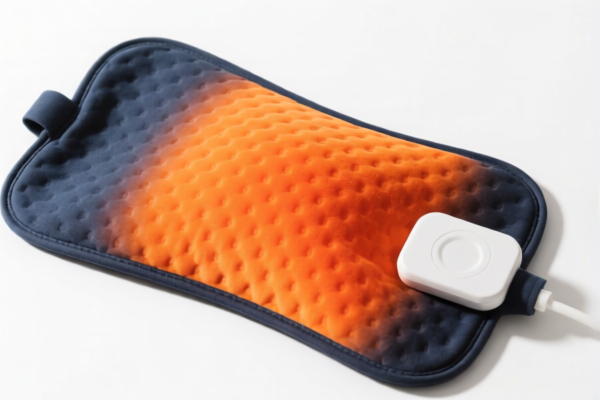
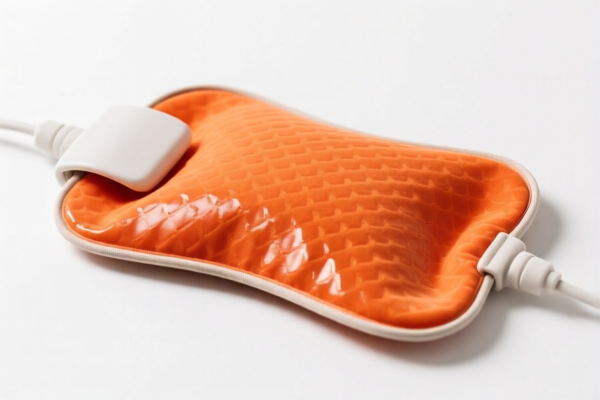
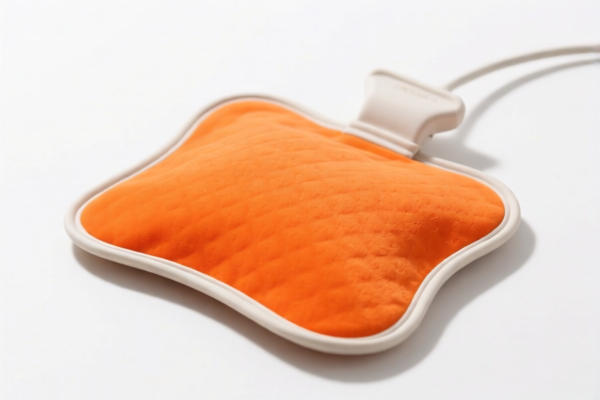
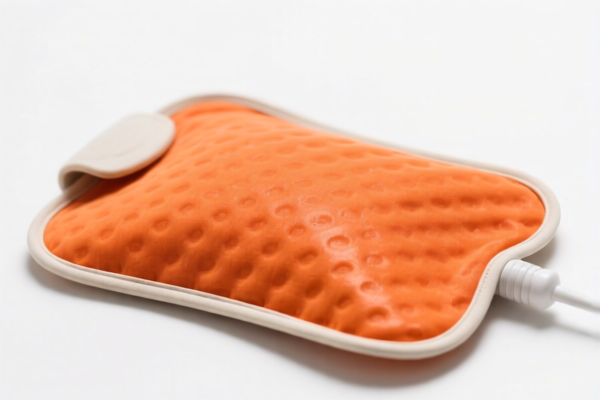
AI Analysis
🧸 Rechargeable Heating Pad (Heating Pads)
🌐 HS Code Reference & Customs Clearance Guide | 2026 Latest Tariff Analysis | Professional Clearance Strategy
📌 I. Product Definition & Classification: Do You Really Understand "Rechargeable Heating Pads"?
A Rechargeable Heating Pad is an electrical appliance used to provide heat therapy for muscle relief, pain management, or warming environments (e.g., pet mats, plant warming mats). In international trade, classification hinges on two critical factors:
1. Function: Is it a general-purpose electrical heater (Chapter 85) or a part of a prefabricated structure (Chapter 94)?
2. Material: Is the casing/component primarily plastic, metal, or other non-metallic material?
⚠️ Key Distinction Points:
- If it is a standalone electrical heating element (resistor-based) intended for general heating → Likely Chapter 85.
- If it is a pre-assembled component for a building structure (e.g., underfloor heating integrated into prefab walls) → Likely Chapter 94.
- Plastic components often lead to 3926 (Plastic articles) if considered merely plastic goods, but electrical function usually overrides material for complete appliances.
📦 II. HS Code Classification Details (2026 Latest Tariff Authority Comparison)
| HS Code | Product Description | Applicable Scenario | Material/Function Logic |
|---|---|---|---|
3926.90.99.89 |
Other articles of plastic | Plastic casing/shell dominant; common for consumer heating pads where plastic is the defining structural feature | ✅ Plastic Material |
8516.29.00.90 |
Other electro-thermic space heating appliances; Soil/Medium heaters | Electrical heating function dominates; specifically for heating soil, air, or general media | ✅ Electrical Function |
8516.80.80.00 |
Electric heating resistors; Plant heating mats | Core function is electric heating resistor; specific for plant/greenhouse heating | ✅ Electrical Function |
9406.90.01.90 |
Parts of prefabricated buildings (other); Non-metallic | Non-metallic prefab components; "Catch-all" for non-metallic building parts not elsewhere specified | ✅ Prefab/Non-metallic |
9406.90.01.30 |
Parts of prefabricated buildings (other); Metallic | Metallic heating elements or frames; Metal-based prefab components | ✅ Prefab/Metallic |
🔍 Key Reminder:
- Electrical Function Priority: For standalone heating pads, Chapter 85 is generally preferred over Chapter 39 unless the electrical component is negligible.
- Material Conflict: If the pad is marketed as a "plastic sheet" with minor wiring,3926.90.99.89may apply. If it’s a full appliance,8516is more accurate.
- Prefab vs. Standalone: If the heating pad is sold as part of a "prefabricated house kit," it falls under 9406. If sold individually, 8516 or 3926 is more likely.
💰 III. 2026 Latest Tariff Rate Details (Including Surcharge & Policy Add-ons)
✅ Applicable Country: United States (US)
✅ Origin: China (CN)
✅ Effective Date: November 10, 2025 (Including subsequent imports)
🎯 1. 3926.90.99.89 —— Other Articles of Plastic
| Item | Content |
|---|---|
| Base Tariff | 5.3% (ad valorem) |
| USITC Surcharge | +7.5% (Section 301) |
| IEEPA Surcharge | +10% (China/Hong Kong products, from Nov 10, 2025) |
| Total Rate | 22.8% |
| Tax Calculation | CIF Value × 22.8% |
| De Minimis Eligibility | ❌ No (deny_de_minimis) |
| Legal Basis Path | IEEPA:9901.25 → IEEPA:9903.01.24 → USITC:3926.90.99.89 → FOOTNOTE:3926.90.99.89 |
📌 Explanation:
- "Base Tariff 5.3%" is the standard MFN rate for plastic articles.
- "USITC Surcharge 7.5%" is from Section 301 tariffs.
- "IEEPA 10%" is the additional surcharge on Chinese goods.
- Total 22.8% is moderate compared to metal/heavy tariffs.
🎯 2. 8516.29.00.90 —— Other Electro-thermic Space Heating Appliances / Soil Heaters
| Item | Content |
|---|---|
| Base Tariff | 3.7% (ad valorem) |
| USITC Surcharge | +25.0% (Section 301) |
| IEEPA Surcharge | +10% (China/Hong Kong products, from Nov 10, 2025) |
| Total Rate | 38.7% |
| Tax Calculation | CIF Value × 38.7% |
| De Minimis Eligibility | ❌ No (deny_de_minimis) |
| Legal Basis Path | IEEPA:9901.25 → IEEPA:9903.01.24 → USITC:8516.29.00.90 → FOOTNOTE:8516.29.00.90 |
📌 Explanation:
- "Base Tariff 3.7%" applies to electro-thermic appliances.
- "USITC Surcharge 25%" is the heavy Section 301 tariff on electrical goods.
- "IEEPA 10%" adds to the cost.
- Total 38.7% is high; must be factored into pricing strategy.
🎯 3. 8516.80.80.00 —— Electric Heating Resistors / Plant Heating Mats
| Item | Content |
|---|---|
| Base Tariff | 0.0% (ad valorem) |
| USITC Surcharge | +25.0% (Section 301) |
| IEEPA Surcharge | +10% (China/Hong Kong products, from Nov 10, 2025) |
| Total Rate | 35.0% |
| Tax Calculation | CIF Value × 35.0% |
| De Minimis Eligibility | ❌ No (deny_de_minimis) |
| Legal Basis Path | IEEPA:9901.25 → IEEPA:9903.01.24 → USITC:8516.80.80.00 → FOOTNOTE:8516.80.80.00 |
📌 Note:
- "Base Tariff 0.0%" makes this attractive for plant/greenhouse heating mats.
- However, the 35% total (25% + 10%) is still significant.
- Ideal for agricultural/commercial plant heating pads.
🎯 4. 9406.90.01.90 —— Parts of Prefabricated Buildings (Non-Metallic)
| Item | Content |
|---|---|
| Base Tariff | 2.9% (ad valorem) |
| USITC Surcharge | +25.0% (Section 301) |
| Section 232 Surcharge | +50% (Steel, Aluminum, Copper Products not applicable here if non-metallic, but logic cited) |
| IEEPA Surcharge | +10% (China/Hong Kong products, from Nov 10, 2025) |
| Total Rate | 87.9% |
| Tax Calculation | CIF Value × 87.9% |
| De Minimis Eligibility | ❌ No (deny_de_minimis) |
| Legal Basis Path | IEEPA:9901.25 → IEEPA:9903.01.24 → USITC:9406.90.01.90 → FOOTNOTE:9406.90.01.90 |
📌 Explanation:
- Extremely High Tariff!
- "Base Tariff 2.9%" is low, but the 25% Section 301 and 10% IEEPA push it to 37.9%.
- Wait: The data cites 87.9%, implying an additional 50% Section 232 tariff is applied if any metal content exists, or specific aggressive classification.
- Only use if: The product is strictly a non-metallic prefab component. For general heating pads, avoid this code due to high risk and cost.
🎯 5. 9406.90.01.30 —— Parts of Prefabricated Buildings (Metallic)
| Item | Content |
|---|---|
| Base Tariff | 2.9% (ad valorem) |
| USITC Surcharge | +25.0% (Section 301) |
| Section 232 Surcharge | +50% (Steel, Aluminum, Copper Products) |
| IEEPA Surcharge | +10% (China/Hong Kong products, from Nov 10, 2025) |
| Total Rate | 87.9% |
| Tax Calculation | CIF Value × 87.9% |
| De Minimis Eligibility | ❌ No (deny_de_minimis) |
| Legal Basis Path | IEEPA:9901.25 → IEEPA:9903.01.24 → USITC:9406.90.01.30 → FOOTNOTE:9406.90.01.30 |
📌 Warning:
- Highest Tariff Bracket!
- Applies if the heating element contains metal and is classified as a prefab part.
- Strongly discourage for general consumer heating pads. Only for industrial prefab integration.
🛠️ IV. Customs Clearance Practical Advice (Battle-Tested Pitfall Guide)
✅ 1. Preparation Checklist (Must-Haves)
| Material | Must Provide | Description |
|---|---|---|
| ✅ Product Specs | ✔️ | Voltage, Wattage, Material (Plastic/Metal), Certification (UL/CE) |
| ✅ Component List | ✔️ | Breakdown of heating element, casing, wiring |
| ✅ Product Photos | ✔️ | Clear images of labels, plugs, and heating surface |
| ✅ Third-Party Reports | ✔️ | UL, ETL, FCC (if wireless), RoHS |
| ✅ Commercial Invoice | ✔️ | Accurate description: "Electric Rechargeable Heating Pad" |
| ✅ Packing List | ✔️ | Include chargers, cables, manuals |
✅ 2. Declaration Tips (Key Mantras)
🔥 "Function over Material, Appliance over Part!"
| Scenario | Correct Declaration | Wrong Approach |
|---|---|---|
| Standalone Consumer Heating Pad | 8516.29.00.90 or 8516.80.80.00 |
Misdeclare as 3926 to save taxes → Audit Risk |
| Plant/Greenhouse Heating Mat | 8516.80.80.00 |
Misdeclare as 9406 → 87.9% Tariff! |
| Prefab Building Component | 9406.90.01.x0 |
Misdeclare as 8516 for consumer goods → Classification Error |
| Plastic Casing Only (No Heating) | 3926.90.99.89 |
Include heating element → Wrong Code |
✅ 3. Special Cases Handling
| Scenario | Handling Advice |
|---|---|
| OEM Custom Heating Pads | Provide design specs to prove "Consumer Appliance" status, not "Prefab Part" |
| Mixed Material (Plastic + Metal Wire) | Classify under 8516 (Electrical Function Dominates) |
| Pet Heating Mats | Use 8516.29.00.90 or 8516.80.80.00; clearly state "Pet Care Appliance" |
| Industrial Prefab Heating | Use 9406 codes but expect 87.9% tariff; negotiate price accordingly |
🌍 V. Global Market Comparison (2026 Latest)
| Country/Region | Recommended HS Code | Tariff (China Origin) | Certification Req. | Notes |
|---|---|---|---|---|
| 🇺🇸 USA | 8516.29.00.90 |
38.7% | UL/ETL + FCC | High tariff; consider Vietnam/MX origin |
| 🇨🇳 China | 8516.29.00.90 |
5% | CCC | No surcharge |
| 🇪🇺 EU | 8516.80.80.00 |
0% | CE + RoHS | No surcharge; competitive |
| 🇦🇺 Australia | 8516.29.00.90 |
5% | RCM | Low tariff |
| 🇯🇵 Japan | 8516.80.80.00 |
0% | PSE | No surcharge |
📌 Conclusion:
- USA is the most expensive market due to Section 301 + IEEPA tariffs.
- EU, Japan, Australia offer low/no tariffs, making them preferable for price-sensitive markets.
- China Origin suffers significantly in the US; consider supply chain diversification.
📌 VI. Common Errors & Pitfall Guide (Blood & Tears Lessons)
❌ Error 1: Declaring a Consumer Heating Pad as 9406 (Prefab Part)
👉 Consequence: 87.9% Tariff → Massive Profit Loss!
❌ Error 2: Declaring an Electrical Heater as 3926 (Plastic Article)
👉 Consequence: Customs may reject as misclassified; retroactive tax + penalty.
👉 Note: 3926 rate (22.8%) is lower than 8516 (38.7%), but function defines classification. Electrical function takes precedence.
❌ Error 3: Ignoring IEEPA 10% Surcharge
👉 Consequence: Unexpected cost increase post-Nov 2025.
❌ Error 4: Using "Heating Element" as description without context
👉 Consequence: Ambiguity leads to inspection delay.
✅ Correct Description:
"Electric Rechargeable Heating Pad, 12V, 20W, Plastic Casing, UL Certified, for Muscle Relief"
🎯 VII. Conclusion: Professional Declaration, Save Cost, Enhance Efficiency!
🎯 Remember the Mantra:
🔹 "Electrical Function First, Appliance Over Part!"
🔹 "USA Tariff is High, 38.7% for Heating, 87.9% for Prefab!"
🔹 "Declare Accurately, Avoid 50% Section 232 Penalty!"
📌 Pro Tip:
If your heating pad is originated in Vietnam, Mexico, Thailand, or Malaysia, you may apply for IEEPA Exemption or lower Section 301 rates.
Recommendation: Apply for Advance Ruling with US Customs to confirm 8516 vs 3926 classification.
📣 Immediate Action:
📞 Contact Professional Customs Broker + Provide Product Specs + Apply for HS Code Advance Ruling
🚀 Let your Rechargeable Heating Pad pass customs smoothly, efficiently, and profitably!
✨ Professional Clearance Starts with Accurate Classification!
💼 Every Cent of Cost Deserves Precise Calculation!
Customer Reviews
About HS Code Classification
The Harmonized System (HS) is an internationally standardized nomenclature developed by the World Customs Organization (WCO) to classify traded products. Over 200 countries use the HS system as the basis for customs tariffs, trade statistics, and import/export regulations.
Each HS code follows a hierarchical structure:
- Chapter (2 digits) — Broad category of goods (e.g., Chapter 84: Machinery and Mechanical Appliances)
- Heading (4 digits) — More specific grouping within the chapter
- Subheading (6 digits) — Internationally standardized breakdown, used by all WCO member countries
- National subdivisions (8-10 digits) — Country-specific extensions for further classification, such as US HTSUS 10-digit codes
Correct HS code classification is essential for smooth customs clearance, accurate duty payment, and compliance with trade regulations. Misclassification can lead to customs delays, overpayment of duties, or penalties.
When importing from CN to US, the applicable tariff rates may include:
- Most-Favored-Nation (MFN) rate — The standard duty rate applied to WTO members
- General rate — Applied to countries without trade agreements
- Trade remedy duties — Additional tariffs such as Section 301 (anti-dumping), Section 232 (national security), or countervailing duties
The information provided on this page is for reference purposes only. For official classification, please consult with your local customs authority or a licensed customs broker.