Recovered uncolored bleached chemical pulp paperboard
CN → US| HS Code | Tariff Rate | Origin | Destination | Doc |
|---|---|---|---|---|
| 4706200000 | 35.0% | CN | US | Official Doc |
| 4707200040 | 35.0% | CN | US | Official Doc |
| 4707200020 | 35.0% | CN | US | Official Doc |
| 4706920100 | 35.0% | CN | US | Official Doc |
| 4707100000 | 35.0% | CN | US | Official Doc |
Product Images
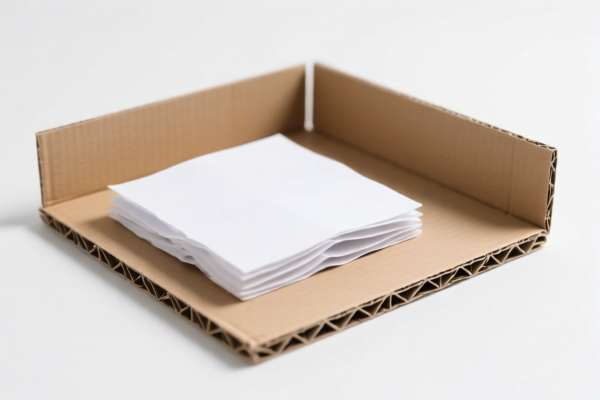
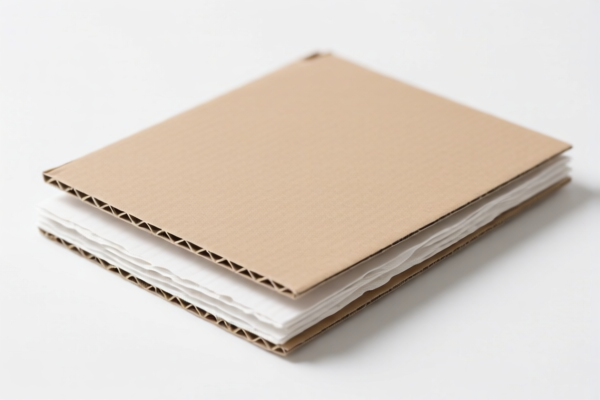
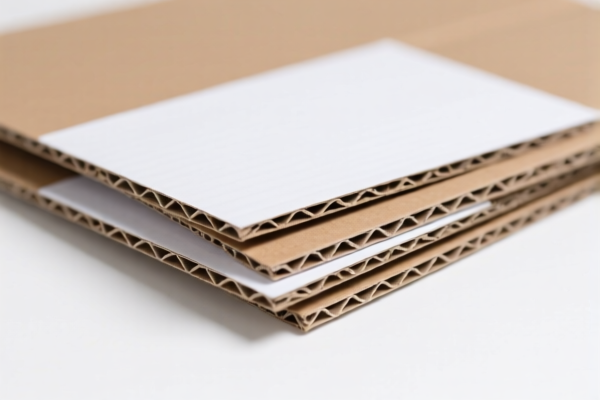
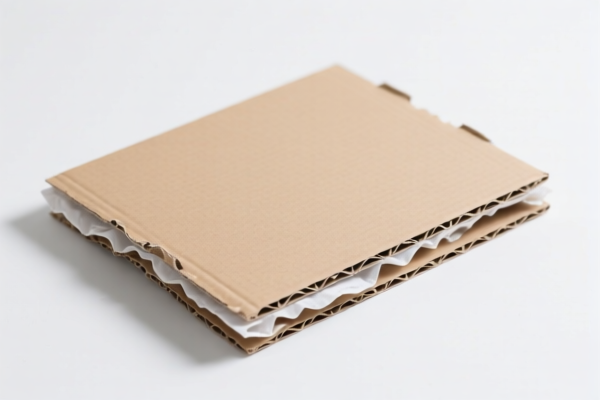
AI Analysis
📄 Recovered Uncolored Bleached Chemical Pulp Paperboard (Waste Paper)
🌐 HS Code Reference & Customs Clearance Guide | 2026 Latest Tariff Analysis | Professional Compliance Strategy
📌 I. Product Definition & Classification: What Exactly Is This?
"Recovered uncolored bleached chemical pulp paperboard" refers to waste paper or paperboard that meets specific material criteria. In international trade, the distinction between "virgin pulp" and "recovered waste" is critical for customs valuation and tariff application.
Key Definition Points: - Recovered: It is recycled waste, not virgin material. - Uncolored: It has not been dyed or printed with colored inks. - Bleached Chemical Pulp: The original base material was made from chemical pulp that underwent bleaching (typically white or off-white), distinct from mechanical pulp (newsprint) or unbleached kraft.
⚠️ Critical Distinction:
- If the paper is virgin (newly produced), it falls under Chapter 47 headings like4706.
- If the paper is waste/recovered (used, recycled, or waste), it falls under Chapter 47 headings like4707.
- Misclassification Risk: Importing waste paper as virgin pulp can lead to severe penalties, refusal of entry, or retroactive tariff adjustments.
📦 II. HS Code Classification Details (2026 Latest Tariff Authority)
Based on the provided data, the correct classification depends on whether the item is defined by its state (waste) or its composition (pulp). The following codes are matched to the product description "Recovered uncolored bleached chemical pulp paperboard."
| HS Code | Product Description Summary | Applicable Scenario | Status |
|---|---|---|---|
4707.20.00.40 |
Matches the definition of waste paper and paperboard made mainly from bleached chemical pulp. | Used office paper, white office waste, bleached cardboard waste. | ✅ Primary Match (Waste/Recovered) |
4707.20.00.20 |
Matches waste and scrap paper/board mainly consisting of bleached chemical pulp. | Bulk waste bales, industrial paper waste, unsorted white paper waste. | ✅ Primary Match (Waste/Recovered) |
4706.20.00.00 |
Matches the material and form requirements for bleached chemical pulp waste and paperboard. | Often used for specific types of bleached pulp waste or partially processed pulp waste. | ⚠️ Secondary Match (Check Pulp vs. Paper Status) |
4706.92.01.00 |
Matches material and form requirements for chemical pulp combined with recycled waste paper/board. | Mixed pulp/waste blends, specific industrial by-products. | ⚠️ Conditional Match |
4707.90.00.00 |
Matches paper and paperboard material in a recovered state, fitting the definition of other waste paper. | Other types of waste paper not specifically listed under 4707.20. |
⚠️ Fallback Category |
🔍 Key Insight:
- The prefix4707explicitly denotes "Waste and scrap of paper or paperboard." This is the most accurate classification for "Recovered" products.
- The prefixes4706denote "Paper pulp, waste and scrap." Use these if the product is in pulp form rather than sheet/board form, or if specific pulp waste definitions apply.
- "Uncolored Bleached" typically points to higher-grade waste, often falling under4707.20(Bleached Chemical Pulp Waste).
💰 III. 2026 Latest Tariff Rate Breakdown (Including Surcharges & Policy Add-ons)
✅ Applicable Country: United States (US)
✅ Origin: China (CN) (Implied by "122 Clause" and "Section 301" context in data)
✅ Effective Date: Ongoing (See specific clauses below)
All listed HS codes in the carry the same total tax rate.
🎯 1. General Rate for All Listed Codes (4706.20.00.00, 4707.20.00.40, etc.)
| Item | Content |
|---|---|
| Base Tariff | 0.0% (Most Favored Nation rate is typically 0% for paper waste) |
| Additional Tariff (Section 301) | +25.0% |
| 122 Clause Tariff | +10.0% |
| Total Effective Rate | 35.0% |
| Tax Calculation | CIF Value × 35% |
| De Minimis Exemption | ❌ Not Applicable (High-value waste paper usually exceeds de minimis thresholds or is restricted) |
| Legal Basis Path | USITC:4707.20.00.40 → Section 301: Footnote 9903.88.01 → Trade Act: Section 122 |
📌 Explanation:
- "Base 0%": The standard import duty for waste paper is often zero to encourage recycling.
- "Section 301 25%": This is the retaliatory tariff imposed by the US on Chinese goods.
- "122 Clause 10%": This refers to specific trade remedy duties or additional levies often applied to Chinese imports under certain trade acts.
- Total 35%: This is a significant cost factor. Importers must account for this 35% levy on top of shipping and insurance costs.
🛠️ IV. Customs Clearance Practical Advice (Pitfall Avoidance Guide)
✅ 1. Required Documentation Checklist
| Document | Mandatory | Explanation |
|---|---|---|
| ✅ Product Description | ✔️ | Must explicitly state "Recovered," "Waste Paper," "Bleached Chemical Pulp." |
| ✅ HS Code Declaration | ✔️ | Declare the specific 10-digit code (e.g., 4707.20.00.40). |
| ✅ Commercial Invoice | ✔️ | Clearly list CIF value. Misstatement of value leads to penalties. |
| ✅ Packing List | ✔️ | Detail weight, bundle count, and material type. |
| ✅ Certificate of Origin | ✔️ | Essential for proving Chinese origin (triggers the 35% tax). |
| ✅ Environmental Compliance Docs | ✔️ | Waste paper imports often require EPA or environmental agency compliance checks. |
✅ 2. Declaration Tips (Key Mantras)
🔥 "Accurate Material, Clear Status, No Ambiguity!"
| Situation | Correct Declaration | Error to Avoid |
|---|---|---|
| White Office Waste | 4707.20.00.40 |
Calling it "Virgin Paper" → 0% Tax but illegal fraud |
| Mixed Waste Paper | 4707.90.00.00 |
Calling it "Bleached Pulp" → Misclassification |
| Pulp Waste (Not Board) | 4706.20.00.00 |
Calling it "Paperboard" → Wrong heading |
| Bales with Plastics/Metals | 4707.xxxx (Note contamination) |
Failing to disclose contaminants → Rejection |
✅ 3. Special Handling
| Situation | Handling Advice |
|---|---|
| High Contamination | If waste paper contains >2% non-paper materials, it may be classified as refuse, not paper waste. |
| Bale Compression | Ensure bales are securely tied and labeled to prevent inspection delays. |
| Origin Fraud | Do not attempt to re-label Chinese waste paper as from Vietnam/Malaysia to avoid 35% tax. Customs tracks bale labels and fiber analysis. |
| Environmental Regulations | Some US states have stricter rules on paper waste imports. Check state-level EPA guidelines. |
🌍 V. Global Market Comparison (2026 Latest)
| Country/Region | Recommended HS Code | Tariff Rate | Notes |
|---|---|---|---|
| 🇺🇸 USA | 4707.20.00.40 |
35.0% | High due to Section 301 + 122 Clause |
| 🇨🇳 China | 4707.20.00.40 |
0% - 5% | Generally low/no duty on recycled paper |
| 🇪🇺 EU | 4707.20.00.00 |
0% | Strict hygiene standards; may require extra certs |
| 🇻🇳 Vietnam | 4707.20.00.00 |
Varies | May serve as transshipment hub, but risky for fraud |
📌 Conclusion:
- The US market imposes a 35% total duty on this product.
- Cost Impact: This significantly reduces profit margins. Importers should calculate landed cost carefully.
- Compliance: Ensure the product is truly "Recovered" and "Bleached Chemical Pulp" to match4707.20.
📌 VI. Common Mistakes & Pitfalls (Lessons Learned)
❌ Mistake 1: Classifying "Recovered Waste" as "Virgin Pulp" (4706) to avoid Section 301 duties.
👉 Consequence: Customs may perform fiber analysis, detect recycled content, impose penalties, and seize goods.
❌ Mistake 2: Using generic descriptions like "Paper" without specifying "Recovered" or "Bleached."
👉 Consequence: Customs may assign the wrong HS code, leading to delays and potential misclassification fines.
❌ Mistake 3: Ignoring the "122 Clause" surcharge.
👉 Consequence: Underpaying duties by 10% per shipment. This is not optional.
❌ Mistake 4: Assuming "Uncolored" means "White Printed Paper."
👉 Consequence: If it has colored ink, it may not qualify for 4707.20 (Bleached Chemical Pulp) and may fall under 4707.90 (Other Waste Paper), which could have different scrutiny levels.
✅ Correct Approach:
"Recovered Waste Paper, Uncolored, Made from Bleached Chemical Pulp, Baled, for Recycling"
🎯 VII. Conclusion: Professional Declaration, Cost Control, Compliance!
🎯 Remember:
🔹 "Recovered means 35% Tax in the US!"
🔹 "HS Code 4707 vs 4706: Know your state (Waste vs. Pulp)!"
🔹 "122 Clause adds 10%, Section 301 adds 25%!"
📌 Tips:
- If your waste paper is not from China, you may avoid the 35% tariff (check Free Trade Agreements).
- Consider pre-clearance rulings from US CBP to confirm the HS code for large shipments.
- Quality Control: Ensure no contamination (plastics, food residue) to avoid EPA rejections.
📣 Immediate Action:
📞 Consult a licensed customs broker + Provide sample bales + Verify Origin
🚀 Let your recycled paper pass smoothly, stay compliant, and maximize ROI!
✨ Professional Customs Clearance Starts with Accurate Classification!
💼 Every dollar of tariff saved is pure profit!
Customer Reviews
About HS Code Classification
The Harmonized System (HS) is an internationally standardized nomenclature developed by the World Customs Organization (WCO) to classify traded products. Over 200 countries use the HS system as the basis for customs tariffs, trade statistics, and import/export regulations.
Each HS code follows a hierarchical structure:
- Chapter (2 digits) — Broad category of goods (e.g., Chapter 84: Machinery and Mechanical Appliances)
- Heading (4 digits) — More specific grouping within the chapter
- Subheading (6 digits) — Internationally standardized breakdown, used by all WCO member countries
- National subdivisions (8-10 digits) — Country-specific extensions for further classification, such as US HTSUS 10-digit codes
Correct HS code classification is essential for smooth customs clearance, accurate duty payment, and compliance with trade regulations. Misclassification can lead to customs delays, overpayment of duties, or penalties.
When importing from CN to US, the applicable tariff rates may include:
- Most-Favored-Nation (MFN) rate — The standard duty rate applied to WTO members
- General rate — Applied to countries without trade agreements
- Trade remedy duties — Additional tariffs such as Section 301 (anti-dumping), Section 232 (national security), or countervailing duties
The information provided on this page is for reference purposes only. For official classification, please consult with your local customs authority or a licensed customs broker.