Recycled Rubber Radial Tires
CN → US| HS Code | Tariff Rate | Origin | Destination | Doc |
|---|---|---|---|---|
| 4012194000 | 39.0% | CN | US | Official Doc |
| 4016996010 | 37.5% | CN | US | Official Doc |
| 4012909000 | 37.7% | CN | US | Official Doc |
| 4012118000 | 38.4% | CN | US | Official Doc |
| 4012124035 | 39.0% | CN | US | Official Doc |
Product Images
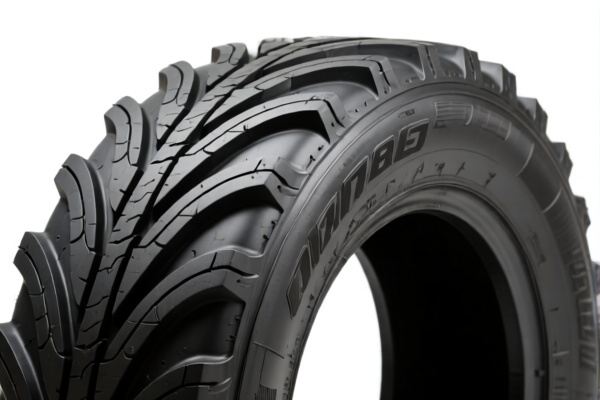
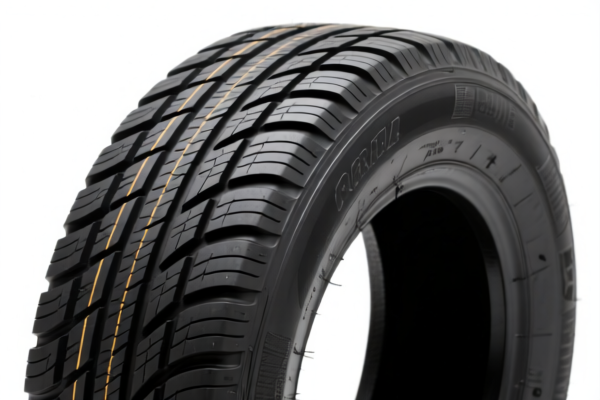
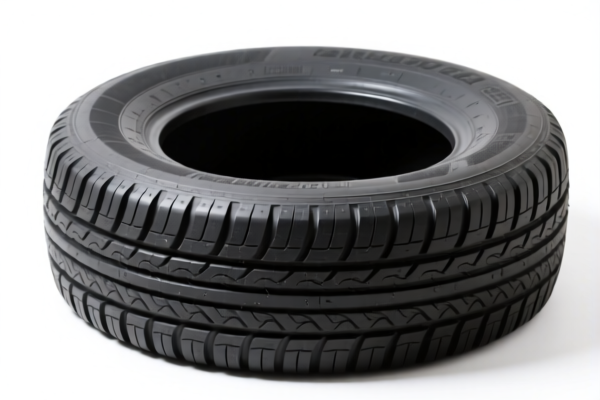
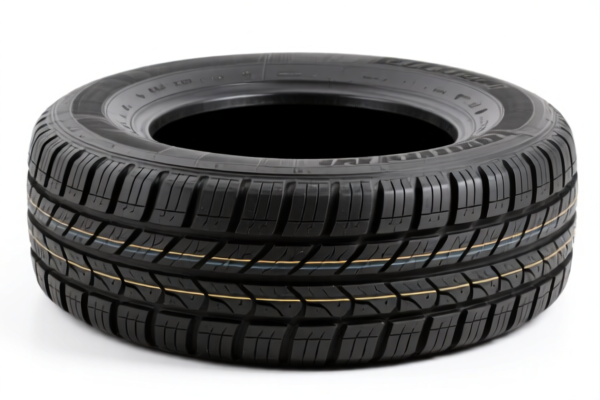
AI Analysis
🛞 Recycled Rubber Radial Tires: HS Code Classification & US Customs Clearance Guide (2026)
🌐 HS Code Reference & Customs Clearance Strategy | Latest Tariff Analysis | Professional Import Strategy
📌 I. Product Definition & Classification: What Exactly Are "Recycled Rubber Radial Tires"?
In international trade, Recycled Rubber Radial Tires are a specific category of used or reconstituted pneumatic tires intended for vehicles. They are distinct from new tires due to their material source (post-consumer recycled rubber) and structural composition (radial ply).
For US Customs (CBP), the classification hinges on three key factors: 1. Material: Rubber (specifically recycled/reconstituted). 2. Structure: Radial tire (indicated by the term "Radial"). 3. Condition/Type: Whether it is a new tire made with recycled material, a used tire, or a recapped/refurbished tire.
⚠️ Key Distinction:
- If the tire is new but made with recycled rubber compounds → It is still classified as a new tire under Chapter 40 heading 4012 (if specific criteria are met) or 4011/4012 depending on exact construction.
- If the tire is used/retreaded → It falls strictly under Heading 4012 ("Used pneumatic tires").
- The provided<DATA>suggests classifications for products that blend "Recycled Rubber" characteristics with "Radial Tire" forms, often leaning towards Heading 4012 (Used/Recycled) or Heading 4016/4011 depending on the specific "recycled" definition (e.g., crumb rubber制品 vs. whole tire).
📦 II. HS Code Classification Details (Based on Provided Data)
The following HS Codes are derived directly from the provided <DATA> JSON. Note that these codes reflect specific interpretations of "Recycled Rubber" products that may not be standard "whole radial tires" but rather rubber products related to tire manufacturing or specific recycled tire forms.
| HS Code | Summary Description | Tax Rate | Tax Breakdown |
|---|---|---|---|
4012.19.40.00 |
Industrial Recycled Rubber Radial Tires: Matches characteristics of recycled rubber and radial tires. | 39.0% | Base: 4.0% Section 301: 25.0% Section 122: 10% |
4016.99.60.10 |
Recycled Rubber Vulcanized Rubber Products: Fits tire morphology and auto parts usage. | 37.5% | Base: 2.5% Section 301: 25.0% Section 122: 10% |
4012.90.90.00 |
Recycled Rubber Tires: Fits the category of rubber articles and tread/shoulder related scopes. | 37.7% | Base: 2.7% Section 301: 25.0% Section 122: 10% |
4012.11.80.00 |
Rubber Tires: Fits rubber material and tire morphology, applicable to other sub-headings as a catch-all. | 38.4% | Base: 3.4% Section 301: 25.0% Section 122: 10% |
4012.12.40.35 |
Rubber Tires: Matches rubber material and tire morphology, applicable to other sub-heading rules. | 39.0% | Base: 4.0% Section 301: 25.0% Section 122: 10% |
🔍 Critical Insight:
- All listed codes include Section 301 (25%) and Section 122 (10%) tariffs, indicating these goods are likely originating from China and subject to additional trade remedies.
-4012is the standard heading for Used Pneumatic Tires. If your product is new tires made with recycled rubber, using a4012code might trigger scrutiny unless specifically justified as "recycled rubber articles" rather than functional tires.
-4016.99.60.10classifies these as "Other articles of vulcanized rubber", suggesting they might be classified as components or crumb rubber products rather than finished tires.
💰 III. 2026 Latest Tariff Rate Breakdown (With Additional Taxes)
✅ Applicable Country: United States (US)
✅ Origin: China (CN) (Inferred from Section 301 & 122 application)
✅ Effective Date: Current as of 2026 Tariff Schedule
🎯 1. 4012.19.40.00 & 4012.12.40.35 — High-Risk Classifications for "Recycled Radial Tires"
| Item | Content |
|---|---|
| Base Duty | 4.0% (Ad Valorem) |
| Section 301 Duty | +25.0% (From USITC Footnote 9903.88.01/301 List 4B) |
| Section 122 Duty | +10.0% (From IEEPA/Trade Act provisions) |
| Total Rate | 39.0% |
| Tax Calculation | CIF Value × 39.0% |
| De Minimis Exemption | ❌ Not Eligible (Deny de_minimis) |
| Legal Path | USITC:4012.19.40.00 → SECTION301:9903.88.01 → IEEPA:9903.01.25 |
📌 Explanation:
- The 25% Section 301 tariff applies to most rubber goods from China.
- The 10% Section 122 tariff is an additional levy on certain goods, often linked to national security or trade imbalance measures.
- Total 39% is a significant cost driver. Misclassification could lead to penalties or underpayment of duties.
🎯 2. 4016.99.60.10 — "Other Vulcanized Rubber Articles"
| Item | Content |
|---|---|
| Base Duty | 2.5% |
| Section 301 Duty | +25.0% |
| Section 122 Duty | +10.0% |
| Total Rate | 37.5% |
| Tax Calculation | CIF Value × 37.5% |
| De Minimis Exemption | ❌ Not Eligible |
| Legal Path | USITC:4016.99.60.10 → SECTION301:9903.88.01 |
📌 Note:
- This code is used when the product is considered a rubber component or recycled rubber product rather than a functional tire.
- If your product is a whole tire, using4016might be challenged by CBP as incorrect classification under Heading 4012.
🛠️ IV. Customs Clearance Practical Advice (Avoid Pitfalls)
✅ 1. Required Documentation Checklist (Mandatory)
| Document | Mandatory? | Description |
|---|---|---|
| ✅ Product Specification Sheet | ✔️ | Must detail: Material composition (recycled %), radial structure, size, load index. |
| ✅ Certificate of Origin (CO) | ✔️ | Essential for determining Section 301 applicability. |
| ✅ Commercial Invoice | ✔️ | Must clearly state: "Recycled Rubber Radial Tire" or "Vulcanized Rubber Article". |
| ✅ Packing List | ✔️ | Detailed weight and dimensions for accurate valuation. |
| ✅ Third-Party Test Report | ✔️ | Proof of recycled content or material safety (RoHS/REACH if applicable). |
| ✅ Manufacturer’s Declaration | ✔️ | Confirming whether the product is new (with recycled material) or used/recapped. |
⚠️ Crucial Point:
- If the product is used tires, it cannot be imported for road use in the US under most circumstances. It may only be imported for recycling/crumbing. Ensure your HS Code (4012.90or4016.99) reflects this end-use.
- If the product is new tires made with recycled rubber, ensure it meets DOT (Department of Transportation) safety standards. Misclassifying a new tire as a "recycled product" can lead to serious legal issues.
✅ 2. Declaration Tips (Key Mantra)
🔥 "Material Matters: New vs. Used, Whole vs. Part!"
| Scenario | Correct Declaration | Wrong Action |
|---|---|---|
| New Tire with Recycled Compound | Classify as New Tire (e.g., 4011.19 or 4012.19 if specifically allowed) |
Declare as 4016 (Other Rubber Goods) → Risk of reclassification + penalties |
| Used/Recapped Tire for Recycling | 4012.90.90.00 or 4012.19.40.00 |
Declare as 4011 (New Tire) → Banned Import for road use |
| Crumb Rubber/Recycled Parts | 4016.99.60.10 |
Declare as 4012 (Tire) → Overpayment of duties + confusion |
| Whole Tire (Any Condition) | 4012 Heading |
Declare as 4016 (Other Rubber) → CBP may audit for misclassification |
✅ 3. Special Case Handling
| Situation | Handling Advice |
|---|---|
| OEM Custom Recycled Tires | Provide design specs + material safety data sheet (MSDS) to prove recycled content. |
| Used Tires for Grinding | Clearly mark as "For Recycling Only" on invoice. Do not imply roadworthiness. |
| Mixed Container (New & Recycled) | Separate declarations required. Mixed shipments may delay clearance. |
| Origin Masking (Via Third Country) | High Risk! CBP closely monitors rubber goods from China transshipped via Vietnam/Mexico. Ensure proper transformation rules. |
🌍 V. Global Market Comparison (2026)
| Country/Region | Recommended HS Code | Tariff (China Origin) | Certification | Notes |
|---|---|---|---|---|
| 🇺🇸 USA | 4012.19.40.00 / 4016.99.60.10 |
37.5% – 39.0% | DOT, EPA | High tariffs due to Section 301 & 122. Strict on used tire imports. |
| 🇨🇳 China | 4012.19.40.00 |
5% – 10% | CCC | Lower base tariffs. No Section 301. |
| 🇪🇺 EU | 4012.90.00 |
0% – 4.5% | ECE R108/R117 | No Section 301. Strict on recycled content labeling. |
| 🇲🇽 Mexico | 4012.19.40.00 |
0% (If USMCA qualified) | NOM | Only if substantial transformation occurs in Mexico. |
| 🇯🇵 Japan | 4012.19.40.00 |
0% – 3% | JIS | No Section 301. Focus on environmental standards. |
📌 Conclusion:
- USA is the most expensive market for recycled rubber tires from China due to 39% total tariff.
- Consider supply chain diversification (e.g., sourcing from Thailand, Indonesia, or Vietnam) to avoid Section 301 tariffs.
- Ensure DOT compliance for any new tires, regardless of recycled content.
📌 VI. Common Mistakes & Pitfalls (Blood Lessons)
❌ Mistake 1: Importing Used Tires for road use
👉 Consequence: Banned by EPA/CBP. Goods seized, destroyed, or returned.
👉 Solution: Clearly declare as "For Recycling" and use 4012.90 or 4016.99.
❌ Mistake 2: Misclassifying New Tires as "Recycled Rubber Products" (4016)
👉 Consequence: CBP reclassifies to 4011/4012 (New Tire), leading to back taxes + penalties.
👉 Solution: Accurately describe as "New Radial Tire with Recycled Compound".
❌ Mistake 3: Ignoring Section 122 tariffs
👉 Consequence: Underpayment of 10% additional duty.
👉 Solution: Always verify current trade remedy lists for HS Code 4012/4016.
✅ Correct Approach:
"New Radial Tire, 295/75R22.5, 50% Recycled Rubber Content, DOT Certified, Model XYZ, For Road Use"
🎯 VII. Conclusion: Precise Classification Saves Money
🎯 Remember:
🔹 "Used = Recycle/Grind, New = DOT Safety, Recycled Content ≠ Used Product."
🔹 "HS Code determines Tariff, Misclassification Costs 39%!"
🔹 "Section 301 + 122 = High Cost, Check Origin Carefully!"
📌 Pro Tip:
If your recycled rubber tires are originally from China, consider:
1. Advance Ruling: Apply for a CBP Advance Ruling to confirm classification.
2. Supply Chain Shift: Source from non-China countries to avoid 35%+ tariffs.
3. Duty Drawback: If used tires are imported for recycling and then re-exported, you may claim duty drawbacks.
📣 Immediate Action:
📞 Contact a Licensed Customs Broker
📦 Provide Product Samples & MSDS
🚀 Ensure Compliance, Avoid Seizure, Maximize Profit!
✨ Professional Clearance Starts with Accurate Classification!
💼 Every Dollar Saved is a Dollar Earned!
Customer Reviews
About HS Code Classification
The Harmonized System (HS) is an internationally standardized nomenclature developed by the World Customs Organization (WCO) to classify traded products. Over 200 countries use the HS system as the basis for customs tariffs, trade statistics, and import/export regulations.
Each HS code follows a hierarchical structure:
- Chapter (2 digits) — Broad category of goods (e.g., Chapter 84: Machinery and Mechanical Appliances)
- Heading (4 digits) — More specific grouping within the chapter
- Subheading (6 digits) — Internationally standardized breakdown, used by all WCO member countries
- National subdivisions (8-10 digits) — Country-specific extensions for further classification, such as US HTSUS 10-digit codes
Correct HS code classification is essential for smooth customs clearance, accurate duty payment, and compliance with trade regulations. Misclassification can lead to customs delays, overpayment of duties, or penalties.
When importing from CN to US, the applicable tariff rates may include:
- Most-Favored-Nation (MFN) rate — The standard duty rate applied to WTO members
- General rate — Applied to countries without trade agreements
- Trade remedy duties — Additional tariffs such as Section 301 (anti-dumping), Section 232 (national security), or countervailing duties
The information provided on this page is for reference purposes only. For official classification, please consult with your local customs authority or a licensed customs broker.