Red Cedar Wood with Bark
CN → US| HS Code | Tariff Rate | Origin | Destination | Doc |
|---|---|---|---|---|
| 4401120000 | 35.0% | CN | US | Official Doc |
| 4401110000 | 35.0% | CN | US | Official Doc |
| 4403210130 | 35.0% | CN | US | Official Doc |
| 4403220165 | 35.0% | CN | US | Official Doc |
Product Images
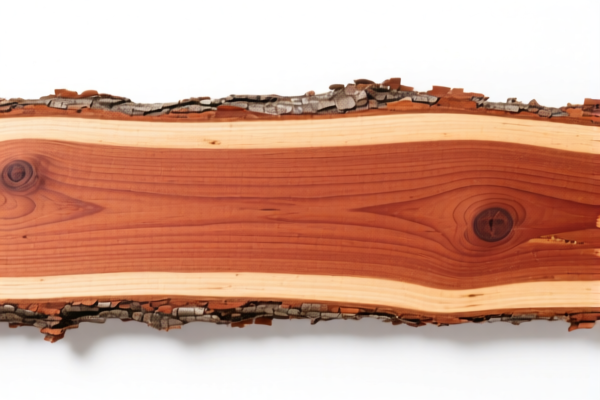
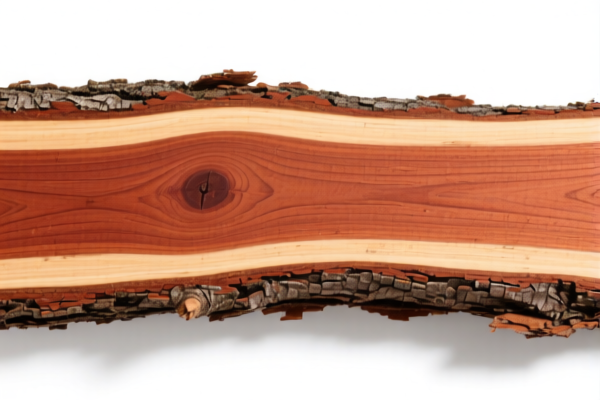
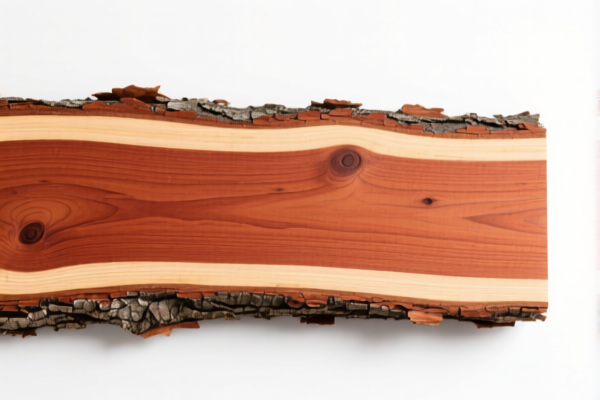

AI Analysis
🌲 Red Cedar Wood with Bark (Raw Logs)
🌐 HS Code Reference & Customs Clearance Guide | 2026 Updated Tariff Analysis | Professional Entry Strategies 📌 I. Product Definition & Classification: What Exactly is "Red Cedar Wood with Bark"?
Red Cedar Wood with Bark refers to timber that has been felled, debarked or un-debarked, and retains its natural bark. In international trade, the classification of raw wood depends heavily on the botanical family (Coniferous vs. Non-Coniferous/Hardwood) and the state of processing (Fuel vs. Sawn/Timber).
Since "Red Cedar" can refer to different botanical genera (e.g., Thuja - Coniferous, or Juniperus - Coniferous, sometimes colloquially grouped with hardwoods in specific regional contexts), the HS Code varies significantly based on whether it is classified as Coniferous (Softwood) or Non-Coniferous (Hardwood/Other).
⚠️ Key Distinction Point: - If the wood is Non-Coniferous (e.g., Western Red Cedar sometimes treated as hardwood in specific trade contexts, or other "Red Cedars" like Cedrela): → Classified under 4401.12.00.00 or 4403.21.01.30 depending on whether it is for fuel or other uses. - If the wood is Coniferous (True Cedar, e.g., Thuja plicata): → Classified under 4401.11.00.00 (if for fuel) or 4403.22.01.65 (if other).
📌 Critical Note: - "With Bark" implies the wood has not been planed or further processed into lumber. - "Fuel Wood" vs. "Other": This is the primary split in HS codes 4401 and 4403. - 4401.1x covers "Wood in the form of logs, rounds, etc., with or without bark or with bark intact, whether or not stripped of sapwood or heartwood, whether or not roughly squared." It specifically includes fuel wood. - 4403.2x covers "Wood treated with paint, stains, creosote, etc., or roughly squared" but also includes other coniferous woods not classified as fuel.
📦 II. HS Code Classification Details (2026 Latest Tariff Authority Comparison)
| HS Code | Product Description | Application Scenario | Is it Fuel Wood? | Is it Coniferous? |
|---|---|---|---|---|
4401.12.00.00 |
Wood in the form of logs, rounds, etc., with or without bark... Other (Non-Coniferous) | Non-coniferous firewood, logs for burning | ✅ Yes (Fuel) | ❌ No (Non-Coniferous/Hardwood) |
4401.11.00.00 |
Wood in the form of logs, rounds, etc., with or without bark... Coniferous | Coniferous firewood, logs for burning | ✅ Yes (Fuel) | ✅ Yes (Coniferous/Softwood) |
4403.21.01.30 |
Wood treated with paint, stains, creosote, etc., or roughly squared; Non-coniferous | Non-coniferous timber not for fuel, possibly treated | ❌ No (Other) | ❌ No (Non-Coniferous) |
4403.22.01.65 |
Wood treated with paint, stains, creosote, etc., or roughly squared; Coniferous | Coniferous timber not for fuel, possibly treated | ❌ No (Other) | ✅ Yes (Coniferous) |
🔍 Important Reminder: - If the Red Cedar is intended for burning (firewood, pellets, biomass), it falls under 4401. - If it is intended for construction, furniture, or other uses (not fuel), and is "roughly squared" or treated, it may fall under 4403. - Bark is intact in all these codes under "with or without bark or with bark intact".
💰 III. 2026 Latest Tariff Rate Breakdown (Including Additional Duties, Policy Add-ons)
✅ Applicable Country: United States (US) ✅ Origin: China (CN) ✅ Effective Date: November 10, 2025 onwards (including subsequent imports)
🎯 1. 4401.12.00.00 – Wood in the form of logs, etc., Other (Non-Coniferous), Fuel Wood
| Item | Content |
|---|---|
| Base Duty Rate | 0% (ad valorem) |
| USITC Additional Duty | +25% (from USITC Footnote under Section 301) |
| IEEPA Additional Duty | +10% (for China/HK products, starting Nov 10, 2025) |
| Total Rate | 45.0% |
| Tax Calculation | CIF Value × 45% |
| De Minimis Exemption | ❌ Not Applicable (deny_de_minimis) |
| Legal Basis Path | IEEPA:9903.01.25 → IEEPA:9903.01.24 → USITC:4401.12.00.00 → FOOTNOTE:301 |
📌 Explanation: - "USITC Additional Duty 25%" comes from Section 301 of the Trade Act; - "IEEPA 10%" is the additional tariff under the International Emergency Economic Powers Act for Chinese goods; - Combined 45%, which is a high tariff, must be anticipated in advance!
🎯 2. 4401.11.00.00 – Wood in the form of logs, etc., Coniferous, Fuel Wood
| Item | Content |
|---|---|
| Base Duty Rate | 0% |
| USITC Additional Duty | +25% |
| IEEPA Additional Duty | +10% |
| Total Rate | 45.0% |
| Tax Calculation | CIF × 45% |
| De Minimis Exemption | ❌ Not Applicable |
| Legal Basis Path | IEEPA:9903.01.25 → IEEPA:9903.01.24 → USITC:4401.11.00.00 → FOOTNOTE:301 |
📌 Note: - Same as the above, both fuel wood codes carry the same high rate; - Whether it is Pines, Spruces, Firs, or Coniferous Cedars (like Thuja), if intended for fuel, this rate applies.
🎯 3. 4403.21.01.30 – Wood Treated with Paint, Stains, Creosote, etc., or Roughly Squared; Other (Non-Coniferous)
| Item | Content |
|---|---|
| Base Duty Rate | 0% |
| USITC Additional Duty | +25% |
| IEEPA Additional Duty | +10% |
| Total Rate | 45.0% |
| Tax Calculation | CIF × 45% |
| De Minimis Exemption | ❌ Not Applicable |
| Legal Basis Path | IEEPA:9903.01.25 → IEEPA:9903.01.24 → USITC:4403.21.01.30 → FOOTNOTE:301 |
📌 Note: - For non-coniferous woods (e.g., certain "Red Cedars" like Cedrela odorata if classified here) not for fuel; - Even if "roughly squared," the tariff remains high.
🎯 4. 4403.22.01.65 – Wood Treated with Paint, Stains, Creosote, etc., or Roughly Squared; Coniferous
| Item | Content |
|---|---|
| Base Duty Rate | 0% |
| USITC Additional Duty | +25% |
| IEEPA Additional Duty | +10% |
| Total Rate | 45.0% |
| Tax Calculation | CIF × 45% |
| De Minimis Exemption | ❌ Not Applicable |
| Legal Basis Path | IEEPA:9903.01.25 → IEEPA:9903.01.24 → USITC:4403.22.01.65 → FOOTNOTE:301 |
📌 Note: - For coniferous woods (like True Red Cedar, Thuja) not for fuel; - Even if treated or roughly squared, the 45% total rate applies.
🛠️ IV. Customs Clearance Practical Advice (Battlefield Pit-Avoidance Guide)
✅ 1. Preparation Checklist (All Required)
| Document | Mandatory | Description |
|---|---|---|
| ✅ Botanical Name | ✔️ | Must specify scientific name (e.g., Thuja plicata vs. Cedrela odorata) to determine Coniferous vs. Non-Coniferous |
| ✅ Declaration of Use | ✔️ | Clearly state if "For Fuel" or "For Construction/Furniture" |
| ✅ Phytosanitary Certificate | ✔️ | Essential for all wood products to prevent pests/diseases |
| ✅ Commercial Invoice | ✔️ | Must describe "Red Cedar Wood with Bark" accurately |
| ✅ Packing List | ✔️ | Detail dimensions, weight, and bark status |
| ✅ ISPM 15 Marking | ✔️ | If packaged in wood, ensure pallets are heat-treated and marked |
✅ 2. Declaration Tips (Key Mantra)
🔥 "Bark On/Off, Fuel/Other, Botanical Name is Key, 45% Tax is Inevitable!"
| Scenario | Correct Declaration | Incorrect Practice |
|---|---|---|
| Coniferous Red Cedar (Thuja) for Fuel | 4401.11.00.00 |
Misdeclare as hardwood → Still 45%, but higher scrutiny |
| Non-Coniferous Red Cedar (Cedrela) for Fuel | 4401.12.00.00 |
Misdeclare as coniferous → Still 45%, but risk of penalty |
| Coniferous Red Cedar for Lumber | 4403.22.01.65 |
Misdeclare as fuel → Still 45%, but may trigger inspection |
| Non-Coniferous Red Cedar for Lumber | 4403.21.01.30 |
Misdeclare as fuel → Still 45%, but may trigger inspection |
✅ 3. Special Cases Handling
| Scenario | Handling Advice |
|---|---|
| Mixed Species Loads | Declare each species separately with correct HS Code; do not average rates |
| Partially Debarked | Still classified as "with or without bark"; ensure description matches |
| Treated Wood | If treated with creosote or other preservatives, must declare treatment type; may require additional safety data sheets |
| Small Samples | Still subject to 45% tariff; no de minimis exemption |
🌍 V. Global Market Comparison (2026 Latest)
| Country/Region | Recommended HS Code | Duty Rate | Certification Requirements | Notes |
|---|---|---|---|---|
| 🇺🇸 USA | 4401.11.00.00 / 4401.12.00.00 |
45% | Phytosanitary Certificate + ISPM 15 | High tariff due to Section 301 & IEEPA |
| 🇨🇳 China | 4401.11.00.00 / 4401.12.00.00 |
0-5% | N/A | No additional tariffs for imports into China |
| 🇪🇺 EU | 4401.10.00 |
0% (if FLEGT licensed) | FLEGT / Due Diligence | No additional tariffs, but strict sustainability checks |
| 🇬🇧 UK | 4401.10.00 |
0% (if eligible) | UK Global Tariff | No additional tariffs, but wood pest controls apply |
📌 Conclusion: - USA imposes a 45% total tariff on all forms of Red Cedar Wood with Bark, regardless of fuel or non-fuel status; - China and EU do not impose additional tariffs on these wood products, but have strict environmental/phytosanitary regulations; - Supply Chain Strategy: Consider sourcing from non-Chinese origins if shipping to the US, or absorb the 45% cost.
📌 VI. Common Mistakes & Pit-Avoidance Guide (Blood & Tears Lessons)
❌ Mistake 1: Declaring "Red Cedar" without specifying Coniferous vs. Non-Coniferous 👉 Consequence: Customs may classify under the higher-risk category or delay for botanical verification → Delays & Inspection Fees
❌ Mistake 2: Omitting "With Bark" in declaration 👉 Consequence: Misrepresentation of product form → Penalties & Potential Cargo Hold
❌ Mistake 3: Assuming "Small Quantity" escapes tariff 👉 Consequence: No de minimis exemption for wood products from China → Unexpected 45% Bill at Destination
❌ Mistake 4: Ignoring Phytosanitary Certificate 👉 Consequence: Cargo rejected or destroyed at port → Total Loss + Freight Cost
✅ Correct Practice:
"Red Cedar Wood, Thuja plicata, with Bark, For Fuel, Unprocessed, ISPM 15 Treated, Phytosanitary Certificate Attached"
🎯 VII. Conclusion: Professional Declaration, Save Time, Reduce Costs!
🎯 Remember the Mantra:
🔹 "Botanical Name, Fuel/Other, 45% Tax is Real, Phytosanitary is Key!" 🔹 "HS Code Determines Duty, 45% is Fixed for China, Declaration Must be Accurate!"
📌 Pro Tip:
If your Red Cedar Wood is originated from Vietnam, Mexico, Canada, or other non-China countries, you may qualify for preferential tariff rates (e.g., USMCA for Canada/Mexico, or lower base rates for others); Recommend applying for Advance Ruling to confirm HS Code and tariff eligibility before shipment.
📣 Immediate Action:
📞 Contact Professional Customs Broker + Provide Botanical Info + Apply for HS Code Advance Ruling 🚀 Let your Red Cedar Wood, Clear Customs Smoothly, Enter Efficiently, Maximize Profit!
✨ Professional Clearance Starts with Accurate Classification! 💼 Every Dollar of Your Cost Deserves Precision!
Customer Reviews
About HS Code Classification
The Harmonized System (HS) is an internationally standardized nomenclature developed by the World Customs Organization (WCO) to classify traded products. Over 200 countries use the HS system as the basis for customs tariffs, trade statistics, and import/export regulations.
Each HS code follows a hierarchical structure:
- Chapter (2 digits) — Broad category of goods (e.g., Chapter 84: Machinery and Mechanical Appliances)
- Heading (4 digits) — More specific grouping within the chapter
- Subheading (6 digits) — Internationally standardized breakdown, used by all WCO member countries
- National subdivisions (8-10 digits) — Country-specific extensions for further classification, such as US HTSUS 10-digit codes
Correct HS code classification is essential for smooth customs clearance, accurate duty payment, and compliance with trade regulations. Misclassification can lead to customs delays, overpayment of duties, or penalties.
When importing from CN to US, the applicable tariff rates may include:
- Most-Favored-Nation (MFN) rate — The standard duty rate applied to WTO members
- General rate — Applied to countries without trade agreements
- Trade remedy duties — Additional tariffs such as Section 301 (anti-dumping), Section 232 (national security), or countervailing duties
The information provided on this page is for reference purposes only. For official classification, please consult with your local customs authority or a licensed customs broker.