Red Meranti Wood
CN → US| HS Code | Tariff Rate | Origin | Destination | Doc |
|---|---|---|---|---|
| 9403910080 | 35.0% | CN | US | Official Doc |
| 4409299100 | 35.0% | CN | US | Official Doc |
| 4409292660 | 35.0% | CN | US | Official Doc |
Product Images
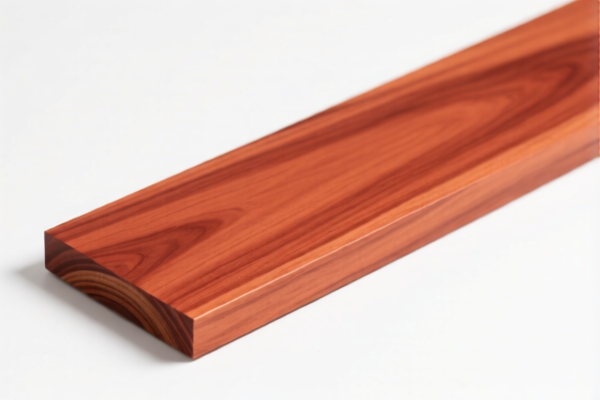
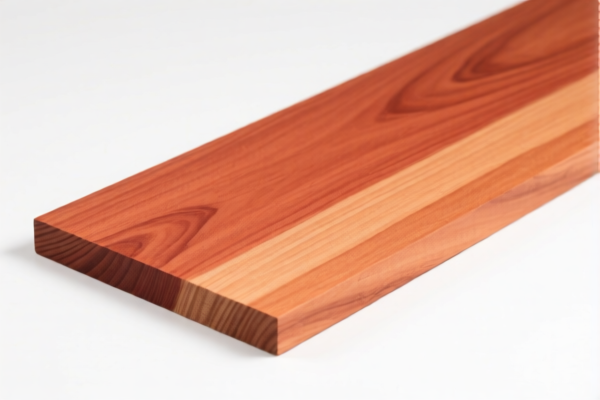
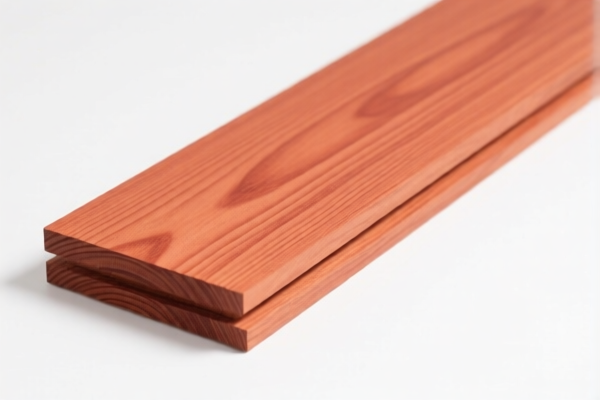
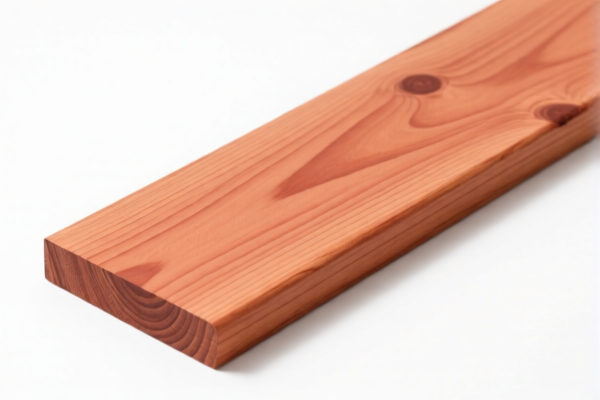
AI Analysis
🪵 Red Meranti Wood (Shorea spp.)
🌐 HS Code Reference & Customs Clearance Guide | 2026 Updated Tariff Analysis | Professional Import Strategy
📌 I. Product Definition & Classification: Do You Really Understand "Red Meranti"?
Red Meranti (often referred to as Meranti) is a premium tropical hardwood derived primarily from the Shorea genus, native to Southeast Asia (Malaysia, Indonesia, Philippines). It is widely used in construction, furniture, flooring, and interior paneling due to its straight grain, moderate density, and excellent workability.
In international trade, classification depends heavily on the form of the wood: * Wood Parts/Components: Unworked or roughly shaped pieces used as components for furniture or structures. * Profiled Lumber/Tongue-and-Groove: Wood processed with specific shapes (edges, grooves) for easy assembly (e.g., flooring, wall paneling). * Flooring: Finished wood products specifically shaped for floor installation.
⚠️ Key Classification Distinction:
- If the wood is roughly squared or unworked (used as a structural part) → Classify under 9403.91.00.80 (Wooden furniture parts).
- If the wood is profiled (tongue-and-groove, molded) but not finished as flooring → Classify under 4409.29.91.00 (Other wood continuously shaped along any edge).
- If the wood is finished flooring (ready to install) → Classify under 4409.29.26.60 (Non-coniferous wood flooring).
📦 II. HS Code Classification Details (2026 Latest Tariff Authority Comparison)
| HS Code | Product Description | Application Scenario | Processing State |
|---|---|---|---|
9403.91.00.80 |
Parts of wooden furniture | Structural frames, cabinet backs, unfinished joinery parts | ✅ Rough/Unworked |
4409.29.91.00 |
Wood, continuously shaped (e.g., tongued, grooved) | Wall paneling, ceiling battens, unfinished profiled lumber | ✅ Profiled/Shaped |
4409.29.26.60 |
Wood flooring, non-coniferous | Finished wooden floors, laminate-ready planks | ✅ Finished Flooring |
🔍 Key Reminder:
- Red Meranti is a Broadleaf (Hardwood), not Coniferous (Softwood). Always verify the botanical origin to avoid misclassification under coniferous codes.
- Do not split shipments: If importing a mixed container of flooring and raw lumber, each item must be declared separately under its correct HS Code.
- Flooring vs. Lumber: If the wood has wear layers, UV coating, or specific locking mechanisms, it MUST be classified as flooring (4409.29.26.60).
💰 III. 2026 Latest Tariff Rate Breakdown (Including Surtaxes & Policy Add-ons)
✅ Applicable Country: United States (US)
✅ Origin: China / Southeast Asia (subject to local rules)
✅ Effective Date: 2025–2026 (Current Trade Policy)
🎯 1. 9403.91.00.80 —— Parts of Wooden Furniture
| Item | Content |
|---|---|
| Base Duty Rate | 0.0% (Ad Valorem) |
| Section 301 Surcharge | +25.0% (From USITC Footnote 9903.88.01) |
| Section 122 / IEEPA Add-on | +10.0% (Targeted Chinese/Origin Products) |
| Total Tax Rate | 35.0% |
| Tax Calculation | CIF Value × 35% |
| De Minimis Eligibility | ❌ No (Denied under current trade restrictions) |
| Legal Authority Path | USITC:9403.91.00.80 → Section 301: 25% → Section 122: 10% |
📌 Explanation:
- This code applies to parts of wooden furniture. If you are importing Red Meranti as pre-cut frames for cabinets, this is the correct code.
- The 35% total rate is high due to the combination of Section 301 (25%) and additional policy tariffs (10%).
- Warning: Do not declare "Wood Planks" here if they are finished flooring; it will trigger an audit for misclassification.
🎯 2. 4409.29.91.00 —— Other Wood, Continuously Shaped
| Item | Content |
|---|---|
| Base Duty Rate | 0.0% |
| Section 301 Surcharge | +25.0% |
| Section 122 / IEEPA Add-on | +10.0% |
| Total Tax Rate | 35.0% |
| Tax Calculation | CIF Value × 35% |
| De Minimis Eligibility | ❌ No |
| Legal Authority Path | USITC:4409.29.91.00 → Section 301: 25% → Section 122: 10% |
📌 Explanation:
- This code covers profiled lumber that is not yet flooring. Examples: Red Meranti panels for walls, ceiling beams, or decorative strips with tongue-and-groove edges.
- Even though it is "shaped," if it lacks the specific dimensions and finish of flooring, it remains here.
- Cost Impact: Same 35% burden as furniture parts. Supply chain cost planning must include this high tax liability.
🎯 3. 4409.29.26.60 —— Wood Flooring (Non-Coniferous)
| Item | Content |
|---|---|
| Base Duty Rate | 0.0% |
| Section 301 Surcharge | +25.0% |
| Section 122 / IEEPA Add-on | +10.0% |
| Total Tax Rate | 35.0% |
| Tax Calculation | CIF Value × 35% |
| De Minimis Eligibility | ❌ No |
| Legal Authority Path | USITC:4409.29.26.60 → Section 301: 25% → Section 122: 10% |
📌 Explanation:
- This is the most common code for finished Red Meranti flooring products.
- Critical Check: Ensure the product is indeed "Flooring" (finished, coated, specific thickness). If it is raw lumber, this classification may be challenged.
- Tax Warning: At 35%, importing finished flooring from China or certain origins is extremely costly. Consider sourcing from ASEAN countries with favorable trade agreements (e.g., Vietnam, Malaysia) if possible to avoid Section 301/122 tariffs.
🛠️ IV. Customs Clearance Operational Advice (Practical Pitfall Avoidance Guide)
✅ 1. Required Documentation Checklist (Mandatory)
| Document | Required | Notes |
|---|---|---|
| ✅ Product Specification Sheet | ✔️ | Must specify: Species (Shorea spp.), Moisture Content, Grade, Dimensions. |
| ✅ Photographs | ✔️ | Clear images of edges (tongue/groove), finish, and end-grain. |
| ✅ Commercial Invoice | ✔️ | Must clearly state: "Red Meranti Wood – [Form: Parts/Lumber/Flooring]". |
| ✅ Packing List | ✔️ | Detail dimensions and weight per carton. |
| ✅ Phytosanitary Certificate | ✔️ | Critical for Wood: Proves treatment against pests (ISPM 15 compliant). |
| ✅ Fumigation Certificate | ✔️ | Required by US CBP for all raw wood imports. |
| ✅ Lacey Act Declaration | ✔️ | Mandatory for wood products in the US (File 505). |
✅ 2. Declaration Tips (Critical Mnemonics)
🔥 "Form Determines Code, Certificate Clears Port, Misclassification Costs 35%!"
| Situation | Correct Declaration | Wrong Practice |
|---|---|---|
| Pre-cut cabinet frames | 9403.91.00.80 |
Declare as "Planks" → Potential audit |
| Tongue-and-Groove Wall Panels | 4409.29.91.00 |
Declare as "Flooring" → Risk of rejection if not floor-grade |
| Finished Red Meranti Floors | 4409.29.26.60 |
Declare as "Raw Lumber" → Under-declared value/tax risk |
| Unprocessed Timber Logs | Different Code (4403) | Use 4409/9403 → Immediate rejection |
✅ 3. Special Circumstances Handling
| Situation | Handling Advice |
|---|---|
| Mixed Container | Separate declarations for each HS Code. Do not average duties. |
| Re-manufactured Wood | If Meranti is sourced from recovered furniture, ensure Lacey Act compliance is robust. |
| Avoiding High Taxes | Source from Vietnam, Malaysia, or Indonesia where possible to bypass Section 301/122 add-ons (check Country of Origin rules carefully). |
| Phytosanitary Issues | Ensure wood is heat-treated (HT) or methyl bromide (MB) treated. Molded wood must still be treated. |
🌍 V. Global Market Clearance Comparison (2026 Latest)
| Country/Region | Recommended HS Code | Estimated Duty | Certification | Notes |
|---|---|---|---|---|
| 🇺🇸 USA | 4409.29.26.60 (Flooring) |
35% | Lacey Act + Fumigation | High tariff burden; strict phytosanitary |
| 🇨🇳 China | 4409.29.26.60 |
5–8% | None specific | Lower tariff for imported wood |
| 🇪🇺 EU | 4409.29 |
0% (if FSC certified) | FSC/PEFC | Timber Regulation (EUTR) compliance mandatory |
| 🇬🇧 UK | 4409.29 |
0–5% | UKCA + Timber Regulations | Post-Brexit checks apply |
| 🇦🇺 Australia | 4409.29 |
5% | Biosecurity Approval | Strict quarantine on raw wood |
📌 Conclusion:
- The US market is the most challenging due to the 35% composite tariff (Base 0% + 301/122 surcharges).
- EU and UK prioritize sustainability certification (FSC/PEFC) over duty rates.
- Always verify Country of Origin for tariff exemption opportunities.
📌 VI. Common Errors & Pitfall Guide (Lessons Learned)
❌ Error 1: Declaring "Flooring" when it is raw lumber
👉 Consequence: Customs may downgrade or upgrade the classification, leading to fines or delays.
❌ Error 2: Missing Phytosanitary Certificate
👉 Consequence: Shipment held at port, fumigation required at owner’s expense, or destroyed.
❌ Error 3: Ignoring Lacey Act Declaration
👉 Consequence: Civil or criminal penalties for illegal wood sourcing.
❌ Error 4: Assuming all "Meranti" is the same
👉 Consequence: Misclassification if the species falls under a different botanical sub-category (though Red Meranti is generally consistent).
✅ Correct Approach:
"Red Meranti Flooring, 19mm x 125mm x 1200mm, Pre-finished, Ungrooved Ends, FSC Certified, Origin: Malaysia"
🎯 VII. Conclusion: Professional Declaration, Cost Optimization, Risk Reduction
🎯 Remember the Mnemonic:
🔹 "Form First, Code Second, Tax Third, Certificate Critical!"
🔹 "35% is the US Price Tag, 0% is the Dream, Check Origin Before You Commit!"
🔹 "No Phytosanitary? No Entry!"
📌 Pro Tip:
If you are importing Red Meranti into the US:
1. Verify if your supplier is in a trade-agreement country (e.g., Vietnam) to potentially reduce surcharges.
2. Ensure FSC Certification is present for EU/UK markets to gain preferential treatment.
3. Always obtain Lacey Act Declarations for US imports.
📣 Immediate Action:
📞 Engage a licensed customs broker + Provide product specs + Request Phytosanitary Certificate + Apply for Lacey Act Compliance
🚀 Let your Red Meranti wood clear smoothly, legally, and cost-effectively!
✨ Professional Classification Starts with Precision!
💼 Every Tariff Cent Counts in Wood Trade!
Customer Reviews
About HS Code Classification
The Harmonized System (HS) is an internationally standardized nomenclature developed by the World Customs Organization (WCO) to classify traded products. Over 200 countries use the HS system as the basis for customs tariffs, trade statistics, and import/export regulations.
Each HS code follows a hierarchical structure:
- Chapter (2 digits) — Broad category of goods (e.g., Chapter 84: Machinery and Mechanical Appliances)
- Heading (4 digits) — More specific grouping within the chapter
- Subheading (6 digits) — Internationally standardized breakdown, used by all WCO member countries
- National subdivisions (8-10 digits) — Country-specific extensions for further classification, such as US HTSUS 10-digit codes
Correct HS code classification is essential for smooth customs clearance, accurate duty payment, and compliance with trade regulations. Misclassification can lead to customs delays, overpayment of duties, or penalties.
When importing from CN to US, the applicable tariff rates may include:
- Most-Favored-Nation (MFN) rate — The standard duty rate applied to WTO members
- General rate — Applied to countries without trade agreements
- Trade remedy duties — Additional tariffs such as Section 301 (anti-dumping), Section 232 (national security), or countervailing duties
The information provided on this page is for reference purposes only. For official classification, please consult with your local customs authority or a licensed customs broker.