Red Round Single Hole Drawer Handle
CN → US| HS Code | Tariff Rate | Origin | Destination | Doc |
|---|---|---|---|---|
| 8302423065 | 71.4% | CN | US | Official Doc |
| 7616109090 | 91.0% | CN | US | Official Doc |
| 8302426000 | 20.9% | CN | US | Official Doc |
| 3926301000 | 24.0% | CN | US | Official Doc |
| 3926902500 | 24.0% | CN | US | Official Doc |
Product Images
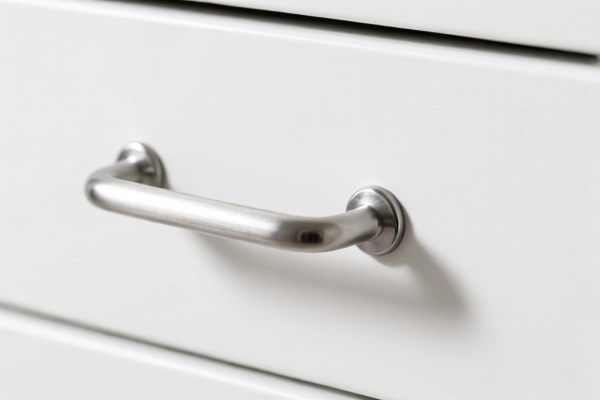
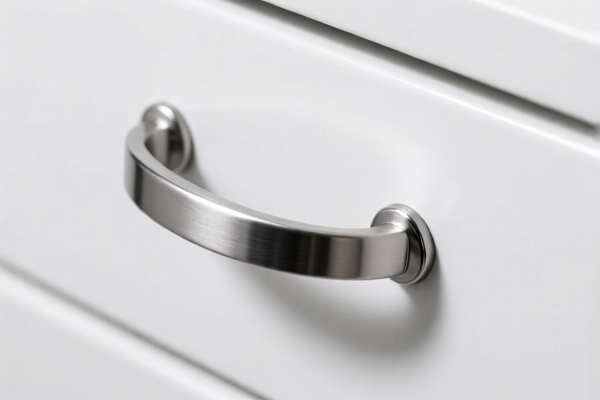
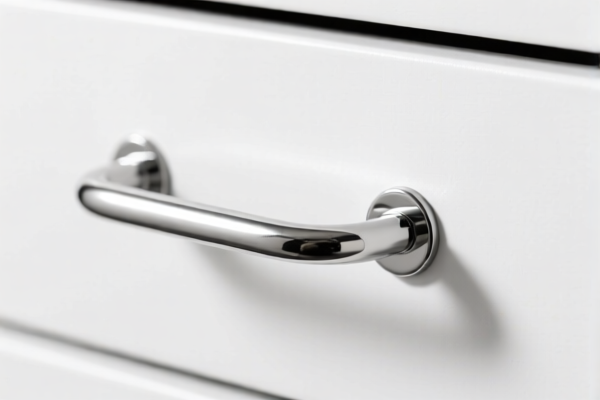
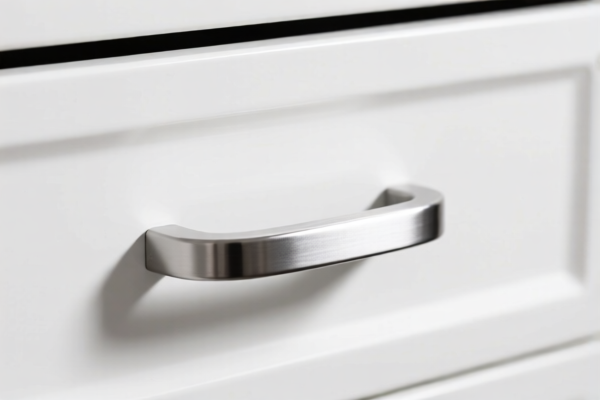
AI Analysis
🚪 Red Round Single Hole Drawer Handle
🌐 HS Code Reference & Customs Clearance Guide | 2026 Latest Tariff Analysis | Professional Clearance Strategy
📌 I. Product Definition and Classification: Do You Really Understand "Drawer Handles"?
The "Red Round Single Hole Drawer Handle" is a small but critical component in furniture assembly. In international trade, it is primarily classified based on its material and function. While the visual appearance (red, round) and installation method (single hole) define its utility, the HS Code is strictly determined by the raw material (metal, plastic, etc.).
⚠️ Key Classification Logic:
- If made of Metal (Iron, Steel, Aluminum, Zinc) → Falls under Chapter 83 (Miscellaneous Articles of Base Metal).
- If made of Plastic → Falls under Chapter 39 (Plastics and Articles Thereof).
- Note: The color (Red) and shape (Round) are cosmetic details and do not change the fundamental HS classification code, though they must be declared accurately in the description to avoid ambiguity.
📦 II. HS Code Classification Details (Based on Provided Data)
Below are the four potential HS Codes derived from the data, categorized by material inference.
| HS Code | Material Inference | Product Description Summary | Total Tax Rate | Key Tax Details |
|---|---|---|---|---|
8302.42.30.65 |
Metal (Iron, Steel, Aluminum, Zinc) | Furniture Accessories (Handles). Fits the definition of "Other furniture fittings." | 71.4% | Base: 3.9% Add-on: 7.5% Section 232 (Steel/Aluminum): 50% |
7616.10.90.90 |
Metal (Aluminum or Zinc Alloy) | Accessory Handles. Classified under "Other articles of aluminum." No material conflict. | 91.0% | Base: 6.0% Add-on: 25.0% Section 232 (Steel/Aluminum): 50% |
8302.42.60.00 |
Metal (General Furniture Hardware) | Drawer Handles. Metal fittings for furniture, similar to other furniture fittings/fasteners. | 20.9% | Base: 3.4% Add-on: 7.5% Section 232: 10% |
3926.30.10.00 |
Plastic | Handles and Knobs. Classified under "Plastic articles" and specifically "Handles and knobs." | 24.0% | Base: 6.5% Add-on: 7.5% Section 232: 10% |
3926.90.25.00 |
Plastic | Handles/Handles. Classified under "Other plastic articles." Compatible with "Handles" category. | 24.0% | Base: 6.5% Add-on: 7.5% Section 232: 10% |
🔍 Critical Analysis:
-8302.42.30.65&7616.10.90.90: These carry extremely high tariffs (71.4% - 91.0%) due to the Section 232 (122 Clause) Tariff on Steel/Aluminum (50%) combined with Section 301/Add-on duties.
-8302.42.60.00: A more moderate metal classification with a total tax of 20.9%. This suggests a specific sub-category of metal hardware that may not trigger the full 50% aluminum/steel surcharge, or applies a lower rate (10%).
-3926.30.10.00&3926.90.25.00: If the handle is Plastic, the tax burden is significantly lower at 24.0%.
💰 III. 2026 Latest Tariff Rate Breakdown (Detailed Tax Clauses)
✅ Applicable Context: Based on data indicating Chinese origin impacts (Section 232/301 logic).
✅ Origin: Likely China (CN) given the "122 Clause" and high add-on duties mentioned in the data.
🎯 1. High-Tax Metal Classifications (8302.42.30.65 & 7616.10.90.90)
| Item | Content |
|---|---|
| Base Duty | 3.4% - 6.0% (Depends on specific metal sub-heading) |
| Section 301 / Add-on Duty | +7.5% to +25.0% |
| Section 232 (Steel/Aluminum) Duty | +50% (Critical Driver of High Tax) |
| Total Effective Rate | 71.4% - 91.0% |
| Calculation | CIF Value × Total Rate |
| De Minimis Eligibility | ❌ Not Eligible (High value risk) |
📌 Explanation:
- The 50% Section 232 tariff applies to imports of Aluminum (7616) and Steel/Iron (8302) products from certain countries (often China).
- This is the primary reason for the 71.4% and 91.0% rates.
- Even if the base duty is low, the 50% surcharge dominates the cost.
🎯 2. Moderate Metal Classification (8302.42.60.00)
| Item | Content |
|---|---|
| Base Duty | 3.4% |
| Section 301 / Add-on Duty | +7.5% |
| Section 232 Duty | +10% (Lower tier application) |
| Total Effective Rate | 20.9% |
| Calculation | CIF Value × 20.9% |
| De Minimis Eligibility | ❌ Not Eligible |
📌 Explanation:
- This code likely represents a specific subset of furniture hardware that qualifies for a lower Section 232 rate (10% instead of 50%), possibly due to specific manufacturing processes or product definitions within the "fittings" category.
🎯 3. Plastic Classifications (3926.30.10.00 & 3926.90.25.00)
| Item | Content |
|---|---|
| Base Duty | 6.5% |
| Section 301 / Add-on Duty | +7.5% |
| Section 232 Duty | +10% (Plastic is not subject to Steel/Aluminum 232) |
| Total Effective Rate | 24.0% |
| Calculation | CIF Value × 24.0% |
| De Minimis Eligibility | ❌ Not Eligible |
📌 Explanation:
- Plastic handles are not subject to the 50% Aluminum/Steel Section 232 tariff.
- The tax is driven by Base Duty + Add-on + a lower Section 232 rate (10%) or other trade remedies.
- Significant Savings: Compared to Aluminum/Zinc handles (91.0%), Plastic handles (24.0%) offer a ~67% tax reduction.
🛠️ IV. Customs Clearance Practical Advice (Avoid Pitfalls)
✅ 1. Preparation Checklist (Must-Have Documents)
| Document | Required | Notes |
|---|---|---|
| ✅ Product Specification Sheet | ✔️ | Must clearly state Material (e.g., "ABS Plastic" vs. "Zinc Alloy"). |
| ✅ Material Composition Report | ✔️ | Crucial for distinguishing between 8302 (Metal) and 3926 (Plastic). |
| ✅ Clear Photos | ✔️ | Show the "Single Hole" mounting type and "Red" finish. |
| ✅ Commercial Invoice | ✔️ | Description: "Plastic/Metal Drawer Handle, Round, Red, Single Hole, Model XYZ." |
| ✅ HS Code Pre-ruling | ✔️ | Highly recommended given the huge tax disparity (20.9% vs 91.0%). |
✅ 2. Declaration Strategy (Key Mantra)
🔥 "Material is King, Shape is Secondary! Misdeclare Metal as Plastic? Seizure Risk!"
| Scenario | Correct HS Code | Risk of Incorrect Classification |
|---|---|---|
| Actual: Zinc Alloy Handle | 7616.10.90.90 or 8302.42.30.65 |
If declared as Plastic (3926...) → Customs Audit, Heavy Fines, Retrospective Tax (91% - 24% = 67% penalty base). |
| Actual: Plastic Handle | 3926.30.10.00 |
If declared as Metal → Higher tax (20.9% or more), but less likely to trigger Section 232 50% unless actual steel/aluminum. |
| Ambiguous Material | Apply for Advance Ruling | Do not guess. Provide sample to customs broker for pre-classification. |
✅ 3. Special Considerations for "Red Round Single Hole"
-
Material Verification:
- Check if the "Red" coating is on Plastic or Metal.
- If it is a Metal Handle with a red powder coating, it is still Metal (Chapter 83/76). The coating does not change the material classification.
- If it is Injection-Molded Plastic, it is Plastic (Chapter 39).
-
Section 232 Impact:
- For Aluminum/Zinc handles (
7616), the 50% Section 232 tariff is the biggest cost driver. - Consider switching to Plastic (
3926) if the design allows, to save ~67% in taxes. - If Metal is mandatory, try to classify under
8302.42.60.00(20.9%) if the product definition fits, as it avoids the 50% surcharge.
- For Aluminum/Zinc handles (
🌍 V. Global Market Comparison (2026)
| Market | Recommended HS (Plastic) | Recommended HS (Metal) | Key Duty Notes |
|---|---|---|---|
| 🇺🇸 USA | 3926.90.25.00 (24.0%) |
7616.10.90.90 (91.0%) |
USA imposes 50% Section 232 on Aluminum/Steel. Plastic is much cheaper. |
| 🇨🇳 China | ~6.5% + VAT | ~3.4% + VAT | Lower base duties, no Section 232. |
| 🇪🇺 EU | 4-6% | 3-4% | No Section 232. Tariffs are generally stable. |
📌 Conclusion:
- For the US Market: Material choice is critical. Plastic handles save significant duty costs compared to Aluminum/Zinc.
- For Other Markets: Material matters less for duty savings, but still affects VAT and environmental regulations (e.g., REACH in EU for coatings).
📌 VI. Common Errors & Pitfalls (Lessons Learned)
❌ Error 1: Declaring a Zinc Alloy handle as Plastic to avoid Section 232.
👉 Consequence: Customs inspection will reveal the material. 67% tax difference + penalties + potential fraud charges.
❌ Error 2: Using vague terms like "Furniture Accessory" without specifying material.
👉 Consequence: Customs will classify based on their best judgment, often defaulting to the highest tax category (Metal).
❌ Error 3: Ignoring the "Single Hole" specification.
👉 Consequence: While it doesn't change HS Code, incorrect description can lead to inspection delays. Ensure "Single Hole Mounting" is in the description for clarity.
✅ Correct Practice:
"Drawer Handle, Round, Red, Single Hole Mounting, Material: [Specify ABS Plastic or Zinc Alloy], For Kitchen/Cabinet Use."
🎯 VII. Conclusion: Professional Declaration, Cost Optimization!
🎯 Remember the Key:
🔹 "Plastic = 24% | Metal (Al/Zn) = 91% | Metal (General) = 20.9%"
🔹 "Check the Material First! Don't let Section 232 eat your profit!"
📌 Pro Tip:
If your supplier can provide Plastic Handles that mimic the look of metal (using chrome-plated plastic or red metallic plastic), you can reduce your US import duty from 91.0% to 24.0%—a savings of 67%.
For metal handles, seek an Advance Ruling to confirm if 8302.42.60.00 (20.9%) applies to your specific product design.
📣 Immediate Action:
📞 Contact Customs Broker: Provide material test reports.
📦 Labeling: Clearly state "Material: [Plastic/Metal]" on the product and package.
🚀 Optimize: Evaluate if a plastic alternative meets your aesthetic requirements for the US market.
✨ Professional Customs Clearance Starts with Precise Classification!
💼 Every Percentage Point of Duty is a Percentage Point of Your Net Profit!
Customer Reviews
About HS Code Classification
The Harmonized System (HS) is an internationally standardized nomenclature developed by the World Customs Organization (WCO) to classify traded products. Over 200 countries use the HS system as the basis for customs tariffs, trade statistics, and import/export regulations.
Each HS code follows a hierarchical structure:
- Chapter (2 digits) — Broad category of goods (e.g., Chapter 84: Machinery and Mechanical Appliances)
- Heading (4 digits) — More specific grouping within the chapter
- Subheading (6 digits) — Internationally standardized breakdown, used by all WCO member countries
- National subdivisions (8-10 digits) — Country-specific extensions for further classification, such as US HTSUS 10-digit codes
Correct HS code classification is essential for smooth customs clearance, accurate duty payment, and compliance with trade regulations. Misclassification can lead to customs delays, overpayment of duties, or penalties.
When importing from CN to US, the applicable tariff rates may include:
- Most-Favored-Nation (MFN) rate — The standard duty rate applied to WTO members
- General rate — Applied to countries without trade agreements
- Trade remedy duties — Additional tariffs such as Section 301 (anti-dumping), Section 232 (national security), or countervailing duties
The information provided on this page is for reference purposes only. For official classification, please consult with your local customs authority or a licensed customs broker.