Refined Lizard Skin Leather
CN → US| HS Code | Tariff Rate | Origin | Destination | Doc |
|---|---|---|---|---|
| 4302197500 | 36.7% | CN | US | Official Doc |
| 4113306000 | 35.0% | CN | US | Official Doc |
| 4106400000 | 35.0% | CN | US | Official Doc |
| 4106920000 | 38.3% | CN | US | Official Doc |
| 4302196000 | 38.5% | CN | US | Official Doc |
Product Images
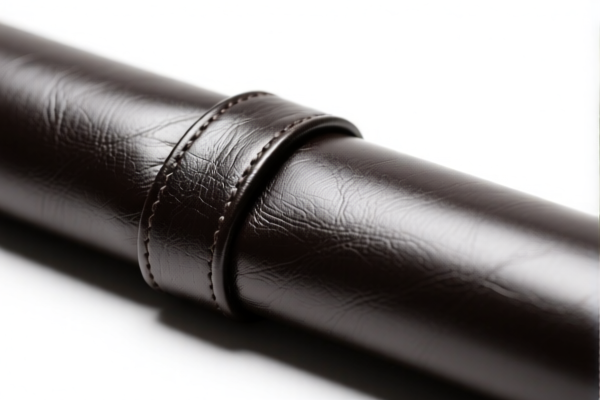
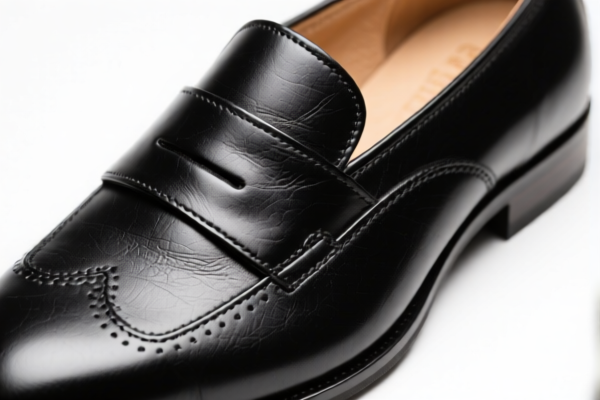
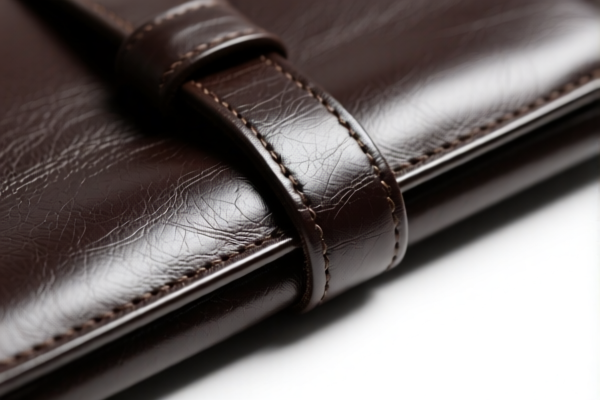

AI Analysis
🐍 Refined Lizard Skin Leather – HS Code & Tariff Guide (2026 Update)
🌐 HS Code Classification & Customs Clearance Strategy | 2026 Tariff Breakdown | Expert-Level Compliance Advisory
📌 One Product, Five Key HS Codes – Know Which One Applies to Your Shipment!
Refined lizard skin leather is a high-value, specialty animal hide used in luxury fashion, accessories, and premium craftsmanship. Due to its exotic nature, it is subject to strict classification rules and multiple layers of tariffs, including base duties, Section 301 (USITC) tariffs, and IEEPA emergency tariffs.
⚠️ Critical Insight:
The correct HS Code depends on material type, processing method, and physical form. Misclassification can trigger 40%+ tariffs, penalties, or even seizure.
📦 2026 HS Code Breakdown: Refined Lizard Skin Leather
| HS Code | Product Description | Material Type | Physical Form | Key Distinction |
|---|---|---|---|---|
4302.19.75.00 |
Specialized lizard leather, processed as tanned or finished fur, unassembled full skin | Tanned/finished fur | Whole skin, not assembled | Full, uncut lizard hide |
4113.30.60.00 |
Lizard leather, reptile-based, fits exotic patterned leather category | Reptile leather | Finished leather | Patterned, not plain |
4106.40.00.00 |
Lizard leather, reptile origin, meets tanned or semi-tanned leather criteria | Tanned / semi-tanned | Leather | Processed but not fully finished |
4106.92.00.00 |
Other animal leather, non-reptile, not specified, fits general leather rules | Other animal leather | Leather | Not reptile-specific |
4302.19.60.00 |
Lizard leather, un-dyed full skin, fits un-dyed whole fur leather logic | Lizard leather | Whole leather, un-dyed | Raw, uncolored, full hide |
🔍 Why So Many Codes?
The U.S. Customs and Border Protection (CBP) uses material origin, processing stage, and visual characteristics to assign the correct code. Even small differences in dyeing, tanning, or form change the tariff.
💰 2026 Tariff Breakdown: Full Tax Detail (U.S. Market)
✅ Applicable Country: United States (US)
✅ Origin: China (CN)
✅ Effective Date: November 10, 2025 (and ongoing)
🎯 1. 4302.19.75.00 – Tanned/Finished Lizard Fur, Unassembled Full Skin
| Tax Component | Rate | Legal Basis | Notes |
|---|---|---|---|
| Base Duty | 1.7% | Ad valorem | Standard rate for tanned fur |
| USITC Section 301 Tariff | +25.0% | 9903.88.01 | From U.S. Trade Act 301 |
| IEEPA Emergency Tariff | +10.0% | 9903.01.24 | Under International Emergency Economic Powers Act |
| Total Effective Rate | 36.7% | — | Highest in this group |
| Tax Calculation | CIF × 36.7% | — | Must include freight, insurance, and cost |
| De Minimis Exemption | ❌ Not eligible | 19 CFR § 12.140 | No 8% threshold protection |
| Legal Pathway | IEEPA:9903.01.24 → USITC:9903.88.01 → 4302.19.75.00 |
— | Must cite all footnotes |
📌 When to Use This Code:
- You’re shipping whole, uncut lizard skins that have been tanned or finished but not assembled into products (e.g., shoes, bags). - The skin is not dyed, but may have surface treatment.
🎯 2. 4113.30.60.00 – Reptile Exotic Patterned Leather
| Tax Component | Rate | Legal Basis | Notes |
|---|---|---|---|
| Base Duty | 0.0% | Ad valorem | No base tariff |
| USITC Section 301 Tariff | +25.0% | 9903.88.01 | Applies to all Chinese-origin exotic leather |
| IEEPA Emergency Tariff | +10.0% | 9903.01.24 | Applies to all Chinese-origin luxury goods |
| Total Effective Rate | 35.0% | — | Slightly lower than Code 4302.19.75.00 |
| Tax Calculation | CIF × 35.0% | — | Same as above |
| De Minimis Exemption | ❌ Not eligible | — | No relief |
| Legal Pathway | IEEPA:9901.25 → IEEPA:9903.01.24 → 4113.30.60.00 → FOOTNOTE:9903.88.01 |
— | Must reference all |
📌 When to Use This Code:
- The leather has distinctive patterns (e.g., scale marks, natural markings) that qualify it as "patterned exotic leather". - It’s not plain or unprocessed.
🎯 3. 4106.40.00.00 – Tanned or Semi-Tanned Reptile Leather
| Tax Component | Rate | Legal Basis | Notes |
|---|---|---|---|
| Base Duty | 0.0% | Ad valorem | No base tariff |
| USITC Section 301 Tariff | +25.0% | 9903.88.01 | Applies to all Chinese-origin exotic leather |
| IEEPA Emergency Tariff | +10.0% | 9903.01.24 | Applies to all Chinese-origin luxury goods |
| Total Effective Rate | 35.0% | — | Same as 4113.30.60.00 |
| Tax Calculation | CIF × 35.0% | — | Same |
| De Minimis Exemption | ❌ Not eligible | — | No relief |
| Legal Pathway | IEEPA:9903.01.24 → USITC:9903.88.01 → 4106.40.00.00 |
— | Must cite footnotes |
📌 When to Use This Code:
- The leather is tanned or semi-tanned but not fully finished. - It’s not yet patterned or not in full skin form.
🎯 4. 4106.92.00.00 – Other Animal Leather (Non-Reptile)
| Tax Component | Rate | Legal Basis | Notes |
|---|---|---|---|
| Base Duty | 3.3% | Ad valorem | Standard for other animal leather |
| USITC Section 301 Tariff | +25.0% | 9903.88.01 | Applies to Chinese origin |
| IEEPA Emergency Tariff | +10.0% | 9903.01.24 | Applies to Chinese origin |
| Total Effective Rate | 38.3% | — | Highest among all |
| Tax Calculation | CIF × 38.3% | — | Highest cost |
| De Minimis Exemption | ❌ Not eligible | — | No relief |
| Legal Pathway | IEEPA:9903.01.24 → USITC:9903.88.01 → 4106.92.00.00 |
— | Must cite all |
📌 When to Use This Code:
- The material is not reptile-based, or the lizard origin is unclear. - Misclassification risk is high — if it's lizard, this code is wrong.
🎯 5. 4302.19.60.00 – Un-dyed Whole Lizard Leather
| Tax Component | Rate | Legal Basis | Notes |
|---|---|---|---|
| Base Duty | 3.5% | Ad valorem | Slightly higher base duty |
| USITC Section 301 Tariff | +25.0% | 9903.88.01 | Applies |
| IEEPA Emergency Tariff | +10.0% | 9903.01.24 | Applies |
| Total Effective Rate | 38.5% | — | Highest of all |
| Tax Calculation | CIF × 38.5% | — | Highest cost |
| De Minimis Exemption | ❌ Not eligible | — | No relief |
| Legal Pathway | IEEPA:9903.01.24 → USITC:9903.88.01 → 4302.19.60.00 |
— | Must cite footnotes |
📌 When to Use This Code:
- The lizard skin is un-dyed, whole, and not processed beyond basic tanning. - Most expensive option — only use if strictly accurate.
🛠️ 4. Customs Clearance Best Practices (Pro Tips)
✅ 1. Required Documentation (Must-Have)
| Document | Required? | Why It Matters |
|---|---|---|
| ✅ Product Specifications | ✔️ | Confirms tanning, dyeing, and form |
| ✅ High-Res Product Photos | ✔️ | Shows full skin, pattern, color, texture |
| ✅ Commercial Invoice | ✔️ | Must state: "Refined Lizard Skin Leather, Unassembled, Tanned, Full Skin" |
| ✅ Certificate of Origin (CO) | ✔️ | Needed for tariff eligibility |
| ✅ Third-Party Test Report | ✔️ | For traceability (e.g., CITES compliance) |
| ✅ Packing List | ✔️ | Shows weight, quantity, and form |
| ✅ CITES Permit (if applicable) | ✔️ | Lizard skins may be protected under CITES Appendix II |
✅ 2.申报技巧(Key Rules to Remember)
🔥 “Form, Finish, and Fiber: Know Your Skin!”
| Scenario | Correct HS Code | Why |
|---|---|---|
| Whole, uncut, tanned lizard skin | 4302.19.75.00 |
Full skin, tanned, unassembled |
| Patterned lizard leather | 4113.30.60.00 |
Matches exotic patterned leather |
| Semi-tanned, not fully finished | 4106.40.00.00 |
Meets tanned leather criteria |
| Un-dyed, raw full skin | 4302.19.60.00 |
Un-dyed logic applies |
| Mistakenly labeled as "other animal" | ❌ 4106.92.00.00 |
Wrong — leads to 38.3% tax, risk of penalty |
✅ 3. Special Cases & Risk Mitigation
| Situation | Recommended Action |
|---|---|
| Lizard skin from Vietnam/Mexico | Apply for IEEPA exemption — 0% on Section 301 & IEEPA tariffs |
| CITES-protected species | Provide CITES Permit — otherwise, seizure risk |
| Custom processing (e.g., embossing) | Declare as "finished leather" — use 4302.19.75.00 or 4113.30.60.00 |
| Small shipment (<$800) | ❌ No de minimis relief — still 35–38.5% tax |
| Re-export or transshipment | Confirm end-use country — tariffs may vary |
🌍 Global Market Tariff Comparison (2026)
| Country | Recommended HS Code | Base Duty | Additional Tariffs | Total Effective Rate | Notes |
|---|---|---|---|---|---|
| 🇺🇸 USA | 4302.19.75.00 |
1.7% | +25% +10% | 36.7% | Highest risk |
| 🇨🇳 China | 4302.19.75.00 |
5% | None | 5% | Low cost |
| 🇪🇺 EU | 4302.19.75.00 |
0% | None | 0% | No extra tariffs |
| 🇦🇺 Australia | 4302.19.75.00 |
5% | None | 5% | No extra tariffs |
| 🇯🇵 Japan | 4302.19.75.00 |
0% | None | 0% | No extra tariffs |
📌 Insight:
- Only the U.S. imposes 35%+ tariffs on Chinese-origin refined lizard leather. - Vietnam/Mexico-origin goods may qualify for IEEPA exemption → 0% extra tariffs.
📌 7. Common Mistakes & How to Avoid Them
❌ Mistake 1: Using 4106.92.00.00 for lizard leather
👉 Result: 38.3% tariff instead of 35% — $3,830 extra per $10,000 shipment
❌ Mistake 2: Not including photos of full skin
👉 Result: CBP delays, requests for clarification, or rejection
❌ Mistake 3: Claiming "other animal leather" when it’s lizard
👉 Result: Penalties, fines, or seizure
❌ Mistake 4: Ignoring CITES requirements
👉 Result: Shipment seized, legal action possible
✅ Best Practice:
Use this exact declaration:
"Refined Lizard Skin Leather, Unassembled Full Skin, Tanned, Un-dyed, 100% Natural, CITES Compliant, Origin: China"
🎯 Final Verdict: Precision is Profit
🔹 The right HS Code saves 2–3% in tariff — that’s $2,000+ per $100,000 shipment.
🔹 Wrong code? You pay 38.5% instead of 35% — and risk penalties.
🔹 CITES? Mandatory. No permit = no clearance.
📣 Take Action Now!
📞 Contact a U.S.-licensed customs broker + provide photos + request HS Code pre-ruling
🚀 Use Vietnam/Mexico origin if possible — unlock 0% IEEPA/301 tariffs
✅ Get CITES permit early — don’t wait until customs blocks your shipment
✨ Pro Tip:
“If it’s lizard, it’s exotic. If it’s exotic, it’s taxed. If it’s taxed, it’s classified — and classified wrong = disaster.”
💼 Your shipment’s fate is decided by one digit in the HS Code.
🔍 Get it right — or pay the price.
Customer Reviews
About HS Code Classification
The Harmonized System (HS) is an internationally standardized nomenclature developed by the World Customs Organization (WCO) to classify traded products. Over 200 countries use the HS system as the basis for customs tariffs, trade statistics, and import/export regulations.
Each HS code follows a hierarchical structure:
- Chapter (2 digits) — Broad category of goods (e.g., Chapter 84: Machinery and Mechanical Appliances)
- Heading (4 digits) — More specific grouping within the chapter
- Subheading (6 digits) — Internationally standardized breakdown, used by all WCO member countries
- National subdivisions (8-10 digits) — Country-specific extensions for further classification, such as US HTSUS 10-digit codes
Correct HS code classification is essential for smooth customs clearance, accurate duty payment, and compliance with trade regulations. Misclassification can lead to customs delays, overpayment of duties, or penalties.
When importing from CN to US, the applicable tariff rates may include:
- Most-Favored-Nation (MFN) rate — The standard duty rate applied to WTO members
- General rate — Applied to countries without trade agreements
- Trade remedy duties — Additional tariffs such as Section 301 (anti-dumping), Section 232 (national security), or countervailing duties
The information provided on this page is for reference purposes only. For official classification, please consult with your local customs authority or a licensed customs broker.