Refined Radial Tires for Buses (Other Specifications)
CN → US| HS Code | Tariff Rate | Origin | Destination | Doc |
|---|---|---|---|---|
| 4012124025 | 39.0% | CN | US | Official Doc |
| 4012124035 | 39.0% | CN | US | Official Doc |
| 4011201035 | 39.0% | CN | US | Official Doc |
| 4011201015 | 39.0% | CN | US | Official Doc |
| 4013100020 | 38.7% | CN | US | Official Doc |
Product Images
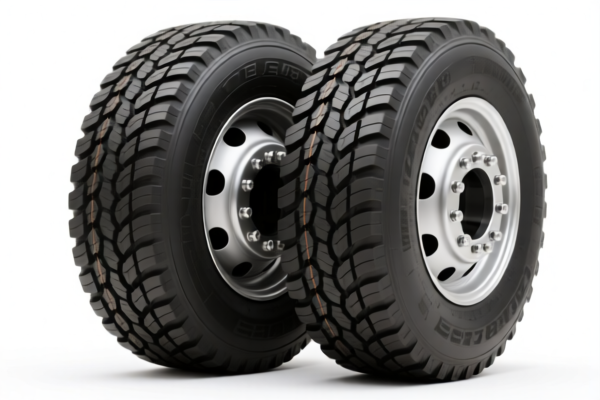
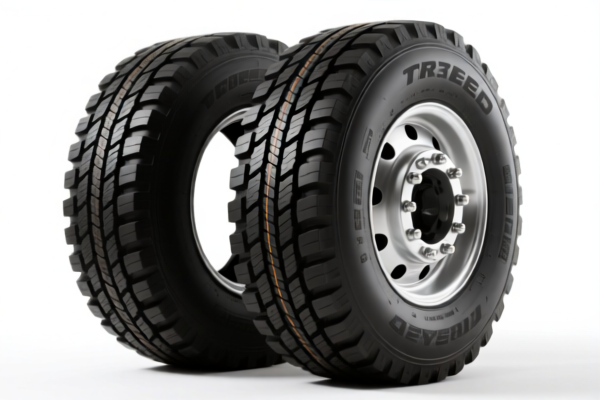
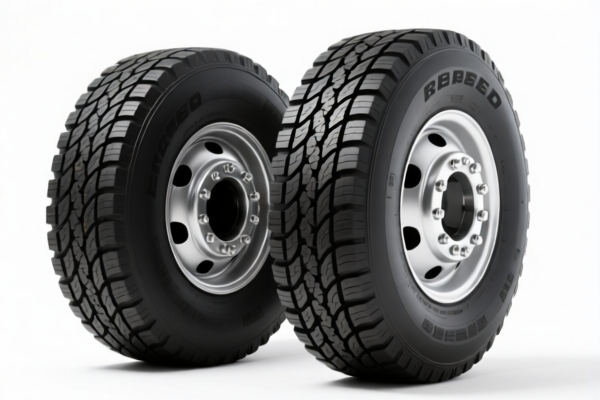
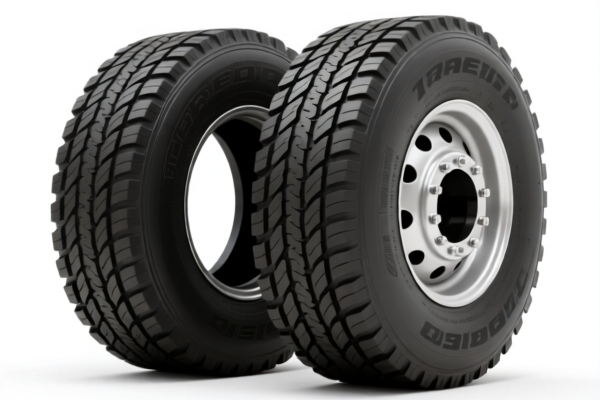
AI Analysis
🚛 New Pneumatic Radial Tires for Buses/Trucks (Other Specifications)
🌐 HS Code Reference & Customs Clearance Guide | 2026 Latest Tariff Analysis | Professional Transit Strategy
📌 Part 1: Product Definition & Classification: Do You Really Know "Radial Tires"?
New pneumatic tires are critical consumables for the global transportation sector. In international trade, specifically for buses and trucks, they are strictly categorized by usage environment (Highway vs. Off-highway) and construction (Radial).
1. On-the-Highway Radial Tires:
Designed for paved roads, long-distance transport, and high-speed stability. This is the most common category for public buses and long-haul trucks.
Key Feature: Tread patterns optimized for fuel efficiency, wear resistance, and wet traction on asphalt.
2. Off-the-Highway Radial Tires:
Designed for construction sites, mining, agriculture, or rough terrain.
Key Feature: Deep treads, reinforced sidewalls, and puncture resistance for uneven surfaces.
⚠️ Critical Distinction Point:
- If the tire is intended for regular road use (paved highways) →归入 4011.20.10.15
- If the tire is intended for non-road use (construction, mining, off-road) → 归入 4011.20.10.35
- Misclassification Risk: Declaring "Off-highway" tires as "On-the-highway" (or vice versa) can lead to customs delays, although in this specific dataset, the tariff rates are identical. However, accurate declaration is legally required for compliance.
📦 Part 2: HS Code Classification Details (2026 Latest Tariff Authority对照)
Based on the provided dataset, here are the specific HS Codes for New pneumatic radial tires for buses and trucks.
| HS Code | Product Description | Applicable Scenario | Key Characteristics |
|---|---|---|---|
4011.20.10.15 |
New pneumatic tires, of rubber: Of a kind used on buses or trucks: Radial On-the-highway: Other | Public buses, inter-city coaches, highway logistics trucks | Paved road usage, standard tread |
4011.20.10.35 |
New pneumatic tires, of rubber: Of a kind used on buses or trucks: Radial Off-the-highway: Other | Construction vehicles, agricultural machinery, mining trucks, off-road buses | Rough terrain usage, heavy-duty tread |
🔍 Important Note:
- Both codes fall under Chapter 40 (Rubber and Articles Thereof).
- The prefix4011.20.10indicates "New Pneumatic Tires" for "Buses or Trucks" in "Radial" construction.
- The suffix.15vs.35differentiates On-the-highway from Off-the-highway.
- Do not confuse with "Retreaded" tires (Chapter 4012) or "Inner Tubes (Chapter 4013)". These are separate product lines.
💰 Part 3: 2026 Latest Tariff Rate Breakdown (Including Additional Taxes & Policy Surcharges)
✅ Applicable Country: United States (US)
✅ Country of Origin: China (CN) (Note: Tariffs in data reflect China-origin specific surcharges)
✅ Effective Date: Current as per provided data
🎯 1. 4011.20.10.15 —— New Radial On-the-Highway Tires for Buses/Trucks
| Item | Detail |
|---|---|
| Base Tariff | 4.0% (Ad Valorem) |
| Additional Surcharge (Section 301 / Trade War) | +25.0% |
| Total Tariff Rate | 29.0% |
| Tax Calculation | CIF Value × 29% |
| De Minimis Eligibility | ❌ No (Cannot use Section 321 de minimis exemption for tires) |
| Legal Basis | Standard HTSUS + USITC Footnotes for Section 301 |
📌 Explanation:
- The 4.0% is the standard Most Favored Nation (MFN) duty for tires.
- The 25.0% is a punitive additional tariff imposed on Chinese goods under Section 301 of the Trade Act.
- Total Impact: Importers must budget for 29% of the CIF value as duty alone.
🎯 2. 4011.20.10.35 —— New Radial Off-the-Highway Tires for Buses/Trucks
| Item | Detail |
|---|---|
| Base Tariff | 4.0% (Ad Valorem) |
| Additional Surcharge (Section 301 / Trade War) | +25.0% |
| Total Tariff Rate | 29.0% |
| Tax Calculation | CIF Value × 29% |
| De Minimis Eligibility | ❌ No |
| Legal Basis | Standard HTSUS + USITC Footnotes for Section 301 |
📌 Note:
- Identical tariff structure to On-the-Highway tires.
- No distinction in tax burden between road and off-road use for new tires in this category.
⚠️ Part 4: Related Products in Dataset (For Context & Avoidance)
The provided data also includes Retreaded Tires and Inner Tubes. It is crucial NOT to misclassify new tires as these categories, as the tax implications differ significantly.
| HS Code | Product | Base Tax | Additional Tax | Total Tax | Crucial Difference |
|---|---|---|---|---|---|
4012.12.40.35 |
Retreaded Radial Tires (Off-the-highway) | 0.0% | 0.0% | 0.0% | ❗ Zero Duty! But strictly for used tires that have been retreaded. |
4012.12.40.25 |
Retreaded Radial Tires (On-the-highway) | 0.0% | 0.0% | 0.0% | ❗ Zero Duty! Strictly for retreaded bus/truck tires. |
4013.10.00.20 |
Inner Tubes (For Bus/Truck) | 0.0% | 0.0% | 0.0% | ❗ Inner tubes are separate from tires. |
4013.90.10.00 |
Inner Tubes (Other/Specific) | 0.0% | 25.0% | 25.0% | Higher tax for certain inner tube types. |
🚨 Warning:
- Never declare "New Tires" as "Retreaded" to avoid the 29% tax. This is customs fraud.
- Retreaded tires (4012.12) have 0% total tax in this dataset, which is a significant advantage if you are dealing with the retreading market. However, for New tires (4011.20), the 29% tax is mandatory.
🛠️ Part 5: Customs Clearance Practical Advice (Real-World Pitfall Avoidance)
✅ 1. Required Documentation Checklist
| Document | Mandatory? | Description |
|---|---|---|
| ✅ Commercial Invoice | ✔️ | Must clearly state "New Pneumatic Tires", Brand, Size, DOT number. |
| ✅ Packing List | ✔️ | List number of tires per pallet/container. |
| ✅ DOT Compliance Certificate | ✔️ | Critical for US! Tires must meet FMVSS No. 109/119. DOT stamp must be visible. |
| ✅ Certificate of Origin | ✔️ | Required to prove origin (China) for accurate Section 301 application. |
| ✅ Product Specification Sheet | ✔️ | Include tread depth, load index, speed rating, and "On-the-Highway" vs "Off-the-Highway" classification. |
✅ 2. Classification Strategy (Key Mnemonics)
🔥 "New = 4011 (29% Tax) | Retreaded = 4012 (0% Tax) | Inner Tube = 4013"
| Scenario | Correct HS Code | Tax Rate | Common Mistake |
|---|---|---|---|
| Brand new radial tire for a city bus | 4011.20.10.15 |
29% | Misdeclaring as "auto part" (8708) |
| Radial tire for a mine truck | 4011.20.10.35 |
29% | Misdeclaring as off-road equipment (8430) |
| Used tire retreaded with new tread | 4012.12.40.25 |
0% | Declaring as "new tire" (unnecessary 29%) |
| Inner tube packed with tire | 4013.10.00.20 |
0% | Declaring as part of tire (should be separate or included, but tax is 0 either way) |
✅ 3. Special Situation Handling
| Situation | Handling Advice |
|---|---|
| OEM Tires for Bus Manufacturers | Ensure invoice states "For Installation on Buses/Trucks" to justify HS 4011.20. |
| Mixed Containers (Tires + Inner Tubes) | Declare separately. Tires at 29%, Inner Tubes at 0%. This can optimize cash flow but requires accurate line-item listing. |
| DOT Marking Missing | Refusal of Entry. US Customs will detain and likely destroy tires without a visible DOT code. Ensure manufacturers apply DOT marks before export. |
| Section 301 Exclusions | Check if specific tire types are on the USITC exclusion list for Section 301. (As of current data, no exclusion is listed, so assume 25% applies). |
🌍 Part 6: Global Market Comparison (2026 Latest)
| Country/Region | Recommended HS Code | Base Tariff | Additional Surcharge | Total Tax | Notes |
|---|---|---|---|---|---|
| 🇺🇸 United States | 4011.20.10.15 |
4.0% | +25.0% | 29.0% | High barrier due to trade war. |
| 🇨🇳 China (Import) | 4011.20.10.15 |
8.0% | 0% | 8.0% | Lower than US, but still significant. |
| 🇪🇺 European Union | 4011.20.10.15 |
4.5% | 0% | 4.5% | No additional geopolitical surcharges. |
| 🇦🇺 Australia | 4011.20.10.15 |
5.0% | 0% | 5.0% | GST applies separately (10%). |
| 🇯🇵 Japan | 4011.20.10.15 |
6.0% | 0% | 6.0% | Standard tariff rate. |
📌 Conclusion:
- The US market is the most expensive for Chinese-made tires due to the 29% total tax.
- EU, Japan, Australia, and China impose standard tariffs (4-8%), making them more cost-effective for importers.
- Retreaded tires (4012.12) offer a 0% tax opportunity in the US, which is a significant competitive advantage if the business model includes retreading.
📌 Part 7: Common Errors & Pitfalls (Lessons Learned)
❌ Error 1: Declaring New Tires as Retreaded Tires
👉 Consequence: Customs fraud, heavy fines, and seizure of goods. Retreaded tires have visible recasing marks and must be documented as such.
❌ Error 2: Missing DOT Code on Tires
👉 Consequence: Entry Refused. US Customs will not release tires without a valid DOT designation. This is the #1 reason for tire delays in the US.
❌ Error 3: Misclassifying On-the-Highway as Off-the-Highway
👉 Consequence: While the tax rate is the same (29%) in this dataset, incorrect classification can lead to audits if the physical appearance clearly indicates highway use (smooth tread) vs. off-road use (aggressive lugs).
❌ Error 4: Ignoring Section 301 Exclusions
👉 Consequence: Paying 25% extra when an exclusion might apply. Always check the latest USITC exclusion lists.
✅ Correct Practice:
"New Radial Pneumatic Tire, Size 11R22.5, DOT US12AB1234, For On-The-Highway Bus Use, Brand XYZ, Origin: China"
🎯 Part 8: Conclusion: Professional Declaration, Cost Control, Efficiency!
🎯 Remember the Mnemonic:
🔹 "New Tires = 29% (US) | Retreaded = 0% (US) | DOT is Law!"
🔹 "HS Code 4011 is New, 4012 is Retreaded. Don't mix them up!"
📌 Tips:
- If you are importing retreaded tires, prioritize HS Code 4012.12 to enjoy 0% tax in the US.
- If you are importing new tires, budget for 29% and ensure DOT compliance is absolute.
- Consider transshipment or foreign trade zones (FTZ) if storage and re-export are part of your strategy.
📣 Immediate Action:
📞 Contact a licensed Customs Broker + Provide DOT-compliant samples + Apply for Advance Ruling if unsure about classification.
🚀 Let your tires clear customs smoothly, avoid 29% shocks, and maximize profits!
✨ Professional Customs Clearance Starts with Precise Classification!
💼 Every Dollar Saved in Tariffs is Pure Profit!
Customer Reviews
About HS Code Classification
The Harmonized System (HS) is an internationally standardized nomenclature developed by the World Customs Organization (WCO) to classify traded products. Over 200 countries use the HS system as the basis for customs tariffs, trade statistics, and import/export regulations.
Each HS code follows a hierarchical structure:
- Chapter (2 digits) — Broad category of goods (e.g., Chapter 84: Machinery and Mechanical Appliances)
- Heading (4 digits) — More specific grouping within the chapter
- Subheading (6 digits) — Internationally standardized breakdown, used by all WCO member countries
- National subdivisions (8-10 digits) — Country-specific extensions for further classification, such as US HTSUS 10-digit codes
Correct HS code classification is essential for smooth customs clearance, accurate duty payment, and compliance with trade regulations. Misclassification can lead to customs delays, overpayment of duties, or penalties.
When importing from CN to US, the applicable tariff rates may include:
- Most-Favored-Nation (MFN) rate — The standard duty rate applied to WTO members
- General rate — Applied to countries without trade agreements
- Trade remedy duties — Additional tariffs such as Section 301 (anti-dumping), Section 232 (national security), or countervailing duties
The information provided on this page is for reference purposes only. For official classification, please consult with your local customs authority or a licensed customs broker.