Reflective Board
CN → US| HS Code | Tariff Rate | Origin | Destination | Doc |
|---|---|---|---|---|
| 3919905010 | 40.8% | CN | US | Official Doc |
| 9405694000 | 41.0% | CN | US | Official Doc |
| 9405916080 | 39.5% | CN | US | Official Doc |
| 9405920000 | 38.7% | CN | US | Official Doc |
| 7020006000 | 40.0% | CN | US | Official Doc |
Product Images
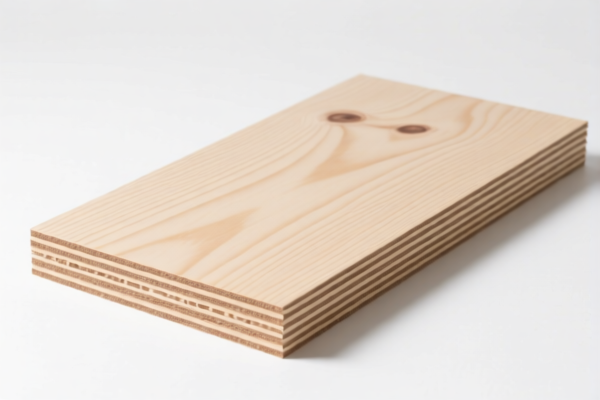
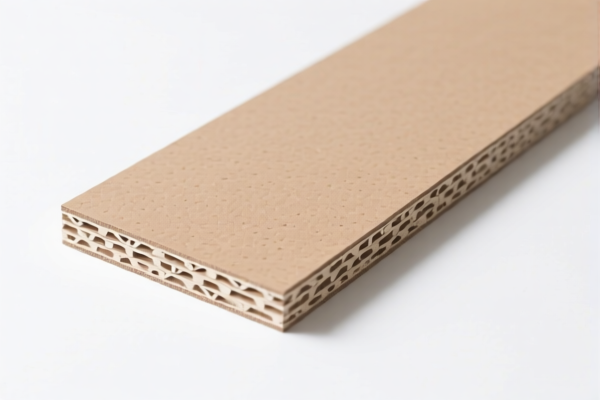
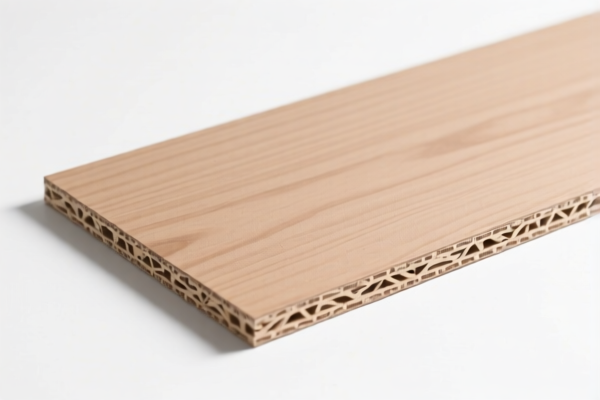
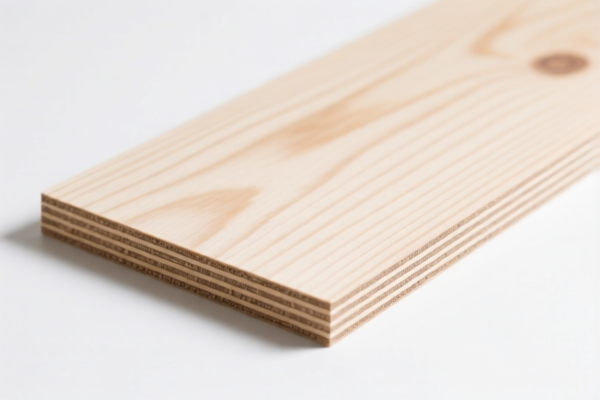
AI Analysis
🪞 Reflective Board (反光板/反射板)
🌐 HS Code Reference & Customs Clearance Guide | 2026 Latest Tariff Analysis | Professional Clearance Strategy
📌 I. Product Definition & Classification: What Exactly is a "Reflective Board"?
In international trade, a "Reflective Board" is a broad term that can refer to materials used for lighting efficiency, safety signage, or optical display. The critical differentiator lies in its material composition, function, and structure:
- Self-Adhesive/Plastic Reflective Sheets: Used for vehicle decals, safety markings, or traffic signs. Primarily made of plastic with reflective coatings.
- Glowing/Luminous Signs: Signs that emit or reflect light, often containing metal coatings or substrates, used for commercial advertising.
- Lighting Fixtures/Accessories: Parts of lighting systems (e.g., reflectors inside lamps), made of plastic, glass, or composite materials.
- Glass/Resin Reflective Plates: Pure glass or resin-based reflective products, often used in optical instruments or specialized industrial applications.
⚠️ Key Classification Distinction:
- If it is a self-adhesive plastic sheet for marking/safety → Likely 3919.90.50.10.
- If it is a luminous sign (glowing/metallic) → Likely 9405.69.40.00.
- If it is a part of a lamp/lighting system → Likely 9405.91.60.80 or 9405.92.00.00.
- If it is a pure glass/resin reflective plate (not a light fixture part) → Likely 7020.00.60.00.
📦 II. HS Code Classification Details (2026 Latest Tariff Reference)
| HS Code | Product Description | Application Scenario | Material/Structure | Total Tax Rate* |
|---|---|---|---|---|
3919.90.50.10 |
Self-adhesive reflective plates, plastic-based | Vehicle decals, traffic safety signs, industrial labeling | Plastic flat sheets, self-adhesive | 40.8% |
9405.69.40.00 |
Luminous signs, metallic coating/substrate | Commercial advertising signs, illuminated billboards | Metal or metal-coated substrate, glowing | 41.0% |
9405.91.60.80 |
Lighting fixture accessories, plastic/composite | Internal reflectors for lamps, light diffusers | Plastic or composite material | 39.5% |
9405.92.00.00 |
Lighting fixture parts, plastic/film | Reflective plates for lighting systems, nameplates | Plastic or thin film | 38.7% |
7020.00.60.00 |
Other glass products, glass/resin base | Optical reflectors, glass-based reflective plates | Glass or resin base | 40.0% |
🔍 Key Reminder:
- Do not mix "Signs" (9405) with "Raw Materials" (3919). A ready-to-install reflective sheet for vehicles is3919, but a framed glowing sign is9405.
- Lighting Accessories (9405.9x) are only for products specifically designed as parts of lamps. If it’s a standalone reflective plate used in general industry, it might fall under7020(Glass) or3919(Plastic).
💰 III. 2026 Latest Tariff Rate Details (Including Surcharges)
✅ Applicable Country: United States (US)
✅ Origin: China (CN)
✅ Effective Time: Since November 10, 2025 (for subsequent imports)
🎯 1. 3919.90.50.10 —— Self-Adhesive Reflective Plates (Plastic-Based)
| Item | Details |
|---|---|
| Base Duty Rate | 5.8% |
| Section 301 Surcharge | +25.0% |
| IEEPA Surcharge (Section 122) | +10.0% |
| Total Tax Rate | 40.8% |
| Tax Calculation | CIF Value × 40.8% |
| De Minimis Eligibility | ❌ No (Denied) |
| Legal Basis Path | IEEPA:9903.01.25 → USITC:3919.90.50.10 → FOOTNOTE:301.01 |
📌 Explanation:
- Base 5.8%: Standard MFN duty for plastic self-adhesive plates.
- +25% (Section 301): Retaliatory tariff on Chinese plastic products.
- +10% (IEEPA): Additional tariff under the International Emergency Economic Powers Act targeting specific Chinese imports.
- Total 40.8%: High tariff barrier. Ensure your product is strictly classified as "self-adhesive" and not a "sign" to avoid misclassification penalties.
🎯 2. 9405.69.40.00 —— Luminous Signs (Metallic/Metal-Based)
| Item | Details |
|---|---|
| Base Duty Rate | 6.0% |
| Section 301 Surcharge | +25.0% |
| IEEPA Surcharge (Section 122) | +10.0% |
| Total Tax Rate | 41.0% |
| Tax Calculation | CIF Value × 41.0% |
| De Minimis Eligibility | ❌ No (Denied) |
| Legal Basis Path | IEEPA:9903.01.25 → USITC:9405.69.40.00 → FOOTNOTE:301.01 |
📌 Note:
- This code applies to commercial luminous signs. If your product is a simple reflective sheet without lighting components, do not use this code.
- Highest total rate among the options due to the 6% base duty.
🎯 3. 9405.91.60.80 —— Lighting Fixture Accessories (Plastic/Composite)
| Item | Details |
|---|---|
| Base Duty Rate | 4.5% |
| Section 301 Surcharge | +25.0% |
| IEEPA Surcharge (Section 122) | +10.0% |
| Total Tax Rate | 39.5% |
| Tax Calculation | CIF Value × 39.5% |
| De Minimis Eligibility | ❌ No (Denied) |
| Legal Basis Path | IEEPA:9903.01.25 → USITC:9405.91.60.80 → FOOTNOTE:301.01 |
📌 Note:
- Use this only if the reflective board is a part of a lamp/lighting system (e.g., a reflector inside a LED bulb).
- Lower base rate (4.5%) makes it slightly cheaper than self-adhesive plates.
🎯 4. 9405.92.00.00 —— Lighting Fixture Parts (Plastic/Film)
| Item | Details |
|---|---|
| Base Duty Rate | 3.7% |
| Section 301 Surcharge | +25.0% |
| IEEPA Surcharge (Section 122) | +10.0% |
| Total Tax Rate | 38.7% |
| Tax Calculation | CIF Value × 38.7% |
| De Minimis Eligibility | ❌ No (Denied) |
| Legal Basis Path | IEEPA:9903.01.25 → USITC:9405.92.00.00 → FOOTNOTE:301.01 |
📌 Note:
- Lowest total rate in the dataset.
- Applicable for thin plastic/film reflective parts used in lighting.
- Caution: Must be definitively a "part of a lighting fixture." If it’s a standalone board, this classification may be rejected by customs.
🎯 5. 7020.00.60.00 —— Glass/Resin Reflective Products
| Item | Details |
|---|---|
| Base Duty Rate | 5.0% |
| Section 301 Surcharge | +25.0% |
| IEEPA Surcharge (Section 122) | +10.0% |
| Total Tax Rate | 40.0% |
| Tax Calculation | CIF Value × 40.0% |
| De Minimis Eligibility | ❌ No (Denied) |
| Legal Basis Path | IEEPA:9903.01.25 → USITC:7020.00.60.00 → FOOTNOTE:301.01 |
📌 Note:
- Used for glass or resin-based reflective plates that are not parts of lighting fixtures (e.g., optical mirrors, industrial glass reflectors).
- If your product is plastic-based, do not use this code. Misclassification can lead to penalties.
🛠️ IV. Customs Clearance Practical Advice (Pitfall Avoidance Guide)
✅ 1. Documentation Checklist (Essential)
| Document | Required | Purpose |
|---|---|---|
| ✅ Product Spec Sheet | ✔️ | Must specify material (Plastic/Glass/Metal), function (Adhesive/Lighting Part), and structure. |
| ✅ Product Photos | ✔️ | Clear images showing adhesive backing, lighting components, or glass surface. |
| ✅ Composition Declaration | ✔️ | Explicitly state material content (e.g., "90% PET Plastic, 10% Aluminum Coating"). |
| ✅ Commercial Invoice | ✔️ | Clearly describe product as "Self-Adhesive Reflective Sheet" or "Lighting Reflector," NOT vague "Reflective Board." |
| ✅ Packing List | ✔️ | Detail dimensions and quantity. |
✅ 2. Declaration Tips (Key Mantra)
🔥 "Material First, Function Second, Name Specific, Rate Clear!"
| Scenario | Correct Declaration | Wrong Practice |
|---|---|---|
| Self-adhesive plastic sheet | "Self-Adhesive PET Reflective Sheet for Vehicle Decals" | "Reflective Board" → Ambiguous, risk of misclassification. |
| Part of a lamp | "Plastic Reflector for LED Lamp, Part No. XYZ" | "Reflective Plate" → Risk of being classified as 7020 or 3919. |
| Glowing sign | "LED Luminous Sign with Metal Frame" | "Reflective Board" → Under-declares value/function. |
| Glass mirror/plate | "Glass Reflective Plate for Optical Use" | "Plastic Board" → Material mismatch, customs seizure risk. |
✅ 3. Special Case Handling
| Situation | Handling Advice |
|---|---|
| Composite Materials | If plastic + glass, declare the primary material or function. If it’s a light part, use 9405. |
| OEM Custom Products | Provide design drawings to prove it’s a part of a specific lighting system (9405.92). |
| Small Samples | Even for samples, the 40%+ tariff applies. No de minimis exemption. |
| Mixed Shipments | Separate 3919 (adhesive) and 9405 (lighting parts) in the invoice to avoid cross-classification issues. |
🌍 V. Global Market Comparison (2026 Latest)
| Country/Region | Recommended HS Code | Tariff Rate | Certification Requirements | Notes |
|---|---|---|---|---|
| 🇺🇸 USA | Varies (See Above) | 38.7% - 41.0% | No specific CE/FCC for reflective boards, but lighting parts may need UL. | High tariffs due to Section 301 & IEEPA. |
| 🇨🇳 China | Varies | 5% - 6% | CCC (if electrical lighting part) | Base rates apply, no surcharges. |
| 🇪🇺 EU | 3919 or 9405 | 0% - 6% | CE (if lighting), RoHS | Lower base rates, no Section 301 equivalent. |
| 🇬🇧 UK | 3919 or 9405 | 0% - 6% | UKCA (if lighting) | Post-Brexit rules, generally stable. |
📌 Conclusion:
- The US market is the most expensive due to the 35-41% total tariff.
- Europe/China offer significantly lower base duties.
- Strategy: For US exports, ensure precise classification to avoid overpayment or penalties. Consider supply chain diversification if margins are thin.
📌 VI. Common Errors & Pitfalls (Lessons Learned)
❌ Error 1: Declaring a self-adhesive plastic sheet as a lighting part (9405.92)
👉 Consequence: Customs may reject it as "not a lighting part" and reclassify to 3919 or 7020, causing delays.
👉 Risk: If reclassified to 3919 (40.8%) from 9405.92 (38.7%), you pay more. If rejected, you pay storage fees.
❌ Error 2: Declaring a luminous sign (9405.69) as a plastic sheet (3919)
👉 Consequence: Under-declaration of value/function.
👉 Risk: Customs inspection reveals the sign is glowing/metallic, leading to higher tax (41.0%) and penalties.
❌ Error 3: Using vague terms like "Reflective Board" in the invoice
👉 Consequence: Customs officer must guess the classification.
👉 Risk: Default to highest duty rate or request additional information, delaying clearance by 7-14 days.
❌ Error 4: Ignoring the IEEPA 10% Surcharge
👉 Consequence: Budgeting for only 30% (Base + 301) leads to cash flow issues.
👉 Fact: The 10% is mandatory for most Chinese-origin goods.
✅ Correct Approach:
"Self-Adhesive Reflective Sheet, 1.5mm PET Plastic, for Vehicle Safety Marking, Model REF-2026"
OR
"LED Lamp Reflector, ABS Plastic, Part of Lighting System, Model LMP-RFL-100"
🎯 VII. Conclusion: Professional Declaration, Cost Optimization
🎯 Remember the Mantra:
🔹 "Material determines HS, Function confirms it."
🔹 "Plastic Adhesive = 3919 (40.8%), Lighting Part = 9405 (38.7-39.5%), Glass = 7020 (40.0%)."
🔹 "Vague names = High Risk, Specific names = Fast Clearance."
📌 Tips:
- If your product is not from China, check for Free Trade Agreement (FTA) benefits.
- For lighting parts, ensure you have UL/ETL certification if required by the end-user, even if not mandatory for customs.
- Always request an Advance Ruling from US Customs if your product has mixed features (e.g., plastic + metal coating).
📣 Immediate Action:
📞 Contact your freight forwarder with exact product specs.
📄 Prepare a detailed composition sheet (Material %).
🚀 Accurate declaration saves time, money, and headaches!
✨ Professional Customs Clearance Starts with Precise Classification!
💼 Every percentage point of tariff matters in the US market!
Customer Reviews
About HS Code Classification
The Harmonized System (HS) is an internationally standardized nomenclature developed by the World Customs Organization (WCO) to classify traded products. Over 200 countries use the HS system as the basis for customs tariffs, trade statistics, and import/export regulations.
Each HS code follows a hierarchical structure:
- Chapter (2 digits) — Broad category of goods (e.g., Chapter 84: Machinery and Mechanical Appliances)
- Heading (4 digits) — More specific grouping within the chapter
- Subheading (6 digits) — Internationally standardized breakdown, used by all WCO member countries
- National subdivisions (8-10 digits) — Country-specific extensions for further classification, such as US HTSUS 10-digit codes
Correct HS code classification is essential for smooth customs clearance, accurate duty payment, and compliance with trade regulations. Misclassification can lead to customs delays, overpayment of duties, or penalties.
When importing from CN to US, the applicable tariff rates may include:
- Most-Favored-Nation (MFN) rate — The standard duty rate applied to WTO members
- General rate — Applied to countries without trade agreements
- Trade remedy duties — Additional tariffs such as Section 301 (anti-dumping), Section 232 (national security), or countervailing duties
The information provided on this page is for reference purposes only. For official classification, please consult with your local customs authority or a licensed customs broker.