Reflective Plastic Sticker
CN → US| HS Code | Tariff Rate | Origin | Destination | Doc |
|---|---|---|---|---|
| 3919905010 | 40.8% | CN | US | Official Doc |
| 5903102090 | 35.0% | CN | US | Official Doc |
| 5903102010 | 35.0% | CN | US | Official Doc |
| 3921110000 | 40.3% | CN | US | Official Doc |
| 3919101010 | 41.5% | CN | US | Official Doc |
Product Images
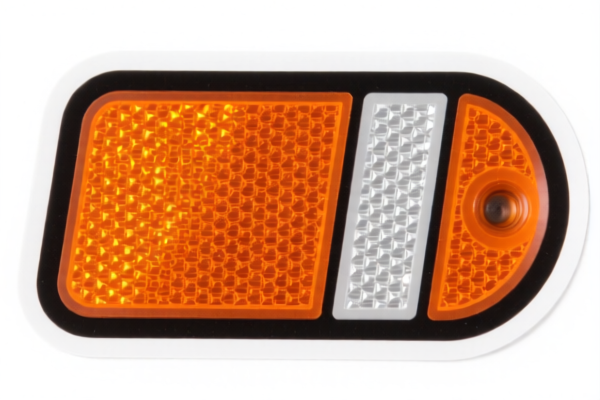
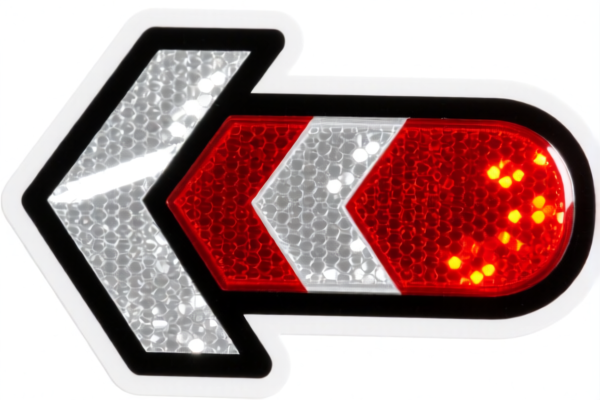

AI Analysis
🌟 Reflective Plastic Stickers: The Ultimate HS Code & Customs Clearance Guide (2026 Edition)
🌐 HS Code Reference & Customs Guide | 2026 Latest Tariff Analysis | Professional Clearance Strategy
📌 1. Product Definition & Classification: Do You Really Understand "Reflective Plastic Stickers"?
Reflective plastic stickers are critical safety components used in traffic signs, vehicle markings, personal protective equipment (PPE), and industrial labeling. In international trade, they are not classified as a single entity. Their classification depends entirely on their material composition and physical form.
In the US market, these products are subject to significant tariffs due to Section 301 and IEEPA regulations. Misclassification can lead to severe penalties, delayed shipments, or excessive duty costs.
⚠️ Key Distinction Point:
- Is it a self-adhesive film (like a sticker) → Look at Chapter 39, Heading 3919.
- Is it an impregnated/coated fabric or film → Look at Chapter 59, Heading 5903.
- Is it a general plastic strip/tape → Look at Chapter 39, Heading 3921.
📦 2. HS Code Classification Details (2026 Latest Authorized Alignment)
Based on the provided data, here are the four precise HS codes for "Reflective Plastic Stickers" with their corresponding tax structures.
| HS Code | Product Description | Applicable Scenario | Tax Rate (Total) | Key Tax Components |
|---|---|---|---|---|
| 3919.90.50.10 | Reflective sticker, plastic material, self-adhesive film form | Standard self-adhesive reflective decals, wall stickers, general safety labels | 40.8% | Base: 5.8% + Sec 301: 25% + IEEPA 122: 10% |
| 5903.10.20.90 | Reflective sticker, plastic/polymer coated, impregnated/coated film form | Reflective tapes on fabric backing, coated polymer films used for safety gear | 35.0% | Base: 0.0% + Sec 301: 25% + IEEPA 122: 10% |
| 5903.10.20.10 | Reflective sticker, plastic-coated film/fabric, impregnated form | Specific impregnated plastic-coated fabrics, industrial safety vests material | 35.0% | Base: 0.0% + Sec 301: 25% + IEEPA 122: 10% |
| 3921.11.00.00 | Reflective sticker, plastic polymer film, strip form | General plastic strips, non-self-adhesive reflective films, laminates | 40.3% | Base: 5.3% + Sec 301: 25% + IEEPA 122: 10% |
| 3919.10.10.10 | Reflective sticker, plastic film, self-adhesive with glass bead layer | High-intensity reflective tapes for vehicles, highway signs with glass beads | 41.5% | Base: 6.5% + Sec 301: 25% + IEEPA 122: 10% |
🔍 Critical Warning:
- Self-Adhesive vs. Non-Adhesive: If it has glue on the back, it likely falls under 3919. If it is just a coated film/tape without adhesive, it may fall under 3921 or 5903.
- Glass Beads: If the reflective property comes specifically from glass beads embedded in a self-adhesive film, 3919.10.10.10 is the most accurate fit, carrying the highest base rate (6.5%).
- Impregnated/Coated: If the plastic is a coating on a fabric or non-film substrate, use 5903. These have 0% Base Duty, making them slightly cheaper than others, but still hit by the 35% total tariff.
💰 3. 2026 Latest Tariff Rate Breakdown (Including Surcharges & Policy Add-ons)
✅ Applicable Country: United States (US)
✅ Country of Origin: China (CN)
✅ Effective Date: Current regulations apply (2025-2026 framework)
🎯 1. 3919.10.10.10 – Self-Adhesive Film with Glass Beads (Highest Duty)
| Item | Content |
|---|---|
| Base Duty Rate | 6.5% (ad valorem) |
| Section 301 Surcharge | +25% (USITC Footnote 9903.88.01) |
| IEEPA 122 Surcharge | +10% (Targeted Chinese Products) |
| Total Effective Rate | 41.5% |
| Duty Calculation | CIF Value × 41.5% |
| De Minimis Exemption | ❌ Not Eligible (Section 301 goods are excluded from $800 de minimis) |
| Legal Basis Path | IEEPA:9903.01.25 → USITC:3919.10.10.10 → FOOTNOTE:301 |
📌 Explanation:
- The 6.5% base rate is relatively high because glass-bead reflective films are considered high-tech safety materials.
- The 35% combined surcharge (25% + 10%) is mandatory for Chinese-origin goods.
- Total Cost Impact: This is the most expensive classification. Ensure your product explicitly contains "glass beads" to justify this code, as misdeclaring it as a simpler plastic film (3919.90) is fraudulent and risky.
🎯 2. 3919.90.50.10 – Self-Adhesive Plastic Film (Standard)
| Item | Content |
|---|---|
| Base Duty Rate | 5.8% (ad valorem) |
| Section 301 Surcharge | +25% |
| IEEPA 122 Surcharge | +10% |
| Total Effective Rate | 40.8% |
| Duty Calculation | CIF Value × 40.8% |
| De Minimis Exemption | ❌ Not Eligible |
| Legal Basis Path | IEEPA:9903.01.25 → USITC:3919.90.50.10 → FOOTNOTE:301 |
📌 Note:
- This code applies to other self-adhesive plastic films (e.g., microprismatic reflective stickers without glass beads, or generic decorative reflective stickers).
- It is slightly cheaper than the glass-bead version (40.8% vs 41.5%), but the difference is marginal.
🎯 3. 5903.10.20.10 & 5903.10.20.90 – Impregnated/Coated Films (Lowest Base Duty)
| Item | Content |
|---|---|
| Base Duty Rate | 0.0% (ad valorem) |
| Section 301 Surcharge | +25% |
| IEEPA 122 Surcharge | +10% |
| Total Effective Rate | 35.0% |
| Duty Calculation | CIF Value × 35.0% |
| De Minimis Exemption | ❌ Not Eligible |
| Legal Basis Path | IEEPA:9903.01.25 → USITC:5903.10.20.xx → FOOTNOTE:301 |
📌 Note:
- These codes apply if the "sticker" is actually a coated fabric or impregnated film (e.g., reflective material for safety vests, coated polymer sheets).
- Strategic Advantage: The base duty is 0%. While the surcharges still apply, the total tariff is 5.8%–6.5% lower than the plastic film categories.
- Risk: If you ship a simple self-adhesive plastic sheet but declare it as 5903, customs will reject it for misclassification. Only use this if the product is genuinely a coated/impregnated material.
🎯 4. 3921.11.00.00 – Plastic Polymer Strips (Non-Self-Adhesive)
| Item | Content |
|---|---|
| Base Duty Rate | 5.3% (ad valorem) |
| Section 301 Surcharge | +25% |
| IEEPA 122 Surcharge | +10% |
| Total Effective Rate | 40.3% |
| Duty Calculation | CIF Value × 40.3% |
| De Minimis Exemption | ❌ Not Eligible |
| Legal Basis Path | IEEPA:9903.01.25 → USITC:3921.11.00.00 → FOOTNOTE:301 |
📌 Note:
- Use this only if the product is a plastic strip/film without adhesive (e.g., reflective tape rolls that are not self-sticking, or laminated plastic sheets).
- If it has glue, do not use this code.
🛠️ 4. Customs Clearance Practical Advice (Battle-Tested Pitfall Guide)
✅ 1. Preparation Checklist (Mandatory)
| Document | Required | Explanation |
|---|---|---|
| ✅ Product Specification Sheet | ✔️ | Must specify: Material (PLA/PVC/PET), Reflective Type (Glass Bead vs. Microprismatic), Adhesive Type (Permanent/Removable). |
| ✅ Technical Drawing/Structure | ✔️ | Show layers: Backing material, adhesive layer, reflective layer, protective liner. |
| ✅ Product Photos | ✔️ | Clear images of the roll, the backing paper, and the reflective surface. |
| ✅ Bill of Lading/Packing List | ✔️ | Must match HS Code description exactly. |
| ✅ Commercial Invoice | ✔️ | Value must be CIF. Declare "Reflective Plastic Sticker" not just "Plastic". |
| ✅ Origin Certificate | ✔️ | Prove origin is China to trigger Section 301/IEEPA correctly (or exemption if applicable). |
✅ 2. Declaration Strategy (Key Mnemonic)
🔥 "Glue = 3919, No Glue = 3921/5903, Glass Beads = 6.5% Base!"
| Scenario | Correct HS Code | Error Consequence |
|---|---|---|
| Self-adhesive sticker with glass beads | 3919.10.10.10 (41.5%) |
Declaring as 3919.90 saves 0.7% but risks fraud charges if beads are present. |
| Self-adhesive sticker, no beads (microprismatic) | 3919.90.50.10 (40.8%) |
Declaring as 5903 (35%) is incorrect and will cause audit/rejection. |
| Coated fabric for safety vests | 5903.10.20.90 (35.0%) |
Best cost option if product matches description. |
| Reflective tape roll (no adhesive) | 3921.11.00.00 (40.3%) |
Do not declare as sticker if it’s not self-adhesive. |
✅ 3. Special Situation Handling
| Situation | Advice |
|---|---|
| OEM Custom Sizes | Provide the customer’s PO and technical specs. Do not genericize the description. |
| Mixed Containers | If you ship reflective stickers with other goods, declare them separately. Do not mix HS Codes on one line item. |
| De Minimis ($800) | ❌ DO NOT USE for Chinese-origin reflective plastic stickers. Section 301 goods are explicitly excluded from de minimis relief. Expect full duty payment. |
| Pre-Ruling Request | Highly recommended. File an Advance Ruling Request with CBP using product samples to lock in the HS Code and avoid post-entry audits. |
🌍 5. Global Market Comparison (2026 Latest)
| Country/Region | Recommended HS Code | Effective Duty (China Origin) | Key Certification | Notes |
|---|---|---|---|---|
| 🇺🇸 USA | 3919.10.10.10 / 3919.90.50.10 |
40.8% – 41.5% | None specific for import, but DOT/FMVSS for vehicle use | Highest Tariff. Section 301 + IEEPA 122 applies. |
| 🇨🇳 China | 3919.10.10.10 |
5.8% – 6.5% | CCC (if for automotive) | Low import duty, but high export tax potential. |
| 🇪🇺 EU | 3919.90 / 5903.10 |
5.3% – 6.5% | CE Marking (for PPE) | No Section 301 equivalent, but anti-dumping may apply. |
| 🇬🇧 UK | 3919.90 |
5.3% – 6.5% | UKCA Marking | Post-Brexit tariffs similar to EU. |
| 🇨🇦 Canada | 3919.90 |
5.3% | None | No Section 301 equivalent. CUSMA/USMCA benefits if non-NA origin. |
📌 Conclusion:
- The US is the most expensive market for reflective plastic stickers from China due to the 35% surcharge.
- Cost Optimization: If your product is a coated fabric (not film), use 5903 to save ~5.8% in base duties.
- Compliance: Ensure your product description explicitly mentions "Self-Adhesive" or "Impregnated" to match the HS Code.
📌 6. Common Errors & Pitfall Guide (Lessons Learned)
❌ Error 1: Using De Minimis ($800) for Chinese Reflective Stickers
👉 Result: Customs will seize the package and demand full duty (40%+) + penalties.
✅ Fix: Always declare fully for Chinese origin goods.
❌ Error 2: Misclassifying "Self-Adhesive" as "Coated Fabric" (5903) to save tax
👉 Result: If customs opens the package and sees glue, they will reclassify to 3919, charge the difference, and fine you.
✅ Fix: Be honest. If it’s plastic film, use 3919/3921.
❌ Error 3: Ignoring "Glass Beads" in description
👉 Result: If the product has glass beads but you declare it under 3919.90 (lower base rate), it’s misclassification.
✅ Fix: Specify "Glass Bead Reflective" to use 3919.10.10.10 confidently.
🎯 7. Conclusion: Professional Declaration, Save Money, Stay Legal!
🎯 Remember the Mnemonic:
🔹 "Glue = 3919, No Glue = 3921, Coated = 5903"
🔹 "China Origin = 35% Extra, Total Tax ≈ 40%"
🔹 "De Minimis = NO for China!"
📌 Pro Tip:
If your reflective stickers are exported to third countries (not China origin), check for USMCA/CUSMA benefits if coming from Canada/Mexico, or GSP if applicable (though limited for plastics).
For Chinese origin, plan for a 40% landed cost increase.
📣 Immediate Action:
📞 Contact your freight forwarder with product photos and material specs.
🚀 Request an HS Code Pre-Ruling from CBP if shipping large volumes.
💡 Consider product redesign (e.g., using coated fabrics instead of plastic films) to qualify for the lower 35% tariff category if possible.
✨ Professional Customs Clearance Starts with Accurate Classification!
💼 Every percentage point matters in international trade!
Customer Reviews
About HS Code Classification
The Harmonized System (HS) is an internationally standardized nomenclature developed by the World Customs Organization (WCO) to classify traded products. Over 200 countries use the HS system as the basis for customs tariffs, trade statistics, and import/export regulations.
Each HS code follows a hierarchical structure:
- Chapter (2 digits) — Broad category of goods (e.g., Chapter 84: Machinery and Mechanical Appliances)
- Heading (4 digits) — More specific grouping within the chapter
- Subheading (6 digits) — Internationally standardized breakdown, used by all WCO member countries
- National subdivisions (8-10 digits) — Country-specific extensions for further classification, such as US HTSUS 10-digit codes
Correct HS code classification is essential for smooth customs clearance, accurate duty payment, and compliance with trade regulations. Misclassification can lead to customs delays, overpayment of duties, or penalties.
When importing from CN to US, the applicable tariff rates may include:
- Most-Favored-Nation (MFN) rate — The standard duty rate applied to WTO members
- General rate — Applied to countries without trade agreements
- Trade remedy duties — Additional tariffs such as Section 301 (anti-dumping), Section 232 (national security), or countervailing duties
The information provided on this page is for reference purposes only. For official classification, please consult with your local customs authority or a licensed customs broker.