Reflective Traffic Sign Film
CN → US| HS Code | Tariff Rate | Origin | Destination | Doc |
|---|---|---|---|---|
| 3926909989 | 22.8% | CN | US | Official Doc |
| 3919901000 | 41.5% | CN | US | Official Doc |
| 3919101010 | 41.5% | CN | US | Official Doc |
| 5903102010 | 35.0% | CN | US | Official Doc |
| 5903102090 | 35.0% | CN | US | Official Doc |
Product Images



AI Analysis
🚦 Reflective Traffic Sign Film
🌐 HS Code Reference & Customs Clearance Guide | 2026 Latest Tariff Analysis | Professional-Level Clearance Strategy
📌 I. Product Definition and Classification: Do You Really Understand "Reflective Traffic Sign Film"?
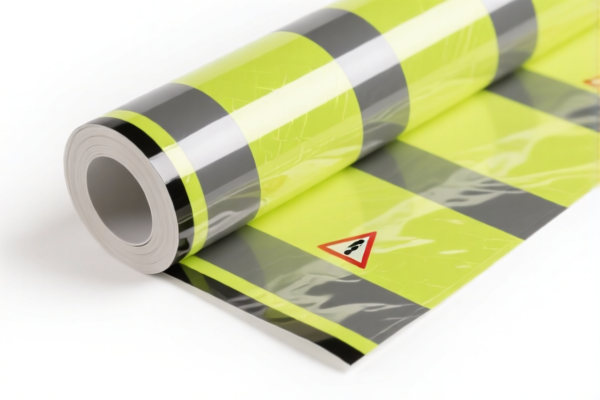
Reflective Traffic Sign Film is a specialized photometric material used for road safety signage, traffic signs, and vehicle markings. It consists of a reflective layer (usually glass beads or microprismatic) sandwiched between a protective overcoat and a pressure-sensitive adhesive backing.
In international trade, it is not simply "plastic film." It is classified based on its substrate (what the reflective layer is applied to) and its form (roll/tape vs. sheet).
⚠️ Critical Distinction:
- If it is a standalone plastic sheet (not woven fabric) intended for lamination or direct application → Chapter 39 (Plastics)
- If it is a textile fabric coated or impregnated with plastic for reflectivity → Chapter 59 (Impregnated Textiles)
- If it is a self-adhesive tape (narrow, roll form) → Chapter 39 (Plastic Tapes)
📦 II. HS Code Classification Details (2026 Latest Tariff Authority)
| HS Code | Product Description | Application Scenario | Substrate Material | Adhesive Type |
|---|---|---|---|---|
3926.90.99.89 |
Other articles of plastics (e.g., Reflective Outdoor Sign Film) | Large-format sign sheets, billboard films, non-adhesive reflective sheets | Plastic Film (PET/PC) | N/A (No adhesive layer) |
3919.90.10.00 |
Reflective Surface Plastic Tapes (e.g., Reflective Traffic Tape) | Narrow reflective strips, edge markers | Plastic Film | Adhesive |
3919.10.10.10 |
Self-Adhesive Plastic Tapes (e.g., Standard Reflective Tape) | General purpose reflective taping | Plastic/PVC | Pressure-Sensitive Adhesive |
5903.10.20.10 |
Textile Fabric Coated/Laminated with Plastic (e.g., Reflective Fabric Tape) | Reflective vests, broad reflective strips on fabric backing | Woven/Knitted Fabric | Adhesive |
5903.10.20.90 |
Textile Fabric Impregnated with Plastics (e.g., Reflective Textile Tape) | Heavy-duty reflective textiles, industrial safety gear | Woven/Knitted Fabric | Impregnated |
🔍 Key Reminder:
- "Film" vs. "Tape": If the product is a wide sheet (>20cm) without adhesive, it falls under 3926. If it is narrow and has adhesive, it falls under 3919. - "Plastic" vs. "Textile": If the backing is fabric (even if coated with plastic), it falls under 5903. If the backing is pure plastic (PET/PVC), it falls under 3919 or 3926.
💰 III. 2026 Latest Tariff Rate Details (Including Additional Taxes & Policy Add-ons)
✅ Applicable Country: United States (US)
✅ Origin: China (CN)
✅ Effective Date: Ongoing (Section 301 & IEEPA Tariffs)
🎯 1. 3926.90.99.89 — Reflective Outdoor Sign Film (Plastic Article)
| Item | Content |
|---|---|
| Base Rate | 5.3% (ad valorem) |
| Section 301 Additional Tariff | +7.5% |
| Section 122 Tariff | +10% |
| Total Effective Rate | 22.8% |
| Tax Calculation | CIF Value × 22.8% |
| De Minimis Eligibility | ❌ No (High tariff rate exceeds threshold for exemption) |
| Legal Basis Path | HTSUS:3926.90.99.89 → USITC:Section 301 → Section 122 |
📌 Explanation:
- Base Tariff (5.3%): Applies to "Other articles of plastics."
- Section 301 (7.5%): Added tariff on specific Chinese plastic goods.
- Section 122 (10%): Additional duty under the Trade Expansion Act for essential goods.
- Total (22.8%): Moderate tariff burden compared to tapes, but still significant for low-margin film products.
🎯 2. 3919.90.10.00 — Reflective Surface Plastic Tapes
| Item | Content |
|---|---|
| Base Rate | 6.5% (ad valorem) |
| Section 301 Additional Tariff | +25.0% |
| Section 122 Tariff | +10% |
| Total Effective Rate | 41.5% |
| Tax Calculation | CIF Value × 41.5% |
| De Minimis Eligibility | ❌ No |
| Legal Basis Path | HTSUS:3919.90.10.00 → USITC:Section 301 → Section 122 |
📌 Warning:
- This category attracts the highest tariff among plastic-based reflective products.
- Section 301 (25%) is the dominant cost driver.
- Recommendation: Avoid this HS code unless absolutely necessary. Consider reclassifying if possible.
🎯 3. 3919.10.10.10 — Self-Adhesive Plastic Tapes
| Item | Content |
|---|---|
| Base Rate | 6.5% (ad valorem) |
| Section 301 Additional Tariff | +25.0% |
| Section 122 Tariff | +10% |
| Total Effective Rate | 41.5% |
| Tax Calculation | CIF Value × 41.5% |
| De Minimis Eligibility | ❌ No |
| Legal Basis Path | HTSUS:3919.10.10.10 → USITC:Section 301 → Section 122 |
📌 Note:
- Identical tariff burden to3919.90.10.00.
- Applies to standard self-adhesive reflective tapes (e.g., PVC-based).
🎯 4. 5903.10.20.10 — Textile Fabric Coated/Laminated with Plastic (Reflective)
| Item | Content |
|---|---|
| Base Rate | 0.0% (ad valorem) |
| Section 301 Additional Tariff | +25.0% |
| Section 122 Tariff | +10% |
| Total Effective Rate | 35.0% |
| Tax Calculation | CIF Value × 35.0% |
| De Minimis Eligibility | ❌ No |
| Legal Basis Path | HTSUS:5903.10.20.10 → USITC:Section 301 → Section 122 |
📌 Advantage:
- Lower base rate (0%) compared to plastic tapes.
- Total 35% is 6.5% cheaper than plastic tape categories (3919.x).
- Key Condition: Must have a textile backing (woven or knitted fabric).
🎯 5. 5903.10.20.90 — Textile Fabric Impregnated with Plastics (Reflective)
| Item | Content |
|---|---|
| Base Rate | 0.0% (ad valorem) |
| Section 301 Additional Tariff | +25.0% |
| Section 122 Tariff | +10% |
| Total Effective Rate | 35.0% |
| Tax Calculation | CIF Value × 35.0% |
| De Minimis Eligibility | ❌ No |
| Legal Basis Path | HTSUS:5903.10.20.90 → USITC:Section 301 → Section 122 |
📌 Note:
- Same tariff as5903.10.20.10.
- Applies if the plastic is impregnated into the fabric rather than just coated/laminated.
- Strategic Value: Offers the lowest total tariff (35%) among adhesive reflective products, provided the product has a textile substrate.
🛠️ IV. Customs Clearance Practical Advice (Battle-Proven Pitfall Avoidance Guide)
✅ 1. Documentation Checklist (Mandatory)
| Document | Required | Description |
|---|---|---|
| ✅ Product Specification Sheet | ✔️ | Must detail: Substrate material (Plastic vs. Textile), Reflective type (Beaded vs. Prismatic), Dimensions |
| ✅ Cross-Section Diagram | ✔️ | Critical to prove "Fabric + Plastic Coating" vs. "Pure Plastic Film" |
| ✅ Product Photos (Unwrapped & Cross-Section) | ✔️ | Show adhesive side, reflective surface, and backing material |
| ✅ Material Composition Certificate | ✔️ | From manufacturer: % of Plastic, % of Fabric, Type of Adhesive |
| ✅ Commercial Invoice | ✔️ | Must clearly state: "Reflective Film on Fabric Backing" or "Plastic Reflective Tape" |
| ✅ Certificate of Origin (CO) | ✔️ | If applicable for other markets (not for US tariffs) |
✅ 2. Classification Strategy (Key Mantra)
🔥 "Film No Adhesive = 3926; Tape No Fabric = 3919; Tape With Fabric = 5903 (Save 6.5%)!"
| Scenario | Correct HS Code | Tariff | Mistake | Consequence |
|---|---|---|---|---|
| Wide Sheet, No Adhesive | 3926.90.99.89 |
22.8% | Misclassify as Tape | Overpayment? No, but risk of reclassification penalty |
| Narrow Tape, Plastic Backing | 3919.10.10.10 or 3919.90.10.00 |
41.5% | Misclassify as Fabric | Underpayment → Penalty + Interest + Back Duties |
| Narrow Tape, Fabric Backing | 5903.10.20.10 or 5903.10.20.90 |
35.0% | Misclassify as Plastic Tape | Overpayment (6.5% extra!) |
| Reflective Vinyl Sticker | 3919.10.10.10 |
41.5% | Misclassify as Film | Underpayment → Audit Risk |
✅ 3. Special Case Handling
| Situation | Handling Advice |
|---|---|
| Reflective Vests | Classify as clothing/apparel (Chapter 61/62), NOT reflective film. Different tariff rules apply. |
| Reflective Sheets for Sign Making | If sold in large rolls without adhesive → 3926. If sold with adhesive → 3919 or 5903. |
| Microprismatic vs. Beaded | Both fall under the same HS codes. The substrate determines the code, not the reflective technology. |
| Combination Products (Film + Adhesive + Liner) | The entire roll is classified together. Do not separate components. |
🌍 V. Global Market Clearance Comparison (2026 Latest)
| Country/Region | Recommended HS Code | Tariff (China Origin) | Certification | Notes |
|---|---|---|---|---|
| 🇺🇸 USA | 5903.10.20.xx (if fabric) |
35.0% | No special cert | Highest risk of 301 tariffs on plastic tapes |
| 🇨🇳 China | 5903.10.20.xx |
0% | No additional tariff | Low import duty |
| 🇪🇺 EU | 5903.10.20.xx |
0% | CE (if applicable) | No additional tariffs |
| 🇬🇧 UK | 5903.10.20.xx |
0% | UKCA | Post-Brexit rules similar to EU |
| 🇯🇵 Japan | 5903.10.20.xx |
0% | PSE (if electrical) | No significant tariffs |
📌 Conclusion:
- USA is the only market with punitive tariffs (35%-41.5%).
- Optimization Strategy: If your product can be manufactured with a textile backing instead of pure plastic film, you can save 6.5% in tariffs on adhesive products.
- Non-adhesive films are cheaper (22.8%) but less convenient for end-users.
📌 VI. Common Errors & Pitfall Guide (Blood & Tears Lessons)
❌ Error 1: Calling "Reflective Tape" a "Plastic Film"
👉 Consequence: Misclassification → Customs delays, fines, or reassessment at 41.5% instead of 22.8%.
❌ Error 2: Claiming "Fabric Backing" for Pure Plastic Tape
👉 Consequence: Underpayment of 6.5% → Audit trigger, back duties, and potential fraud allegations.
❌ Error 3: Not specifying "Self-Adhesive" in Description
👉 Consequence: Customs may classify as non-adhesive film (3926) → 22.8%. If later found to be adhesive, you owe the difference.
❌ Error 4: Ignoring "Section 122" Tariff
👉 Consequence: Forgetting to include the 10% additional duty leads to short payment.
✅ Correct Practice:
"Reflective Traffic Sign Film, 50m Roll, 1.5m Width, Polyester Fabric Backing, Prismatic Reflective Layer, Pressure-Sensitive Adhesive, Model XYZ, Certified to DOT/ASTM Standards"
🎯 VII. Conclusion: Professional Classification, Cost Optimization, Risk Control
🎯 Remember the Mantra:
🔹 "No Adhesive = 3926 (22.8%); Plastic Tape = 3919 (41.5%); Fabric Tape = 5903 (35.0%)"
🔹 "Substrate is King! Fabric saves 6.5%! Adhesion changes the game!"
📌 Pro Tip:
If your product is 100% Plastic Film with No Adhesive, you are stuck with 22.8%.
If your product is Plastic Tape (No Fabric), you pay 41.5%.
Strategy: Consider redesigning your product to have a fabric backing if it’s adhesive, saving 6.5% per shipment.
📣 Immediate Action:
📞 Provide cross-section photos to your customs broker.
📄 Confirm substrate material (Plastic vs. Fabric).
🚀 Pre-classify to avoid 41.5% surprise when 35% or 22.8% is possible!
✨ Professional Clearance Starts with Accurate Classification!
💼 Every 6.5% saved is pure profit!
Customer Reviews
About HS Code Classification
The Harmonized System (HS) is an internationally standardized nomenclature developed by the World Customs Organization (WCO) to classify traded products. Over 200 countries use the HS system as the basis for customs tariffs, trade statistics, and import/export regulations.
Each HS code follows a hierarchical structure:
- Chapter (2 digits) — Broad category of goods (e.g., Chapter 84: Machinery and Mechanical Appliances)
- Heading (4 digits) — More specific grouping within the chapter
- Subheading (6 digits) — Internationally standardized breakdown, used by all WCO member countries
- National subdivisions (8-10 digits) — Country-specific extensions for further classification, such as US HTSUS 10-digit codes
Correct HS code classification is essential for smooth customs clearance, accurate duty payment, and compliance with trade regulations. Misclassification can lead to customs delays, overpayment of duties, or penalties.
When importing from CN to US, the applicable tariff rates may include:
- Most-Favored-Nation (MFN) rate — The standard duty rate applied to WTO members
- General rate — Applied to countries without trade agreements
- Trade remedy duties — Additional tariffs such as Section 301 (anti-dumping), Section 232 (national security), or countervailing duties
The information provided on this page is for reference purposes only. For official classification, please consult with your local customs authority or a licensed customs broker.