Reflective Warning Film
CN → US| HS Code | Tariff Rate | Origin | Destination | Doc |
|---|---|---|---|---|
| 5907001500 | 43.0% | CN | US | Official Doc |
| 3926909925 | 22.8% | CN | US | Official Doc |
| 3926909989 | 22.8% | CN | US | Official Doc |
| 3919901000 | 41.5% | CN | US | Official Doc |
| 3919905010 | 40.8% | CN | US | Official Doc |
Product Images


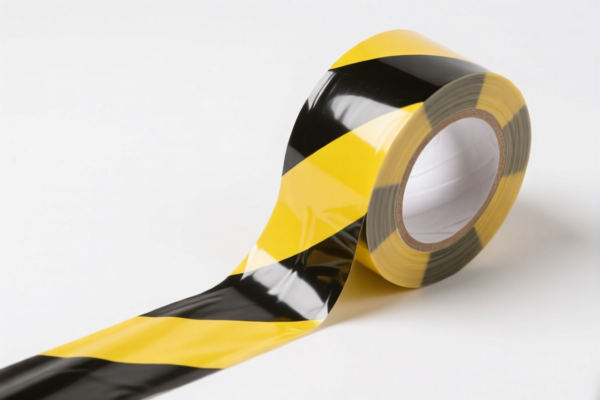

AI Analysis
🚧 Reflective Warning Film (Warning Tape/Strips)
🌐 HS Code Classification & Customs Clearance Guide | 2026 Latest Tariff Analysis | Strategic Compliance Strategy
📌 I. Product Definition & Classification: What is "Reflective Warning Film"?
"Reflective Warning Film" generally refers to adhesive strips, tapes, or flexible sheets used for traffic control, hazard marking, and safety warning. These products rely on retro-reflective properties to enhance visibility in low-light conditions. In international trade, classification hinges heavily on the primary material and form factor:
- Textile-Based (Fabric Tape): If the base is woven synthetic fibers (nylon, polyester) coated with reflective material.
- Plastic-Based (Polymer Tape): If the base is PVC, PET, or other plastics, often self-adhesive with a reflective layer.
⚠️ Key Distinction Point:
- If the product is a flexible sheet/film made of plastics (even if coated) → Likely Chapter 39 (Plastics).
- If the product is a woven textile fabric that has been coated or covered → Likely Chapter 59 (Impregnated/Coated Textiles).
- Misclassification Risk: Declaring plastic tapes as textiles (or vice versa) can lead to significant duty differences and customs delays.
📦 II. HS Code Classification Details (Based on Provided Data)
The following classifications are derived from the specific analysis of material and form:
| HS Code | Product Description & Matching Logic | Material/Form Basis |
|---|---|---|
5907.00.15.00 |
Textile Fabrics Coated with Materials for Upholstery, etc. (Inferred for Warning Tapes) |
Textile Base: Inferred as artificial/synthetic fiber (common for durable warning tapes). Features "coated/covered" surface. No conflict with textile characteristics. |
3926.90.99.25 |
Other Articles of Plastics (Road Warning Function) |
Plastic Base: Inferred from common knowledge as plastic/resin-based. Matches the category of plastic articles. Focuses on the "warning" utility. |
3926.90.99.89 |
Other Articles of Plastics (Catch-all) | Plastic/Synthetic Base: Fits the 3901-3914 material range. As a warning product lacking specific shape description, it falls under "Other plastic articles." |
3919.90.10.00 |
Plastic Sheets, Films, Foils, etc. (Self-Adhesive) | Plastic Tape: Matches shape (strip/tape) and use (reflective). Inferred as plastic self-adhesive tape based on "warning tape" common sense. |
3919.90.50.10 |
Plastic Plates, Sheets, etc. (Reinforced, Layered) (Reflective Films) |
Plastic Film: Matches name "Reflective" (reflective sheet) and "Tape" (strip form). Inferred plastic material fits 3919 requirements. |
🔍 Critical Insight:
- Chapter 59 (5907.00.15.00) is selected when the textile fabric is the essential character, even if coated. - Chapter 39 (3926,3919) is selected when the plastic material defines the product’s identity (e.g., PVC tape, PET film). - The difference between3919.90.10.00and3919.90.50.10often lies in the specific construction (simple self-adhesive vs. layered/reinforced reflective film).
💰 III. 2026 Latest Tariff Rate Breakdown (Detailed Tax Analysis)
✅ Applicable Country: United States (US)
✅ Origin: China (CN)
✅ Effective Date: Post-November 2025 (Including subsequent imports)
🎯 1. 5907.00.15.00 – Coated Textile Fabrics (Textile-Based Warning Tape)
| Item | Details |
|---|---|
| Base Duty Rate | 8.0% |
| Section 301 Surcharge | +25.0% |
| 122 Clause Surcharge | +10.0% |
| Total Effective Rate | 43.0% |
| Tax Calculation | CIF Value × 43.0% |
| De Minimis Exemption | ❌ Not Eligible (deny_de_minimis) |
| Legal Basis Path | Base Tariff → USITC:5907.00.15.00 → Section 301: 25% → IEEPA/122: 10% |
📌 Explanation:
- This is the highest tax bracket among the options. - Textile products from China face substantial barriers. - Warning: If your tape is actually plastic-based but declared as textile to try a different code, customs may reclassify it and apply the plastic rate (see below), potentially with penalties for misdeclaration.
🎯 2. 3926.90.99.25 & 3926.90.99.89 – Other Plastic Articles
| Item | Details |
|---|---|
| Base Duty Rate | 5.3% |
| Section 301 Surcharge | +7.5% |
| 122 Clause Surcharge | +10.0% |
| Total Effective Rate | 22.8% |
| Tax Calculation | CIF Value × 22.8% |
| De Minimis Exemption | ❌ Not Eligible (deny_de_minimis) |
| Legal Basis Path | Base Tariff → USITC:3926.90.99.xx → Section 301: 7.5% → IEEPA/122: 10% |
📌 Explanation:
- These codes offer a significant tax advantage (22.8% vs. 43.0%) if the product is correctly identified as plastic. -3926.90.99.25is often used for specific functional plastic articles. -3926.90.99.89is a broader "catch-all" for plastic goods not elsewhere specified.
🎯 3. 3919.90.10.00 – Self-Adhesive Plastic Tapes
| Item | Details |
|---|---|
| Base Duty Rate | 6.5% |
| Section 301 Surcharge | +25.0% |
| 122 Clause Surcharge | +10.0% |
| Total Effective Rate | 41.5% |
| Tax Calculation | CIF Value × 41.5% |
| De Minimis Exemption | ❌ Not Eligible (deny_de_minimis) |
| Legal Basis Path | Base Tariff → USITC:3919.90.10.00 → Section 301: 25% → IEEPA/122: 10% |
📌 Explanation:
- Despite being a "tape," this code carries a high Section 301 surcharge (25%). - This is often applied to general self-adhesive plastic tapes. - Comparison:3926codes (22.8%) are cheaper than3919.90.10.00(41.5%) for similar warning films, suggesting3926might be a more strategic classification if the product fits "other articles" rather than "self-adhesive tapes."
🎯 4. 3919.90.50.10 – Reinforced/Layered Plastic Films
| Item | Details |
|---|---|
| Base Duty Rate | 5.8% |
| Section 301 Surcharge | +25.0% |
| 122 Clause Surcharge | +10.0% |
| Total Effective Rate | 40.8% |
| Tax Calculation | CIF Value × 40.8% |
| De Minimis Exemption | ❌ Not Eligible (deny_de_minimis) |
| Legal Basis Path | Base Tariff → USITC:3919.90.50.10 → Section 301: 25% → IEEPA/122: 10% |
📌 Explanation:
- Similar to3919.90.10.00, this incurs the high 25% surcharge. - Applies if the reflective film is considered a "layered" or "reinforced" plastic product.
🛠️ IV. Customs Clearance Practical Advice (Avoiding Pitfalls)
✅ 1. Essential Documentation Checklist
| Document | Required? | Notes |
|---|---|---|
| Product Specification Sheet | ✅ Yes | Must specify base material (PVC, PET, Nylon, Polyester). |
| Material Composition Report | ✅ Yes | % of fabric vs. plastic vs. reflective coating. Crucial for Chapter 59 vs. 39. |
| Product Photos | ✅ Yes | Show cross-section if possible (to prove plastic vs. textile base). |
| Commercial Invoice | ✅ Yes | Clearly state: "Reflective Warning Tape, Plastic Base" or "Coated Textile Warning Tape." |
| Packaging List | ✅ Yes | Include roll length, width, and core material. |
✅ 2. Strategic Classification Advice
🔥 Golden Rule: "Material Dictates Code, Not Just Function!"
| Scenario | Recommended HS Code | Why? |
|---|---|---|
| PVC Plastic Tape (Common road marking tape) | 3926.90.99.25 or 3926.90.99.89 |
Lowest Tax (22.8%). Avoid 3919 if possible due to 25% surcharge. |
| Fabric Tape (Woven nylon/polyester) | 5907.00.15.00 |
High tax (43.0%). Only use if material is genuinely textile. |
| Standard Self-Adhesive Plastic Tape | 3919.90.10.00 |
High tax (41.5%). Only use if it doesn't fit 3926 better. |
| Layered Reflective Film | 3919.90.50.10 |
High tax (40.8%). Use for multi-layer plastic films. |
📌 Pro Tip:
- If your product is a plastic tape, try to classify under3926.90.99(22.8%) instead of3919.90(41.5%+).
- Contact customs brokers to confirm if your specific "reflective warning film" qualifies as an "other plastic article" (3926) rather than a generic "self-adhesive tape" (3919).
✅ 3. Common Mistakes to Avoid
| Mistake | Consequence |
|---|---|
| Declaring Plastic as Textile | Customs may reclassify and apply correct (often higher) tax + penalties. |
| Using Generic Description | "Warning Tape" is too vague. Must specify "PVC Reflective Tape" or "Nylon Warning Fabric." |
| Ignoring Section 301 | Failing to account for the 7.5% vs. 25% surcharge can wipe out profit margins. |
| Assuming De Minimis Applies | None of these codes qualify for the $800 de minimis exemption for China-origin goods. |
🌍 V. Global Market Comparison (2026)
| Country | Recommended HS Code (Plastic) | Est. Total Duty | Notes |
|---|---|---|---|
| 🇺🇸 USA | 3926.90.99.25 |
22.8% | Best option if classified as "other article." |
| 🇺🇸 USA | 5907.00.15.00 |
43.0% | Highest tax for textile-based versions. |
| 🇨🇳 China | 3926.90.99.90 |
~5-10% | Lower entry duties, but export focus matters. |
| 🇪🇺 EU | 3920.99.99 |
Varies | Check for REACH compliance for plastic additives. |
📌 Conclusion:
- The USA imposes the highest barriers, especially with Section 301 and 122 clauses. - Strategic Classification under3926(22.8%) offers the best savings compared to3919or5907.
📌 VI. Final Recommendations
- Verify Material: Determine if your warning film is plastic (PVC/PET) or textile (Nylon/Polyester). This is the single most important factor.
- Aim for
3926: If plastic, argue for classification under3926.90.99.25or3926.90.99.89to benefit from the lower 22.8% total duty rate. - Avoid
3919if Possible: Unless the tape is a standard, generic self-adhesive roll,3919codes often attract a heavier 25% surcharge. - Prepare Detailed Specs: Provide clear material breakdowns to customs to support your chosen HS Code.
- No De Minimis: Ensure your logistics provider accounts for full duty payment, as no exemptions apply.
🎯 Remember:
🔹 "Plastic >22%, Tape>41%, Textile>43%."
🔹 "Classify correctly, save thousands."
📌 Disclaimer:
This guide is based on the provided data and general customs principles. Regulations change frequently. Always consult a licensed customs broker or legal expert for final classification and compliance verification.
✨ Professional Customs Clearance Starts with Accurate Classification!
💼 Optimize Your Supply Chain, Minimize Your Tax Burden!
Customer Reviews
About HS Code Classification
The Harmonized System (HS) is an internationally standardized nomenclature developed by the World Customs Organization (WCO) to classify traded products. Over 200 countries use the HS system as the basis for customs tariffs, trade statistics, and import/export regulations.
Each HS code follows a hierarchical structure:
- Chapter (2 digits) — Broad category of goods (e.g., Chapter 84: Machinery and Mechanical Appliances)
- Heading (4 digits) — More specific grouping within the chapter
- Subheading (6 digits) — Internationally standardized breakdown, used by all WCO member countries
- National subdivisions (8-10 digits) — Country-specific extensions for further classification, such as US HTSUS 10-digit codes
Correct HS code classification is essential for smooth customs clearance, accurate duty payment, and compliance with trade regulations. Misclassification can lead to customs delays, overpayment of duties, or penalties.
When importing from CN to US, the applicable tariff rates may include:
- Most-Favored-Nation (MFN) rate — The standard duty rate applied to WTO members
- General rate — Applied to countries without trade agreements
- Trade remedy duties — Additional tariffs such as Section 301 (anti-dumping), Section 232 (national security), or countervailing duties
The information provided on this page is for reference purposes only. For official classification, please consult with your local customs authority or a licensed customs broker.