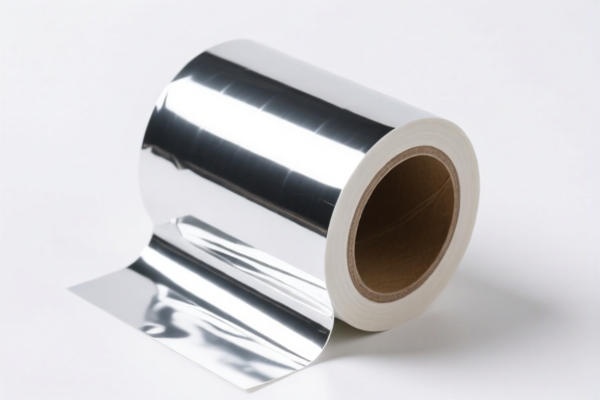
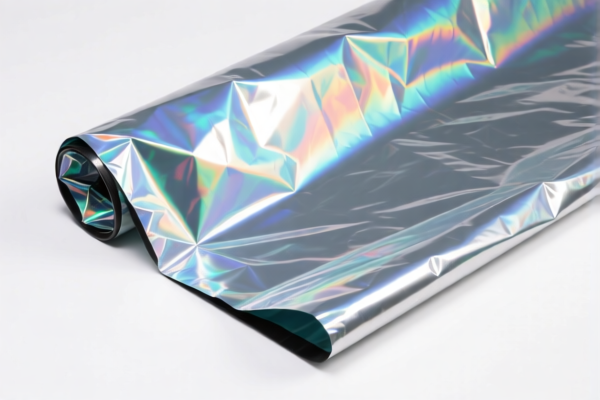
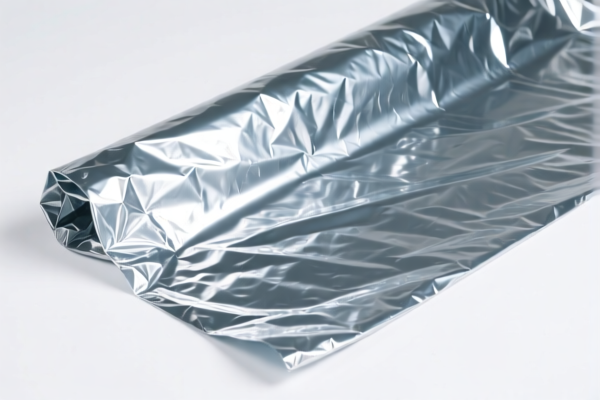
Reflective Warning Plastic Roll Film
CN → US| HS Code | Tariff Rate | Origin | Destination | Doc |
|---|---|---|---|---|
| 5907001500 | 43.0% | CN | US | Official Doc |
| 3926909925 | 22.8% | CN | US | Official Doc |
| 3926909989 | 22.8% | CN | US | Official Doc |
| 3919901000 | 41.5% | CN | US | Official Doc |
| 3919905010 | 40.8% | CN | US | Official Doc |
Product Images

AI Analysis
🚧 Reflective Warning Plastic Roll Film
🌐 HS Code Reference & Customs Clearance Guide | 2026 Latest Tariff Analysis | Professional Clearance Strategy
📌 1. Product Definition & Classification: What is "Reflective Warning Plastic Roll Film"?
Reflective Warning Plastic Roll Film, often referred to as Reflective Tape or Warning Strip, is a specialized material used for safety, traffic control, and hazard marking. It combines reflective properties (for visibility at night) with adhesive or static cling capabilities (for easy application).
In international trade, the classification hinges on two critical factors: 1. Material Composition: Is it primarily plastic/polymer (e.g., PVC, PET, Polyurethane) or textile/fabric (e.g., woven polyester with coating)? 2. Form & Structure: Is it a self-adhesive roll (tape) or a coated fabric sheet?
⚠️ Key Distinction:
- If the base is plastic/polymer and it comes in a roll with adhesive, it typically falls under Chapter 39 (Plastics).
- If the base is textile/fabric that has been coated/laminated with plastic/reflective material, it falls under Chapter 59 (Impregnated Textiles).
📦 2. HS Code Classification Details (Based on Provided Data)
Based on the provided data, the following HS Codes are inferred. The choice depends on the specific material composition (Plastic vs. Textile) and form (Adhesive Tape vs. Coated Fabric).
| HS Code | Product Description | Matching Basis | Total Tax Rate |
|---|---|---|---|
5907.00.15.00 |
Coated Textile Fabric (e.g., Reflective Warning Tape on Fabric Base) | Material: Inferred as artificial or synthetic fiber (common for warning tapes). Form: Matches "textile fabrics impregnated, coated, covered, or laminated." Conflict: None. |
43.0% |
3926.90.99.25 |
Other Plastic Articles (General Purpose) | Usage: Road warning function. Material: Inferred as plastic/resin. Scope: Matches the category of plastic products. |
22.8% |
3926.90.99.89 |
Other Plastic Articles (Fallback Category) | Material: Plastic or synthetic fiber coating (within Chapter 39 scope). Form: "Other plastic articles" as a catch-all for warning products without specific shape description. |
22.8% |
3919.90.10.00 |
Self-Adhesive Plastic Plates, Sheets, Film, Tape... | Form: Matches "strip/tape" shape. Usage: Reflective properties. Material: Inferred as plastic, matching self-adhesive plastic tape features. |
41.5% |
3919.90.50.10 |
Self-Adhesive Plastic Tape (Reflective) | Usage: "Reflective" matches "reflective sheets." Form: "Tape" matches "strip/tape". Material: Plastic (Chapter 39), no conflict. |
40.8% |
🔍 Key Insight:
- Plastic Base (Ch 39): Generally lower base duties but subject to high附加税. Codes3919.xx.xxare for self-adhesive tapes. Codes3926.xx.xxare for other plastic articles (non-adhesive or less specific). - Textile Base (Ch 59): Code5907.xx.xxis for coated/impregnated textiles. This often applies if the core is fabric, not plastic.
💰 3. 2026 Latest Tariff Rate Breakdown (Including Additional Duties & Policies)
✅ Applicable Country: United States (US)
✅ Country of Origin: China (CN)
✅ Effective Date: From November 10, 2025 (and subsequent imports)
🎯 1. 5907.00.15.00 —— Coated Textile Fabric (Reflective Warning Tape on Fabric)
| Item | Content |
|---|---|
| Base Duty | 8.0% (ad valorem) |
| USITC Additional Duty (Section 301) | +25.0% |
| IEEPA Additional Duty | +10.0% (122 Section, for China/HK origin) |
| Total Tax Rate | 43.0% |
| Tax Calculation | CIF Value × 43.0% |
| De Minimis Exemption | ❌ Not Eligible (deny_de_minimis) |
| Legal Basis Path | USITC:5907.00.15.00 → FOOTNOTE:301.88.01 → IEEPA:9903.01.25 |
📌 Explanation:
- This code applies if the warning tape is primarily textile-based (e.g., reflective strip glued to polyester fabric). - High Tax Warning: The 43% total rate is significant. Ensure the material is correctly identified as textile, not plastic, to avoid misclassification penalties.
🎯 2. 3926.90.99.25 & 3926.90.99.89 —— Other Plastic Articles
| Item | Content |
|---|---|
| Base Duty | 5.3% (ad valorem) |
| USITC Additional Duty (Section 301) | +7.5% |
| IEEPA Additional Duty | +10.0% (122 Section, for China/HK origin) |
| Total Tax Rate | 22.8% |
| Tax Calculation | CIF Value × 22.8% |
| De Minimis Exemption | ❌ Not Eligible (deny_de_minimis) |
| Legal Basis Path | USITC:3926.90.99.xx → FOOTNOTE:301.88.01 → IEEPA:9903.01.24 |
📌 Explanation:
- These codes are for plastic articles that are not self-adhesive tapes or do not fit specific subheadings. - Lower Tax: 22.8% is significantly lower than the textile option (5907) and the specific adhesive tape codes (3919). - Risk: Customs may reclassify if the product is clearly an "adhesive tape" (which belongs in Ch 3919). Use only if the product is a non-adhesive plastic sheet/roll.
🎯 3. 3919.90.10.00 —— Self-Adhesive Plastic Tape (Non-Rigid)
| Item | Content |
|---|---|
| Base Duty | 6.5% (ad valorem) |
| USITC Additional Duty (Section 301) | +25.0% |
| IEEPA Additional Duty | +10.0% (122 Section, for China/HK origin) |
| Total Tax Rate | 41.5% |
| Tax Calculation | CIF Value × 41.5% |
| De Minimis Exemption | ❌ Not Eligible (deny_de_minimis) |
| Legal Basis Path | USITC:3919.90.10.00 → FOOTNOTE:301.88.01 → IEEPA:9903.01.25 |
📌 Explanation:
- This is the standard code for self-adhesive plastic tape (e.g., standard reflective street tape, duct tape, etc.). - High Tax: 41.5% is high due to the 25% Section 301 duty. - Common Use: If your product is a roll of plastic film with adhesive on one side, this is the most likely classification.
🎯 4. 3919.90.50.10 —— Self-Adhesive Plastic Tape (Reflective)
| Item | Content |
|---|---|
| Base Duty | 5.8% (ad valorem) |
| USITC Additional Duty (Section 301) | +25.0% |
| IEEPA Additional Duty | +10.0% (122 Section, for China/HK origin) |
| Total Tax Rate | 40.8% |
| Tax Calculation | CIF Value × 40.8% |
| De Minimis Exemption | ❌ Not Eligible (deny_de_minimis) |
| Legal Basis Path | USITC:3919.90.50.10 → FOOTNOTE:301.88.01 → IEEPA:9903.01.25 |
📌 Explanation:
- This code is more specific than3919.90.10.00, targeting reflective self-adhesive plastic tapes. - Slightly Lower Tax: 40.8% vs. 41.5% for the general adhesive tape code. - Recommendation: If the product is explicitly reflective and self-adhesive, this is the most accurate and potentially cheapest plastic-based option.
🛠️ 4. Customs Clearance Practical Advice (Combat Pitfalls)
✅ 1. Preparation Checklist (All Required)
| Document | Required? | Explanation |
|---|---|---|
| ✅ Product Specification Sheet | ✔️ | Must detail: Material (Plastic vs. Textile), Thickness, Reflectivity Coefficient, Adhesive Type. |
| ✅ Product Photos | ✔️ | Clear images showing the roll, the adhesive side, and the reflective surface. |
| ✅ Commercial Invoice | ✔️ | Must clearly state: "Reflective Warning Plastic Roll Film" or "Reflective Tape". Avoid vague terms like "plastic sheet". |
| ✅ Packing List | ✔️ | Show weight and dimensions. |
| ✅ Origin Certificate | ✔️ | If not from China, this could reduce IEEPA duties. |
| ✅ Third-Party Test Report | ✔️ | Optional but helpful: Proof of reflectivity or material composition (FTIR test). |
✅ 2. Declaration Strategy (Key Mantra)
🔥 "Material Defines Code, Adhesive Defines Chapter, Reflective Defines Subheading!"
| Scenario | Correct HS Code | Incorrect Declaration | Consequence |
|---|---|---|---|
| Plastic Base + Self-Adhesive + Reflective | 3919.90.50.10 |
Declare as "Plastic Sheet" (3926) |
Misclassification → 40.8% vs 22.8% + Penalty |
| Plastic Base + Self-Adhesive + Non-Reflective | 3919.90.10.00 |
Declare as "Reflective Tape" | Over-declaration → 41.5% |
| Textile Base + Coated/Laminated | 5907.00.15.00 |
Declare as "Plastic Tape" | Misclassification → 43.0% |
| Plastic Roll + No Adhesive (e.g., for printing) | 3926.90.99.25 |
Declare as "Self-Adhesive Tape" | Misclassification → 22.8% vs 41.5% |
✅ 3. Special Cases
| Situation | Handling Advice |
|---|---|
| Mixed Material (Plastic/Textile) | Provide a material breakdown. If >50% textile by weight → 5907. If >50% plastic → 3919 or 3926. |
| OEM Custom Tape | Provide client order + design specs. Avoid generic names like "Warning Tape". Use "Reflective PVC Self-Adhesive Tape". |
| Small Samples (Under $800) | ❌ De Minimis Exempted: Due to IEEPA Section 122, no de minimis exemption for Chinese-origin goods. Even small packages are subject to full duties. |
🌍 5. Global Market Comparison (2026 Latest)
| Country/Region | Recommended HS Code | Duty Rate (China Origin) | Certification | Notes |
|---|---|---|---|---|
| 🇺🇸 USA | 3919.90.50.10 |
40.8% | None specific | High duty due to Section 301 + IEEPA. |
| 🇨🇳 China | 3919.90.50.10 |
5% (Import Duty) | CCC (if electrical) | Low duty, no additional US-style taxes. |
| 🇪🇺 EU | 3919.90.90 |
0-3% | CE (if applicable) | No Section 301 equivalent. |
| 🇦🇺 Australia | 3919.90.90 |
5% | RCM | Moderate duty. |
📌 Conclusion:
- USA is the most expensive market for this product due to叠加 taxes (Section 301 + IEEPA).
- Cost Saving Tip: If possible, shift sourcing to Vietnam, Mexico, or Thailand to potentially avoid IEEPA duties (0-5% total).
- Material Choice: If the product can be made with a non-adhesive plastic roll, use3926(22.8%) to save ~18% in duties.
📌 6. Common Mistakes & Pitfalls (Lessons Learned)
❌ Mistake 1: Declaring "Plastic Tape" when it is actually "Textile Tape"
👉 Result: Customs reclassifies to 5907 → 43.0% Duty + Penalty.
❌ Mistake 2: Using "Plastic Sheet" for "Self-Adhesive Tape"
👉 Result: Customs reclassifies to 3919 → 40.8% Duty (from 22.8%) → Back taxes + Interest.
❌ Mistake 3: Assuming Small Shipments are Duty-Free (De Minimis)
👉 Result: No de minimis exemption for Chinese-origin goods under IEEPA Section 122. Full tax applies even for small packages.
❌ Mistake 4: Vague Description "Warning Film"
👉 Result: Customs cannot determine if it's adhesive or not. Delays + Inspection.
✅ Correct Practice:
"Reflective PVC Self-Adhesive Tape, Roll Format, Width 50mm, Reflective Grade Engineer, Model XYZ, Made in China"
🎯 7. Conclusion: Professional Declaration for Cost Efficiency
🎯 Remember the Mantra:
🔹 "Plastic Adhesive? →
3919.90.50.10(40.8%)"
🔹 "Textile Coated? →5907.00.15.00(43.0%)"
🔹 "Non-Adhesive Plastic? →3926.90.99.25(22.8%)"
🔹 "No De Minimis! Every Package is Taxed!"
📌 Pro Tip:
If your volume is high, apply for a Pre-Ruling (Advance Ruling) from US Customs and Border Protection (CBP) to confirm the HS Code. This avoids unexpected audits and penalties.
📣 Immediate Action:
📞 Consult a licensed customs broker + Provide product photos + Verify material composition (Plastic vs. Textile).
🚀 Optimize your supply chain: Consider non-Chinese origins to save ~10-15% in taxes!
✨ Professional clearance starts with precise classification!
💼 Every percentage point in duty is a profit point!
Customer Reviews
About HS Code Classification
The Harmonized System (HS) is an internationally standardized nomenclature developed by the World Customs Organization (WCO) to classify traded products. Over 200 countries use the HS system as the basis for customs tariffs, trade statistics, and import/export regulations.
Each HS code follows a hierarchical structure:
- Chapter (2 digits) — Broad category of goods (e.g., Chapter 84: Machinery and Mechanical Appliances)
- Heading (4 digits) — More specific grouping within the chapter
- Subheading (6 digits) — Internationally standardized breakdown, used by all WCO member countries
- National subdivisions (8-10 digits) — Country-specific extensions for further classification, such as US HTSUS 10-digit codes
Correct HS code classification is essential for smooth customs clearance, accurate duty payment, and compliance with trade regulations. Misclassification can lead to customs delays, overpayment of duties, or penalties.
When importing from CN to US, the applicable tariff rates may include:
- Most-Favored-Nation (MFN) rate — The standard duty rate applied to WTO members
- General rate — Applied to countries without trade agreements
- Trade remedy duties — Additional tariffs such as Section 301 (anti-dumping), Section 232 (national security), or countervailing duties
The information provided on this page is for reference purposes only. For official classification, please consult with your local customs authority or a licensed customs broker.