Reflector
CN → US| HS Code | Tariff Rate | Origin | Destination | Doc |
|---|---|---|---|---|
| 3919905010 | 40.8% | CN | US | Official Doc |
| 9405694000 | 41.0% | CN | US | Official Doc |
| 9405916080 | 39.5% | CN | US | Official Doc |
| 9405920000 | 38.7% | CN | US | Official Doc |
| 7020006000 | 40.0% | CN | US | Official Doc |
Product Images
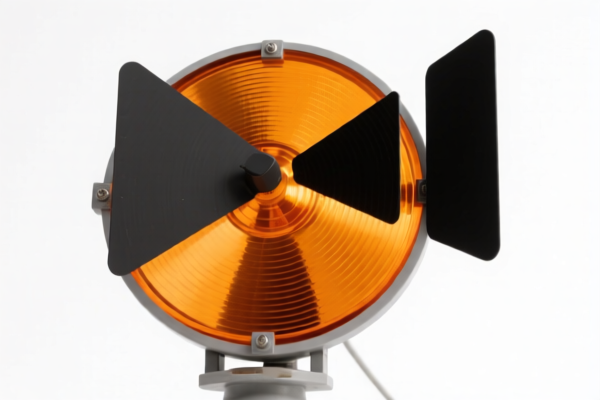
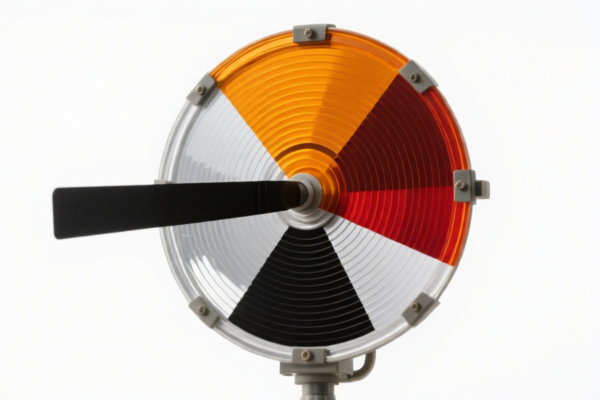
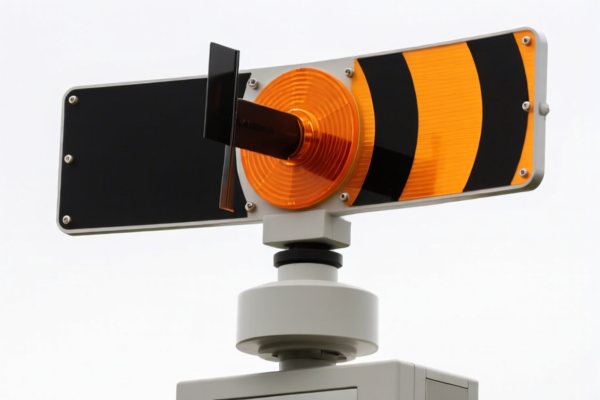
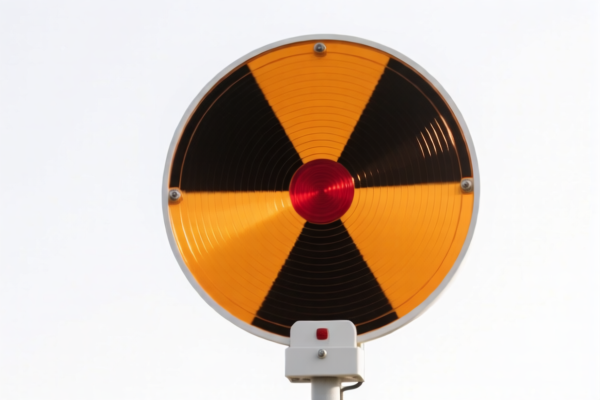
AI Analysis
🪞 Reflector (Self-Adhesive & Lighting Components)
🌐 HS Code Reference & Customs Clearance Guide | 2026 Latest Tariff Analysis | Strategic Classification Strategy
📌 I. Product Definition & Classification: What Exactly is a "Reflector"?
In international trade, the term "Reflector" is ambiguous. Its classification depends entirely on its material composition, functional application, and physical structure. A reflector can be a simple self-adhesive strip, a component of a lighting fixture, or a standalone decorative light sign.
⚠️ Key Distinction Points:
- Self-Adhesive Reflector Sheets: Used for road safety, packaging, or labeling. Material is typically plastic/film with metallic coating. → Chapter 39 or 70
- Lighting Components: Parts of lamps, luminaires, or lighting signs. → Chapter 94
- Standalone Lighted Signs: Products that emit light or serve as decorative signage with reflective properties. → Chapter 94
📦 II. HS Code Classification Details (2026 Latest Tariff Authority Mapping)
Based on the provided data, here are the five possible classifications for "Reflector" products, along with their tax implications.
| HS Code | Product Description & Logic | Tax Rate (Total) | Tax Composition |
|---|---|---|---|
3919.90.50.10 |
Self-Adhesive Reflective Plates: Matches the self-adhesive feature and reflective sheet usage. Material inferred as flat plastic sheeting. | 40.8% | Base: 5.8% + Section 301: 25.0% + Section 122: 10% |
9405.69.40.00 |
Lighted Signs: Infers material contains metal coating or metal substrate. Fits the category of "lighted signs" or illuminated reflective displays. | 41.0% | Base: 6.0% + Section 301: 25.0% + Section 122: 10% |
9405.91.60.80 |
Lighting Accessories: The reflector is viewed as a part/accessory for lamps/lighting fixtures. Material inferred as plastic or composite. "Other" category fallback. | 39.5% | Base: 4.5% + Section 301: 25.0% + Section 122: 10% |
9405.92.00.00 |
Luminous Signs/Plaque Parts: Fits the definition of "parts of lamps" where the reflector contains plastic or film. Specifically for illuminated signs/plaques. | 38.7% | Base: 3.7% + Section 301: 25.0% + Section 122: 10% |
7020.00.60.00 |
Other Glass/Resin Articles: Shape fits "reflector" attributes. Material inferred as glass or resin substrate (non-plastic film). | 40.0% | Base: 5.0% + Section 301: 25.0% + Section 122: 10% |
🔍 Critical Insight:
- The Base Tariff varies significantly (3.7% to 6.0%) depending on whether it is classified as a "part" (9405.92), an "accessory" (9405.91), a "sign" (9405.69), a "plastic sheet" (3919), or a "glass/resin article" (7020).
- Add-on Taxes are Constant: All categories carry a +25% Section 301 Tariff and a +10% Section 122 Tariff (assuming US origin/China origin context based on the "122 clause" notation often associated with recent US trade policies).
- Total Liability Range: 38.7% to 41.0%.
💰 III. 2026 Latest Tariff Rate Detailed Breakdown (Including Add-ons & Policy Surcharges)
✅ Applicable Country: United States (US)
✅ Origin: China (CN) (Inferred from "Section 122" and "301" context)
✅ Effective Time: Current as of 2026 Tariff Schedule
🎯 1. 3919.90.50.10 —— Self-Adhesive Reflective Plates (Plastic/Film)
| Item | Detail |
|---|---|
| Base Tariff | 5.8% (ad valorem) |
| Section 301 Surcharge | +25.0% |
| Section 122 Surcharge | +10.0% |
| Total Tax Rate | 40.8% |
| Tax Calculation | CIF Value × 40.8% |
| De Minimis Eligibility | ❌ No (Deny de minimis for Section 301/122 goods) |
| Legal Basis Path | USITC:3919.90.50.10 → Footnote:301 → Statute:122 |
📌 Explanation:
- Classify here if the product is a self-adhesive sheet primarily used for labeling, safety marking, or decoration, and not integrated into a lighting fixture.
- The 5.8% base is relatively high for plastic sheets, but the add-ons dominate the cost.
🎯 2. 9405.69.40.00 —— Lighted Signs (Metal/Mixed Material)
| Item | Detail |
|---|---|
| Base Tariff | 6.0% |
| Section 301 Surcharge | +25.0% |
| Section 122 Surcharge | +10.0% |
| Total Tax Rate | 41.0% (Highest) |
| Tax Calculation | CIF Value × 41.0% |
| De Minimis Eligibility | ❌ No |
| Legal Basis Path | USITC:9405.69.40.00 → Footnote:301 → Statute:122 |
📌 Explanation:
- Use this if the reflector is part of a lighted sign or has a metal substrate/coating that makes it distinct from simple plastic film.
- This is the most expensive classification due to the highest base rate (6.0%).
🎯 3. 9405.91.60.80 —— Other Parts of Luminaires (Plastic/Composite)
| Item | Detail |
|---|---|
| Base Tariff | 4.5% |
| Section 301 Surcharge | +25.0% |
| Section 122 Surcharge | +10.0% |
| Total Tax Rate | 39.5% |
| Tax Calculation | CIF Value × 39.5% |
| De Minimis Eligibility | ❌ No |
| Legal Basis Path | USITC:9405.91.60.80 → Footnote:301 → Statute:122 |
📌 Explanation:
- "Other parts of lighting fixtures." If the reflector is sold with a lamp or as a spare part for a lamp, this is a strong candidate.
- Lower base rate (4.5%) makes it cheaper than9405.69.
🎯 4. 9405.92.00.00 —— Parts of Luminous Signs/Plaques
| Item | Detail |
|---|---|
| Base Tariff | 3.7% (Lowest Base) |
| Section 301 Surcharge | +25.0% |
| Section 122 Surcharge | +10.0% |
| Total Tax Rate | 38.7% (Lowest Total) |
| Tax Calculation | CIF Value × 38.7% |
| De Minimis Eligibility | ❌ No |
| Legal Basis Path | USITC:9405.92.00.00 → Footnote:301 → Statute:122 |
📌 Explanation:
- Optimal Cost Option IF the product fits the definition of "parts of luminous signs or nameplates."
- Requires the product to be clearly identifiable as a component for a luminous sign (lighted nameplate, etc.), not just a generic reflector.
🎯 5. 7020.00.60.00 —— Other Glass/Resin Articles
| Item | Detail |
|---|---|
| Base Tariff | 5.0% |
| Section 301 Surcharge | +25.0% |
| Section 122 Surcharge | +10.0% |
| Total Tax Rate | 40.0% |
| Tax Calculation | CIF Value × 40.0% |
| De Minimis Eligibility | ❌ No |
| Legal Basis Path | USITC:7020.00.60.00 → Footnote:301 → Statute:122 |
📌 Explanation:
- Only applicable if the reflector is made of glass or resin (not plastic film/self-adhesive).
- Fits the "residual" category for other glass/resin articles of a reflective nature.
🛠️ IV. Customs Clearance Operational Advice (Practical Pitfall Avoidance)
✅ 1. Preparation Checklist (Non-Negotiable)
| Document | Required | Reason |
|---|---|---|
| ✅ Product Specifications | ✔️ | Must detail material (plastic, glass, metal), thickness, and adhesive type. |
| ✅ Structure/Exploded View | ✔️ | To prove if it is a "part of a lamp" (Ch 94) or a "standalone sheet" (Ch 39). |
| ✅ Photographs | ✔️ | Show the product in context: Is it stuck to a box? Is it inside a light fixture? |
| ✅ Invoice | ✔️ | Description must match HS Code logic (e.g., "Part of Luminous Sign" vs. "Self-Adhesive Sheet"). |
| ✅ Certificate of Origin | ✔️ | To confirm China origin and apply correct 301/122 surcharges. |
✅ 2. Classification Strategy (Key Mnemonic)
🔥 "Function Dictates Code: Lighted Sign? Part? Sheet? Glass?"
| Scenario | Recommended HS Code | Why? |
|---|---|---|
| Standalone Self-Adhesive Sheet (No light source, just reflective film) | 3919.90.50.10 |
It is a plastic sheet with adhesive. Not a lighting part. |
| Part of a Lighted Sign (e.g., internal reflector for a neon sign) | 9405.92.00.00 |
Lowest Tax (38.7%). Fits "parts of luminous signs." |
| Spare Part for a Lamp (General lighting fixture) | 9405.91.60.80 |
Fits "other parts of luminaires." |
| Lighted Sign Product (Sells as a complete sign) | 9405.69.40.00 |
It is the sign itself, not just a part. |
| Glass/Resin Reflector (Hard, rigid, non-plastic) | 7020.00.60.00 |
Material is key. If not plastic, it may fall here. |
✅ 3. Special Handling
| Situation | Advice |
|---|---|
| Misclassification Risk | Do NOT declare a "Lighted Sign Part" as a "Plastic Sheet" to avoid higher base rates. If caught, penalties apply. Conversely, declaring a "Plastic Sheet" as a "Light Part" may be rejected if it lacks lighting function. |
| Section 122 & 301 | These are non-negotiable for Chinese-origin goods. Ensure your supplier’s origin documentation is flawless. |
| De Minimis (Section 321) | ❌ Cannot use de minimis ($800) exemption for these HS Codes. All shipments are subject to duty. |
🌍 V. Global Market Comparison (2026 Context)
| Market | HS Code Logic | Estimated Duty | Notes |
|---|---|---|---|
| 🇺🇸 USA | 9405.92.00 (Best Case) |
38.7% | Includes 25% (301) + 10% (122). High barrier. |
| 🇺🇸 USA | 3919.90.50.10 (Self-Adhesive) |
40.8% | Plastic sheets face high protectionism. |
| 🇪🇺 EU | 9405.92 / 3919 | ~2.7% - 5% | No Section 301/122. Much lower cost. |
| 🇨🇳 China | 9405.92 / 3919 | ~5% - 10% | Import duties apply, but no punitive surcharges. |
📌 Conclusion:
- The USA market imposes a ~40% tariff burden on reflectors from China.
- Optimization: If structurally possible, classify as9405.92.00.00(Parts of Luminous Signs) to save 2.3% vs. self-adhesive sheets.
- Supply Chain: Consider sourcing from non-China origins if targeting the US, or adjust pricing to absorb the ~40% duty.
📌 VI. Common Errors & Pitfalls (Lessons Learned)
❌ Error 1: Classifying a lighted sign component as a plastic sheet (3919)
👉 Consequence: Higher base tariff (5.8% vs 3.7%) and potential customs dispute over function.
❌ Error 2: Declaring a standalone self-adhesive sheet as a lamp part (9405)
👉 Consequence: Customs may reject it as "not a part of a lighting fixture," forcing reclassification to 3919 or 7020.
❌ Error 3: Ignoring Section 122
👉 Consequence: Underpayment of duty. The 10% surcharge is mandatory for many goods from specific origins.
❌ Error 4: Using vague descriptions like "Reflector"
👉 Consequence: Customs will assign the highest applicable duty rate or hold the cargo for inspection.
✅ Correct Declaration Example:
"Self-Adhesive Reflective Sheet, Plastic Film Base, Metallic Coating, for Road Safety Marking, Model RS-200"
(Use HS: 3919.90.50.10)OR
"Internal Reflector Component for LED Luminous Sign, Plastic Material, Model LIC-100-PART"
(Use HS: 9405.92.00.00)
🎯 VII. Conclusion: Precision in Classification Saves Money
🎯 Key Takeaway:
🔹 "Self-Adhesive = 40.8% | Luminous Part = 38.7% | Lighted Sign = 41.0%"
🔹 "Small Base Rate Difference (2.3%) Matters at Scale!"
🔹 "Always Separate 'Product' from 'Part'!"
📌 Pro Tip:
- If your product is a component for a lighted sign, always advocate for 9405.92.00.00 (38.7%) over 3919.90.50.10 (40.8%).
- Ensure your commercial invoice and product labeling clearly state its function as a "part" or "component" if claiming the lower rate.
📣 Immediate Action:
📞 Consult a Customs Broker: Submit product samples and photos for a Binding Ruling if volume is high.
🚀 Review Supply Chain: Can you reclassify your product description to fit the lower-tariff "Part" category without altering the physical product?
✨ Professional Classification, Strategic Sourcing, Optimized Costs!
💼 Every percentage point in duty is a percentage point of profit lost.
Customer Reviews
About HS Code Classification
The Harmonized System (HS) is an internationally standardized nomenclature developed by the World Customs Organization (WCO) to classify traded products. Over 200 countries use the HS system as the basis for customs tariffs, trade statistics, and import/export regulations.
Each HS code follows a hierarchical structure:
- Chapter (2 digits) — Broad category of goods (e.g., Chapter 84: Machinery and Mechanical Appliances)
- Heading (4 digits) — More specific grouping within the chapter
- Subheading (6 digits) — Internationally standardized breakdown, used by all WCO member countries
- National subdivisions (8-10 digits) — Country-specific extensions for further classification, such as US HTSUS 10-digit codes
Correct HS code classification is essential for smooth customs clearance, accurate duty payment, and compliance with trade regulations. Misclassification can lead to customs delays, overpayment of duties, or penalties.
When importing from CN to US, the applicable tariff rates may include:
- Most-Favored-Nation (MFN) rate — The standard duty rate applied to WTO members
- General rate — Applied to countries without trade agreements
- Trade remedy duties — Additional tariffs such as Section 301 (anti-dumping), Section 232 (national security), or countervailing duties
The information provided on this page is for reference purposes only. For official classification, please consult with your local customs authority or a licensed customs broker.