Reflectorized Plastic Film
CN → US| HS Code | Tariff Rate | Origin | Destination | Doc |
|---|---|---|---|---|
| 3919905010 | 40.8% | CN | US | Official Doc |
| 3919905060 | 40.8% | CN | US | Official Doc |
Product Images
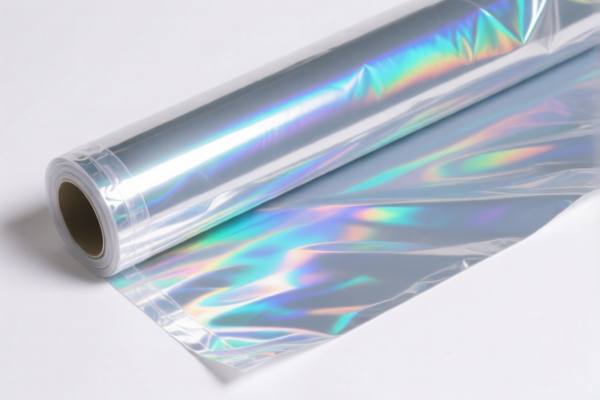

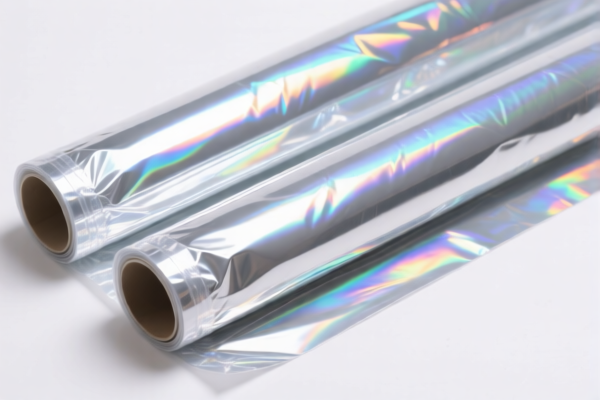
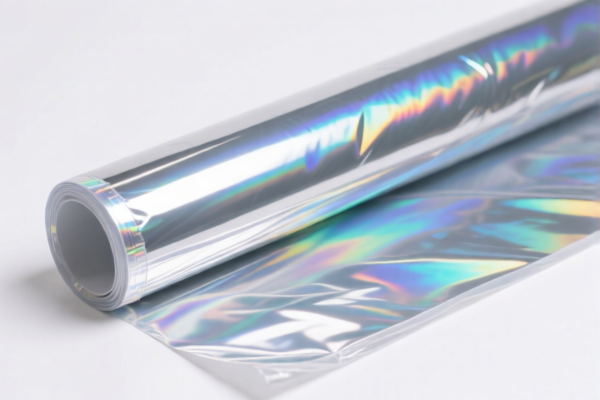
AI Analysis
🛡️ Reflectorized Plastic Film (Reflective Sheeting)
🌐 HS Code Reference & Customs Clearance Guide | 2026 Latest Tariff Analysis | Professional-Level Clearance Strategy
📌 I. Product Definition & Classification: Do You Truly Understand "Reflective Film"?
Reflectorized plastic film, commonly known as Reflective Sheeting, is a critical material used in traffic signs, vehicle markings, safety vests, and industrial signage. Its core function is to reflect light back to its source, enhancing visibility in low-light conditions.
In international trade, it falls under Chapter 39 (Plastics and Articles Thereof), specifically heading 3919 (Self-adhesive plates, sheets, film, foil, tape, strip and other flat shapes, of plastics, whether or not in rolls).
The classification hinges on two key factors: 1. Material: It is primarily made of plastics (PET, PVC, or Polycarbonate). 2. Functionality: Is it specifically designed for high-visibility reflection ("Reflectorized") or does it fall under general plastic adhesive products?
⚠️ Key Distinction:
- If the product is explicitly identified as "Reflectorized Sheeting" (used for safety/signage), it is categorized under 3919.90.50.10.
- If it is a general-purpose self-adhesive plastic film without specific reflective safety certification or function, it may fall under "Other", classified as 3919.90.50.60.
📦 II. HS Code Classification Details (2026 Latest Tariff Authority Comparison)
| HS Code | Product Description | Application Scenario | Key Characteristics |
|---|---|---|---|
3919.90.50.10 |
Reflectorized Sheeting | Traffic signs, highway markings, safety garments, license plates | Specific reflective function; high visibility; regulatory compliance |
3919.90.50.60 |
Other Self-Adhesive Plastic Products | General packaging tape, decorative films, non-reflective adhesive labels | General adhesion; no specific reflective safety function; generic use |
🔍 Important Note:
- 3919.90.50.10 is the precise code for reflective safety materials. This is the most common code for imported reflective films used in safety/compliance industries.
- 3919.90.50.60 is a "catch-all" for other plastic adhesive items that do not fit specific sub-categories. Misclassifying reflective sheeting here can lead to audits if the product’s reflective properties are detected.
💰 III. 2026 Latest Tariff Rate Details (Detailed Tax Clause Explanation)
✅ Applicable Country: United States (US)
✅ Origin: China (CN)
✅ Effective Date: 2025 November 10 onwards (and subsequent imports)
🎯 1. 3919.90.50.10 —— Reflectorized Sheeting
| Item | Content |
|---|---|
| Base Tariff Rate | 0.0% (ad valorem) |
| Additional Tariff (Section 301) | 0.0% |
| Total Tax Rate | 0.0% |
| Tax Calculation | CIF Value × 0.0% = $0 |
| De Minimis Eligibility | ✅ Eligible (if value ≤ $800 per day per person) |
| Legal Basis Path | HTSUS:3919.90.50.10 |
📌 Explanation:
- Base Tariff: The US Harmonized Tariff Schedule sets the general duty rate for this specific reflective plastic product at 0%.
- Section 301 / Trade War Tariffs: Unlike many other plastics and electronics, Reflectorized Sheeting (3919.90.50.10) is EXCLUDED from the additional 7.5% (or 25% in some historical contexts) Section 301 tariffs applicable to other Chinese plastics.
- Total Impact: The effective duty rate remains 0%, making it a highly competitive product for import into the US.
🎯 2. 3919.90.50.60 —— Other Self-Adhesive Plastic Products
| Item | Content |
|---|---|
| Base Tariff Rate | 0.0% (ad valorem) |
| Additional Tariff (Section 301) | 0.0% |
| Total Tax Rate | 0.0% |
| Tax Calculation | CIF Value × 0.0% = $0 |
| De Minimis Eligibility | ✅ Eligible (if value ≤ $800 per day per person) |
| Legal Basis Path | HTSUS:3919.90.50.60 |
📌 Explanation:
- Similar to the reflective variant, general self-adhesive plastic sheets (non-reflective) also enjoy a 0% total tariff under the current 2026 guidelines provided.
- Risk: While the tax is 0%, the customs scrutiny may differ. Customs officers might inspect3919.90.50.60shipments more closely if they suspect the product is actually reflective (and should be classified under .10) or vice versa, based on product samples.
🛠️ IV. Customs Clearance Practical Advice (Real-World Pitfall Avoidance)
✅ 1. Required Documentation Checklist (Non-Negotiable)
| Document | Mandatory? | Description |
|---|---|---|
| ✅ Product Specification Sheet | ✔️ | Must detail material (e.g., PET, PVC), thickness, adhesive type, and reflective performance (e.g., ASTM D4956 compliance for reflective sheeting). |
| ✅ Product Photos | ✔️ | Clear images showing the reflective side, backing paper, and roll format. |
| ✅ Commercial Invoice | ✔️ | Must explicitly state: "Reflectorized Plastic Sheeting" or "Self-Adhesive Plastic Film (Non-Reflective)" depending on HS code. Avoid vague terms like "Plastic Film." |
| ✅ Packing List | ✔️ | Weight, dimensions, and number of rolls. |
| ✅ Test Report (Optional but Recommended) | ✔️ | For reflective sheeting, provide a test report confirming retro-reflectivity to avoid misclassification disputes. |
✅ 2. Declaration Tips (Key Mnemonics)
🔥 "Name is King, Function Defines Code!"
| Scenario | Correct Declaration | Error to Avoid |
|---|---|---|
| Reflective Tape/Sheet | 3919.90.50.10 - "Reflectorized Sheeting" |
Declaring as "Plastic Tape" (Vague) → Risk of Audit |
| Non-Reflective Label Film | 3919.90.50.60 - "Self-Adhesive Plastic Sheet" |
Declaring as "Reflective Sheet" → Over-declaration risk |
| Reflective Film for Signs | 3919.90.50.10 |
Using "General Plastic Film" → Customs may reclassify or delay |
| Roll Format | Specify "In Rolls" | Not specifying format → Confusion with cut sheets |
✅ 3. Special Handling Scenarios
| Scenario | Handling Advice |
|---|---|
| Mixed Shipments (Reflective + Non-Reflective) | Separate Line Items! Do not combine under one HS code. Use .10 for reflective and .60 for non-reflective. |
| Samples (Under $800) | Can use De Minimis (Section 321) clearance. Duty-free and fast-tracked. |
| OEM Custom Reflective Film | Provide the client’s spec sheet showing reflective standards (e.g., Grade 1, Grade 2, Engineer Grade, High Intensity). |
| Raw Material vs. Finished Product | If it’s a raw plastic film without adhesive or reflective coating, it might fall under 3920 or 3921. Ensure the product is self-adhesive and finished for 3919 classification. |
🌍 V. Global Market Comparison (2026 Latest)
| Country/Region | Recommended HS Code | Tariff Rate | Certification Requirements | Notes |
|---|---|---|---|---|
| 🇺🇸 USA | 3919.90.50.10 |
0% | ASTM D4956 (Reflectivity) | No Section 301 Tariff for this code. Highly favorable. |
| 🇨🇳 China | 3919.90.50.10 |
~5-10% | GB/T 18833 (Traffic Signs) | Standard import duties apply. |
| 🇪🇺 EU | 3919.90.90 |
~6.5% | CE Marking (if applicable for safety gear) | EN 12899 standard for road signs. |
| 🇦🇺 Australia | 3919.90.00 |
~5% | AS/NZS 1906 | Reflective standards must meet local safety regs. |
| 🇯🇵 Japan | 3919.90.000 |
~6.0% | JIS D 6344 | Strict adherence to JIS reflectivity standards. |
📌 Conclusion:
- The USA offers the most favorable tariff environment (0%) for reflectorized plastic film, with no additional punitive tariffs.
- China, EU, and others charge standard import duties, but the product remains a high-demand, low-barrier commodity.
📌 VI. Common Mistakes & Pitfall Guide (Lessons Learned)
❌ Mistake 1: Declaring Reflective Sheeting as "Plastic Tape" or "Labeling Material"
👉 Consequence: Customs may misclassify, leading to delayed clearance or incorrect tariff assessment. While tax might be similar, compliance risk is high.
❌ Mistake 2: Ignoring Reflective Properties in Description
👉 Consequence: If customs detects reflectivity but the declaration says "General Plastic Film," they may question the accuracy of the declaration.
❌ Mistake 3: Mixing Reflective and Non-Reflective Products on One Invoice
👉 Consequence: Customs Audit. Separate line items are mandatory for different HS sub-headings.
❌ Mistake 4: Assuming All Plastic Films Are the Same
👉 Consequence: HS Code Confusion. Reflective sheeting has a specific sub-category (.10) due to its safety significance.
✅ Correct Practice:
"Reflectorized Plastic Sheeting, PET Base, Self-Adhesive, Roll Format, ASTM D4956 Compliant, High-Intensity Prismatic"
🎯 VII. Conclusion: Professional Declaration, Safe Passage, Cost Efficiency!
🎯 Remember the Mnemonic:
🔹 "Reflective? Use .10. General? Use .60. Both 0% Tax. Clear Name Saves Time!"
🔹 "HS Code Defines Compliance. Accuracy Prevents Delays. Zero Tax is a Gift!"
📌 Pro Tip:
For shipments under $800 per person per day, utilize the De Minimis (Section 321) exemption for fast-track clearance. Ensure your commercial invoice is accurate to avoid hold-ups even in de minimis shipments.
📣 Immediate Action:
📞 Consult with your customs broker + Provide Product Specs + Verify Reflective Standards
🚀 Let your Reflective Film clear smoothly, efficiently, and tax-free!
✨ Professional Clearance Starts with Accurate Classification!
💼 Every Dollar Saved is a Dollar Earned!
Customer Reviews
About HS Code Classification
The Harmonized System (HS) is an internationally standardized nomenclature developed by the World Customs Organization (WCO) to classify traded products. Over 200 countries use the HS system as the basis for customs tariffs, trade statistics, and import/export regulations.
Each HS code follows a hierarchical structure:
- Chapter (2 digits) — Broad category of goods (e.g., Chapter 84: Machinery and Mechanical Appliances)
- Heading (4 digits) — More specific grouping within the chapter
- Subheading (6 digits) — Internationally standardized breakdown, used by all WCO member countries
- National subdivisions (8-10 digits) — Country-specific extensions for further classification, such as US HTSUS 10-digit codes
Correct HS code classification is essential for smooth customs clearance, accurate duty payment, and compliance with trade regulations. Misclassification can lead to customs delays, overpayment of duties, or penalties.
When importing from CN to US, the applicable tariff rates may include:
- Most-Favored-Nation (MFN) rate — The standard duty rate applied to WTO members
- General rate — Applied to countries without trade agreements
- Trade remedy duties — Additional tariffs such as Section 301 (anti-dumping), Section 232 (national security), or countervailing duties
The information provided on this page is for reference purposes only. For official classification, please consult with your local customs authority or a licensed customs broker.