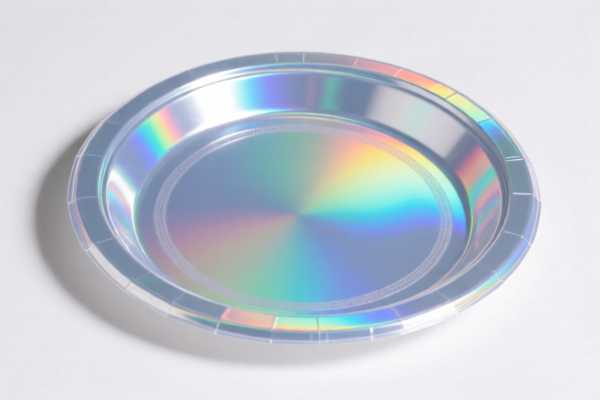
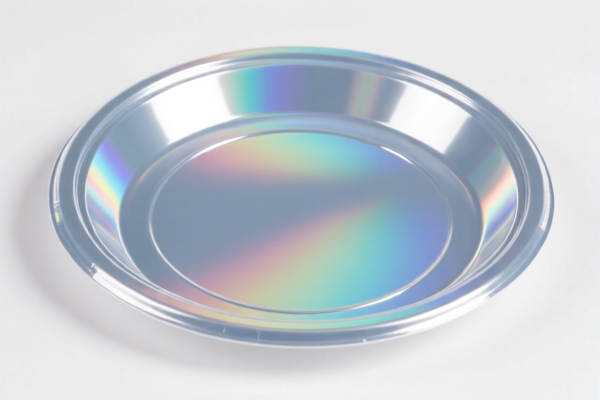
Reflectorized Plastic Plate
CN → US| HS Code | Tariff Rate | Origin | Destination | Doc |
|---|---|---|---|---|
| 3920991000 | 41.0% | CN | US | Official Doc |
| 3926909989 | 22.8% | CN | US | Official Doc |
| 8708295110 | 0.0% | CN | US | Official Doc |
| 8708295160 | 0.0% | CN | US | Official Doc |
| 3920995000 | 40.8% | CN | US | Official Doc |
Product Images


AI Analysis
🚗 Reflectorized Plastic Plate (Reflective Sheet/Panel)
🌐 HS Code Reference & Customs Clearance Guide | 2026 Latest Tariff Analysis | Professional Clearance Strategy
📌 I. Product Definition: What is a "Reflectorized Plastic Plate"?
A Reflectorized Plastic Plate is a composite material consisting of a plastic substrate (such as polycarbonate, acrylic, or PET) coated or laminated with retro-reflective materials (glass beads or microprismatic sheets). It is primarily used for traffic signs, vehicle markings, safety gear, and industrial identification.
⚠️ Critical Classification Distinction:
- If it is a generic plastic sheet/plate with reflective properties but no specific vehicle part designation → Likely falls under Chapter 39 (Plastics).
- If it is a specific vehicle body part (e.g., a bumper cover, side panel, or roof panel made of plastic) → Likely falls under Chapter 87 (Vehicles).
- Key Determinant: The primary use and physical form (is it a raw material/panel or a finished vehicle component?).
📦 II. HS Code Classification Details (2026 Latest Tariff Authority Comparison)
Based on the provided data, there are 5 potential HS Codes depending on the specific structure and application. Here is the detailed breakdown:
| HS Code | Product Description & Logic | Total Tax Rate | Key Tax Components |
|---|---|---|---|
| 3920.99.10.00 | Plastic Plate (Laminated/Composite). Generic plastic plate, non-cellular, laminated structure. Classified as a "catch-all" for plastic sheets. | 41.0% | Base: 6.0% + Section 301: 25.0% + Section 122: 10% |
| 3926.90.99.89 | Other Plastic Article (Body Panel). Plastic material, shaped as "body panel," not specifically listed elsewhere. Classified as an unlisted plastic article. | 22.8% | Base: 5.3% + Section 301: 7.5% + Section 122: 10% |
| 8708.29.51.10 | Vehicle Body Part (Plastic). Plastic body panel/plate specifically for vehicles. Classified under the "catch-all" logic for vehicle body parts. | 2.5% + 35.0% | Base: 2.5% + Section 301: 25.0% + Section 122: 10% |
| 8708.29.51.60 | Vehicle Accessory (Plastic). Plastic vehicle accessory/plate, not excluded. Classified under "other" vehicle parts logic. | 2.5% + 85.0% | Base: 2.5% + Section 301: 25.0% + Steel/Al/Cu Surcharge: 50% + Section 122: 10% |
| 3920.99.50.00 | Plastic Plate (Other). Plastic plate, not foam or reinforced structure. Classified under other "catch-all" principles for plastic sheets. | 40.8% | Base: 5.8% + Section 301: 25.0% + Section 122: 10% |
🔍 Analysis Note:
- Lowest Risk/Cost: 8708.29.51.10 (2.5% base + 35% total) IF it qualifies as a "Vehicle Body Part."
- Highest Risk: 8708.29.51.60 (2.5% base + 85% total) due to the 50% surcharge on Steel/Al/Cu (though this is plastic, the code logic may trigger broader metal tariffs if misclassified or if composite materials are present).
- Generic Plastic: 3920.99.10.00 and 3920.99.50.00 carry ~40-41% total tax.
- Niche Plastic Article: 3926.90.99.89 offers a moderate rate of 22.8% but is considered "unlisted," increasing customs scrutiny.
💰 III. 2026 Latest Tariff Rate Breakdown (Including Surcharges & Policy Add-ons)
✅ Applicable Country: United States (US)
✅ Origin: China (CN)
✅ Effective Time: Post-2025 (Based on data provided)
🎯 1. Generic Plastic Plates (Chapter 39)
Codes: 3920.99.10.00, 3920.99.50.00, 3926.90.99.89
| Item | Details |
|---|---|
| Base Tariff | 5.3% – 6.0% |
| Section 301 (Trade War) | +7.5% to +25.0% (Depends on specific subheading) |
| Section 122 | +10.0% (Fixed) |
| Total Effective Rate | 22.8% – 41.0% |
| Calculation | CIF Value × Total Rate |
📌 Explanation:
- 3920.99.10.00 and 3920.99.50.00 are "generic" plastic plates with full 25% Section 301 tariffs.
- 3926.90.99.89 has a lower Section 301 rate (7.5%), resulting in a significantly lower total tax (22.8%), but it is classified as "Other plastic articles," which requires strong proof that it is not a specific vehicle part.
🎯 2. Vehicle Body Parts (Chapter 87)
Codes: 8708.29.51.10, 8708.29.51.60
| Item | Details |
|---|---|
| Base Tariff | 2.5% |
| Section 301 | +25.0% |
| Section 122 | +10.0% |
| Metal Surcharge (Code .60 only) | +50.0% (If deemed to contain steel/aluminum/copper components) |
| Total Effective Rate | 37.5% (for .10) or 87.5% (for .60) |
📌 Warning:
- Code8708.29.51.10is the most favorable if the plate is strictly a plastic vehicle body part (no metal mix).
- Code8708.29.51.60is extremely expensive due to the 50% metal surcharge. Even if the product is plastic, if it contains any metal components (e.g., adhesive backing, mounting hardware) or if customs interprets the code broadly, this penalty may apply.
🛠️ IV. Customs Clearance Practical Advice (Avoiding Pitfalls)
✅ 1. Documentation Checklist (Mandatory)
| Document | Requirement | Purpose |
|---|---|---|
| Product Specification Sheet | ✔️ Must specify material (e.g., Polycarbonate), thickness, reflectivity rating (ASTM D4956), and form (sheet vs. molded part). | Proves it is "plastic" and not a mixed-metal article. |
| Usage Declaration | ✔️ Clearly state: "Used as vehicle body panel" OR "Used as raw reflective sheet for fabrication." | Determines Chapter 39 vs. Chapter 87. |
| Product Photos | ✔️ Front, back, and cross-section. | Helps customs verify if it is a "plate" (Chapter 39) or a "part" (Chapter 87). |
| Commercial Invoice | ✔️ Describe as "Reflective Plastic Panel" or "Vehicle Body Component," NOT just "Plastic Plate." | Prevents misclassification as general plastic. |
| Bill of Lading | ✔️ Ensure weight and dimensions match the spec sheet. | Avoids suspicion of hidden metal components. |
✅ 2. Classification Strategy (Key Mnemonic)
🔥 "Part vs. Material: Use Defines Code!"
| Scenario | Recommended HS Code | Reason |
|---|---|---|
| Molded Plastic Panel for a truck/car (e.g., fender, bumper, roof) | 8708.29.51.10 |
It is a "part" of a vehicle, not a raw material. Lowest base tax. |
| Raw Reflective Sheet/Plate for DIY signs or future fabrication | 3920.99.10.00 or 3920.99.50.00 |
It is a generic plastic sheet. Higher tax, but safer if not a finished part. |
| Unlisted Plastic Article (e.g., custom industrial reflector) | 3926.90.99.89 |
Use if it doesn't fit generic sheet (3920) or vehicle part (8708). Moderate tax. |
| Composite with Metal (e.g., plastic plate with metal frame) | AVOID 8708.29.51.60 unless necessary |
Risk of 50% metal surcharge. Consider splitting shipment if possible. |
✅ 3. Special Cases & Risk Management
| Case | Handling Advice |
|---|---|
| OEM Vehicle Parts | Provide OEM Purchase Order and Vehicle Model List to justify 8708.29.51.10. |
| Reflective Tape/Sheets | If it is flexible and not a "plate," it might be 3920.99 or even 5903.90. Check if "Plate" is the correct term. |
| Metal Content | If the plate has a metal backing or coating, declare it accurately. Misdeclaring plastic as plastic-metal could trigger penalties. |
| Section 122 | This 10% surcharge applies to most goods from China. Factor it into cost calculations. |
🌍 V. Global Market Comparison (2026)
| Country | Recommended HS Code | Estimated Total Tax | Notes |
|---|---|---|---|
| 🇺🇸 USA | 8708.29.51.10 |
37.5% (if vehicle part) | Best option for vehicle parts. 3920 codes are ~41%. |
| 🇺🇸 USA | 3920.99.10.00 |
41.0% | Safe for generic plastic sheets. |
| 🇨🇳 China | 3920.99.10.00 |
Low | Import duties are low; focus on VAT. |
| 🇪🇺 EU | 3920.99.00 |
~5-6% | No Section 301/122. Lower total cost than US. |
| 🇲🇽 Mexico | 3920.99.00 |
~5% | USMCA benefits may apply if assembled in NA. |
📌 Conclusion:
- The USA is the most expensive market due to Section 301 (25%) and Section 122 (10%).
- Vehicle Part Classification (8708.29.51.10) saves ~4-5% compared to generic plastic plates, but requires proof of vehicle use.
- Avoid8708.29.51.60unless absolutely necessary, as the 50% metal surcharge makes it economically unviable.
📌 VI. Common Mistakes & Pitfalls (Lessons Learned)
❌ Mistake 1: Declaring "Vehicle Parts" as "Plastic Sheets" to avoid higher taxes.
👉 Consequence: Customs may reclassify to 8708, leading to underpayment penalties or delays.
👉 Reality Check: 8708.29.51.10 is actually cheaper (37.5%) than 3920 (41%). So this mistake might not hurt, but it’s still incorrect.
❌ Mistake 2: Using 8708.29.51.60 for plastic plates.
👉 Consequence: 87.5% Total Tax due to metal surcharge.
👉 Fix: Ensure the code is 8708.29.51.10 if it’s purely plastic.
❌ Mistake 3: Not providing usage documentation.
👉 Consequence: Customs may classify as 3926.90.99.89 (22.8%) or 3920 (41%) based on ambiguity.
👉 Fix: Provide clear "Intended Use" statements.
❌ Mistake 4: Ignoring Section 122.
👉 Consequence: Unexpected 10% charge at border.
👉 Fix: Budget for 10% surcharge on all China-origin goods.
✅ Correct Approach:
"Reflective Polycarbonate Vehicle Body Panel, Model XYZ, Used for [Vehicle Make/Model], No Metal Components."
🎯 VII. Conclusion: Precision Classification Saves Money!
🎯 Key Takeaways:
🔹 "Vehicle Part = Cheaper" (
8708.29.51.10at 37.5%) vs. "Plastic Sheet = Expensive" (3920at 41%).
🔹 "No Metal = Avoid Surcharge". Stay away from8708.29.51.60.
🔹 "Prove Your Use". Provide OEM docs or detailed specs to justify the lower-tax code.
📌 Pro Tip:
If your product is a custom-designed vehicle part, always choose 8708.29.51.10. If it is a generic sheet for multiple uses, choose 3920.99.10.00.
Request an Advance Ruling from US Customs if the product’s form is ambiguous (e.g., semi-finished panels).
📣 Act Now:
📞 Consult a licensed customs broker.
📄 Prepare detailed product specs and usage declarations.
🚀 Minimize duty, maximize profit!
✨ Professional Clearance Starts with Accurate Classification!
💼 Every percentage point counts!
Customer Reviews
About HS Code Classification
The Harmonized System (HS) is an internationally standardized nomenclature developed by the World Customs Organization (WCO) to classify traded products. Over 200 countries use the HS system as the basis for customs tariffs, trade statistics, and import/export regulations.
Each HS code follows a hierarchical structure:
- Chapter (2 digits) — Broad category of goods (e.g., Chapter 84: Machinery and Mechanical Appliances)
- Heading (4 digits) — More specific grouping within the chapter
- Subheading (6 digits) — Internationally standardized breakdown, used by all WCO member countries
- National subdivisions (8-10 digits) — Country-specific extensions for further classification, such as US HTSUS 10-digit codes
Correct HS code classification is essential for smooth customs clearance, accurate duty payment, and compliance with trade regulations. Misclassification can lead to customs delays, overpayment of duties, or penalties.
When importing from CN to US, the applicable tariff rates may include:
- Most-Favored-Nation (MFN) rate — The standard duty rate applied to WTO members
- General rate — Applied to countries without trade agreements
- Trade remedy duties — Additional tariffs such as Section 301 (anti-dumping), Section 232 (national security), or countervailing duties
The information provided on this page is for reference purposes only. For official classification, please consult with your local customs authority or a licensed customs broker.